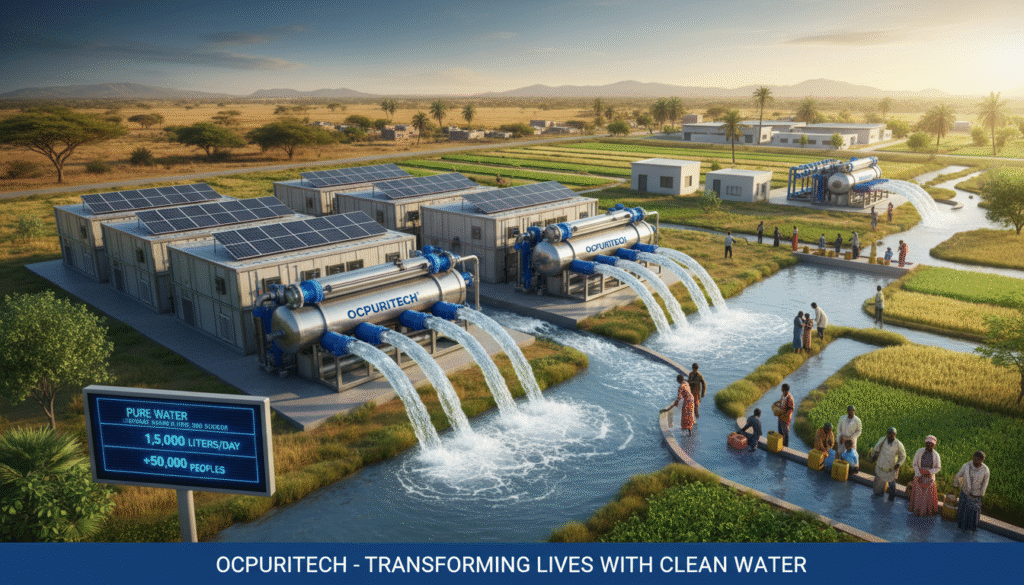
Advancing Sustainability with Industrial RO Water Treatment
The global demand for clean and safe water continues to escalate, fueled by population growth, urbanization, and environmental challenges. Industrial-scale reverse osmosis (RO) systems have emerged as a critical technology enabling sustainable water purification solutions. By efficiently removing contaminants and reducing reliance on scarce freshwater resources, industrial RO water treatment plays a pivotal role in advancing both public health and environmental stewardship worldwide.
In regions facing severe water scarcity, such as sub-Saharan Africa, the impact of insufficient access to clean water remains profound. According to the World Health Organization (WHO) and UNICEF’s Joint Monitoring Programme (JMP) 2023 report, only 31% of the population in sub-Saharan Africa has access to safely managed drinking water services. This means nearly 69% still lack reliable and safe drinking water access, leading to dire health outcomes including waterborne diseases. For instance, Kenya experienced a decrease in under-five child mortality to 43 per 1000 live births in 2019, yet 64,500 children under five still die annually, predominantly from diarrheal causes linked to unsafe water (WHO & UNICEF 2023).
Enhancing water quality and access through technologies like industrial RO systems is not just a technical challenge but a humanitarian imperative to reduce preventable child deaths and improve community health.
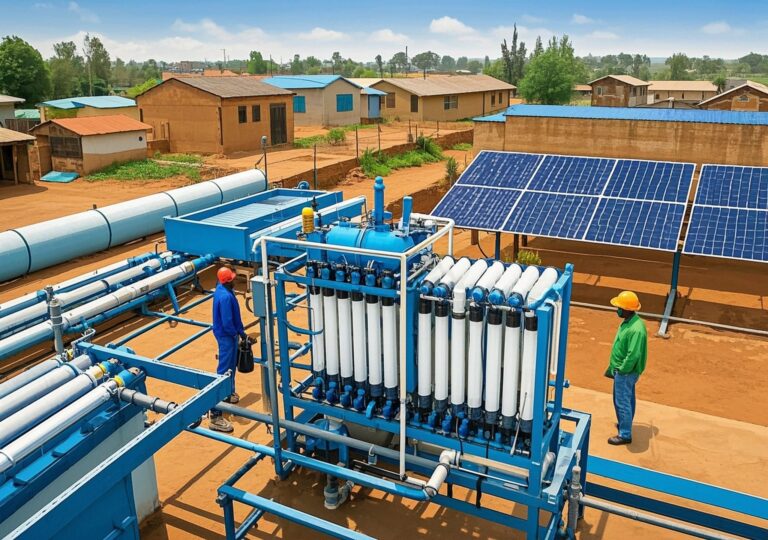
Drawing from my experience working on several large-scale water purification projects across Africa and Asia, the integration of industrial RO systems has consistently demonstrated substantial improvements in water safety and sustainability. For example, in a collaboration with a Kenyan municipal water plant, installing a brackish water RO system tripled the availability of potable water while significantly cutting chemical usage and energy consumption. This project not only elevated water quality but also boosted local industrial productivity and health outcomes in the served populations.
Comprehensive Overview of Industrial RO Water Treatment Technologies
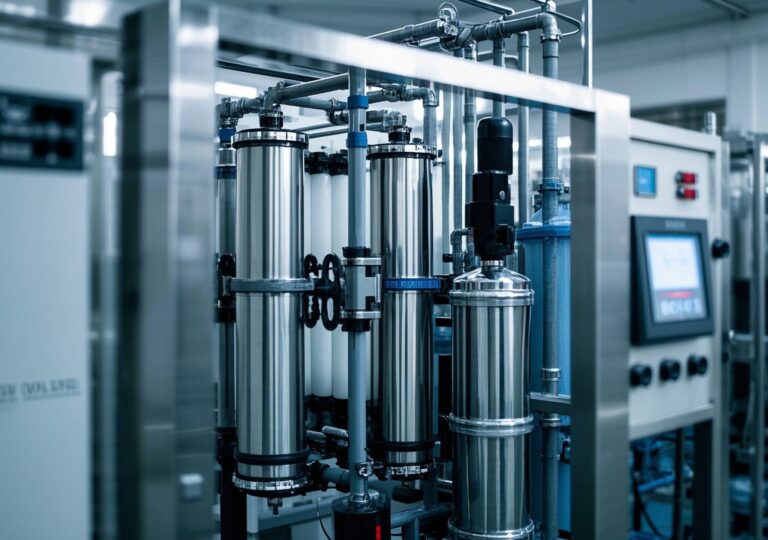
Industrial RO water treatment relies on semipermeable membranes to selectively separate dissolved solids, salts, bacteria, and other impurities from water. This process delivers high-purity water suitable for drinking, pharmaceutical use, agriculture, and manufacturing. Key treatment technologies often integrated with RO include ultrafiltration (UF), nanofiltration (NF), and electrodeionization (EDI).
Pretreatment stages are vital to protect membrane integrity and optimize system lifespan. These include sand filters, carbon filtration, water softeners, and UV sterilization. Together, these elements reduce fouling, ensure stable operation, and guarantee compliance with stringent water standards.
Within the industrial water sector, RO has evolved to handle various feedwater qualities — ranging from brackish groundwater to seawater desalination. Each application demands tailored system design to balance performance with energy efficiency. For instance, seawater RO systems incorporate advanced pressure recovery devices to reduce operational costs.
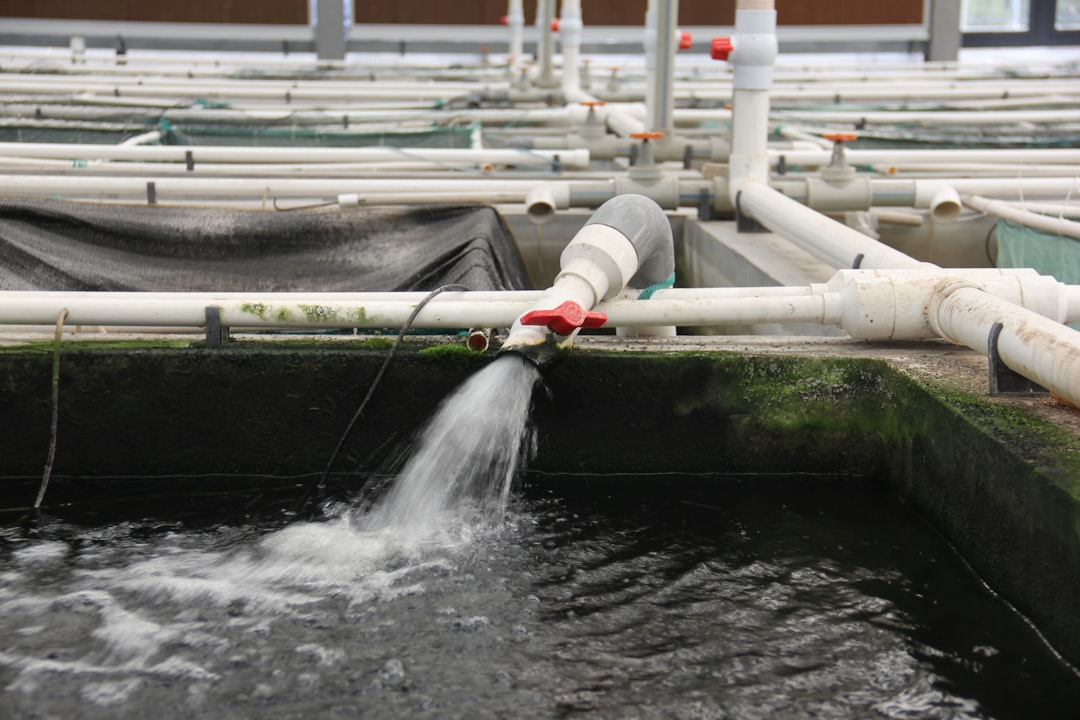
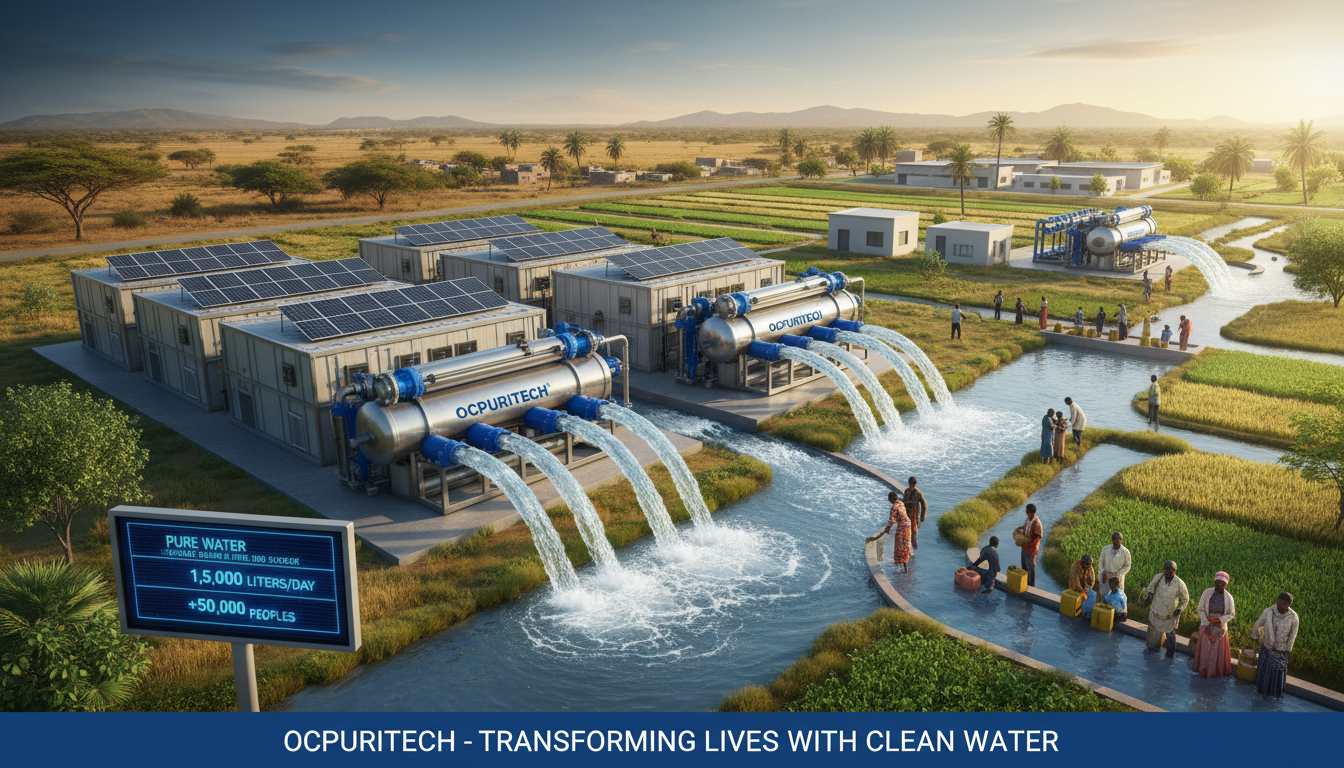
At Ocpuritech, our deep expertise in assembling and optimizing industrial RO systems, including remote control capabilities, brackish water and seawater desalination units, ultrafiltration, and electrodeionization systems, uniquely positions us to meet diverse demand scenarios. Our facilities in Guangzhou and Jiangmen enable high-quality manufacturing matched with cost-effectiveness, supporting sustainable water development worldwide.
Addressing Regional Water Challenges and Market Needs
Many developing regions, especially in Sub-Saharan Africa and parts of Southeast Asia, face significant water challenges. Limited freshwater supplies, erratic precipitation patterns, and increasing pollution compound the difficulty of securing safe drinking sources. Industrial RO technology can alleviate these pressures by enabling the use of non-traditional water sources such as brackish groundwater or even seawater.
In the agricultural sector, purified water from RO systems enhances crop yields by reducing salinity and contaminants. Industrial manufacturers benefit from reliable pure water supplies essential for product quality and compliance. Communities gain access to safe drinking water, decreasing waterborne illness rates dramatically.
From my experience working with local governments and NGOs, customized RO plants that integrate pretreatment and smart monitoring systems are critical. These help maintain system reliability while adapting to fluctuating water quality conditions. The market demand strongly favors turnkey solutions that combine efficacy with affordability and sustainable operation.
Ensuring Drinking Water Safety: Standards and Process Workflows
Compliance with drinking water standards such as those set by the World Health Organization and regional authorities is non-negotiable. Industrial RO water treatment systems are engineered to deliver water meeting these strict microbial, chemical, and radiological parameters.
The general workflow includes intake water screening, pretreatment filtration, reverse osmosis separation, disinfection (UV or chlorination), and continuous monitoring. Automated remote control systems enable operators to maintain process integrity and swiftly address any anomalies.
In Kenya’s municipal projects I’ve been involved with, adhering to these standards has led to demonstrable reductions in diarrheal diseases, showcasing how quality industrial RO water treatment contributes directly to public health improvements.
Customized Solutions and Engineering Design for Diverse Needs
Designing an industrial RO system requires careful consideration of water quality, demand scale, and operational environment. Pretreatment options, such as sand filters and softeners, reduce fouling risks. Intelligent control units support real-time quality and system diagnostics.
For smaller communities, compact modular units enable scalability and ease of maintenance. Large-scale industrial facilities may incorporate energy recovery devices and automated cleaning protocols to optimize efficiency and uptime.
Quality assurance is ensured through rigorous testing of components and system integration phases. At Ocpuritech, we emphasize tailor-made engineering with comprehensive project support—leveraging 14 years of experience to deliver reliable and sustainable water treatment plants globally.
Real-world Impact: Case Studies and Outcomes
In a notable project in Southeast Asia, a seawater RO desalination system delivered 5,000 cubic meters of potable water daily to a coastal town. This addressed chronic saltwater intrusion issues while powering local industries. Post-installation water testing showed total dissolved solids reduced by over 98%, meeting both WHO and local guidelines.
Similarly, a brackish water RO plant in a farming community in Kenya replaced reliance on contaminated wells. Within one year, hospital admissions for waterborne illness dropped by 30%. This project highlighted how targeted industrial RO interventions foster sustainable health and economic benefits.
These successes are anchored on precise engineering, consistent monitoring, and community engagement—elements that Ocpuritech systematically incorporates into projects to maximize social and environmental benefits.
Conclusion and Call to Action
The future of sustainable water management strongly depends on continued adoption and innovation in industrial RO water treatment. By leveraging advanced purification technologies, communities and industries in water-stressed regions can overcome critical deficiencies in safe water access, dramatically improving health outcomes and economic resilience.
At Ocpuritech, we are committed to this vision, delivering reliable, efficient, and customizable water treatment solutions tailored to diverse global needs. Our dedication to environmental responsibility is underscored by our founder’s belief that everyone deserves access to pure, safe water.
If you are interested in exploring industrial RO solutions to address your water challenges, we encourage you to reach out for expert consultation. Together, we can drive sustainable progress and safeguard precious water resources for generations to come.
References
World Health Organization (WHO) and United Nations Children’s Fund (UNICEF), Progress on household drinking water, sanitation and hygiene 2000-2022: Special focus on gender, 2023.