Introduction
Access to clean and safe water has become a critical global priority, with escalating demands driven by population growth, industrial activities, and environmental concerns. Among various water purification technologies, reverse osmosis water treatment solutions stand out as a transformative force in delivering high-quality water by efficiently removing contaminants and ensuring safety. In response to these challenges, leading experts and innovators have developed sophisticated systems that integrate cutting-edge materials and automation, setting new benchmarks in water purification performance and reliability.
Market Demand and Application Background
Regions worldwide face increasingly complex water quality challenges, from microbial contamination and chemical pollutants to elevated salinity levels. Consumers and industries alike emphasize the importance of drinking water safety and environmental sustainability. Heightened public awareness of health risks associated with contaminated water and tightening regulatory frameworks have intensified the need for effective purification technologies.
Moreover, the sustainability movement urges water treatment providers to optimize resource use, reduce chemical inputs, and enable smart management of water networks. This complex ecosystem requires adaptable and efficient solutions capable of addressing diverse water compositions encountered in municipal, industrial, and commercial setups.
Technical Principles of Reverse Osmosis Systems
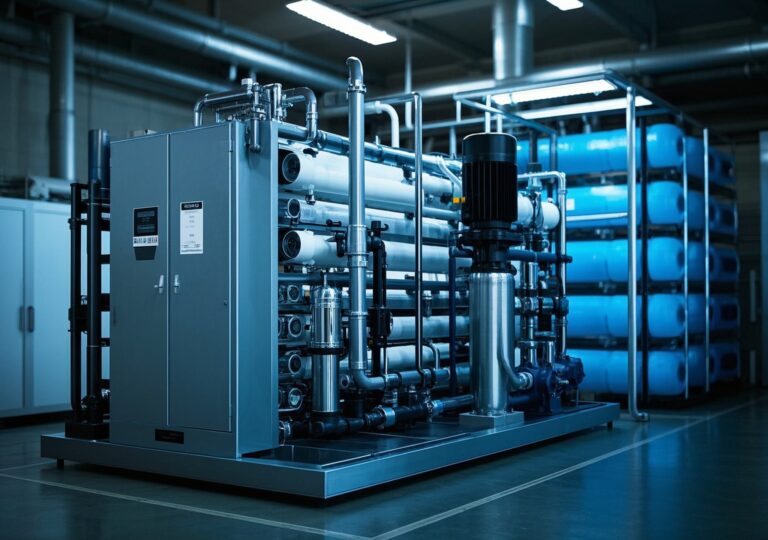
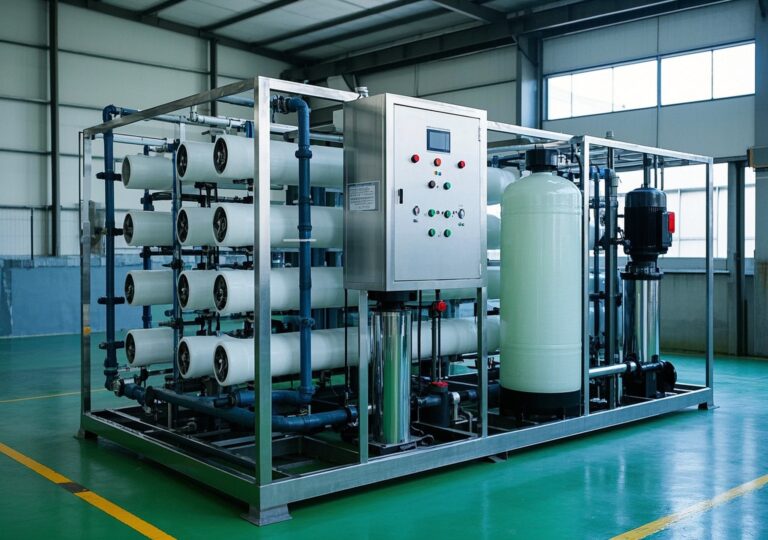
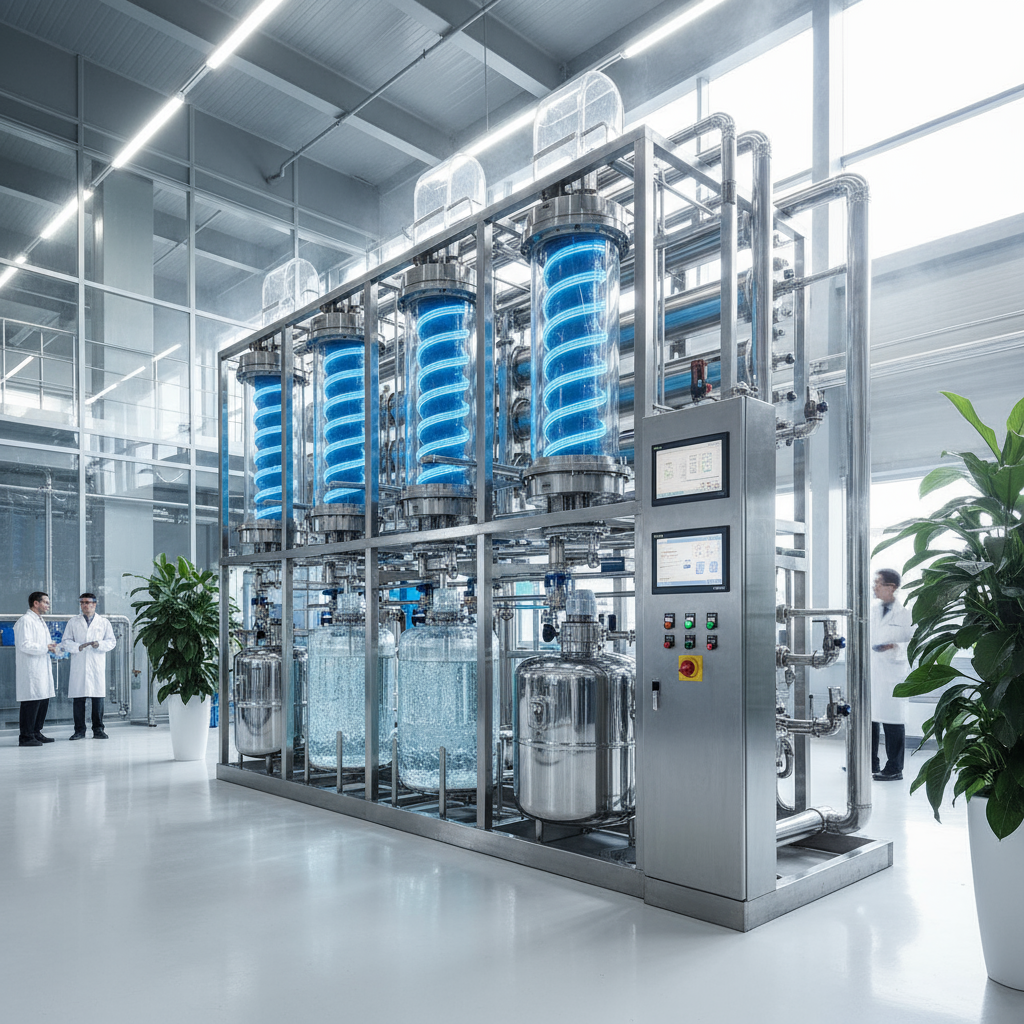
Reverse osmosis (RO) technology functions by applying pressure to force water across a semi-permeable membrane, which selectively blocks dissolved solids, organic compounds, pathogens, and other contaminants. The core components enabling this process include:
- High-performance membranes: Typically thin-film composite membranes that allow water molecules to pass while rejecting solutes as small as ions and viruses.
- Pre-treatment filters: Sediment and carbon filters that remove suspended particles and chlorine to protect the membranes and improve lifespan.
- High-pressure pumps: Critical to generating the necessary driving force for reverse osmosis without compromising system efficiency.
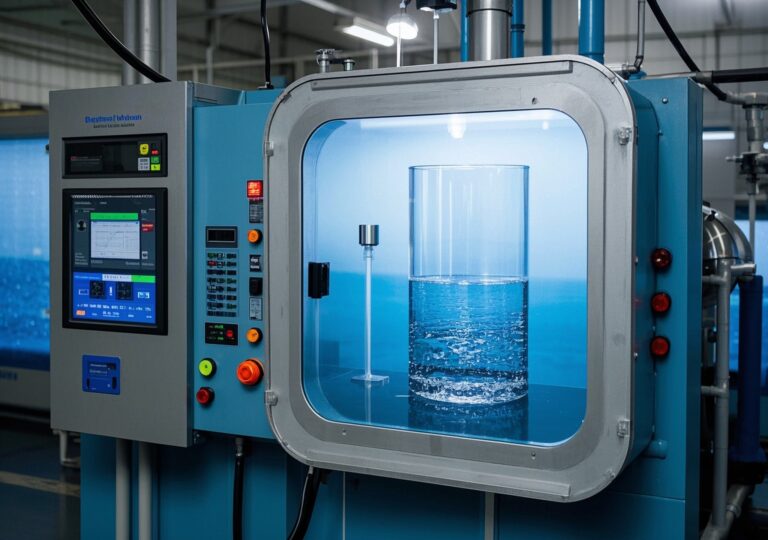
- Automated control systems: Sensors and PLCs that continuously monitor system parameters such as pressure, flow, and water quality to optimize operations.
This configuration allows RO systems to achieve removal rates exceeding 95% for total dissolved solids (TDS), bacteria, and viruses, far outperforming conventional filtration methods.
Company and Product Overview
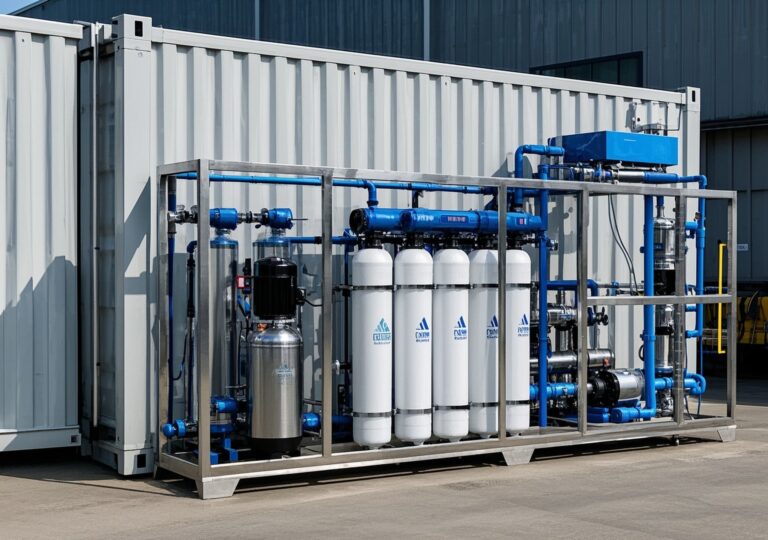
Global manufacturers specializing in advanced water treatment solutions have consistently invested in R&D to tailor their systems for specific regional water challenges. Their portfolio includes modular and scalable RO units designed to accommodate variable feed water qualities and capacities.
These companies emphasize innovation in membrane technology, energy recovery techniques, and integration with digital monitoring platforms. As a result, their solutions effectively address diverse needs — from residential and commercial use to heavy industrial applications — while maintaining compliance with stringent health standards.
In addition, localized engineering and support teams ensure that installations respect the unique infrastructural and environmental conditions of each market, facilitating smooth deployment and long-term performance reliability.
Product Features and Advantages
| Feature | Benefit | Impact |
|---|---|---|
| High rejection membranes with enhanced selectivity | Superior contaminant removal including heavy metals and microorganisms | Health protection, compliance with drinking water standards |
| Energy-efficient pumps and recovery systems | Lower operational energy costs and carbon footprint | Reduced utility expenditure and environmental impact |
| Automated control and predictive maintenance | Minimized downtime, optimized performance, longer membrane life | Increased operational reliability and ROI |
| Modular design for scalability | Customizable capacity expansion or adaptation | Flexible investment aligned with evolving water demand |
| Eco-conscious materials and waste management | Reduced chemical use, efficient brine disposal | Enhanced environmental stewardship and regulatory adherence |
Adopting these advanced water treatment solutions not only ensures the provision of safe, tasteless, and odorless water but also reduces water wastage, energy consumption, and maintenance complexity, aligning with modern sustainability mandates.
Multi-Sector Application Cases
Over the years, I have overseen the deployment of reverse osmosis systems across various industries, observing impactful results:
- Foodservice Industry: In a large urban restaurant chain, installing RO systems led to improved water taste and consistency, reducing bottled water dependence by 40%, cutting costs while enhancing customer satisfaction.
- Manufacturing Facilities: For a precision electronics manufacturer, the integration of RO treatment improved process water quality, leading to a 15% reduction in product defects caused by mineral deposits — directly boosting yield and reputation.
- Healthcare Settings: Hospitals utilizing advanced RO filtration saw a significant reduction in waterborne pathogens, decreasing infection risks in sensitive applications such as dialysis, thereby enhancing patient safety.
These examples illustrate how tailored water treatment solutions can generate tangible health, operational, and economic benefits across diverse contexts.
Installation and Maintenance Guidance
Professional installation begins with thorough water quality analysis and system customization to site-specific conditions. It is crucial to correctly size components, integrate appropriate pre-treatment, and ensure plumbing adherence to hygiene standards.
Subsequent maintenance includes regular membrane cleaning cycles, filter replacement schedules, and periodic system diagnostics leveraging built-in sensors. Embracing predictive maintenance assisted by digital monitoring reduces unexpected breakdowns and extends equipment life.
Local service networks play an essential role by providing timely technical support and spare parts logistics, fostering a dependable client relationship and uninterrupted water supply.
Competitive Comparison and After-Sales Assurance
Compared to alternative technologies such as ultrafiltration, distillation, or activated carbon systems, RO delivers unparalleled contaminant rejection efficiency and adaptability to varying water conditions. Though initial investment and operational costs may be higher, the comprehensive purification and longevity achieved justify the expenditure.
Additionally, certified compliance with international water quality standards and product certifications reinforce durability and performance claims. Comprehensive warranties and dedicated after-sales teams contribute to customer confidence, ensuring consistent returns on investment.
User Testimonials and Success Narratives
Clients have often expressed gratitude for the noticeable improvements in water quality and consequent health benefits. For instance, a recent commercial facility reported a 30% reduction in maintenance downtime related to water system issues after transitioning to an advanced RO system.
Users also highlight the intuitive digital interfaces and remote monitoring features, which facilitate easy operation without requiring extensive technical expertise, making the systems accessible to a broad user base.
Conclusion and Call to Action
In conclusion, advanced water treatment solutions leveraging reverse osmosis technology are pivotal to ensuring access to clean, safe, and sustainable water. They serve as a backbone for enhancing public health, enabling industrial productivity, and protecting environmental resources.
Stakeholders are encouraged to evaluate tailored solutions aligned with their specific water quality challenges and operational requirements. By investing in innovative systems supported by expert installation and maintenance practices, organizations and individuals can secure long-term water safety and sustainability.
References
According to Allied Market Research’s comprehensive report on the Water Treatment Equipment Market, technologies such as reverse osmosis, ultraviolet disinfection, and membrane bioreactors demonstrate high efficacy in pollutant removal and water quality assurance. Despite considerable initial investments and operational costs, digitalization and smart water networks deliver significant opportunities for efficiency gains and predictive maintenance, reducing downtime and optimizing operations across industrial contexts (Allied Market Research – “Water Treatment Equipment Market Size | Industry Growth, 2032”).