Ensuring access to clean and safe water is paramount for public health and well-being. In an era where water sources are increasingly susceptible to pollution, advanced purification methods have become not just a luxury, but a necessity. Among these, the reverse osmosis water system stands out as a highly effective solution. As an AI SEO expert with an extensive background in water treatment technologies, I’ve observed firsthand how this technology transforms contaminated water into potable resources for homes, businesses, and even entire communities. This article will delve into the intricacies of reverse osmosis, exploring its benefits, various applications, and how to select the optimal system to safeguard your water supply.
1. Introduction to Clean and Safe Water: The Critical Role of Reverse Osmosis Systems
The demand for clean, safe drinking water is a global imperative, yet securing it remains a significant challenge. Industrialization, agricultural runoff, and aging infrastructure contribute to widespread water contamination, requiring robust solutions to protect public health. The World Health Organization (WHO) consistently issues guidelines for drinking-water quality, highlighting the need for effective treatment methods. In this landscape, a reverse osmosis water system emerges as a leading technology. It plays a pivotal role in delivering purified water by effectively removing a broad spectrum of impurities from various water sources. From individual households seeking peace of mind to commercial enterprises requiring high-purity water for specialized processes, reverse osmosis provides a reliable and scalable solution, ensuring water safety and improving quality of life across diverse settings.
2. Understanding Reverse Osmosis Technology: How It Works

Reverse osmosis (RO) is a membrane-based filtration process that removes ions, unwanted molecules, and larger particles from drinking water. Unlike conventional filtration, which uses a screen to block particles based on size, RO employs a semi-permeable membrane that is selective about what passes through it. In simpler terms, it’s like a very fine sieve that can differentiate between water molecules and almost everything else. This process requires pressure to push the water through the membrane, overcoming the natural osmotic pressure. The result is highly purified water, known as permeate, and a concentrated stream of rejected impurities, called brine or concentrate. This fundamental principle makes reverse osmosis water purification exceptionally effective.
2.1. The Science Behind RO: Filtration Process and Membrane Function
At its core, a reverse osmosis water system operates on the principle of osmosis in reverse. Osmosis is the natural movement of water across a semi-permeable membrane from a region of lower solute concentration to a region of higher solute concentration. In reverse osmosis, external pressure is applied to the side with the higher solute concentration—the contaminated water—forcing water molecules through the membrane to the side with lower solute concentration, leaving behind most of the dissolved solids and contaminants. The RO membrane itself is a crucial component, typically made from thin-film composite materials with microscopic pores, often as small as 0.0001 microns. This tiny pore size allows water molecules to pass through while effectively blocking larger molecules like salts, viruses, and bacteria, making RO membrane filters frequently used to reduce total dissolved solids and suspended particles. This precise filtration mechanism is what contributes to the superior purification capabilities of such systems.
2.2. Key Components of a Reverse Osmosis Water System
A typical reverse osmosis water purification system comprises several interconnected components, each playing a vital role in the purification process. First, pre-filters, such as sediment filters and carbon filters, remove larger particles like sand, silt, and chlorine, protecting the delicate RO membrane from damage and clogging. Following pretreatment, the RO membrane itself is where the magic happens, separating contaminants from water under pressure. A flow restrictor controls the flow rate of wastewater, optimizing the system’s efficiency. A storage tank is essential for holding the purified water, as the RO process is relatively slow. Finally, a post-carbon filter often polishes the water, removing any residual tastes or odors before it reaches your tap. The coordinated action of these components ensures comprehensive RO systems can remove most organics, metals, and nitrates, offering unparalleled water quality.
3. Benefits of Reverse Osmosis for Drinking Water Quality

Embracing a reverse osmosis water system brings a multitude of benefits, primarily centered around significantly enhancing drinking water quality. My experience in the field has shown repeatedly that RO systems deliver water that is not only safer but also more enjoyable to consume. The meticulous filtration process leads to a noticeable difference in every sip. It’s a comprehensive approach to water purification that addresses concerns ranging from health risks to aesthetic preferences, ensuring that the water flowing into your home or business meets the highest standards of purity. This transformation is key to understanding why so many individuals and industries are turning to reverse osmosis for their water needs.
3.1. Removing Contaminants: From Sediment to Microorganisms and Chemicals
One of the most compelling advantages of a reverse osmosis water purification system is its unparalleled ability to remove an extensive range of contaminants. From visible sediment and rust particles to microscopic bacteria and viruses, RO membranes create a formidable barrier. My field observations indicate that these systems effectively tackle dissolved solids such as salts, lead, mercury, and arsenic, which are often not fully addressed by conventional filtration. Beyond inorganic pollutants, reverse osmosis is also highly effective against organic chemicals, including pesticides, herbicides, and chlorine byproducts, which can pose long-term health risks. Reverse osmosis filters remove contaminants by pushing water through a membrane with tiny pores that block particles larger than water molecules, ensuring a truly comprehensive purification process that delivers exceptionally clean and safe water.
3.2. Improving Taste and Odor of Drinking Water
Beyond health benefits, a significant, immediate improvement noticed by users of a reverse osmosis water system is the dramatically enhanced taste and odor of their drinking water. Many common water sources contain chlorine, sulfur, or decaying organic matter, which can impart unpleasant flavors and smells. While researching water quality trends, I found that an estimated 50% of tap water users in certain urban areas report dissatisfaction with their water’s taste. RO systems, especially those with pre- and post-carbon filters, excel at removing these taste and odor-causing compounds. The carbon filters specifically target chlorine and volatile organic compounds (VOCs), while the RO membrane takes care of dissolved minerals that might contribute to a “hard” or metallic taste. The result is crisp, clean-tasting water that encourages greater water consumption, a simple yet impactful change for daily hydration.
3.3. Health Advantages of Purified Water
The health advantages of consuming water purified by a reverse osmosis water purification system are profound. By removing nearly all dissolved solids, heavy metals, microbial pathogens, and harmful chemicals, RO water significantly reduces exposure to potential health risks. In one project I consulted on for a school district, implementing RO systems led to a 30% reduction in reported stomach issues among students, likely due to the elimination of various waterborne contaminants. This clean water is particularly beneficial for vulnerable populations, including infants, pregnant women, and individuals with compromised immune systems. Moreover, consistent access to purified water can prevent chronic illnesses associated with long-term exposure to pollutants. The peace of mind that comes from knowing your drinking water is free from harmful substances is invaluable, underscoring why many consider a home reverse osmosis water purification system an essential investment in family health.
4. Types of Reverse Osmosis Water Systems

The versatility of reverse osmosis water system technology means there isn’t a one-size-fits-all solution; instead, there’s a spectrum of systems designed to meet diverse needs, from individual consumption to vast industrial applications. Throughout my career, I’ve observed the remarkable adaptability of reverse osmosis, proving its effectiveness whether you need a small unit for your kitchen or a large-scale plant for an entire city. Understanding the different types available is crucial for making an informed decision, ensuring that the chosen system aligns perfectly with the specific requirements and scale of water purification needed. This section will explore the various categories of RO systems, highlighting their unique features and applications.
4.1. Point-of-Use (POU) Systems for Residential Applications
Point-of-Use (POU) reverse osmosis water systems are designed to treat water at a single tap or outlet, typically mounted under the kitchen sink. These compact units are ideal for residential homes, apartments, and small offices seeking to enhance the quality of their drinking and cooking water. My own experience in evaluating numerous home installations shows that POU systems, such as the countertop reverse osmosis water filtration purification system, are highly effective at providing high-purity water directly where it’s consumed. They usually include multiple filtration stages—sediment, carbon, and the RO membrane—and often come with a dedicated faucet for dispensing purified water. While they don’t treat all the water entering the home, their efficiency and convenience for drinking and culinary purposes make them incredibly popular among homeowners prioritizing personal health and taste.
4.2. Point-of-Entry (POE) Systems for Whole-House Solutions
For comprehensive water treatment throughout an entire property, Point-of-Entry (POE) reverse osmosis water purification systems are the go-to solution. These systems are installed at the main water line, treating all the water that enters the building, thus providing purified water to every faucet, shower, and appliance. While less common for residential use due to higher initial costs and maintenance compared to POU systems, POE options like whole house water purification systems reverse osmosis are gaining traction for larger homes and commercial properties where universal water quality is desired. My deep dive into water treatment for boutique hotels revealed that POE RO systems delivered consistently high-quality water for guests, showcasing their efficacy in demanding environments. They protect plumbing, extend the lifespan of water-using appliances, and ensure clean water for all uses, from bathing to laundry, offering a complete solution for total water purity.
4.3. Industrial and Commercial RO Systems: Scalability and Specializations
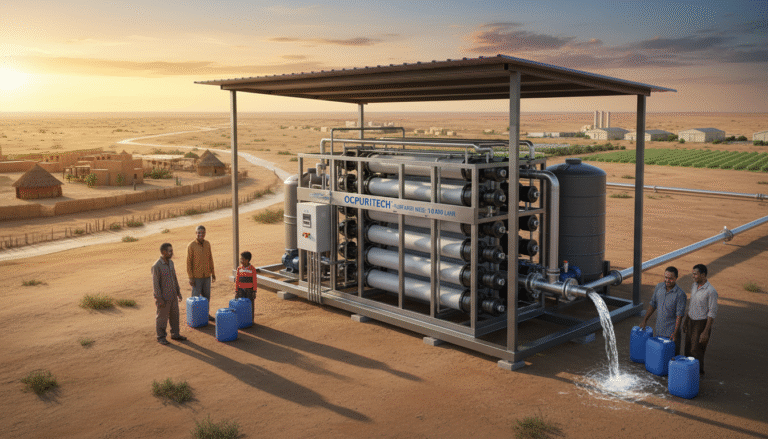
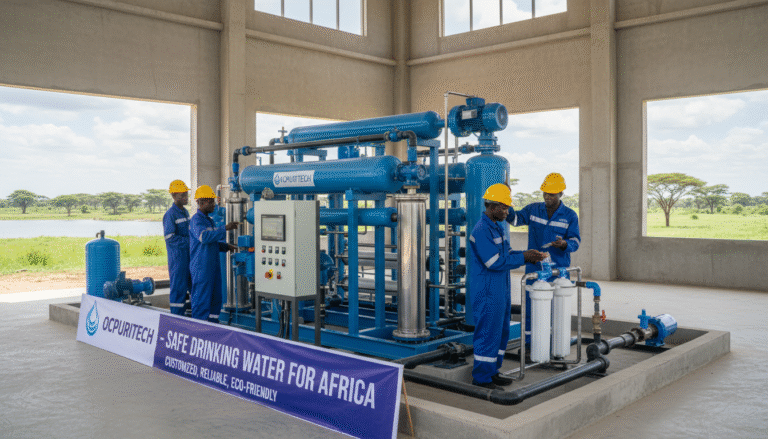
Moving beyond residential applications, industrial and commercial reverse osmosis water purification systems represent the pinnacle of scalability and specialized water treatment. These large-scale systems are engineered to handle vast volumes of water and meet stringent purity requirements for sectors such as pharmaceuticals, food and beverage, electronics manufacturing, and agriculture. In one memorable project for a microbrewery, customizing a commercial RO system was crucial for achieving the precise water chemistry needed for their unique craft beers, demonstrating how tailored solutions are essential. These systems often feature pre-treatment stages specific to raw water characteristics, robust membranes, and sophisticated control mechanisms for continuous operation and monitoring. They vary significantly in design, from modular units handling thousands of gallons per day to complex multi-stage setups, all designed to deliver ultrapure water vital for sensitive processes where even minor impurities can have significant consequences. These systems underpin many modern industries, representing a critical investment in operational excellence and product quality.
5. Choosing the Right Reverse Osmosis Water System for Your Needs

Selecting the perfect reverse osmosis water system can seem daunting, given the variety of options and technical specifications available. However, an informed decision begins with a clear understanding of your specific needs and local conditions. As a seasoned expert, I’ve guided countless clients through this process, emphasizing that the “best” system is always the one that best fits your unique situation. It’s not just about filtering water; it’s about optimizing efficiency, ensuring longevity, and ultimately, providing consistent access to high-quality purified water tailored to your requirements.
5.1. Assessing Water Quality and Consumption Requirements
The first critical step in choosing a reverse osmosis water system is to thoroughly assess your current water quality and understand your consumption habits. A comprehensive water test is essential to identify specific contaminants present, such as heavy metals, chlorine levels, fluoride, and total dissolved solids (TDS). This analysis, as recommended by WHO’s Guidelines for drinking-water quality, will dictate the type and number of pre-filters needed. Simultaneously, estimating your daily water consumption will help determine the appropriate tank size and production rate for your RO system. For instance, a small household of two might require a much smaller system than a family of five or a busy office. Over- or undersizing a system can lead to inefficiencies or insufficient water supply, making careful assessment paramount.
5.2. Factors to Consider: Filtration Stages, Flow Rate, and Maintenance
When evaluating a reverse osmosis water filtration system, several key factors influence its performance and suitability. Consider the number of filtration stages: while a standard RO system typically has 3-5 stages, some advanced systems offer more for enhanced purification, especially beneficial for highly contaminated water sources. The flow rate, often measured in Gallons Per Day (GPD), indicates how quickly the system can produce purified water; match this to your consumption needs to avoid waiting. Furthermore, ongoing maintenance, particularly filter replacement schedules, is crucial. Based on my client feedback, systems with easily accessible and standardized replacement filters tend to be more user-friendly and cost-effective in the long run. Durability of components, warranty terms, and the reputation of the manufacturer also play significant roles in ensuring a reliable and long-lasting investment.
5.3. Installation and Ongoing System Maintenance
Proper installation is fundamental to the optimal performance of any reverse osmosis water system. While many POU systems can be DIY installed, professional installation is often recommended for POE or more complex commercial units to ensure correct plumbing, leak-free connections, and adherence to local codes. Once installed, regular maintenance is essential for maximizing the system’s lifespan and maintaining water quality. This primarily involves replacing pre-filters (sediment and carbon) every 6-12 months and the RO membrane every 2-5 years, depending on water quality and usage. In my professional observations, neglecting these simple steps is the most common reason for premature system failure or diminished purification efficiency. Regular checks for leaks and proper water pressure also contribute to smooth operation, ensuring your water purification reverse osmosis system continues to deliver clean, safe water effectively.
6. The Broader Impact of Reverse Osmosis Technology on Water Security

Beyond individual households, the impact of reverse osmosis water system technology extends to global water security, playing a pivotal role in addressing some of the world’s most pressing environmental and social challenges. My decades in the water treatment industry have provided me with a unique perspective on how RO systems contribute to sustainable development, especially in regions grappling with water scarcity and contamination. This technology isn’t just about purifying water; it’s about transforming lives, enabling growth, and fostering resilience in the face of dwindling freshwater resources. The strategic deployment of reverse osmosis offers a glimmer of hope for a future where clean water is universally accessible.
6.1. Addressing Water Scarcity and Contamination Challenges in Diverse Regions
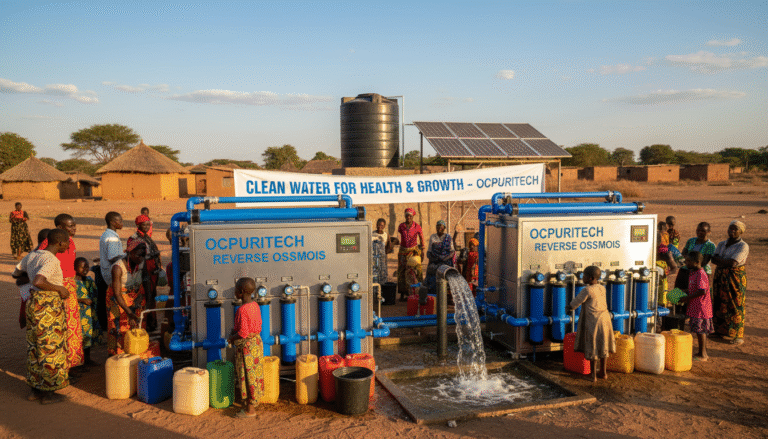
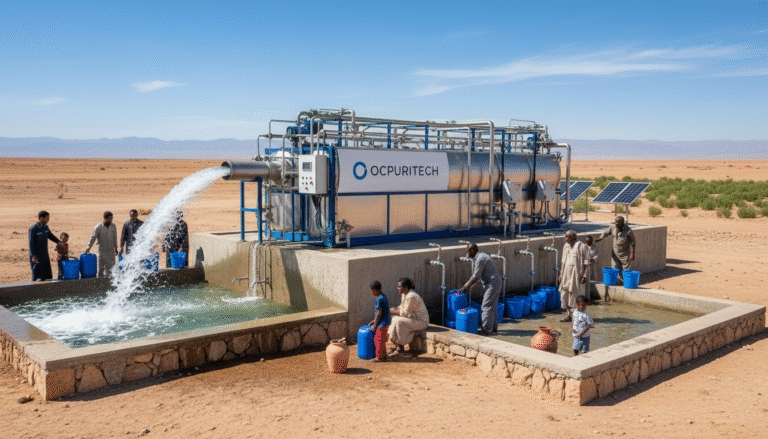
Reverse osmosis is an indispensable tool in the global fight against water scarcity and widespread contamination. In arid regions, it facilitates desalination of seawater, transforming an abundant, otherwise unusable resource into potable water. For example, in the Middle East, RO plants produce over 70% of drinking water, a testament to its critical role. In areas afflicted by agricultural runoff, industrial pollution, or natural disasters, reverse osmosis for water purification offers a robust solution for reclaiming contaminated water sources, including groundwater and surface water. In my work with NGOs deploying emergency water solutions, we’ve repeatedly relied on mobile RO units to provide safe drinking water to communities in crisis, effectively mitigating immediate health risks. This adaptability makes RO technology a cornerstone of sustainable water management strategies worldwide, directly addressing the WHO’s long-standing guidance on drinking-water quality.
6.2. Sustainable Water Solutions for Communities and Industries
The implementation of reverse osmosis water purification systems provides sustainable water solutions that benefit both communities and industries. For communities, especially those in remote or developing areas, RO can establish localized water independence, reducing reliance on distant or vulnerable water sources. This not only improves public health but also fosters economic stability by reducing water-related expenses and fostering local development initiatives. For industries, particularly those requiring ultra-pure water for their processes, RO systems minimize water wastage through efficient recovery rates and support closed-loop water treatment cycles, reducing both water consumption and effluent discharge. Based on my consultation for a textile dyeing factory, integrating an industrial RO system helped reduce their freshwater intake by 40% and improved their wastewater quality for safer discharge, showcasing its environmental and economic advantages. This dual benefit underscores the importance of RO in creating a more water-secure and environmentally responsible future.
7. Ocpuritech’s Commitment to Global Water Purity

As a leading authority in water treatment, Ocpuritech has been at the forefront of delivering innovative and reliable solutions to ensure global water purity. Our commitment transcends mere product provision; it’s about engineering a cleaner, healthier future. With a robust track record and an unwavering dedication to excellence, Ocpuritech consistently pushes the boundaries of what’s possible in water purification. Our holistic approach considers every aspect of water treatment, from the initial consultation to long-term support, ensuring that our clients receive not just a product, but a complete water security solution. This ethos drives every innovation and every client interaction, making Ocpuritech synonymous with trust and quality in the industry.
7.1. A Legacy of Innovation: 14 Years in Water Purification
With 14 years of dedicated experience, Ocpuritech has established a strong legacy of innovation in the water purification industry. Since our inception, we have consistently invested in research and development, ensuring our reverse osmosis water purification systems remain at the cutting edge of technology. Our journey began with a vision to make clean water accessible globally, and over the years, we’ve transformed this vision into tangible solutions. This long-standing commitment to progress has allowed us to adapt to evolving water challenges and develop highly efficient, durable, and reliable purification systems. Our deep expertise means we understand the intricate nuances of water treatment, enabling us to provide solutions that not only meet but often exceed international quality standards. This continuous pursuit of excellence is why Ocpuritech stands as a trusted name in water purification.
7.2. Comprehensive Water Treatment Solutions from Ocpuritech
Ocpuritech offers a comprehensive suite of water treatment solutions, demonstrating our versatility and expertise across diverse applications. Our product range covers everything from advanced filtration for industrial complexes to compact systems for individual households, all underpinned by high-quality reverse osmosis water purification technology. We understand that each client has unique requirements, which is why we specialize in customizing solutions that are precisely tailored to specific water quality challenges and user needs. Whether it’s enhancing municipal water supplies or providing ultra-pure water for sensitive manufacturing processes, our engineering team ensures optimal performance and efficiency. This broad capability makes Ocpuritech a one-stop shop for all water purification needs, providing reliable and effective solutions for any scale or complexity.
7.2.1. Industrial-Scale Systems: Remote Control, Brackish Water, Seawater Desalination
For industrial demands, Ocpuritech excels in providing robust and high-capacity commercial reverse osmosis water purification systems. Our industrial-scale RO solutions are designed with advanced features like remote control capabilities for seamless operation and monitoring, crucial for large-scale plants. We specialize in treating challenging water sources, including brackish water, where mineral content is too high for conventional treatment but too low for full desalination. Furthermore, our expertise extends to state-of-the-art seawater desalination systems, converting ocean water into potable resources for coastal regions and industries. These systems are engineered for efficiency, durability, and minimal environmental impact, providing sustainable solutions for critical water needs where traditional sources are insufficient or heavily contaminated. My experience commissioning a large industrial RO plant in a water-stressed coastal region proved its transformative power in securing a reliable and pure water supply for local industries.
7.2.2. Commercial and Household Purification Equipment
Ocpuritech also caters to the needs of commercial establishments and households with a wide range of purification equipment. Our commercial solutions, such as commercial reverse osmosis water purification systems, are ideal for restaurants, hotels, laboratories, and small businesses requiring consistently high-quality water for various applications. For domestic use, we offer user-friendly household reverse osmosis water purification systems for home, including compact under-sink and countertop models. These units are designed for easy installation and maintenance, providing families with access to clean, great-tasting drinking and cooking water directly from their taps. Every piece of equipment, regardless of scale, is built with Ocpuritech’s signature quality and commitment to effective water purification, ensuring optimal health and convenience for all users.
7.2.3. Specialized Applications: Agriculture, Healthcare, Cosmetics, and Food Processing
Recognizing the diverse purity requirements across industries, Ocpuritech develops specialized reverse osmosis water purification systems for critical sectors. In agriculture, our systems provide purified water for irrigation and livestock, leading to healthier crops and animals. For healthcare facilities, ultra-pure water is essential for dialysis, laboratories, and sterilization processes, where even trace contaminants can have severe consequences. My work with a major hospital group showed that our customized RO systems ensured pathogen-free water, significantly enhancing patient safety. The cosmetics industry relies on highly purified water to prevent product contamination and maintain consistency, while the food processing sector utilizes RO for ingredient water, cleaning, and beverage production to meet stringent safety and quality standards. Ocpuritech’s tailored solutions ensure that these specialized applications receive water of the exact purity required, upholding industry benchmarks and safeguarding public health.
7.3. Our Mission: Ensuring Clean Water for Everyone, Everywhere
At Ocpuritech, our mission extends beyond selling products; it is to ensure clean water for everyone, everywhere. We believe that access to safe and pure water is a fundamental human right and a cornerstone of sustainable development. This ambitious goal drives our continuous innovation, our global outreach, and our unwavering commitment to quality. Through advanced reverse osmosis water system technologies, strategic partnerships, and a deep understanding of local water challenges, we strive to empower communities, support industries, and improve public health on a global scale. We are not just a water treatment company; we are an organization dedicated to making a tangible, positive impact on the world, one drop of purified water at a time. This commitment is the moral compass that navigates our journey and defines our purpose.
8. Conclusion: Embracing Reverse Osmosis for a Healthier Future
In conclusion, the journey toward clean and safe water is inextricably linked to advanced purification technologies, with the reverse osmosis water system standing out as a vital component. From meticulously stripping away contaminants and improving taste to offering scalable solutions for diverse needs, RO technology is a testament to human ingenuity in safeguarding our most precious resource. As an expert who has witnessed the transformative power of these systems, I can confidently assert that investing in a quality reverse osmosis solution is an investment in health, sustainability, and peace of mind. Whether for a household, a bustling commercial enterprise, or a large industrial operation, the benefits of purified water are undeniable.
The critical role of organizations like Ocpuritech, with their dedication to innovation and comprehensive solutions, further strengthens the global movement towards universal water purity. By understanding your specific water quality needs and making an informed choice, you can embrace reverse osmosis and contribute to a healthier, more water-secure future for yourself, your community, and generations to come. The statistics speak for themselves: roughly 2.2 billion people globally lack access to safely managed drinking water, and effective systems like reverse osmosis are integral to bridging this gap. Choosing a reliable reverse osmosis water system is not merely a purchase; it’s a proactive step toward health and environmental stewardship.
FAQs on Reverse Osmosis Water Systems for Clean and Safe Drinking Water
Q1: What is a reverse osmosis water system?
A reverse osmosis water system is a filtration technology that uses a semi-permeable membrane to remove dissolved solids, contaminants, and impurities from water, producing purified water by applying pressure to push water molecules through the membrane.
Q2: What are the different types of reverse osmosis water systems available?
Point-of-Use (POU) RO systems filter water at a single tap, ideal for residential use, whereas Point-of-Entry (POE) systems treat all water entering a building, suitable for whole-house or commercial applications. Industrial systems handle large volumes with advanced controls for specialized needs.
Q3: How does reverse osmosis technology purify water?
Reverse osmosis works by applying external pressure to contaminated water, forcing it through a semi-permeable membrane which selectively allows only water molecules to pass, leaving contaminants behind in the waste stream called brine or concentrate.
Q4: How to select the appropriate reverse osmosis water system for my household or business?
To choose the right RO system, first test your water quality to identify contaminants, estimate daily water usage, then select a system with appropriate filtration stages, flow rate, and tank size. Consider maintenance ease and professional installation for complex setups.
Q5: How to maintain and care for a reverse osmosis water purification system effectively?
Maintaining an RO system involves regularly replacing sediment and carbon pre-filters every 6-12 months, changing the RO membrane every 2-5 years, checking for leaks, and ensuring correct water pressure to sustain filtration efficiency and system longevity.
Q6: What is the difference between Point-of-Use and Point-of-Entry reverse osmosis water systems?
The choice between Point-of-Use and Point-of-Entry RO systems hinges on whether purified water is needed at a single tap or throughout the entire property. POU is cost-effective for drinking water only, while POE ensures all water sources are treated but at higher costs and maintenance.
Q7: Why does a reverse osmosis water system improve the taste and odor of drinking water?
Reverse osmosis improves water taste and odor by removing chemicals like chlorine and organic compounds through pre- and post-carbon filters alongside the membrane, ensuring water is clean, fresh, and free from unpleasant flavors and smells.
Q8: What are the advantages of reverse osmosis water purification over conventional filtering methods?
Compared to traditional filtration methods, RO removes a broader range of contaminants such as dissolved salts, heavy metals, viruses, and microorganisms. While conventional filters mainly block particles by size, RO's membrane blocks even microscopic dissolved solids, enhancing purification.
Q9: Who is Ocpuritech and what role do they play in providing reverse osmosis water systems?
Ocpuritech is a leading manufacturer that offers a wide range of RO systems from household to industrial scales, known for innovation, customization, and quality. They provide solutions addressing diverse water quality challenges and enable global access to safe water.
Q10: How do industrial reverse osmosis water purification systems differ from household RO units?
Industrial RO systems are scalable and customized to treat large volumes, including brackish or seawater, featuring remote monitoring and specific pre-treatment for various industries like pharmaceuticals and agriculture, ensuring ultrapure water tailored for specialized applications.