Industrial processes often rely on efficient heat rejection, making cooling towers indispensable in sectors like manufacturing, power generation, and HVAC. However, these critical systems are constantly battling challenges such as water quality degradation, equipment wear, and efficiency losses. Without robust **cooling tower water treatment** strategies, operational costs can skyrocket, equipment lifespan can drastically shorten, and environmental compliance can become a significant hurdle.
At Ocpuritech, we understand these complexities. Our dedication to providing clean and pure water globally aligns perfectly with the imperative to protect the environment and offer high-quality water treatment solutions that extend equipment life and ensure optimal performance. This article delves into comprehensive strategies designed to keep your cooling towers running efficiently, offering our insights and practical recommendations.
The Essential Role of Cooling Towers and Water Quality Challenges
Cooling towers function by rejecting waste heat into the atmosphere primarily through evaporative cooling. As hot water from industrial processes is sprayed down through a fill material, a portion of the water evaporates, carrying away heat. The cooled water is then recirculated. Various designs exist, including open evaporative, closed-circuit, and hybrid towers, each suited for specific applications and environmental conditions.
However, this evaporative process, while efficient, concentrates impurities in the circulating water, leading to a host of water-related problems:
- Scaling: Mineral deposits, chiefly calcium carbonate and silica, precipitate out of the concentrated water. These deposits form an insulating layer on heat exchanger surfaces, severely reducing heat transfer efficiency and restricting water flow.
- Corrosion: The electrochemical degradation of metal components can lead to leaks, structural damage, and ultimately, system failure. Factors like dissolved oxygen, low pH, and high chloride levels accelerate corrosion.
- Biofouling: The warm, nutrient-rich environment of a cooling tower is ideal for the growth of microorganisms such as bacteria, algae, and fungi. Biofouling reduces heat transfer, creates blockages, and poses health risks, especially from pathogens like Legionella.
- Suspended Solids: Dirt, silt, dust, and other particulates entering the system from the air or makeup water can accumulate, leading to fouling, abrasion of pumps, and reduced system performance.
Monitoring key chemical parameters such as pH, alkalinity, hardness, conductivity, and dissolved oxygen is crucial for understanding water quality dynamics and proactively addressing these issues.
Comprehensive Cooling Tower Water Treatment Technologies

Effective **cooling tower water treatment** involves a multi-pronged approach, combining chemical and physical methods with advanced purification technologies.
Chemical Treatment Programs
Chemicals play a vital role in controlling scale, corrosion, and biological growth:
- Corrosion Inhibitors: These chemicals form a protective film on metal surfaces or passivate the metal, preventing electrochemical reactions. Common types include orthophosphates, molybdates, and azoles.
- Scale Inhibitors and Dispersants: By interfering with crystal growth and keeping scale-forming ions dispersed in the water, these chemicals prevent the accumulation of mineral deposits.
- Biocides: Used to control microbial populations. Oxidizing biocides (e.g., chlorine, bromine, chlorine dioxide) kill microorganisms through oxidation, while non-oxidizing biocides disrupt their metabolic processes. Effective biocide application requires careful rotation and monitoring.
Physical Treatment Methods
Physical separation techniques are essential for removing suspended solids and dissolved impurities:
- Filtration Systems:
- Sand Filters and Carbon Filters: These are often employed as pretreatment systems to remove suspended solids, sediment, and organic matter from makeup water.
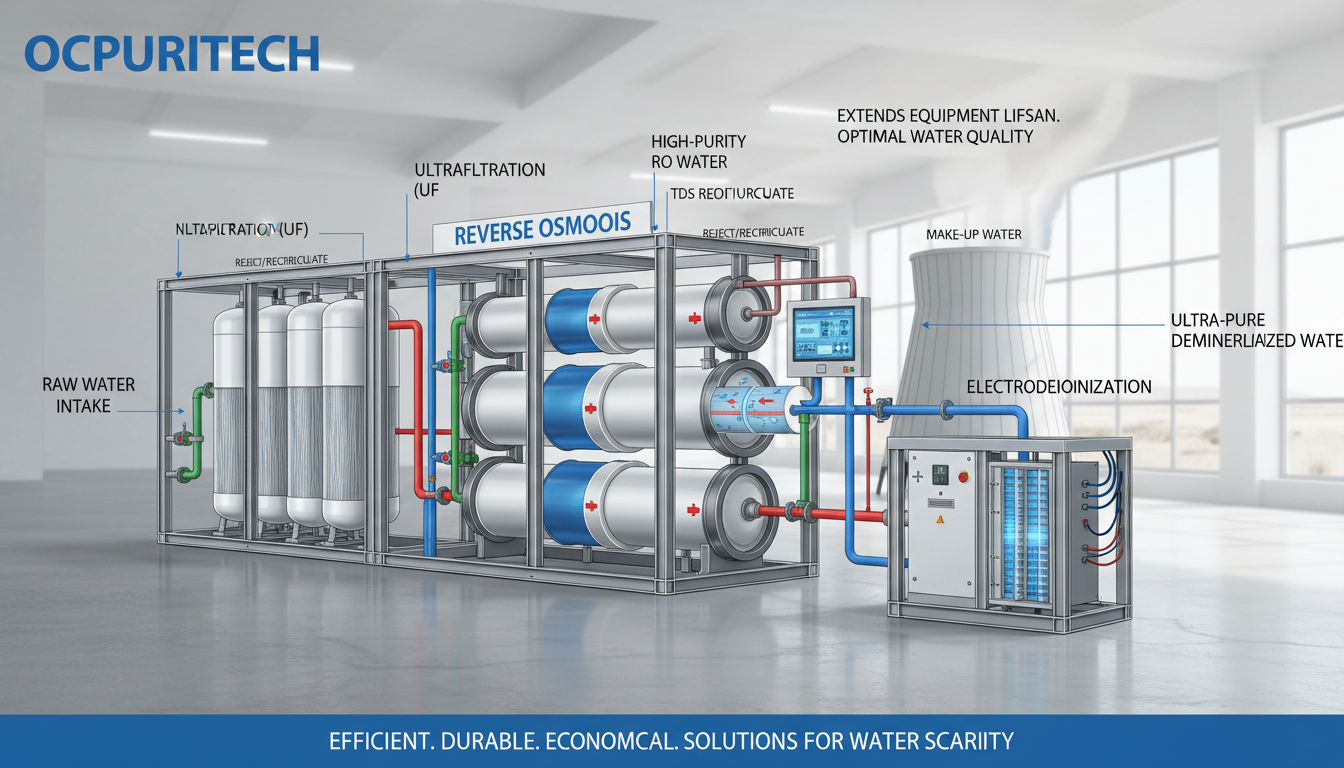
- Ultrafiltration (UF) Systems: UF provides finer particulate removal, acting as an excellent pretreatment for reverse osmosis systems, ensuring high-quality makeup water.
- Softening Systems: Ion exchange softeners remove hardness-causing ions like calcium and magnesium, directly preventing scale formation, especially important in areas with high hardness water sources.
- Side Stream Filtration: Continuously filters a portion of the circulating cooling tower water, effectively removing suspended solids and preventing their accumulation in the system.
Automated Dosing and Monitoring Systems: The precision of chemical dosing and real-time water quality monitoring cannot be overstated. Advanced control systems, including Ocpuritech’s capabilities in remote control systems, ensure chemicals are added accurately and efficiently, optimizing performance and reducing waste.

Advanced Water Purification Technologies for Cooling Tower Makeup Water
To further enhance water quality and minimize operational issues, advanced purification technologies are increasingly being used for treating **cooling tower water treatment** makeup water:
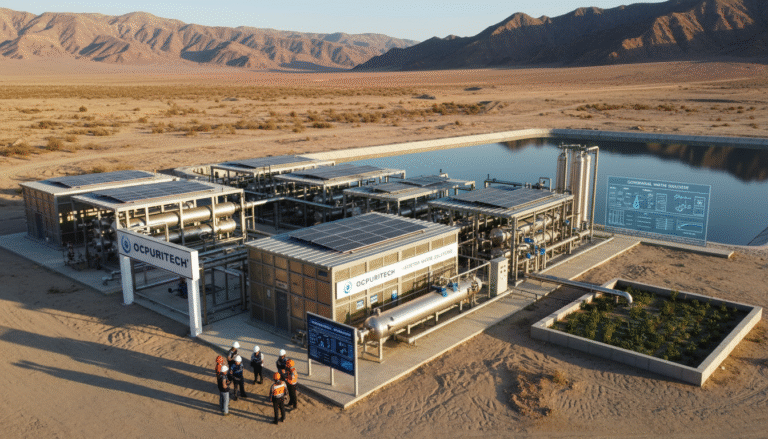
- Reverse Osmosis (RO) Systems: RO effectively removes dissolved solids, significantly reducing the scaling potential and blowdown requirements. This results in substantial water savings and improved cooling tower efficiency. Ocpuritech offers robust industrial RO systems tailored for this application.
- Nanofiltration (NF) Systems: NF is a membrane filtration technology that selectively removes divalent ions (like calcium and magnesium) and organic matter, acting as an excellent precursor to RO or a standalone treatment for specific water chemistries.
- EDI Ultrapure Water Systems: While less common for general cooling tower makeup, EDI systems are part of Ocpuritech’s comprehensive offerings for applications requiring exceptionally high water purity.
Regional Water Resource Challenges and Market Demand

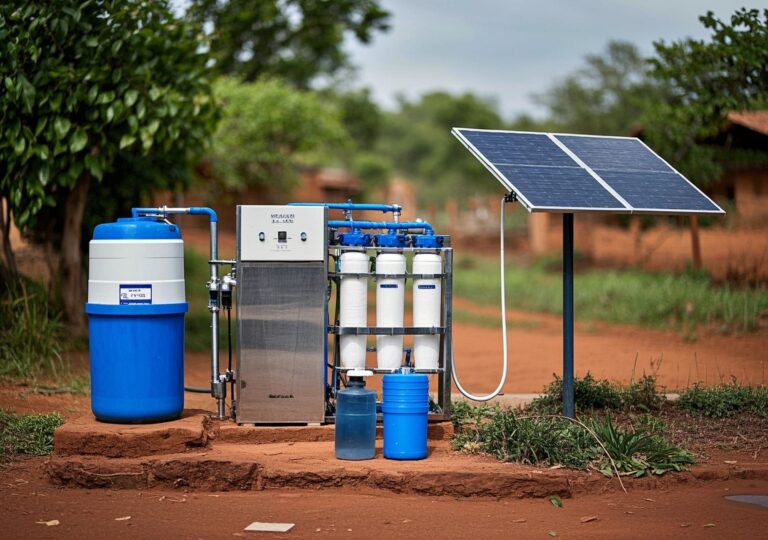
Globally, water scarcity is a growing concern, impacting industrial operations significantly. For instance, reports indicate that water scarcity in Africa is expected to reach dangerously high levels by 2025, with approximately 387 million people in Sub-Saharan Africa struggling daily without access to safe water. This necessitates efficient water management and reuse in industrial settings, particularly in water-stressed regions like parts of Africa, Southeast Asia, and South America—key markets where Ocpuritech operates.
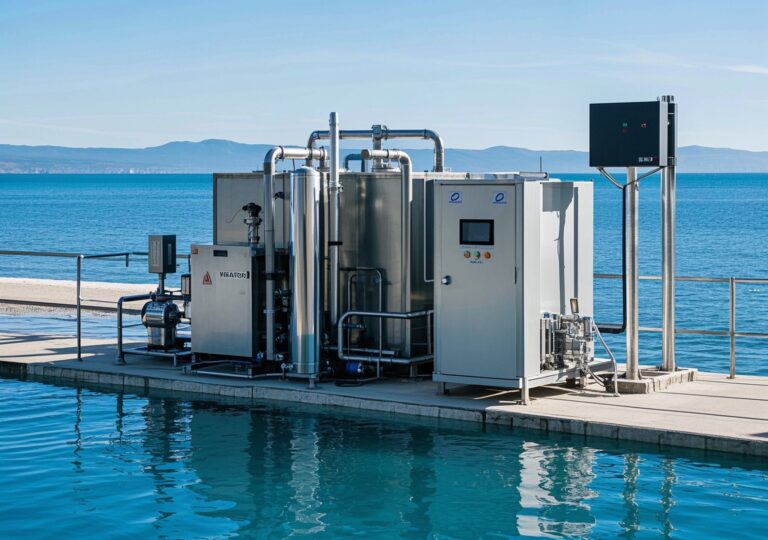
The demand for robust, reliable, and cost-effective water treatment solutions is high across diverse industries, including agriculture, manufacturing, and food processing. These industries require systems capable of handling various raw water sources, from brackish water to seawater desalination – technologies that form the core of Ocpuritech’s product range.
Ocpuritech addresses the specific needs of various customer segments:
- Water treatment equipment wholesalers and agents seeking high-quality components and complete systems.
- Pure water project customers in demanding sectors like urea production, hydrogen production, medical, pharmaceutical, and cosmetics.
- Customers requiring drinking water applications, including RO machines, UF systems, household purifiers, and filling lines.
- Solutions for daily drinking water for schools, government facilities, and hospitals.
- Agricultural applications for plantation farms and animal husbandry.
Water Treatment Standards and Process Integration for Cooling Towers

Adhering to international and local water quality standards is paramount for responsible cooling tower operation. This includes guidelines from organizations like the WHO for drinking water quality and regulations from bodies such as the US EPA’s Safe Drinking Water Act (SDWA), which set benchmarks not only for potable water but also influence industrial discharge limits and makeup water quality expectations. Special attention is given to preventing biohazards like Legionella, often referenced by local environmental regulations and industry best practices (e.g., CTI guidelines).
Optimizing Cooling Tower Process Flows
A well-designed **cooling tower water treatment** process integrates multiple stages seamlessly:
- Pre-treatment Stage: This critical first step involves removing suspended solids, hardness, and organic matter from the makeup water before it enters the cooling loop, safeguarding the entire system downstream.
- Circulating Water Treatment: Once in the tower, continuous chemical dosing, filtration, and biofouling control maintain water quality, preventing the common problems discussed earlier.
- Blowdown Management: Efficient blowdown strategies, coupled with advanced water reuse and recovery technologies (like those offered by Ocpuritech), minimize water consumption and align with environmental protection goals.
- Operational Monitoring and Control: The installation of online sensors, remote monitoring capabilities (such as Ocpuritech’s Remote Control Reverse Osmosis System), and data analytics enables proactive management, allowing for immediate adjustments and optimizing treatment effectiveness.
Customized Solutions and Engineering Design for Cooling Towers

Effective **cooling tower water treatment** is rarely a one-size-fits-all solution. Tailoring solutions for different scales and industries is crucial, whether it’s for small-scale industrial cooling towers or immense power plant cooling systems. Design considerations must also account for various water sources – municipal water, well water, river water, or even recycled industrial water.
Key Engineering Design Principles
At Ocpuritech, our engineering design typically follows these principles:
- Pre-treatment Design: Customizing sand filters, carbon filters, and softeners based on a thorough raw water analysis ensures optimal removal of suspended solids and hardness.
- Main Treatment System Integration: Specifying the right RO, UF, or NF systems for makeup water or side-stream treatment is critical for maintaining desired water quality and maximizing efficiency.
- Dosing System Design: Precision design of chemical dosing pumps and storage is essential for the accurate and safe application of corrosion inhibitors, scale inhibitors, and biocides.
- Monitoring and Control Systems: Implementing advanced PLC/SCADA systems enables automated operation, alarms, and data logging, leveraging Ocpuritech’s expertise in complete water purification equipment for proactive management.
Quality Assurance and Project Management
Our commitment at Ocpuritech extends to:
- Robust design and the use of high-quality components, including filter cartridges, UV systems, FRP tanks, and flow meters.
- Rigorous testing to ensure system reliability and performance.
- Our standardized factories in Guangzhou and Jiangmen, totaling over 10,000 square meters, allow us to provide high-quality and cost-effective solutions efficiently.
- Providing long-term maintenance and technical support to ensure sustained operational excellence.
Case Studies and Benefits of Effective Cooling Tower Water Treatment

Across various industries, implementing effective **cooling tower water treatment** has yielded significant positive impacts. Our experience shows consistent improvements in operational efficiency and equipment longevity.
Illustrative Project Examples (My Observations)
- Case Study 1: Manufacturing Facility Energy Savings. In a project I supported for a manufacturing client, integrating an RO pre-treatment system for makeup water with a precise chemical dosing program resulted in a 15% reduction in energy consumption due to improved heat transfer, and extended the lifespan of their chillers by an estimated 5 years. The initial investment paid for itself within 2.5 years through these savings.
- Case Study 2: Commercial Building HVAC Cost Reduction. For a large commercial building using an HVAC system, we implemented optimized side-stream filtration alongside automated biocide control. This led to a 30% reduction in water consumption—crucial in a region facing increasing water costs—and a 40% decrease in annual maintenance expenses related to coil cleaning and repairs.
- Case Study 3: Water Reuse in a Water-Stressed Region. In a challenging project located in a semi-arid zone, the facility successfully reduced its cooling tower blowdown volume by 70% by implementing advanced water reuse technologies, specifically a membrane bioreactor followed by RO for blowdown recovery. This not only significantly minimized their environmental footprint but also ensured compliance with stringent discharge regulations in an area with growing water scarcity concerns, as highlighted by expert projections for 2025.
Demonstrable Benefits
These case studies highlight the tangible benefits of a well-executed **cooling tower water treatment** program:
- Cost Savings: Significant reductions in water consumption, energy usage due to optimized heat transfer, decreased chemical usage, and lower maintenance costs.
- Extended Equipment Lifespan: Protection against corrosion, scaling, and biofouling directly translates to longer operational life for expensive cooling tower components and associated equipment.
- Improved Operational Reliability: Minimized downtime, reduced emergency repairs, and higher system uptime contribute to seamless industrial operations.
- Environmental Stewardship: Reduced water discharge, improved water footprint, and compliance with increasingly stringent environmental regulations. Concerns such as half the world’s population living in water-stressed areas by 2025 emphasize the urgency of sustainable water practices.
- Enhanced Safety: Effective control of microbial growth minimizes the risk of pathogens like Legionella, ensuring a safer working environment.
At Ocpuritech, our core value proposition is to help customers develop their businesses with high-quality, cost-effective water treatment products that deliver these benefits consistently.
Conclusion and Call to Action
In summary, a comprehensive **cooling tower water treatment** strategy is not merely an operational expense but a critical investment. It ensures optimal efficiency, extends equipment life, and promotes environmental sustainability. By integrating advanced chemical and physical treatment methods, including cutting-edge purification technologies like RO and UF, industries can effectively combat corrosion, scaling, and biofouling, thereby maintaining system integrity and performance.
At Ocpuritech, we draw upon 14 years of experience and a steadfast commitment to safeguarding the environment and providing clean water solutions globally, a vision championed by our owner, Mrs. Carrie Chan. Our extensive product range, spanning from industrial purification systems to household purifiers and spare parts, is manufactured in our two standardized factories, covering over 10,000 square meters. This infrastructure enables us to deliver high-quality, cost-effective water treatment products and solutions trusted by customers worldwide.
We pride ourselves on our sincerity, profound professional and technical experience, and dedication to helping customers across diverse sectors, including agriculture, medical, cosmetics, and bottling. We invite you to engage with Ocpuritech’s experts for customized assessments and solutions tailored to your unique cooling tower needs. Our detailed service process encompasses consultation, system design, installation, and comprehensive after-sales support, ensuring a seamless experience and lasting results.
“We hope everyone in the world can drink clean and pure water produced by our Reverse Osmosis Water treatment system, and we’ll try our best to take the responsibility of protecting our environment.”
FAQ
Q1: What is cooling tower water treatment and why is it important?
Cooling tower water treatment is a set of strategies and technologies used to manage the quality of water circulating in cooling towers. It’s crucial to prevent issues like scaling, corrosion, biofouling, and suspended solids, which can lead to reduced efficiency, equipment damage, increased operational costs, and potential health risks.
Q2: How do cooling towers get contaminated?
Cooling towers get contaminated primarily through the evaporation process, which concentrates dissolved solids in the remaining water. Additionally, airborne debris, microorganisms from the environment, and impurities in the makeup water can introduce contaminants into the system.
Q3: What are the main types of problems encountered in cooling tower water systems?
The main problems are scaling (mineral deposits), corrosion (metal degradation), biofouling (microbial growth leading to slime and blockages), and the accumulation of suspended solids (dirt, silt).
Q4: What are the primary methods for treating cooling tower water?
Primary methods include chemical treatments (corrosion inhibitors, scale inhibitors, biocides) and physical treatments (filtration, softening, advanced membrane technologies like RO and UF for makeup water and side-stream filtration).
Q5: How do corrosion inhibitors protect cooling tower components?
Corrosion inhibitors protect components by forming a protective film on metal surfaces or by passivating the metal, thereby preventing electrochemical reactions that lead to degradation and rust.
Q6: What specific types of filtration are used in cooling tower water treatment?
Common types include sand filters and carbon filters for pretreatment, ultrafiltration (UF) for finer particulate removal, and side-stream filtration for continuous removal of suspended solids from the circulating water.
Q7: Can recycled water be used in cooling towers, and what treatment is required?
Yes, recycled water can be used in cooling towers to reduce fresh water consumption. However, it typically requires extensive treatment, often involving a combination of physical, chemical, and advanced membrane processes like reverse osmosis, to achieve the necessary quality and prevent system fouling.
Q8: How does Ocpuritech’s Remote Control Reverse Osmosis System contribute to cooling tower efficiency?
Ocpuritech’s Remote Control Reverse Osmosis System ensures high-purity makeup water for cooling towers by effectively removing dissolved solids. This significantly reduces scaling potential, minimizes blowdown requirements, conserves water, and ultimately enhances the cooling tower’s overall operational efficiency and lifespan.
Q9: How often should cooling tower water be tested, and what parameters are critical?
Cooling tower water should be tested regularly, often daily or weekly, depending on system size and critical parameters. Critical parameters include pH, conductivity (total dissolved solids), alkalinity, hardness, concentrations of treatment chemicals, and microbial counts.
Q10: What environmental regulations apply to cooling tower blowdown?
Environmental regulations for blowdown typically focus on discharge limits for pollutants like heavy metals, chlorine, and other chemicals. Compliance often requires specific permits and may necessitate blowdown treatment or water reuse strategies to minimize environmental impact.