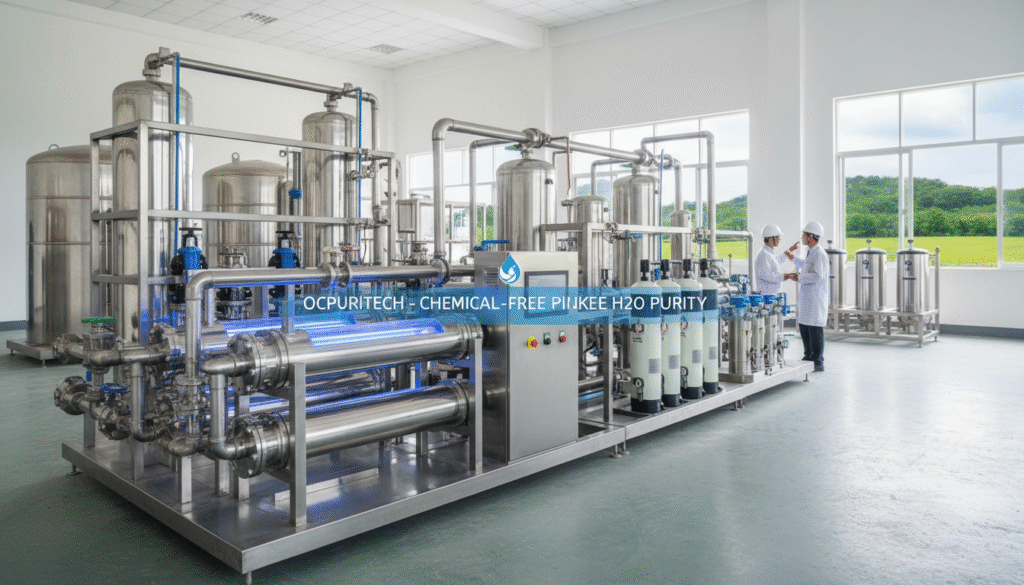
Ensuring access to safe drinking water is a critical global challenge. From municipal supplies to industrial processes, the demand for effective and reliable water purification methods is constantly growing. While traditional chemical disinfection methods like chlorine have been widely used, there’s a significant shift towards chemical-free alternatives due to concerns about byproducts and environmental impact. This article delves into the world of UV water treatment, a powerful, eco-friendly solution that disinfection water without the need for harsh chemicals, offering a new standard for water purity and safety.
1. Introduction to Chemical-Free Water Disinfection
The quest for clean and safe water is more urgent than ever. Around the world, one in four people globally still lack access to safe drinking water, a staggering statistic that underscores the need for advanced purification technologies. Traditional methods often rely on chemicals that can leave residues or alter water taste, prompting a surge in demand for chemical-free disinfection. UV water treatment stands out as a leading solution, using light to neutralize harmful pathogens without introducing any foreign substances into the water. My experience working with various industries has shown a clear trend towards adopting greener technologies, and UV systems are a cornerstone of this movement, offering both efficacy and environmental responsibility.
1.1 The Growing Need for Safe Water and Chemical-Free Solutions
The global water crisis is undeniable. Water scarcity affects more than 40% of the global population, and water-related disasters account for a significant portion of all natural disaster deaths. Furthermore, the United Nations estimates at least 1.7 billion people worldwide drink contaminated water. These alarming figures highlight the critical importance of effective water treatment. Chemical-free solutions like UV disinfection address not only microbial contamination but also public health concerns associated with chemical byproducts. In a recent project for a beverage company, we significantly reduced their reliance on chlorine, improving both water quality and consumer confidence.
1.2 Understanding the Basics of UV Water Treatment
At its core, **uv water treatment** is a physical purification process. It uses ultraviolet (UV) light, specifically UV-C radiation, to inactivate microorganisms. Unlike chemical treatments that kill pathogens, UV disinfection disrupts their DNA and RNA, preventing them from reproducing and rendering them harmless. The process is immediate, requires no contact time, and doesn’t alter the water’s chemical composition, taste, or odor. I often explain to clients that it’s like giving bacteria a “sunburn” so severe they can’t cause harm. This simplicity combined with its effectiveness makes it an incredibly appealing option for diverse applications.
2. How UV Water Treatment Works: Science and Technology

The science behind UV water treatment is elegantly simple yet incredibly powerful. UV-C light, operating at a specific wavelength, strikes the genetic material of microorganisms like bacteria, viruses, and protozoa. This interaction scrambles their DNA and RNA, effectively sterilizing them. This process is instantaneous, meaning water treatment plants can process large volumes of water quickly and efficiently. In my consulting experience, I’ve seen how critical this rapid disinfection is for high-flow industrial applications, ensuring continuous supply of pathogen-free water without bottlenecks. It’s a testament to how advanced technology can provide clean water solutions without complex chemical management.
2.1 The Germicidal Power of UV-C Light
The specific wavelength range of 200-280 nanometers, known as UV-C, is dubbed the “germicidal spectrum.” Within this range, 254 nm is particularly effective at disrupting microbial nucleic acids. This precisely targeted energy prevents organisms from replicating, meaning they can no longer cause infection or disease. This mechanism is why **uv water treatment** is so effective against a broad spectrum of pathogens, including chlorine-resistant cysts like Cryptosporidium and Giardia. I once oversaw the installation of a UV system in a remote village, and the immediate improvement in waterborne disease rates was a powerful demonstration of this germicidal power.
2.2 Components of a UV Disinfection System

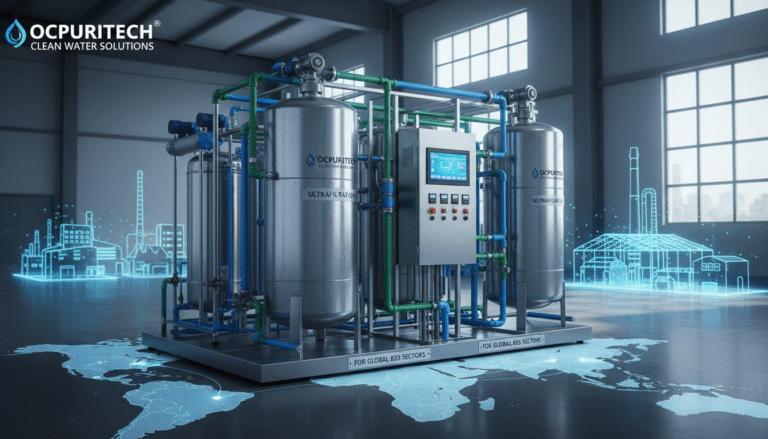
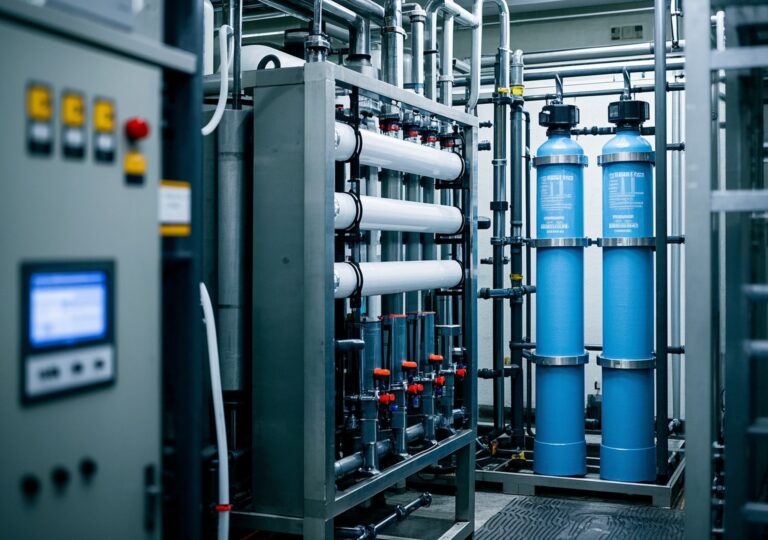
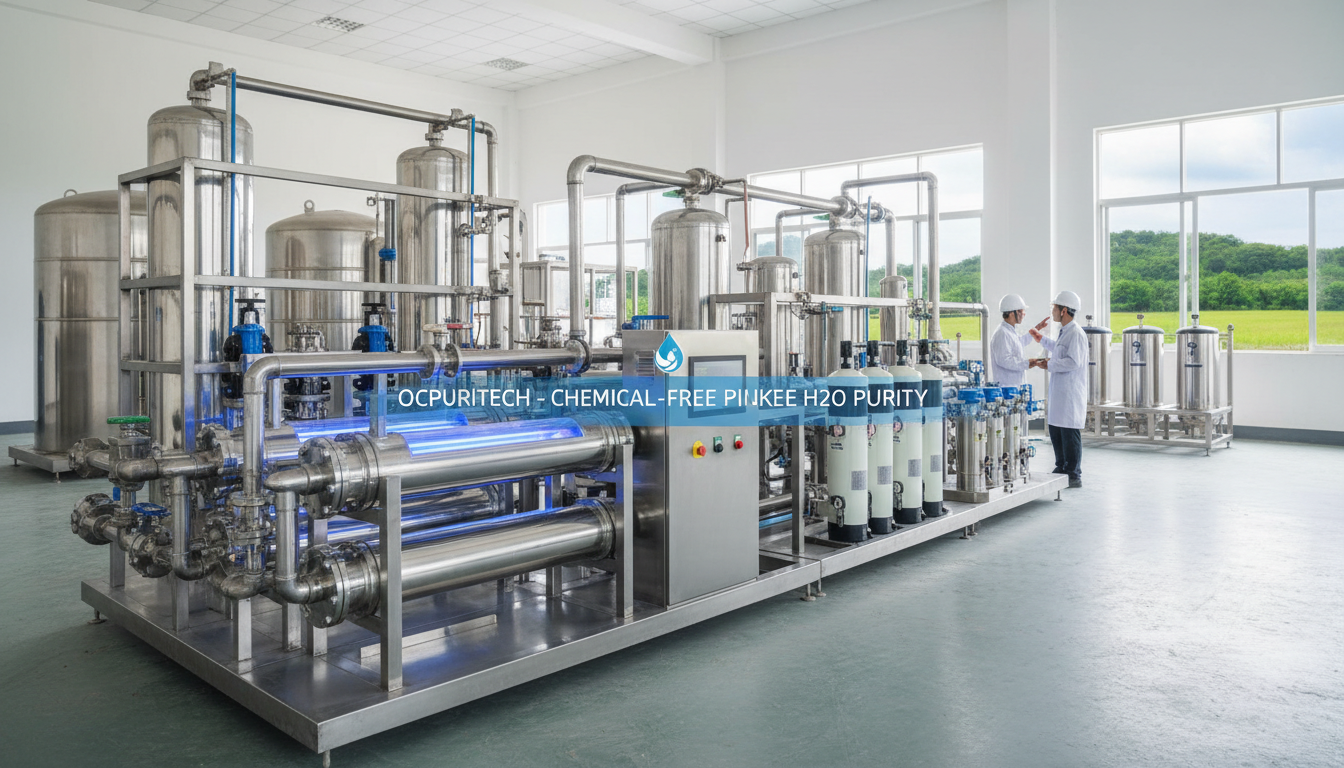
A typical UV disinfection system comprises several key components. The heart of the system is the UV lamp, encased in a quartz sleeve to protect it from the water while allowing UV light to pass through. These are housed within a stainless steel reaction chamber, through which the water flows. An electronic ballast powers the lamp, and a control panel monitors its operation, often including a UV sensor to measure lamp intensity. Some systems also include flow sensors and automatic cleaning mechanisms. Understanding these components is crucial for proper maintenance and optimal performance. For example, ensuring the quartz sleeve is clean is paramount; even a thin film of dirt can significantly reduce UV efficacy.
3. Key Advantages of UV Water Treatment

The advantages of **uv water treatment** are numerous and make it a highly desirable option for a wide range of applications. From eliminating harmful pathogens to its environmental benefits and cost-effectiveness, UV disinfection stands out. My clients frequently point to the peace of mind that comes with knowing their water is disinfected without the use of harsh chemicals. It’s a technology that aligns perfectly with modern demands for safety, efficiency, and sustainability. The global water treatment market is projected to grow significantly, reaching USD 146.7 billion by 2035, with technologies like UV playing a crucial role in this expansion.
3.1 Eliminating Harmful Microorganisms Without Chemicals
The primary advantage of UV water treatment is its ability to effectively eliminate up to 99.99% of bacteria, viruses, and parasites without the introduction of chemicals. This chemical-free approach means no disinfection byproducts (DBPs), no altered taste or odor, and no chemical storage or handling hazards. For medical facilities and food processing plants, this level of purity is non-negotiable. I recall a dairy client who switched from chemical disinfection to UV; not only did they eliminate the need for dangerous chemical storage, but they also noted a consistent improvement in their product quality due to the removal of residual chemical tastes.
3.2 Environmental and Health Benefits of UV
Beyond immediate disinfection, UV systems offer significant environmental and health benefits. By avoiding chemicals, they prevent their release into the environment, protecting aquatic ecosystems. For human health, the absence of chemical byproducts—some of which are carcinogenic—is a major plus. It provides a safer water source for drinking, cooking, and bathing. Furthermore, the compact footprint of many UV systems means less physical space is required compared to chemical treatment setups, contributing to overall resource efficiency. These factors are increasingly important to consumers and regulators alike, driving the adoption of sustainable solutions.
3.3 Cost-Effectiveness and Low Maintenance
While there’s an initial investment, the long-term cost-effectiveness of UV water treatment is compelling. Operating costs are primarily limited to electricity and periodic lamp replacement (typically annually). Compared to the ongoing expense of chemical purchases, storage, and specialized handling, UV often proves more economical over its lifespan. Maintenance is relatively simple, usually involving cleaning the quartz sleeve and replacing lamps. In one case, a commercial building significantly reduced its operational expenditure on water treatment within two years of installing a UV system, demonstrating impressive ROI.
4. Applications of UV Water Treatment Across Industries

The versatility of **uv water treatment** extends its application across a vast array of industries. From ensuring safe drinking water in homes to sterilizing process water in critical manufacturing environments, UV technology proves invaluable. Its efficacy, combined with the chemical-free aspect, makes it suitable for sensitive applications where water purity is paramount. My work has involved implementing UV systems in scenarios as diverse as municipal water plants and pharmaceutical production facilities, each with unique requirements but a common need for reliable disinfection. This broad applicability highlights UV’s role as a foundational technology for modern water management.
4.1 Commercial and Industrial Uses of UV Disinfection

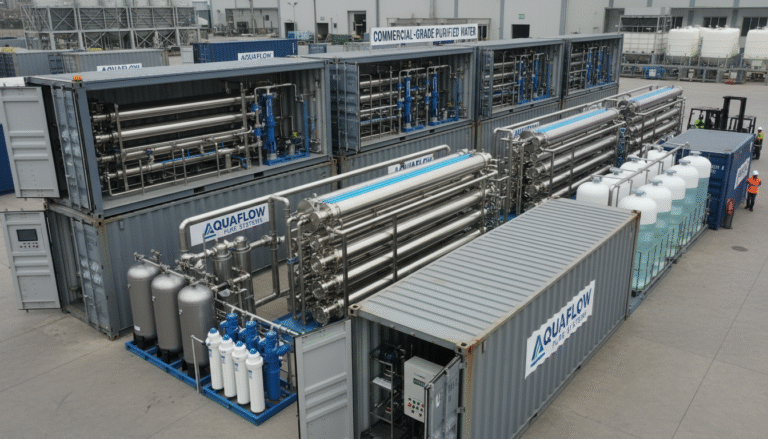
In the commercial and industrial sectors, UV disinfection is employed across numerous applications. This includes food and beverage processing, where sterile water is essential for product quality and safety; pharmaceuticals, where ultra-pure water is a critical ingredient; healthcare facilities, for infection control; and even aquaculture, to prevent disease spread in fish farms. For instance, in a pharmaceutical plant, I designed a system where UV disinfection was the final step before water contact with sensitive compounds, ensuring compliance with stringent purity standards. The ability of UV to handle high flow rates and continuous operation makes it ideal for these demanding environments.
4.2 Integration with Other Water Purification Systems

UV systems are often not standalone solutions but are integrated as a critical component within a broader water treatment train. They commonly follow filtration systems (like sand filters or carbon filters) and can precede or follow advanced purification technologies like reverse osmosis (RO). For example, RO systems remove up to 99% of contaminants, and industrial and commercial RO systems are key for high-purity water. UV acts as an excellent final disinfection step for water that has already been significantly treated, ensuring any residual microbial load is inactivated just before use. This multi-barrier approach provides the highest level of water security.
5. Selecting the Right UV Water Treatment System

Choosing the correct **uv water treatment** system for a specific application requires careful consideration of several factors. It’s not a one-size-fits-all solution, and an incorrectly sized or specified system can lead to insufficient disinfection. My role as an expert often involves guiding clients through this selection process, emphasizing that understanding their unique water quality and usage needs is paramount. This personalized approach ensures not only effective treatment but also optimal system longevity and operational efficiency.
5.1 Factors to Consider: Flow Rate, UV Dose, and Water Quality
Several technical parameters dictate the efficacy of a UV system. The target flow rate of water determines the system size and number of lamps. UV dose, measured in mJ/cm², specifies the amount of UV energy needed to inactivate specific pathogens; different microorganisms require different doses. Crucially, water quality parameters like turbidity, suspended solids, and UV transmittance (how well UV light passes through the water) must be assessed. Water that is too murky can shield pathogens from UV light. For example, a client with high natural organic matter in their well water required pre-filtration to improve UV transmittance before effective disinfection could occur.
5.2 Benefits of Partnering with Experienced Providers like Ocpuritech
Partnering with an experienced provider like Ocpuritech is vital for successful UV system implementation. These experts offer comprehensive services, from initial water analysis and system design to installation, commissioning, and ongoing support. Their in-depth knowledge ensures the system is correctly sized and configured for your specific needs, maximizing efficiency and reliability. Choosing a reputable provider minimizes risks, optimizes performance, and provides peace of mind, knowing your water disinfection is in capable hands. I’ve seen firsthand how a well-designed system, backed by expert support, vastly outperforms generic solutions.
6. Real-World Impact and Customer Value
The real impact of **uv water treatment** is best understood through the tangible benefits it delivers to users across the globe. It’s about more than just technology; it’s about safeguarding health, enabling industries, and contributing to a more sustainable future. The value it provides to customers, whether individuals, businesses, or municipalities, is immense and far-reaching. My experience has repeatedly shown that investing in reliable UV solutions translates directly into improved quality of life and operational success.
6.1 Solving Water Challenges with Reliable UV Solutions
UV solutions have proven instrumental in tackling diverse water challenges. For instance, remote communities lacking access to centralized treatment can deploy compact UV systems for safe drinking water. Industries requiring ultrapure water for sensitive processes rely on UV to maintain stringent quality. In my career, I’ve seen UV used to disinfect recycled water for irrigation, dramatically reducing reliance on fresh water sources and promoting sustainability. These real-world applications underscore UV’s adaptability and effectiveness as a cornerstone of modern water management.
6.2 Ocpuritech’s Commitment to Global Water Purity
Companies like Ocpuritech are at the forefront of providing innovative UV water treatment solutions. Their commitment to research, development, and stringent quality control ensures that their systems meet the highest standards of efficacy and reliability. By focusing on customer needs and continuously advancing their technology, they play a crucial role in enhancing global water purity. Their dedication contributes significantly to mitigating the challenges outlined by organizations like the WHO and UNICEF, helping more people gain access to safe and clean water.
7. Conclusion: Embracing Chemical-Free Water Disinfection
As the demand for safe and sustainable water solutions continues to grow, **uv water treatment** clearly stands out as a superior chemical-free disinfection method. Its ability to effectively neutralize harmful microorganisms without altering water chemistry, combined with its environmental and cost benefits, makes it an indispensable technology. From household applications to complex industrial processes, UV systems offer a reliable, efficient, and environmentally friendly approach to water purification. Embracing this technology is not just about adopting a new method; it’s about committing to a future where clean, safe water is accessible to all, upholding public health and environmental stewardship.
Frequently Asked Questions About UV Water Treatment for Chemical-Free Water Disinfection
Q1: What is UV water treatment in chemical-free water disinfection?
UV water treatment is a physical process that uses ultraviolet light, especially UV-C radiation, to deactivate harmful microorganisms in water without adding chemicals, ensuring safe and clean drinking water.
Q2: How does UV water treatment effectively disinfect water without chemicals?
UV-C light at wavelengths between 200-280 nm penetrates microorganisms' DNA and RNA, disrupting their genetic material. This prevents them from reproducing and causing infection, all without altering water's taste or chemistry.
Q3: What are the main components of a typical UV water disinfection system?
A UV system consists of a UV lamp protected by a quartz sleeve, housed within a stainless steel chamber. It also includes an electronic ballast to power the lamp and control panels with sensors to monitor lamp intensity and water flow, ensuring effective treatment.
Q4: How can I select the right UV water treatment system for my water purification needs?
Selecting the proper UV system involves evaluating water flow rate, required UV dose for pathogen inactivation, and water quality factors like turbidity and UV transmittance. Pre-filtration may be needed if water is too murky to ensure optimal UV penetration.
Q5: Why is UV water treatment considered more environmentally friendly than chemical disinfection methods?
UV treatment avoids chemical use, eliminating harmful disinfection byproducts that can damage aquatic ecosystems and pose health risks. It reduces chemical storage and handling hazards, promoting a safer and more sustainable water purification process.
Q6: What advantages does UV water treatment offer in commercial and industrial water purification?
UV treatment provides rapid, chemical-free disinfection suitable for high flow rates. It's vital for industries like food processing, pharmaceuticals, and healthcare by assuring sterile water without altering its quality, supporting both safety and regulatory compliance.
Q7: How does UV water treatment integrate with other water purification technologies?
UV systems often complement filtration and reverse osmosis units, serving as a final disinfection step that inactivates residual microorganisms after contaminants are removed, creating a multi-barrier system for maximum water safety.
Q8: What maintenance is required to keep a UV water treatment system functioning effectively?
Regular maintenance includes cleaning the quartz sleeve to remove deposits that block UV light and replacing UV lamps typically once a year. Monitoring system sensors ensures consistent UV intensity and optimal microbial inactivation.
Q9: Why is chemical-free disinfection gaining popularity compared to traditional chlorine methods?
Chemical-free methods like UV eliminate concerns about harmful byproducts, unpleasant tastes, and chemical storage hazards. They offer safe, fast, and eco-friendly water treatment, aligning with increasing environmental awareness and health standards.
Q10: What impact does UV water treatment have on global water safety and sustainability?
UV technology enhances access to safe drinking water by efficiently neutralizing pathogens without chemicals. Its broad application supports resource conservation, reduces health risks, and helps address global water scarcity and contamination challenges sustainably.