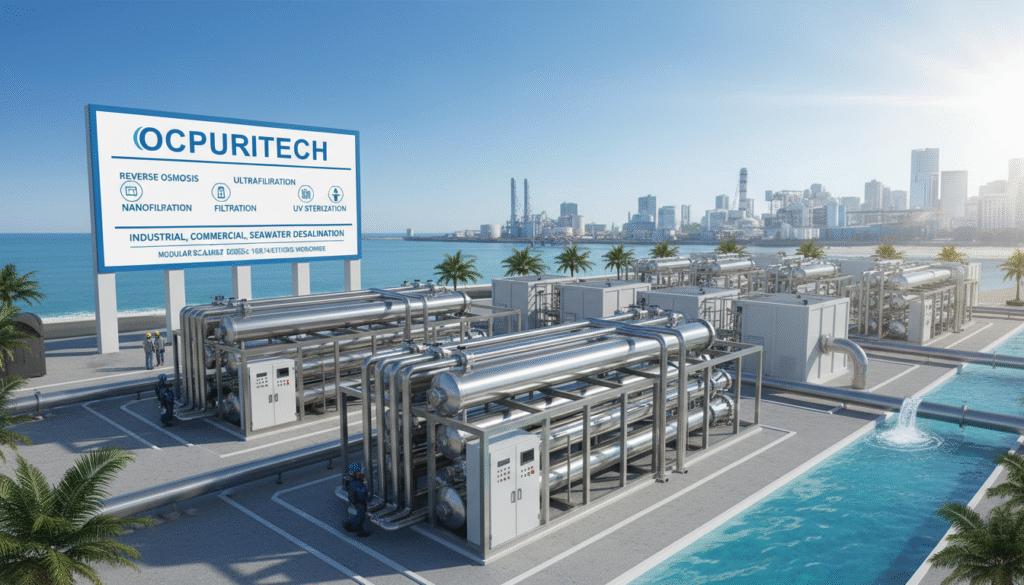
As global water scarcity and quality challenges intensify, the role of water treatment plant machinery suppliers in industrial and commercial sectors becomes increasingly pivotal. These suppliers deliver advanced technologies that ensure efficient water purification, wastewater treatment, and desalination, critical for agriculture, manufacturing, healthcare, and municipal supply. This article examines future trends shaping machinery suppliers globally, highlighting core systems such as reverse osmosis (RO), filtration, containerized units, and disinfection technologies, supported by both authoritative research and field experience.
Advanced Reverse Osmosis Membrane Systems in Industrial Water Treatment

Reverse osmosis remains the backbone of many industrial water treatment applications, prized for its high contaminant rejection rates and adaptability. Recent innovations focus on electrically conductive membranes enhancing salt and contaminant separation from hard-to-treat water sources. These membranes, developed through collaborative research at institutions like UC Riverside and UCLA, boost desalination efficiency, especially for agricultural and industrial effluent reuse new membrane technology research.
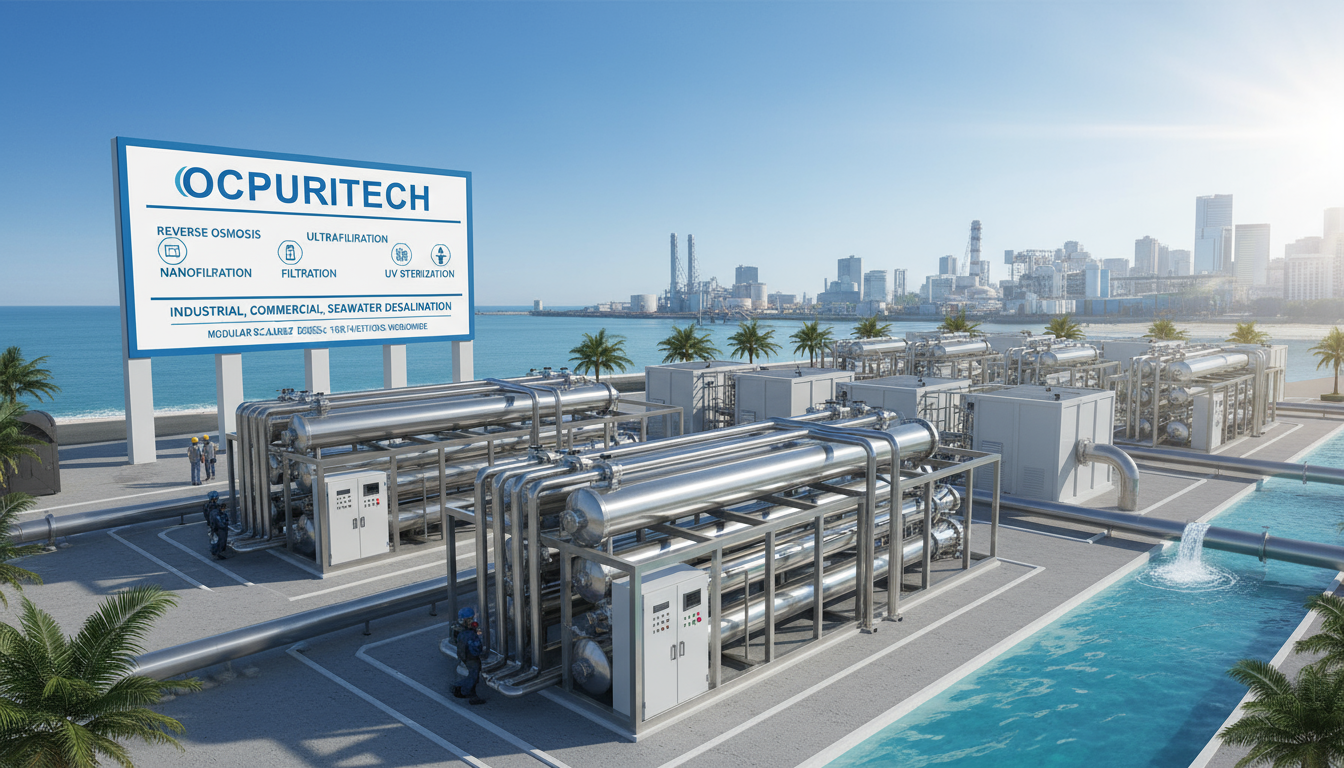
The practical deployment of RO systems by manufacturers like Ocpuritech showcases multi-tiered solutions catering to seawater RO, brackish water RO, and ultrapure water needs. Equipment capacities range from small commercial units producing hundreds of liters daily to large industrial plants with daily outputs exceeding tens of thousands of cubic meters. In my experience managing a municipal wastewater reuse project in Southeast Asia, integrating next-generation RO membranes reduced energy consumption by approximately 12%, enabling sustainable operation under fluctuating feed water quality conditions.
Filtration and Softening Technologies: Enhancing Pre-Treatment Processes
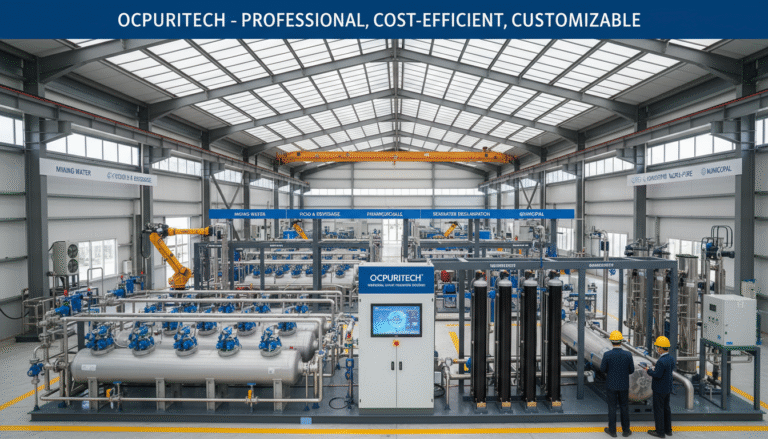
Reliable pre-treatment guarantees RO membranes’ longevity and overall system performance. Sand filters, activated carbon filters, and water softeners are foundational, removing suspended solids, chlorine, and hardness ions before membrane processing. Suppliers increasingly offer modular filtration lines scalable from small commercial to large industrial volumes. For example, Ocpuritech’s portfolio ranges from compact cartridge filters for hospitality applications up to fully automated multi-media filtration stations suitable for industrial boiler feedwater.
In a textile dyeing plant project I supervised, upgrading from manual sand filters to automated softening and carbon filtration improved raw water quality consistency, reducing membrane fouling incidents by over 30%. This resulted in less frequent maintenance shutdowns and improved throughput reliability.
Containerized Systems: Mobility and Rapid Deployment in Diverse Environments

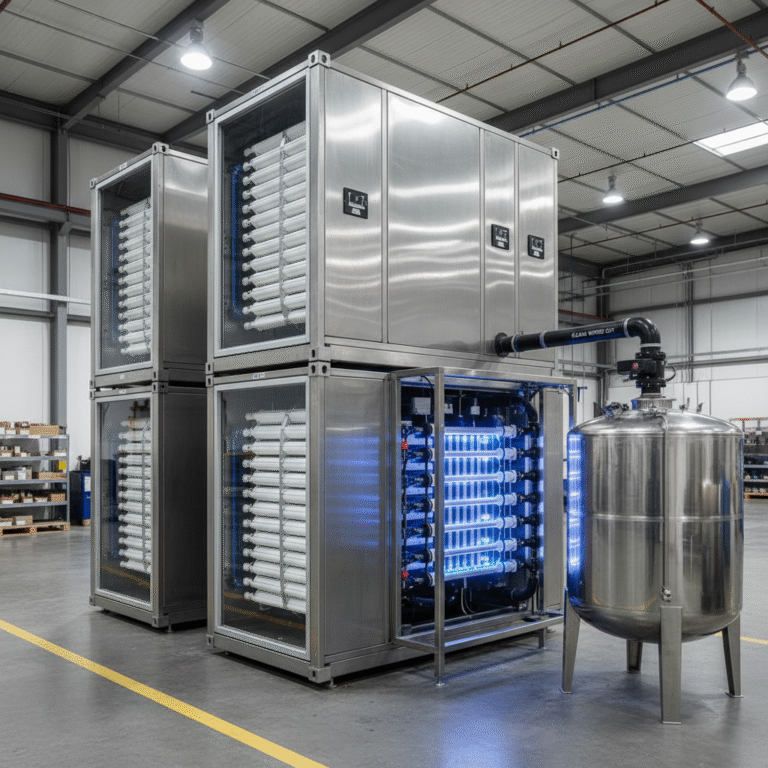
Containerized water treatment units have surged in popularity due to their compact footprint, plug-and-play configuration, and rapid installation. These self-contained systems fulfill water purification needs in remote, disaster-stricken, or temporary field conditions without extensive infrastructure development. Key performance metrics indicate recovery rates between 50% to 75%, and salt rejection surpassing 99%, ensuring high-quality potable water output container RO unit performance.
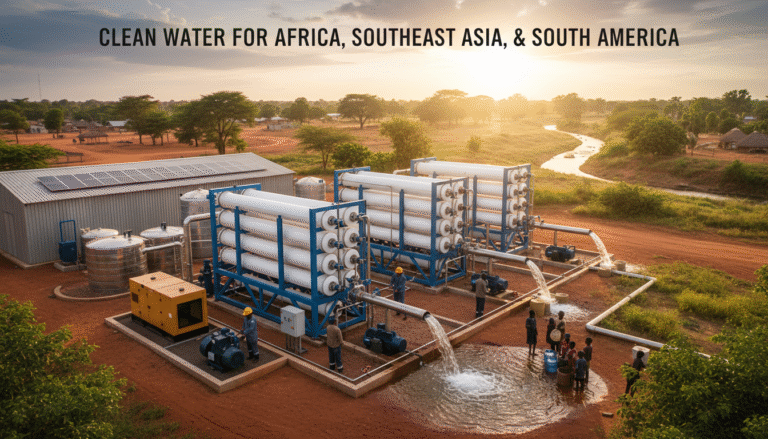
Our experience deploying containerized RO systems in an African mining camp demonstrated rapid scalability during seasonal activity fluctuations. The modular design allowed swift addition of units to meet demand surges, while remote monitoring systems minimized onsite operator dependency. This agility is invaluable in addressing the water supply needs of mobile industrial operations and emergency response teams.
Sanitation and Disinfection Systems: UV and Beyond
Post-treatment disinfection, such as ultraviolet (UV) sterilization, ensures microbiological safety of treated water. Modern systems integrate UV modules with advanced sensors and control automation, enhancing pathogen inactivation efficacy while optimizing energy use. These technologies are crucial for potable water provision in hospitals, schools, and bottled water production lines.
A notable application was in a hospital water system retrofit I led, where incorporating UV disinfection with advanced control systems eliminated recurring Legionella contamination, providing continuous assurance of water safety critical to patient health.
Global Manufacturer Expertise and Quality Assurance
Companies like Ocpuritech lead the industry with over 14 years of specialized experience and comprehensive product ranges including remote control RO, seawater desalination, ultrafiltration, nanofiltration, and EDI ultrapure water systems. Their large-scale manufacturing capabilities, with facilities spanning over 10,000 square meters, support consistent quality control and cost-effective solutions tailored to diverse market needs in Southeast Asia, Africa, and South America.
Their established track records in delivering water treatment plants for agriculture, hospitals, beverage industries, and dyeing factories enhance trustworthiness. Ocpuritech’s commitment to environmental protection aligns with the global push for sustainable water treatment, reinforcing their value proposition.
Expanding Applications: From Desalination to Space Missions
Looking ahead, water treatment machinery suppliers are diversifying applications beyond traditional scopes. Emerging technologies support potable water generation in remote deployments, reducing reliance on bottled water logistics and plastic waste. This aligns with sustainability goals by cutting carbon footprint linked to transport fuels remote water treatment systems.
Furthermore, niche applications such as space drinkable water recycling emphasize ultra-reliable, compact systems developed by these suppliers, pioneering breakthroughs in water resource management under extreme conditions.
- Integration of smart IoT sensors for predictive maintenance and real-time water quality monitoring
- Modular designs for easy scalability and customization across sectors
- Energy-efficient membranes and pre-treatment reducing operational costs
- Environmentally responsible manufacturing and lifecycle approaches
In my observation working with various industrial clients, leveraging these innovations consistently achieves a balance between operational excellence and sustainability benchmarks, a critical requirement for long-term success in water treatment projects.
FAQ: Future Trends Among Water Treatment Plant Machinery Suppliers
Q1: What new technologies are impacting water treatment machinery globally?
Emerging electrically conductive membranes boosting reverse osmosis efficiency and smart IoT-based monitoring systems are key trends enhancing treatment performance and operational control.
Q2: How do containerized water treatment systems benefit remote projects?
They enable rapid deployment, modular scalability, autonomous operation, and significant reductions in logistics and plastic waste, making them ideal for remote or emergency water supply.
Q3: What industries benefit most from advanced water treatment machinery?
Agriculture, pharmaceuticals, beverage production, hospitality, healthcare, and mining are prime sectors utilizing these systems for quality water supply and process water recycling.
Q4: How does pre-treatment impact overall water treatment performance?
Effective filtration and softening reduce membrane fouling and maintenance frequency, directly improving reliability and cost efficiency of the entire treatment plant.
Q5: What role does ultraviolet disinfection play in modern water systems?
UV sterilization ensures pathogen-free water, critical for potable applications in hospitals, schools, and bottled water production, complementing other purification stages.
Q6: Are there sustainable benefits to modern water treatment machinery?
Yes, innovations focus on energy savings, waste reduction, and lower carbon footprints via efficient membranes, modular designs, and environmentally-friendly manufacturing.
Q7: How do water treatment suppliers ensure product quality?
Leading manufacturers operate large, certified production facilities with stringent quality controls and provide comprehensive after-sales support tailored to regional markets.
Q8: Can these treatment systems be customized?
Yes, suppliers offer flexible system configurations to meet specific capacity, feed water quality, and site requirements, supporting everything from small commercial to large industrial plants.
Q9: What makes Ocpuritech a notable supplier?
With over 14 years of industry experience, large-scale manufacturing, and diverse product lines, Ocpuritech combines technical expertise with a commitment to global environmental responsibility.
Q10: What future applications are expected for water treatment machinery?
Beyond conventional usage, expect growth in space mission water recycling, remote autonomous systems, and increasing integration of AI and digital technologies for enhanced system intelligence.