Introduction: The Strategic Role of Reverse Osmosis Water Filtration Systems in Modern Water Treatment
In today’s world, where industrial growth and urbanization rapidly increase water demand, the significance of advanced water treatment technologies cannot be overstated. Among these, reverse osmosis water filtration systems have emerged as a cornerstone technology, especially in industrial and marine water treatment sectors. Enterprises specializing in these systems have cultivated deep expertise, driving innovation and delivering solutions that meet stringent purity and operational reliability requirements for both local and offshore applications.
Product Overview: Core Technologies and System Variants
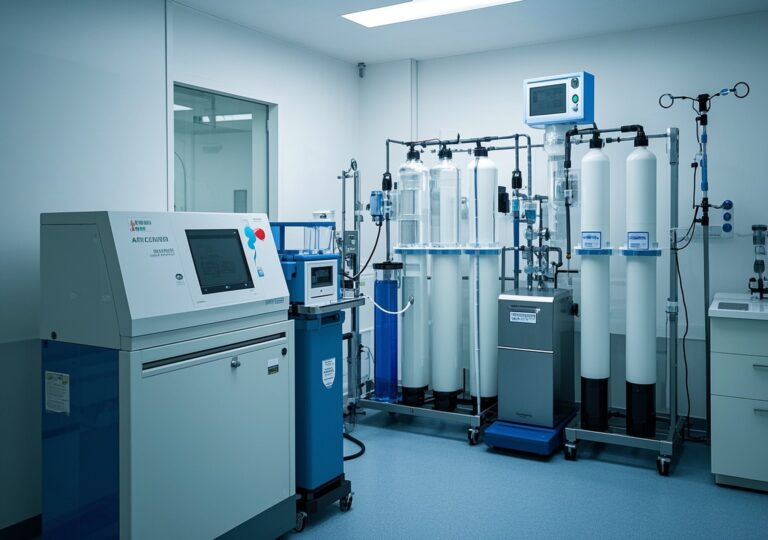
Reverse osmosis water filtration systems primarily consist of membrane filtration units that utilize a semipermeable membrane to separate contaminants from water under pressure. These systems typically incorporate multiple stages:
- Pre-treatment filtration to remove particulates and reduce fouling potential.
- Reverse osmosis membranes that filter out dissolved salts, organic molecules, and microorganisms.
- Post-treatment processes such as UV sterilization or chemical dosing to ensure final water quality.
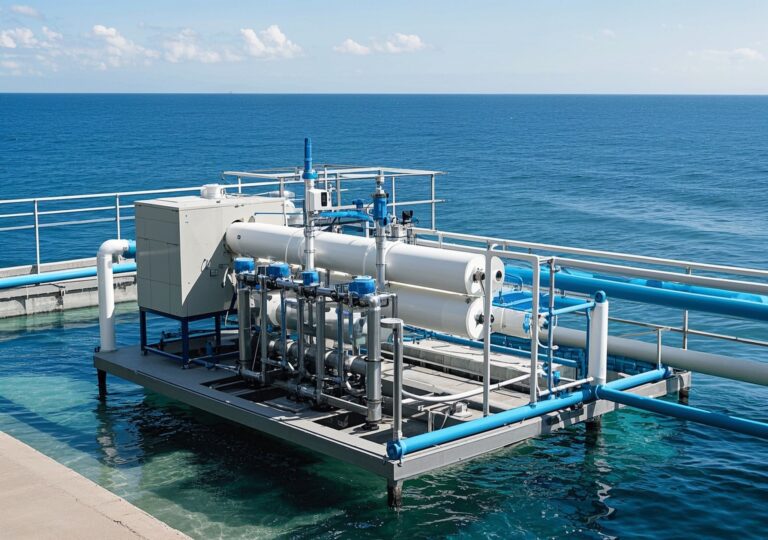
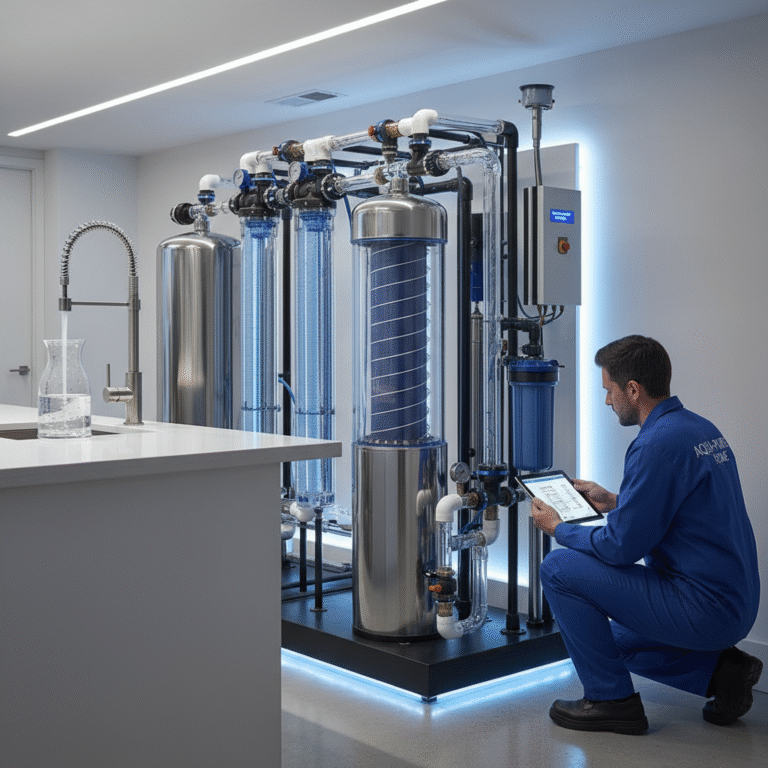
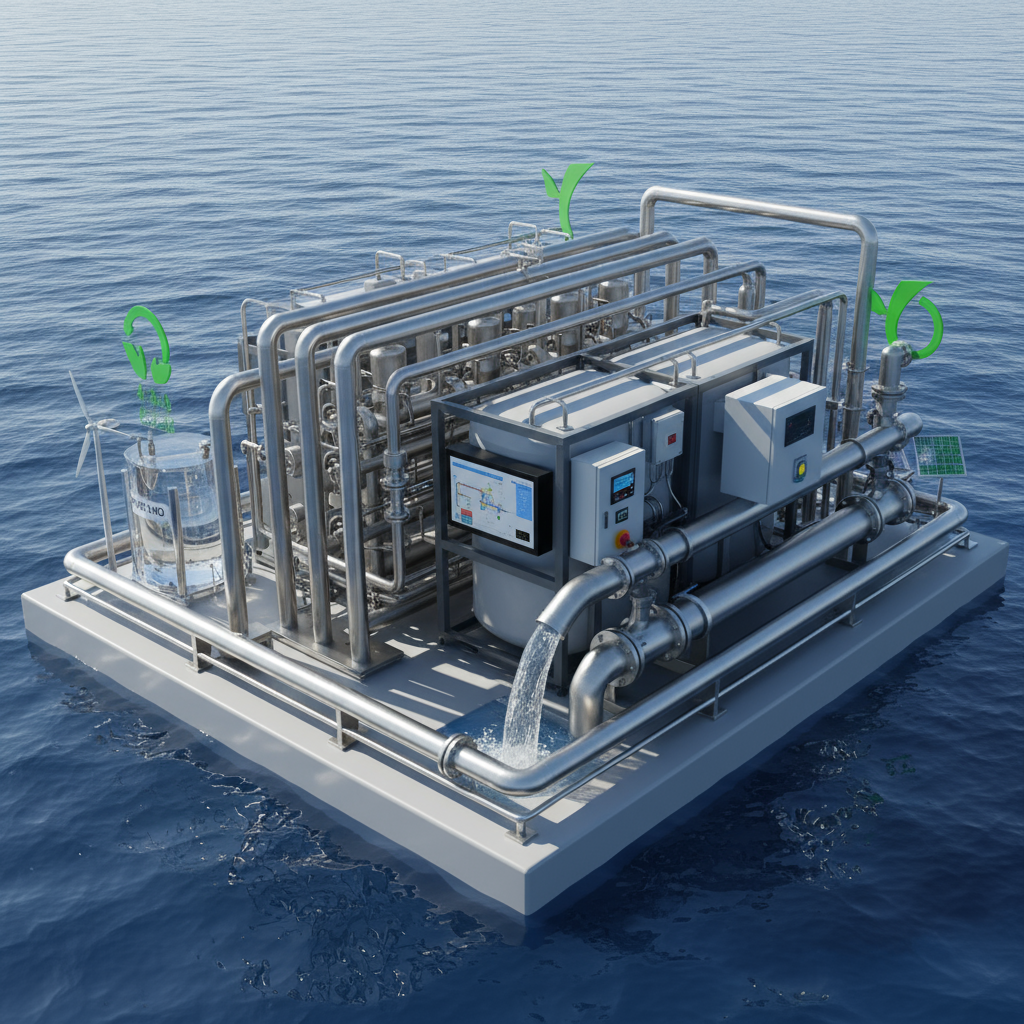
Technological variants include small-scale units designed with power consumption from 1kW to 30kW, suitable for residential or light commercial use, up to containerized systems that integrate all process units in compact, modular designs optimized for easy transport and rapid deployment in remote sea or land locations. Such modular systems also support customizable power configurations to match site-specific requirements.
Seawater Desalination: Application and Performance Insight
The application of reverse osmosis water filtration systems in seawater desalination has revolutionized access to potable water from saline sources. Key performance metrics include:
- High salt rejection rates exceeding 99%, ensuring operational water meets stringent drinking standards.
- Energy efficiency measured in kWh/m³ of desalinated water, with modern systems achieving notable reductions in specific energy consumption.
- Automated control and monitoring capabilities that optimize membrane lifespan and system uptime.
Through continuous process refinement and membrane technology advances, these systems deliver reliable, cost-effective desalination solutions supporting municipal, industrial, and marine needs alike.
Global Water Resource Context and Strategic Imperatives
Water scarcity has escalated into a global crisis. According to recent assessments, over two billion people lack reliable access to safe drinking water, intensifying demand for alternative freshwater sources. The strategic adoption of seawater desalination technologies, underpinned by reverse osmosis water filtration systems, is thus imperative to bridge this supply-demand gap. Technological progress has made desalination increasingly viable, presenting a sustainable complement to traditional water sourcing, especially in arid regions and coastal metropolitan areas.
Technological Innovations Driving System Advancements
Next-generation reverse osmosis water filtration systems feature multiple innovation focal points:
- Enhanced membrane materials with improved fouling resistance and higher permeate flux, allowing increased throughput.
- Energy recovery devices that capture pressure energy from brine discharge, significantly improving overall energy efficiency.
- Compact integrated designs incorporating real-time diagnostics and predictive maintenance algorithms to preempt system failures.
For instance, in a recent deployment serving an offshore platform, upgrading to advanced membranes coupled with energy recovery units resulted in a 25% energy consumption reduction and extended membrane service life by 30%, substantially lowering operating costs.
Scientific Principles Behind Seawater Desalination Systems
The desalination process via reverse osmosis water filtration systems encompasses three primary stages:
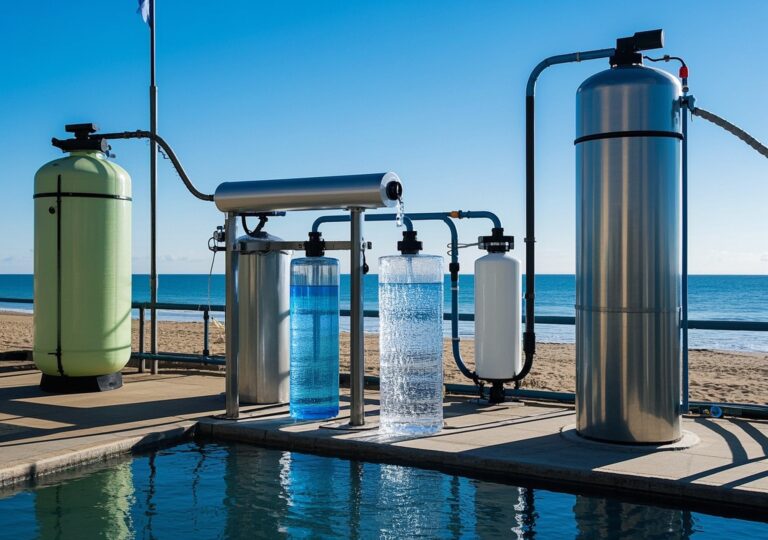
- Pre-treatment: Removal of suspended solids, microorganisms, and chlorine which can damage membranes—often achieved using multimedia filters, activated carbon, and chemical dosing.
- Reverse Osmosis Filtration: Pressurizing seawater to force it through membranes that reject dissolved salts and impurities, producing purified water on the permeate side.
- Post-treatment: Conditioning permeate water for end use, including pH adjustment and disinfection to ensure regulatory compliance and consumer safety.
Core to this technology is the membrane element, categorized by design (spiral wound, hollow fibre) and material (polyamide thin-film composite), which determines filtration efficacy and operational stability under varying feedwater conditions.
Expanding Application Scenarios: From Yachts to Offshore Platforms
Beyond traditional municipal and industrial settings, reverse osmosis water filtration systems are uniquely adaptable to diverse and challenging environments. Examples include:
- Marine yachts: Compact desalination units enable extended voyages by producing fresh water on-board, minimizing dependency on port supplies.
- Offshore oil and gas platforms: Robust containerized systems provide reliable and continuous freshwater supply critical for worker safety and process needs.
- Harsh environment installations: Systems engineered with corrosion-resistant materials and advanced controls operate efficiently despite fluctuating feedwater quality and climate stresses.
Customization capabilities allow tailoring system capacity, power source integration, and automation level to fit each scenario’s unique requirements.
Compliance with International Standards and Regulatory Frameworks
Manufacturers of reverse osmosis water filtration systems prioritize compliance with global maritime, environmental, and drinking water standards. Certifications and quality protocols maintained include ISO 9001 for quality management, NSF/ANSI 61 for drinking water system components, and compliance with IMO regulations for offshore installations. Such adherence ensures that delivered systems consistently meet safety, performance, and environmental stewardship criteria demanded by end-users and regulators.
Sustainability and Environmental Responsibility
Embracing sustainable practices is integral to modern desalination technology development. Focus areas include:
- Energy-efficient designs utilizing variable frequency drives and energy recovery devices to reduce carbon footprint.
- Zero liquid discharge (ZLD) and brine management technologies minimizing environmental impact by recovering valuable minerals or diluting discharge streams.
- Integration with renewables such as solar or wind power to drive system operations, enhancing energy independence and sustainability profile.
These advancements underscore a commitment to minimizing water treatment’s ecological footprint while maximizing resource utilization.
Company Capabilities and After-Sales Support
Leading enterprises in this sector combine extensive manufacturing expertise with comprehensive product portfolios spanning from compact domestic units to large-scale containerized systems. They offer tailored solutions engineered to client specifications, backed by global service networks providing installation, maintenance, troubleshooting, and spare parts logistics—helping customers maximize system uptime and lifecycle value.
Conclusion: Leadership in Innovation and Environmental Stewardship
Reverse osmosis water filtration systems represent a transformative technology addressing acute water scarcity through seawater desalination. Industry pioneers showcase unmatched expertise in advancing membrane technology, system integration, and sustainable operations. Taking into account the global water crisis and tightening environmental standards, the deployment of these solutions is not only a tactical response but also a long-term strategic imperative.
For stakeholders seeking resilient, efficient, and eco-conscious water treatment solutions, engaging with experienced system providers is crucial. Such partnerships enable leveraging advanced technology to secure freshwater supplies essential for communities, industries, and marine endeavors worldwide.
If you are interested in exploring tailored reverse osmosis water filtration systems that fit your specific needs or want to learn more about the latest in desalination technologies, professional consultation can provide guidance and support for optimal project outcomes.
References
- Industry Reports on Water Purification and Desalination Technologies, Global Water Intelligence
- Research on Membrane Technology Developments and Energy Recovery in Reverse Osmosis, Journal of Membrane Science
- Global Water Scarcity and Desalination Market Analysis, International Water Association Publications