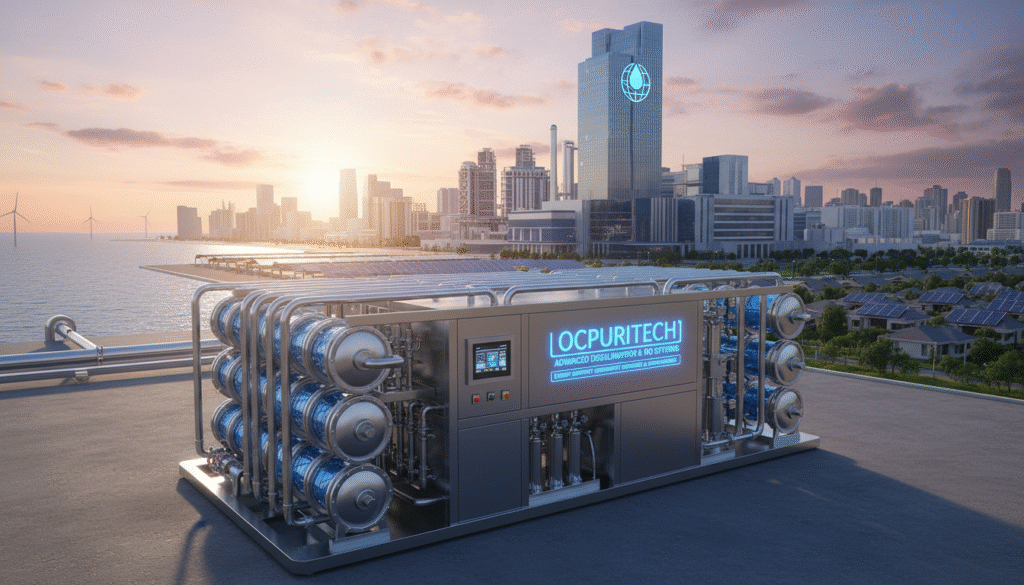
The journey from raw source water to crystal-clear, safe drinking water is a complex yet crucial one, orchestrated by what we know as a water treatment plant. These facilities are the unsung heroes of public health and industrial operations worldwide, ensuring that the water flowing from our taps, used in our factories, or irrigating our crops is free from contaminants and harmful pathogens. In this deep dive, we’ll explore the intricate processes, pioneering technologies, and the sheer dedication behind converting raw water into a life-sustaining resource.
Globally, over 4 billion people could face water scarcity, underscoring the critical need for advanced water treatment. The renewability of water per person has plunged 7% in a decade, highlighting intensifying pressure on freshwater resources as demand rises significantly in regions grappling with scarcity.
For over 14 years, my team at Ocpuritech has been at the forefront of this mission, designing and implementing industrial, commercial, and household water purification solutions from our two standardized factories spanning over 10,000 square meters in Guangzhou and Jiangmen. We’ve seen firsthand the increasing global demand for effective water treatment as populations grow and environmental challenges become more pronounced. Our expertise covers everything from remote control RO systems and brackish water RO to advanced seawater desalination plants, ensuring clean water is accessible wherever it’s needed.
1. Introduction to Water Treatment Plants
1.1 The Crucial Role of Water in Modern Society
Water is not just a resource; it’s the foundation of life and modern civilization. From drinking and sanitation to agriculture and industrial production, its availability and quality dictate public health, economic stability, and environmental sustainability. Imagine a world without readily available clean water—it’s a scenario that underscores the indispensable role of robust water treatment infrastructure. As an expert in this field, I’ve witnessed how access to treated water can transform communities, reduce disease, and spur economic growth.
1.2 Overview of a Water Treatment Plant’s Function
A water treatment plant is a sophisticated facility designed to remove impurities from raw water, making it safe for its intended use. This complex process involves a series of physical, chemical, and biological steps tailored to the specific characteristics of the source water and the desired quality of the treated water. Our goal at Ocpuritech, whether we are implementing water treatment systems for a large municipality or a small household, is to consistently deliver water that meets or exceeds stringent quality standards. This isn’t a one-size-fits-all approach; each plant is a customized symphony of technologies working in harmony.
2. The Global Water Crisis and the Strategic Importance of Desalination
2.1 Global Scarcity of Freshwater Resources
The world faces an escalating freshwater crisis. Renewable water availability per person has fallen by 7% globally in the last decade alone. This alarming trend, as highlighted by FAO data, shows increasing pressure on freshwater resources, particularly in regions already facing scarcity. Furthermore, the World Bank reports that 324 billion cubic meters of freshwater are lost annually, enough to supply 280 million people. These statistics paint a sobering picture and intensify the need for robust water treatment plants, especially those capable of addressing diverse sources.
2.2 The Evolving Landscape of Water Treatment Technology
As freshwater sources become more strained, the role of alternative water sources and advanced treatment technologies, such as seawater desalination, becomes paramount. Over my career, I’ve witnessed a dramatic evolution in water treatment technology, driven by necessity and innovation. Early methods were rudimentary, but today, we employ highly sophisticated systems that can turn even the most challenging raw water into pure, usable water. This continuous advancement is critical if we are to meet the growing global demand for clean water.
3. Core Processes Within a Water Treatment Plant

3.1 Pre-treatment: Preparing Raw Water
The initial stage in any water treatment process is pre-treatment. This critical phase prepares the raw water for subsequent advanced purification steps by removing larger suspended solids, debris, and some organic matter. Without effective pre-treatment, the more delicate and costly advanced filtration membranes would quickly foul and fail. In many of the municipal water treatment plants we’ve installed across Southeast Asia, this phase is customized to handle variations in raw water quality.
3.1.1 Coagulation and Flocculation
This is often the first chemical step. Coagulation involves adding chemicals like alum or ferric chloride to the water, which neutralizes the negative charges on suspended particles. This allows the particles to stick together. Flocculation then follows, where the water is gently mixed to encourage these “coagulated” particles to form larger, heavier clumps called flocs. This enhanced particle size makes them easier to remove in subsequent stages.
3.1.2 Sedimentation
After flocculation, the water flows into large sedimentation basins. Here, gravity takes over. The heavy flocs settle at the bottom of the basin, forming a sludge layer that is then removed. This process significantly reduces the turbidity of the water, preparing it for the next filtration steps. It’s a passive yet highly effective method that forms the backbone of many plants for water treatment, including those designed for high-volume applications.
3.1.3 Filtration Techniques (e.g., Sand Filters, Carbon Filters, Softeners)
Following sedimentation, the water undergoes filtration. This involves passing water through various media to remove any remaining suspended particles. Sand filters are commonly used for this, acting as a physical barrier. Activated carbon filters are excellent for removing dissolved organic compounds, chlorine, and improving taste and odor, crucial for drinking water treatment. Water softeners, on the other hand, target specific minerals like calcium and magnesium that cause hard water. In my experience, effectively combining these filters is key to optimal pre-treatment for whole house water treatment systems.
3.2 Primary Treatment: Advanced Filtration Methods

After pre-treatment, water often moves to primary treatment, where more sophisticated membrane filtration techniques are employed. These methods effectively remove even smaller particles, dissolved solids, bacteria, and viruses, paving the way for ultra-pure water. This stage is particularly vital for industrial processes, medical applications, and advanced drinking water treatment.
3.2.1 Reverse Osmosis (RO) System: The Core of Purification
Reverse Osmosis (RO) is a cornerstone of modern water purification. This process involves forcing water under high pressure through a semi-permeable membrane, which blocks dissolved salts, organic molecules, and even bacteria and viruses. It’s incredibly effective, removing up to 99% of impurities, making it ideal for creating high-purity water for various applications, from bottled water to boiler feed. At Ocpuritech, our Remote Control RO systems are particularly popular, offering our clients, including wholesalers and drinking water providers, precise control and monitoring, even for brackish water RO applications.
3.2.2 Ultrafiltration (UF) and Nanofiltration (NF) Systems
UF and NF systems use membranes with pore sizes larger than RO but smaller than traditional filters. Ultrafiltration is excellent for removing suspended solids, bacteria, viruses, and colloids, making it suitable for pre-treatment to RO or as a standalone purification step. Nanofiltration, with its even finer pores, can remove hardness ions and some dissolved organic matter, often used for water softening and color removal. These technologies are crucial components in tailored water treatment plants designed for specific industrial or commercial water purification needs.
3.3 Disinfection: Ensuring Potability

The final critical step in ensuring safe drinking water is disinfection. Even after extensive filtration, trace amounts of microorganisms might remain. Disinfection processes are designed to inactivate or kill these pathogens, protecting public health from waterborne diseases. This stage is non-negotiable for any drinking water treatment facility.
3.3.1 Chemical Disinfection Methods
Chlorination is the most widely used chemical disinfection method globally, effective against a broad spectrum of bacteria and viruses. Other chemical disinfectants include chlorine dioxide and chloramines. While highly effective, careful management is essential to avoid the formation of disinfection byproducts. My team frequently advises clients on optimizing these chemical processes, balancing efficacy with environmental and health considerations for various water treatment systems.
3.3.2 UV Sterilization and Ozone Treatment
Ultraviolet (UV) sterilization uses UV light to disrupt the DNA of microorganisms, rendering them unable to reproduce. It’s a chemical-free method that’s highly effective against bacteria, viruses, and protozoa, including chlorine-resistant organisms. Ozone treatment, another powerful disinfectant, involves generating ozone gas which then oxidizes and destroys microorganisms. Both UV water treatment and ozone water treatment are increasingly popular, especially for advanced purification demanding minimal chemical residuals, such as in bottled water production and sensitive industrial applications.
3.4 Post-treatment and Water Quality Standards
After disinfection, treated water often undergoes further post-treatment steps like pH adjustment, fluoridation, or remineralization, depending on its intended use and local regulations. Constant monitoring and testing are performed to ensure the water meets strict water quality standards set by health authorities. For instance, in our projects for drinking water providers, continuous online monitoring is integrated to guarantee that the output from our water treatment plants consistently surpasses national and international potable water standards. This rigorous quality control is a personal commitment I emphasize in every project.
4. Specialized Applications: Seawater Desalination Plants

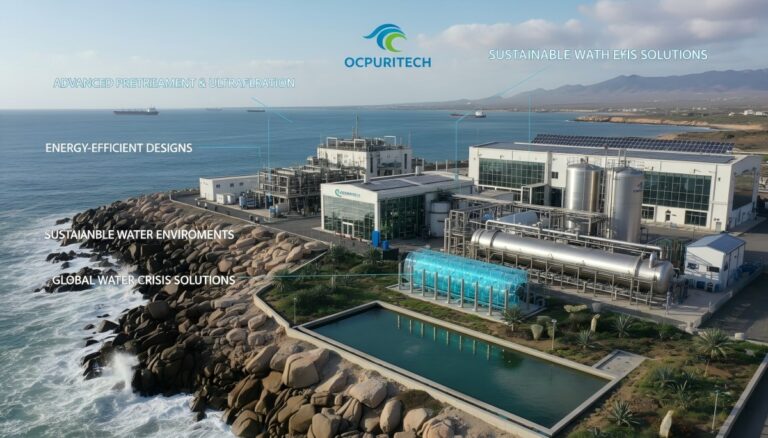
As freshwater scarcity intensifies, seawater desalination has emerged as a crucial solution, particularly in arid coastal regions. It’s a complex and energy-intensive process that transforms vast quantities of salty seawater into potable water. My company, Ocpuritech, specializes in these advanced seawater desalination plants, catering to clients worldwide who face severe water shortages, from critical infrastructure projects to remote island communities.
4.1 The Unique Challenges of Seawater Treatment
Treating seawater presents unique challenges that differentiate it from freshwater treatment. The high salinity, corrosive nature, and abundance of marine organisms (biofouling) demand specialized water treatment systems. The total dissolved solids (TDS) in seawater can be up to 35,000 ppm, compared to a few hundred ppm in freshwater, requiring much higher pressures for reverse osmosis and robust pre-treatment. Regulations like California’s Desalination Provisions require state-of-the-art technology and mitigation measures to protect the ocean environment, adding another layer of complexity. Dealing with these challenges effectively is where our 14 years of experience truly shine.
4.2 Advanced Desalination Technologies and Their Efficiency
While thermal methods exist, Reverse Osmosis (seawater reverse osmosis) is the dominant technology for desalination due to its superior energy efficiency. Innovations like energy recovery devices dramatically reduce the power consumption, making seawater desalination more economically viable. Organizations like ASCE have actively promoted policies on desalination, recognizing its importance. My team consistently researches and integrates the latest advancements in RO membrane technology and energy efficiency into our seawater desalination plants, helping clients achieve optimal performance and lower operating costs.
4.3 Environmental Considerations in Seawater Desalination
Environmental stewardship is paramount in seawater desalination. The responsible management of brine discharge – the concentrated saline byproduct – is a critical consideration. Effective intake screening to protect marine life and advanced diffusers for brine dispersal are essential to minimize ecological impact. As an expert, I emphasize sustainable practices in all our desalination projects. Adhering to ISO standards for seawater desalination is crucial for sustainable development goals, guiding our design and operational protocols for environmental protection.
5. Technological Innovations in Water Treatment

The water treatment industry is constantly evolving, driven by the need for greater efficiency, lower costs, and enhanced environmental protection. At Ocpuritech, we continually integrate cutting-edge innovations into our water treatment plants, ensuring our clients receive the most advanced and sustainable solutions available. My daily work involves overseeing the implementation of these technologies across diverse projects, from large-scale industrial systems to compact commercial units.
5.1 Energy Efficiency and Sustainable Design
Energy consumption is a major operating cost for water treatment facilities. Innovations in pump design, membrane technology, and process optimization have drastically improved energy efficiency. Sustainable design principles, such as utilizing gravity flow where possible and integrating renewable energy sources, are becoming standard. We often advise clients, particularly those in areas with high energy costs, on how our energy-efficient RO systems and smart designs can lead to substantial long-term savings, making water treatment more sustainable.
5.2 Intelligent Monitoring and Remote Control Systems
The advent of IoT (Internet of Things) and advanced sensor technology has revolutionized water treatment. Centralized control systems and Remote Control RO systems allow operators to monitor plant performance, detect issues, and make adjustments remotely. This not only improves operational efficiency but also enhances reliability and reduces labor costs. Based on my experience, these intelligent systems, a core offering from Ocpuritech, provide unparalleled control and peace of mind for our global clientele, from project customers to large industrial operators.
5.3 Modular and Containerized Solutions
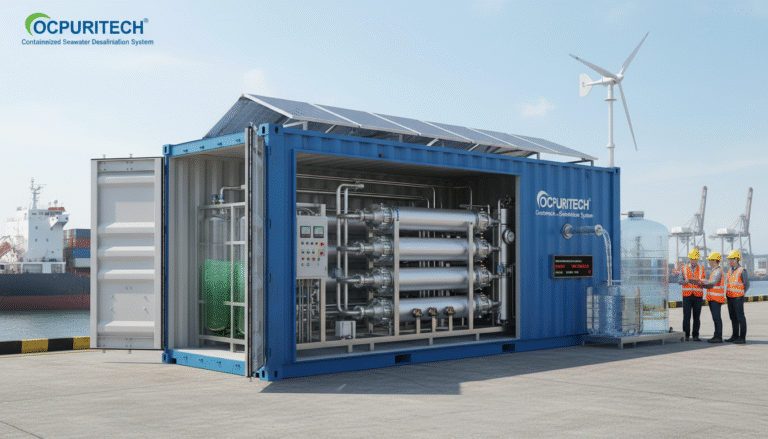
For rapid deployment, temporary needs, or remote locations, modular and containerized water treatment systems offer significant advantages. These self-contained units can be quickly transported, installed, and commissioned, making them ideal for disaster relief, construction sites, or expanding existing facilities. Ocpuritech provides custom-engineered containerized water treatment plants, including seawater desalination units, which have proven invaluable in quickly addressing urgent water needs in challenging environments across Africa and South America.
6. Real-World Impact and Diverse Applications
6.1 Industrial Water Purification Needs
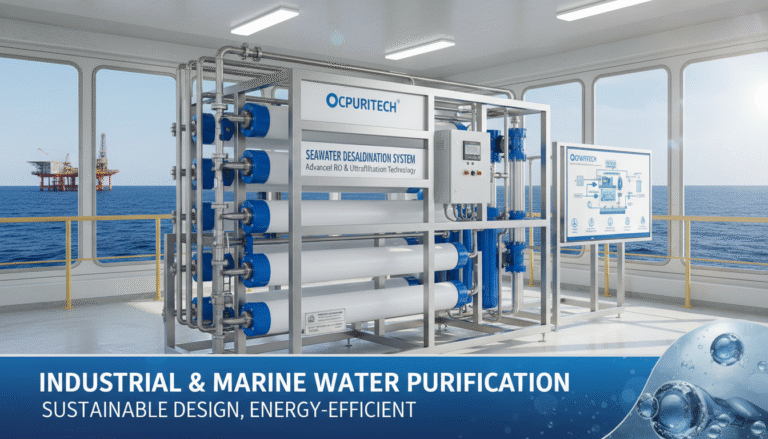
Industries require water of varying qualities for diverse processes, from boiler feed and cooling towers to product manufacturing. Industrial water treatment solutions are crucial for preventing scaling, corrosion, and biological fouling, ensuring operational efficiency and product quality. A crucial part of my work involves designing reverse osmosis water treatment systems and other tailored solutions for various industries, including power generation, pharmaceuticals, and textiles, preventing costly downtime and maintaining environmental compliance.
6.2 Commercial and Household Water Purification

Beyond large-scale applications, water treatment systems are essential for commercial establishments (hotels, restaurants) and individual households. Whole house water treatment systems, including softeners, filters, and UV light water treatment, provide safe and clean water for all domestic needs, improving health and appliance longevity. We provide comprehensive home water treatment systems from Ocpuritech, offering peace of mind to cross-border e-commerce buyers and individual consumers seeking reliable solutions for their families.
6.3 Supporting Agriculture and Specialized Industries
Agriculture is the largest consumer of freshwater globally, and water treatment plays a vital role in ensuring appropriate water quality for irrigation, livestock, and hydroponics. Similarly, specialized industries like cosmetics, hospitals, and hotels have unique water quality requirements. For example, hospital water systems need extreme purification to prevent infections, a challenge I tackled in a recent project where our UV water treatment system and EDI technology were critical components.
6.4 Bottle Water Filling Production Lines

The bottled water industry relies heavily on advanced water treatment plants to produce purified drinking water. These facilities primarily use water treatment Reverse Osmosis systems to remove impurities, followed by disinfection (often uv water treatment or ozone) to ensure product safety and quality. Ocpuritech designs and supplies complete bottle water filling production lines, integrating our robust RO systems to meet the stringent standards of drinking water providers, ensuring consistent taste and microbiological purity.
7. Ensuring Compliance and Quality: Regulatory Frameworks
7.1 Adherence to International Water Quality Standards
Compliance with international water quality standards, such as those set by the World Health Organization (WHO) and local regulatory bodies, is non-negotiable for all water treatment companies. These standards dictate permissible levels of contaminants, microorganisms, and physical parameters. My experience, particularly with projects spanning Southeast Asia, Africa, and South America, has instilled a deep understanding of varied regional regulations and the importance of designing water treatment systems that exceed these benchmarks. It’s not just about meeting a requirement; it’s about providing assurance of health and safety.
7.2 Certifications and Quality Control Processes
To ensure consistent quality, water treatment plants and their components often undergo rigorous certification processes. These can include ISO certifications for manufacturing quality, NSF/ANSI standards for drinking water components, and specialized certifications for specific technologies like UV systems. At Ocpuritech, we adhere to strict quality control, from the selection of raw materials to the final testing of our whole house water treatment systems and industrial installations. Developing Key Performance Indicators (KPIs) for desalination processes, as explored by researchers, further guides our internal quality benchmarks and continuous improvement efforts.
8. Sustainability and Environmental Responsibility in Water Treatment
8.1 Minimizing Environmental Footprint
Modern water treatment plants are designed with a strong focus on minimizing their environmental footprint. This includes reducing energy consumption, optimizing chemical usage, and managing waste products responsibly. My vision for Ocpuritech aligns perfectly with this, as we continuously strive to incorporate sustainable practices throughout the design and operation of our water treatment solutions. This goes beyond mere compliance; it’s a commitment to ecological balance and resource preservation.
8.2 Innovative Brine Management Solutions
For seawater desalination plants, effective brine management is crucial. The concentrated salt solution (brine) must be disposed of in a manner that minimizes environmental impact on marine ecosystems. Innovations include advanced diffusion systems, beneficial reuse of brine, and even zero liquid discharge (ZLD) technologies. In several high-profile seawater desalination projects, we’ve implemented sophisticated brine diffusers that ensure rapid mixing with ambient seawater, significantly reducing localized salinity impacts.
8.3 Integration of Renewable Energy Sources
To further reduce the carbon footprint and operational costs, integrating renewable energy sources like solar and wind power into water treatment plant operations is gaining traction. This not only contributes to environmental sustainability but also enhances the energy independence and resilience of water treatment facilities. This is a key area of focus for Ocpuritech, as we see renewable energy as the future for truly sustainable water treatment, particularly in remote regions that are off the grid.
9. Conclusion: The Future of Clean Water
9.1 Recap of the Importance of Water Treatment Plants
From pre-treatment to advanced reverse osmosis water treatment systems and final disinfection, every step in a water treatment plant is vital for transforming raw water into a safe and usable resource. These complex facilities protect public health, support industries, and safeguard our ecosystems. Given the escalating global water crisis, the role of these plants for water treatment has never been more critical. As we look at the projections of global water challenges, the continued development and deployment of efficient water treatment systems are paramount.
9.2 The Ongoing Commitment to Innovation and Sustainability
The future of clean water lies in continuous innovation and an unwavering commitment to sustainability. As Mrs. Carrie Chan of Ocpuritech often emphasizes, our mission is to make safe, clean water accessible to everyone while protecting our planet. This means investing in energy-efficient technologies, exploring new purification methods like advanced oxidation processes, and designing water treatment plants that are resilient and adaptable to changing environmental conditions. At Ocpuritech, we are dedicated to providing high-quality, cost-effective water treatment solutions for a wide range of needs, ensuring a healthier and more sustainable future for communities globally.
FAQs on Water Treatment Plants and Technologies
Q1: What is the primary function of a water treatment plant?
A water treatment plant removes impurities and contaminants from raw water through physical, chemical, and biological processes, making it safe for drinking, industrial, or agricultural use.
Q2: What are the main differences between reverse osmosis and nanofiltration systems in water treatment?
Reverse osmosis (RO) uses a semi-permeable membrane to remove up to 99% of dissolved salts, organic molecules, and microorganisms, producing ultra-pure water. Nanofiltration (NF) has larger membrane pores than RO, effectively removes hardness ions and some organic matter, and is generally used for softening and color removal, making it less extensive but more energy-efficient than RO.
Q3: How does the coagulation and flocculation process work in water pre-treatment?
Coagulation involves adding chemicals like alum to neutralize charges on suspended particles, causing them to stick together. Flocculation gently mixes the water, encouraging these particles to form larger flocs, which can then settle out during sedimentation, improving the removal of suspended solids.
Q4: Why is disinfection an essential step after filtration in water treatment plants?
Disinfection eliminates or inactivates remaining microorganisms such as bacteria, viruses, and protozoa that can cause waterborne diseases, ensuring the treated water is safe for human consumption and complies with health standards.
Q5: How do seawater desalination plants differ from freshwater treatment systems in their operation?
Seawater desalination must handle much higher total dissolved solids (up to 35,000 ppm) and challenges like biofouling and corrosion. It requires higher pressure RO membranes and robust pre-treatment. Environmental regulations and brine management also add complexity compared to freshwater systems.
Q6: How can energy efficiency be improved in large-scale reverse osmosis water treatment plants?
Energy efficiency improves by incorporating advanced energy recovery devices, using efficient pump designs, optimizing membrane selection, and integrating sustainable design principles like renewable energy sources, as practiced by Ocpuritech in their industrial RO systems.
Q7: What are the advantages of modular and containerized water treatment systems?
Modular and containerized systems offer rapid deployment, easy transportation, and installation, ideal for remote locations, disaster relief, or temporary needs. They are self-contained and customizable, enabling flexible water treatment solutions in challenging environments.
Q8: How does UV sterilization compare to chemical disinfection methods in water treatment?
UV sterilization uses ultraviolet light to inactivate microorganisms without chemicals, avoiding disinfection byproducts and effectively targeting chlorine-resistant pathogens. Chemical methods like chlorination are broad-spectrum and maintain residual disinfectant but may produce harmful byproducts requiring careful management.
Q9: What environmental considerations are critical in seawater desalination plants?
Key considerations include responsible brine discharge management using advanced diffusers, protecting marine life through intake screening, adhering to ISO and local regulations, and adopting sustainable practices to minimize ecological impacts, as emphasized by Ocpuritech's desalination projects.
Q10: Why is continuous monitoring and adherence to international standards important in water treatment plants?
Continuous monitoring ensures water quality meets or exceeds standards from organizations like WHO, safeguarding public health. Compliance with certifications like ISO and NSF maintains system reliability and quality control, vital for diverse applications from municipal to industrial use.