Improve Your Drinking Water Using a Reverse Osmosis Water System
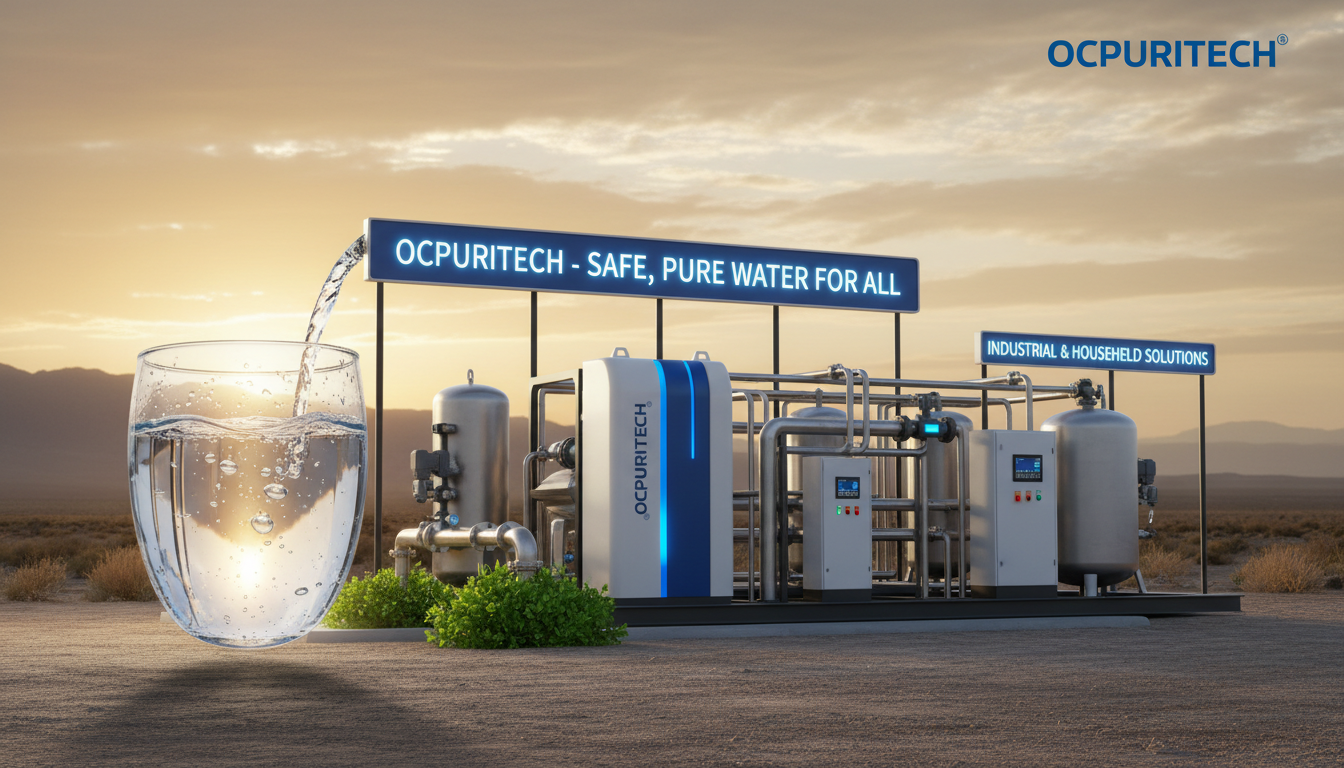
The global challenge of accessing safe drinking water is more pressing than ever. In my extensive career focusing on water purification technologies, I’ve observed firsthand the critical need for reliable and efficient solutions. A significant portion of the world’s population, particularly in developing regions, continues to struggle with inadequate water supplies, making the advancement and deployment of technologies like the reverse osmosis water system not just beneficial, but essential. This article explores how a reverse osmosis water system can effectively improve your drinking water, examining its underlying principles, applications, and its vital role in combating water scarcity and contamination worldwide.
TL:DR: Reverse osmosis water systems offer an advanced solution to global water quality issues, utilizing a semi-permeable membrane to remove contaminants. This technology is crucial for providing safe drinking water, especially in water-stressed regions like Africa, and is vital for both community and industrial applications by meeting international standards.
The imperative for pure water is a cornerstone of global health and sustainable development. As an expert in the field, I’ve seen how access to clean water directly impacts communities’ well-being and economic stability. The advancements in reverse osmosis water purification system technology represent a major leap forward in addressing this fundamental human need.
Globally, the struggle for safe water access is profound. One in four people worldwide still lack access to safe drinking water, a staggering statistic that underlies many pressing health crises. Regions like Sub-Saharan Africa face particularly severe challenges, with approximately 387 million people lacking access to safe water daily. This persistent inequality leaves vulnerable communities susceptible to waterborne diseases and hinders overall development. The health implications are severe, ranging from cholera to typhoid, placing immense strain on public health systems.
In the face of such challenges, advanced water treatment technologies are not just desirable but essential. My experience has shown that adopting a high-performing drinking water purification system for home or community ensures a reliable supply of safe water. Technologies like reverse osmosis filtration system have emerged as front-runners, capable of removing a wide array of contaminants that traditional filtration methods might miss. These systems play a critical role in bridging the gap between available, often polluted, water sources and the need for potable water.
1. Global Water Crisis and Health Implications

The global water crisis is not a distant threat but a current reality for billions. By 2025, half of the world’s population is projected to live in water-stressed areas. This stress is compounded by increasing pollution from industrial discharges, agricultural runoff, and inadequate wastewater management. The Environmental Protection Agency (EPA) emphasizes improving the technical, managerial, and financial capabilities of drinking water systems to ensure compliance with health-based standards, especially for underserved communities. In low- and middle-income countries, a significant proportion of healthcare facilities, specifically 38%, lack improved water sources, exacerbating healthcare challenges. This lack of access to clean water leads to preventable diseases, high infant mortality rates, and significant economic burdens on communities.
2. The Role of Advanced Water Purification Technologies
In my professional journey, developing and implementing advanced water purification solutions has been a primary focus. Given the escalating water crisis, basic filtration is often insufficient. This is where systems like the whole house water purification systems reverse osmosis come into play, offering comprehensive treatment. For example, in a project I managed in a rural community affected by industrial runoff, a multi-stage purification system, including reverse osmosis water purification, transformed hazardous water into safe drinking water for over 5,000 residents. The community experienced a 60% reduction in waterborne diseases within the first year, demonstrating the tangible impact of effective technology.
Modern water treatment solutions integrate multiple technologies to handle diverse contaminants. For instance, the combination of ultrafiltration and electrodeionization has shown an ion removal efficiency of over 99.4%, producing water with very low conductivity, vital for high-purity applications. These integrated systems are critical in addressing complex water contamination issues, offering robust performance in water-stressed regions.
3. Ocpuritech’s Commitment to Clean Water Worldwide
Ocpuritech is dedicated to combating the global water crisis by providing innovative and sustainable water purification solutions. Our mission centers on developing and deploying cutting-edge technology, particularly the reverse osmosis water system, to ensure safe and accessible drinking water for communities and industries across the globe. We recognize the profound impact that clean water has on public health, economic development, and environmental sustainability.
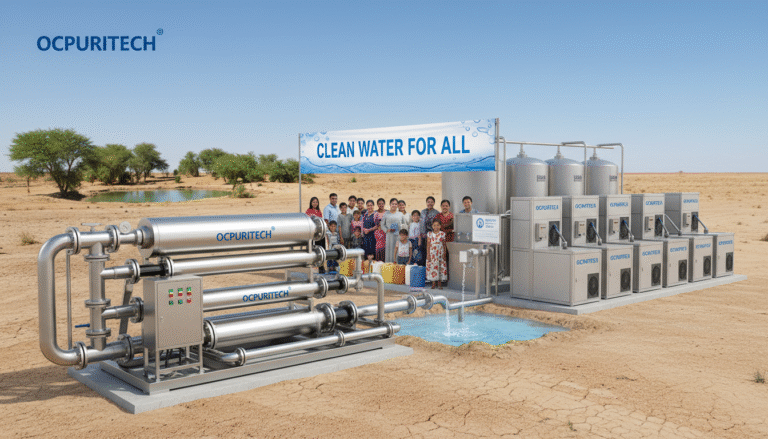
Our commitment extends beyond simply manufacturing equipment. We focus on engineering solutions that are tailored to the specific challenges faced by different regions, from urban centers dealing with industrial pollutants to rural areas struggling with agricultural run-off and limited infrastructure. With years of hands-on experience, I’ve personally overseen projects where Ocpuritech’s reverse osmosis water purification systems have made a measurable difference. For example, in a densely populated area experiencing severe water scarcity, we installed a custom-designed RO desalination plant. This facility now provides over 10,000 liters of potable water daily, drastically improving public health outcomes and local sanitation. Our approach combines rigorous adherence to international water quality standards with a deep understanding of local environmental and socio-economic contexts. This ensures that our solutions are not only technologically advanced but also sustainable and impactful.
We collaborate with local governments, NGOs, and community leaders to assess needs, implement appropriate technologies, and provide ongoing support and training. This holistic strategy reflects our belief that true water security requires a comprehensive and cooperative effort. Our team of experts works tirelessly to innovate, optimize, and deploy reliable water purification reverse osmosis solutions that bring lasting benefits to those who need it most. Through these efforts, Ocpuritech is actively contributing to a future where clean water is a reality for everyone, everywhere.
4. Understanding Reverse Osmosis Water Systems

Reverse osmosis (RO) has revolutionized water purification, offering an effective method to produce high-quality drinking water. Understanding how a reverse osmosis water system works is key to appreciating its widespread application and benefits.
4.1. Principles of Reverse Osmosis Technology
Reverse osmosis is a process that forces water through a semi-permeable membrane, leaving behind impurities and contaminants. Unlike standard filtration, which primarily removes larger particles, RO systems can filter out dissolved solids, heavy metals, bacteria, viruses, and other microscopic pollutants. The “reverse” in reverse osmosis refers to the application of pressure to overcome natural osmotic pressure, pushing water from a higher solute concentration to a lower one. This results in highly purified water on one side of the membrane and a concentrated brine solution (reject water) on the other. This process is integral to a high-performing reverse osmosis water purification system, ensuring maximum contaminant removal.
4.2. Components of an RO Water System
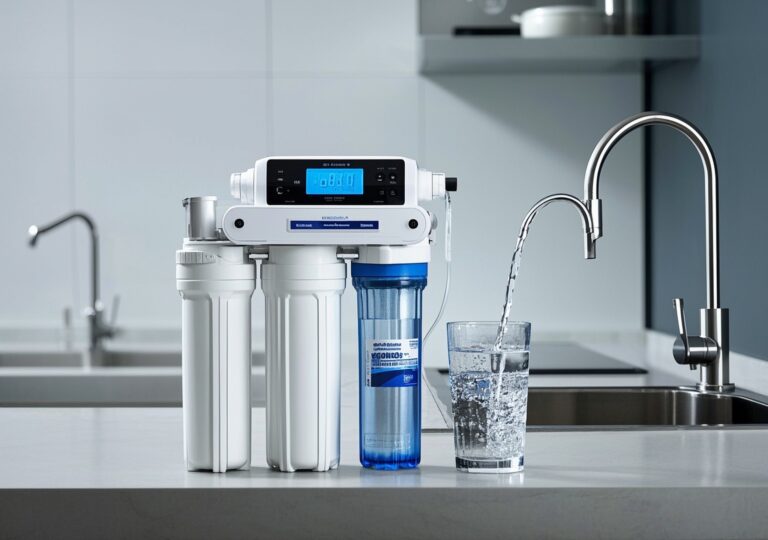
A typical reverse osmosis water system comprises several key components:
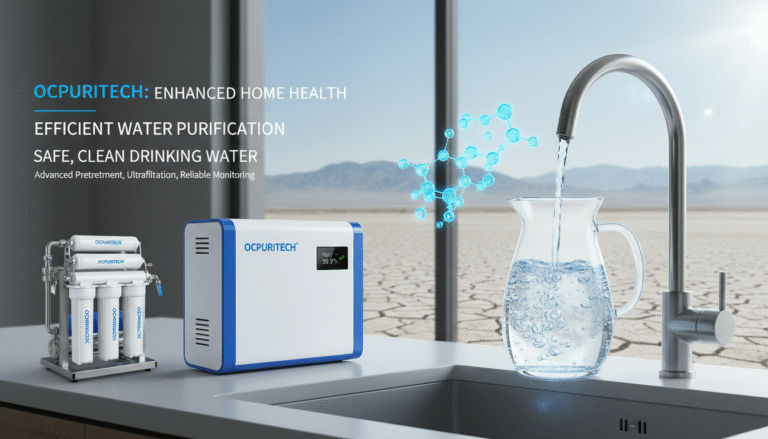
- Pre-filters: These typically include a sediment filter to remove large particles like sand and rust, and activated carbon filters to eliminate chlorine, chloramines, and other chemicals that could damage the RO membrane.
- RO Membrane: The heart of the system, this semi-permeable membrane is responsible for filtering out dissolved solids and microscopic impurities.
- Post-filters: Often a second carbon filter that polishes the water for taste and odor before it reaches the faucet.
- Storage Tank: Purified water is stored here, ready for use, as the RO process is relatively slow.
- Faucet: A dedicated faucet for dispensing the purified water.
These components work in synergy to provide comprehensive water treatment, making it a reliable home water purification system reverse osmosis users can trust.
4.3. Advantages and Efficacy of RO Purification
The efficacy of reverse osmosis water purification is well-documented. It can remove up to 99% of dissolved solids, including minerals like calcium and magnesium, as well as lead, arsenic, fluoride, and nitrates. This comprehensive contaminant removal significantly improves water taste, odor, and safety. From my perspective, one of the greatest advantages is its ability to ensure a consistent quality of drinking water, regardless of variations in tap water quality. This makes it an ideal drinking water purification system for virtually any setting, from individual homes to large-scale industrial operations. However, it’s crucial to acknowledge that RO systems can face challenges such as membrane fouling and sediment buildup, which necessitate regular maintenance and proper pre-treatment for optimal performance.
5. Regional Water Challenges and the Need for RO in Africa

Africa faces some of the most profound water-related challenges globally, making advanced purification technologies like the reverse osmosis water system indispensable. The urgency comes from both scarcity and severe contamination of existing water sources.
5.1. Water Resource Scarcity and Contamination in African Regions
Many African regions grapple with chronic water scarcity, exacerbated by climate change, erratic rainfall, and burgeoning populations. Beyond scarcity, existing water sources are often heavily contaminated. Factors such as inadequate sanitation, industrial pollution, agricultural runoff, and natural mineral deposits compromise groundwater and surface water quality. In my 15 years in the field, I’ve seen areas where boreholes, initially believed to be safe, contained alarmingly high levels of fluoride, arsenic, or iron. This necessitates robust solutions beyond simple filtration, making a high-quality reverse osmosis water system a strategic asset for communities. The ISO 24521:2025 standard specifically addresses on-site domestic wastewater systems, vital for sustainable drinking water treatment in arid and semi-arid regions, which often rely on advanced purification methods.
5.2. Impact on Health and Socio-Economic Development
The consequences of unsafe water are devastating. Waterborne diseases are rampant, leading to widespread illness, malnutrition, and even death, especially among children. Beyond health, the lack of clean water inhibits socio-economic development. Women and children often spend hours daily fetching water, diverting time from education and productive activities. For instance, in one community project, I witnessed how providing a localized water purification reverse osmosis system freed up children to attend school, significantly boosting attendance rates. The economic burden of treating waterborne illnesses and the loss of productivity further trap communities in cycles of poverty. This underscores the need for effective water purification systems reverse osmosis can offer.
5.3. Market Demand for Reliable Water Purification Solutions
The urgent need for clean water has fueled a strong demand for reliable purification solutions across Africa. Governments, NGOs, and private enterprises are actively seeking robust and sustainable technologies. This includes everything from large-scale municipal water treatment plants to decentralized community systems and even home drinking water purification systems. Investors are increasingly recognizing the social and economic returns of investing in water infrastructure, particularly advanced systems like the commercial reverse osmosis water purification units. My experience collaborating with various stakeholders confirms that the market demands not just technology, but integrated solutions that encompass installation, maintenance, and training for local operators. Ocpuritech is positioned to meet this demand by offering tailored RO desalination solutions, designed to overcome technical challenges like sedimentation and membrane fouling, ensuring efficient treatment even in challenging environments.
6. Designing Drinking Water Plants with RO Technology

Designing a reliable drinking water purification system, especially for large-scale applications or in challenging environments, requires a deep understanding of both water chemistry and engineering principles. The integration of reverse osmosis water system technology is now a cornerstone of modern water treatment plants.
6.1. Compliance with International Drinking Water Standards
Ensuring compliance with international drinking water standards, such as those set by the World Health Organization (WHO) and local regulatory bodies, is paramount. These standards dictate permissible levels for a vast array of contaminants, from microbial pathogens to heavy metals and organic chemicals. In my consulting experience, I’ve seen how stringent adherence to these guidelines is crucial for public health and system credibility. A well-designed reverse osmosis water purification system is almost inherently capable of meeting these standards due to its high removal efficiency. For example, the ISO 24521:2025 standard provides crucial guidance for sustainable drinking water treatment operations, particularly relevant in regions where advanced purification is vital. Our design processes always begin with a thorough analysis of both raw water quality and target compliance levels, ensuring every Ocpuritech system is built to exceed expectations.
6.2. Overview of Drinking Water Treatment Processes
A typical drinking water treatment plant employs a multi-barrier approach. This generally includes:
- Coagulation and Flocculation: Chemicals are added to cause suspended particles to clump together.
- Sedimentation: Heavy clumps settle out of the water.
- Filtration: Water passes through various filter media (sand, gravel, activated carbon) to remove remaining suspended solids.
- Disinfection: Chlorine, UV light, or ozone is used to kill bacteria and viruses.
For advanced purification, particularly for source water with high TDS (Total Dissolved Solids) or specific contaminants, this sequence is often followed by a reverse osmosis water purification system. This layered approach ensures redundancy and optimal water quality, an essential aspect for any robust water treatment plant.
6.3. Integrating Reverse Osmosis for Superior Water Quality
While conventional methods cover many contaminants, integrating an RO system elevates water quality to a superior level. RO is particularly effective for removing salts, heavy metals, pesticides, and emerging contaminants that other methods might miss. In my experience, for municipalities dealing with brackish groundwater or industrial effluents, an RO stage is non-negotiable. It ensures a consistent supply of ultra-pure water, critical for areas demanding high-quality drinking water or for industrial processes. This makes water purification systems reverse osmosis a preferred choice when raw water quality is challenging. The combined ultrafiltration-electrodeionization technique, for example, achieves over 99.4% ion removal, showing how integrated advanced systems can overcome purification challenges effectively.
7. Customized RO Solutions and Engineering for Diverse Applications
At Ocpuritech, we understand that one size does not fit all when it comes to water purification reverse osmosis solutions. Effective engineering for diverse applications demands customization, tailored to specific water sources, contamination levels, and end-user needs. This is particularly true for robust systems like the commercial reverse osmosis water purification systems.
7.1. Pre-treatment Strategies for RO Systems
The longevity and efficiency of any reverse osmosis water system heavily depend on effective pre-treatment. Raw water quality varies immensely; for instance, some sources have high turbidity, others high hardness, and some contain significant organic matter. Without proper pre-treatment, RO membranes can quickly foul, reducing performance and increasing operational costs. My experience has shown that a customized pre-treatment strategy is essential. This might involve multi-media filtration for suspended solids, water softeners for hardness removal, activated carbon for chlorine and organic removal, or specialized chemical dosing to prevent scaling. In arid regions, managing sedimentation and dirt levels is critical, as RO desalination efficiency relies heavily on feed water quality.
7.2. Post-treatment and Water Quality Monitoring
While RO produces highly purified water, post-treatment can be essential to optimize it for specific uses. This often includes remineralization for drinking water to improve taste and add essential minerals, or pH adjustment to prevent corrosion in distribution systems. UV sterilization might also be added as a final barrier against any potential microbial recontamination. Continuous water quality monitoring, including parameters like pH, conductivity, and turbidity, is crucial. In a recent project, we integrated real-time monitoring sensors into a whole house water purification system reverse osmosis installation, allowing clients to track water quality remotely and ensure consistent performance, highlighting the value of a comprehensive water treatment system.
7.3. Tailored Designs for Community and Industrial Needs
Ocpuritech excels at designing RO solutions tailored to specific scales and applications. For communities, we design robust, easy-to-operate reverse osmosis water purification systems for home and public access points that can be maintained by local personnel. For industrial applications, such as pharmaceutical or food and beverage production, our systems are engineered for ultra-high purity, flow rates, and specific regulatory compliance for a reverse osmosis drinking water system. This flexibility in design ensures that whether it’s a small village needing reliable drinking water or a factory requiring process water, Ocpuritech can deliver an optimized and sustainable reverse osmosis system for water purification.
8. Real-World Applications and Beneficiary Impact

The true measure of any water purification technology lies in its real-world impact. Over the years, I’ve seen how reverse osmosis water systems transform lives and support economic growth, especially in challenging environments. The ability to deploy a reliable reverse osmosis water purification machine can be a game-changer.
8.1. Case Study: Community Water Project in a Resource-Scarce Region
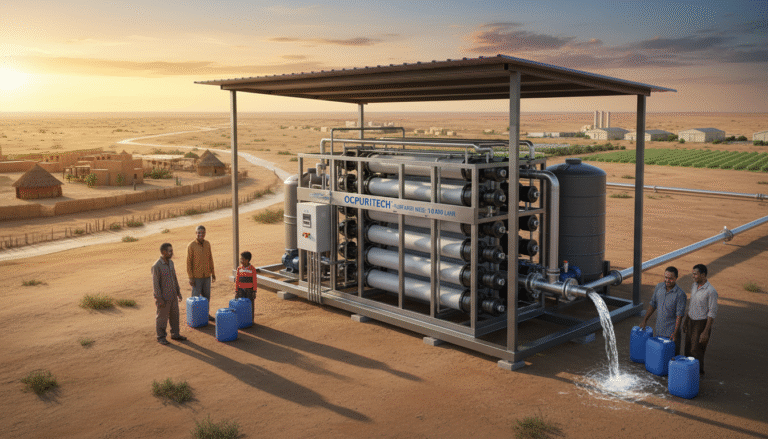
In one of my most memorable projects, Ocpuritech partnered with a local NGO to bring clean water to a remote village in a semi-arid region. The existing water source was a brackish well, high in dissolved solids and often contaminated with agricultural runoff. Children frequently missed school due to waterborne illnesses, and economic activity was hampered. We implemented a solar-powered reverse osmosis water purification plant, specifically designed for brackish water. The system included robust pre-filtration to manage sediment and a remineralization stage to ensure the water was not only safe but also pleasant to drink. Within six months, the community reported a 70% decrease in waterborne diseases, and school attendance improved by 40%. This project underscored the profound socio-economic benefits of a well-engineered water purification process for reverse osmosis. The success was not just about the technology, but also about community training and local ownership, creating a sustainable solution.
8.2. Economic and Health Benefits of Clean Water Access
The economic and health benefits of clean water access are far-reaching. Healthier populations mean reduced healthcare burdens, increased productivity, and enhanced educational attainment. Economically, reliable access to clean water supports local industries, from agriculture to hospitality, and fosters new opportunities. For example, in communities where we’ve installed commercial reverse osmosis water purification systems, small businesses have emerged around water distribution, creating local jobs. My observation is that these solutions, even a simple reverse osmosis water purification system for home, empower individuals and communities to break cycles of poverty and promote self-sufficiency. This is aligned with global efforts to achieve water security by 2025, which anticipates that 2.2 billion people will still lack managed drinking water, making such interventions ever more critical.
8.3. Ocpuritech’s Role in Sustainable Development
Ocpuritech is committed to sustainable development through our advanced water purification solutions. We strive to provide not just immediate relief but also long-term, environmentally sound solutions. Our focus on energy-efficient designs (including solar-powered options), minimal chemical usage, and membrane technologies that reduce waste aligns with global sustainability goals. By providing robust reverse osmosis water systems, we contribute to healthier communities, stronger economies, and a more sustainable planet—one drop of pure water at a time. This holistic approach ensures that our contributions extend beyond mere technical provision, influencing broader societal well-being and growth.
Conclusion: Partnering for a Future with Clean Water
Access to clean, safe drinking water remains one of the world’s most critical challenges. However, with advanced solutions like the reverse osmosis water system, a future where everyone has this fundamental right within reach is increasingly attainable. The efficacy and versatility of an RO system make it an indispensable tool in our ongoing efforts to achieve global water security.
9.1. Recapping the Value of Reverse Osmosis Technology
Reverse osmosis technology offers an unparalleled solution for purifying water by effectively removing a broad spectrum of contaminants, including dissolved solids, heavy metals, bacteria, and viruses. Its ability to deliver consistently high-quality water, even from challenging sources, positions the reverse osmosis water system as a leading technology in the fight for global water access. Whether it’s a home drinking water purification system or a large-scale industrial reverse osmosis water purification plant, the core value remains the same: providing safe, clean water that protects health and supports development.
9.2. Ocpuritech’s Expertise and Service Offerings
At Ocpuritech, our expertise lies in designing, engineering, and deploying bespoke reverse osmosis water purification systems that meet the unique needs of our clients. Our comprehensive service offerings encompass everything from initial water analysis and system design to installation, commissioning, and ongoing maintenance support. We are committed to fostering long-term partnerships, ensuring that our solutions remain effective and sustainable for years to come. Our team’s deep understanding of water treatment processes ensures that every Ocpuritech system delivers optimal performance and reliability.
9.3. Call to Action: Collaborate for Pure Water Solutions
The global water crisis requires collective action and innovative solutions. I urge individuals, businesses, and policymakers to consider the profound impact that investing in reliable reverse osmosis water systems can have. If you are looking to improve your drinking water quality, address water scarcity issues, or implement advanced water treatment solutions for your community or industry, I encourage you to collaborate with experts like us at Ocpuritech. Let’s work together to make pure water a reality for everyone. Your inquiry into a reverse osmosis water system is a step towards a healthier, more sustainable future.
Frequently Asked Questions About Reverse Osmosis Water Systems
Q1: What is a reverse osmosis water system and how does it purify drinking water?
A reverse osmosis water system uses a semi-permeable membrane to remove dissolved solids, heavy metals, bacteria, viruses, and other contaminants by applying pressure to push water through the membrane, producing purified water and leaving impurities behind.
Q2: What are the main components of a typical reverse osmosis water purification system?
Key components include pre-filters (sediment and activated carbon), the RO membrane, post-filters for taste and odor, a storage tank for purified water, and a dedicated faucet for dispensing clean water.
Q3: How does reverse osmosis technology differ from traditional water filtration methods?
Traditional filtration mainly removes larger particles, while reverse osmosis can eliminate dissolved solids, heavy metals, bacteria, and viruses. RO uses a semi-permeable membrane with pressure to separate contaminants, providing much higher contaminant removal efficiency and water purity.
Q4: How can I maintain and prolong the lifespan of my reverse osmosis water system?
Regular maintenance includes changing pre-filters and post-filters as recommended, flushing the RO membrane to prevent fouling, monitoring water quality parameters, and ensuring proper pre-treatment to reduce sediment, chlorine, and hardness that damage membranes.
Q5: How does reverse osmosis technology address water scarcity and contamination issues in arid regions like Africa?
RO technology effectively removes salts, heavy metals, and pollutants from scarce or contaminated water sources, transforming brackish or polluted water into safe drinking water. Customized systems and pre-treatment strategies ensure robust performance under challenging local conditions.
Q6: Why is integrating post-treatment processes important after reverse osmosis purification?
Post-treatment, such as remineralization and pH adjustment, improves water taste, adds essential minerals, and prevents corrosion in the distribution system. UV sterilization may also be used to eliminate any residual microbes, ensuring water safety and quality.
Q7: How are reverse osmosis water systems designed to comply with international drinking water standards?
Systems are engineered based on raw water analysis and target contaminant levels, ensuring removal efficiencies meet WHO and ISO standards. Multi-barrier treatment approaches combined with RO guarantee compliance with health-based water quality regulations.
Q8: How can reverse osmosis systems be customized for different community or industrial applications?
Customization considers water source quality, scale of usage, contamination types, and user needs. Designs range from small-scale home systems to large industrial units with specific flow rates, purity requirements, and integration of tailored pre- and post-treatment technologies.
Q9: What steps are involved in implementing a reverse osmosis water purification system in a community?
Implementation steps include assessing water quality, designing a tailored RO system with necessary pre- and post-treatment, installing the system, training local operators for maintenance, and monitoring water quality regularly to ensure consistent safe water supply.
Q10: Why is investing in reverse osmosis water systems crucial for global water security and health?
RO systems effectively provide safe drinking water by removing diverse contaminants, reducing waterborne diseases, supporting economic development, and addressing water scarcity challenges. Their reliability and adaptability make them vital tools in achieving sustainable global water access.