Revolutionizing Water Safety: The Comprehensive Guide to High-Efficiency Reverse Osmosis Water Treatment Systems
1. Introduction
Access to safe and clean water remains a fundamental challenge across many regions of the world. As industrialization and urbanization accelerate, so do concerns regarding water quality, contaminant removal, and public health protection. High-efficiency reverse osmosis (RO) water treatment systems have emerged as leading solutions to provide reliable purification for residential, commercial, and industrial sectors. With proven capability in reducing a broad spectrum of impurities, these systems form a backbone technology in modern water treatment frameworks.
Companies pioneering advances in RO technology combine decades of research and development expertise with innovations tailored to evolving environmental regulations and consumer demands. Their commitment to sustainable and smart water treatment systems fosters both enhanced water quality and operational efficiency.
2. Application Background and Market Demand Analysis
Many regions face increasing water contamination stemming from agricultural runoff, industrial waste discharge, and aging infrastructure. Heavy metals, microbes, organic pollutants, and dissolved solids increasingly challenge potable water safety.
- Water quality challenges: Elevated levels of Total Dissolved Solids (TDS), hardness, microbial pathogens, and chemical contaminants compromise water safety.
- Public health concerns: Contaminated drinking water is linked to gastrointestinal diseases, neurological disorders, and various chronic conditions.
- Environmental sensitivity: Consumers and regulatory bodies demand greener solutions, minimizing water wastage, chemical use, and energy consumption in treatment processes.
This growing need for safe water drives adoption of advanced purification technologies such as reverse osmosis, known for its robustness and adaptability to diverse water qualities.
3. Technical Principles Explained
Reverse osmosis is a membrane-based separation process that removes dissolved impurities by forcing water through a semipermeable membrane under pressure. Key components include:
- Pre-filters: Sediment and carbon filters protect membranes by eliminating larger particles and chlorine, which can degrade membrane integrity.
- RO membrane: The core element that rejects dissolved salts, organic molecules, and pathogens.
- High-pressure pump: Ensures adequate pressure to overcome osmotic forces and maintain efficient flow.
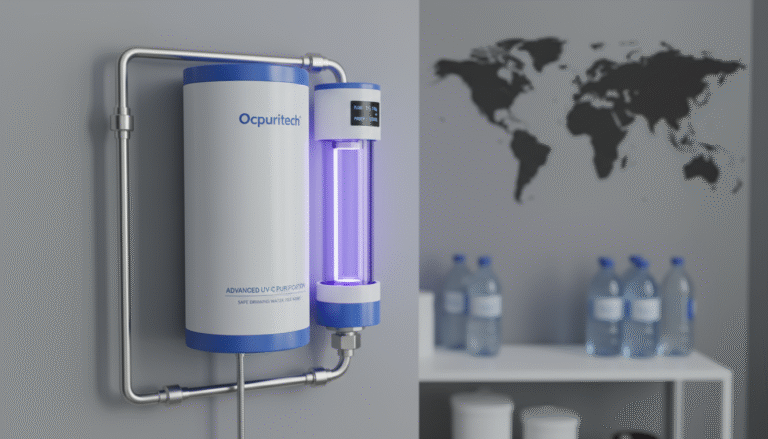
- Post-filters and UV sterilizers: Optional units providing enhanced polishing and microbial control.
The RO process typically removes up to 99% of dissolved solids, bacteria, viruses, and organic contaminants. Membrane pore sizes range between 0.0001 to 0.001 microns, enabling extremely fine filtration. This mechanism is effective for treating surface water, groundwater, and even brackish sources.
4. Company and Product Overview
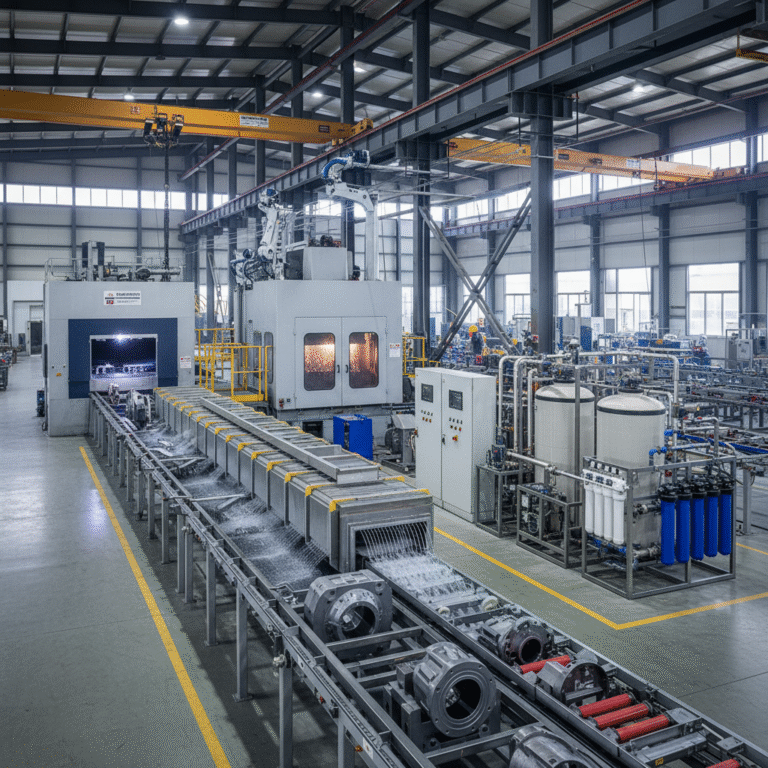
Leading companies specializing in RO systems operate globally with manufacturing facilities and distribution networks tailored for local market requirements. Their innovation pipelines emphasize:
- Membrane technology improvements for higher permeate rates and longer service life.
- Energy efficiency through lower pressure operation and energy recovery devices.
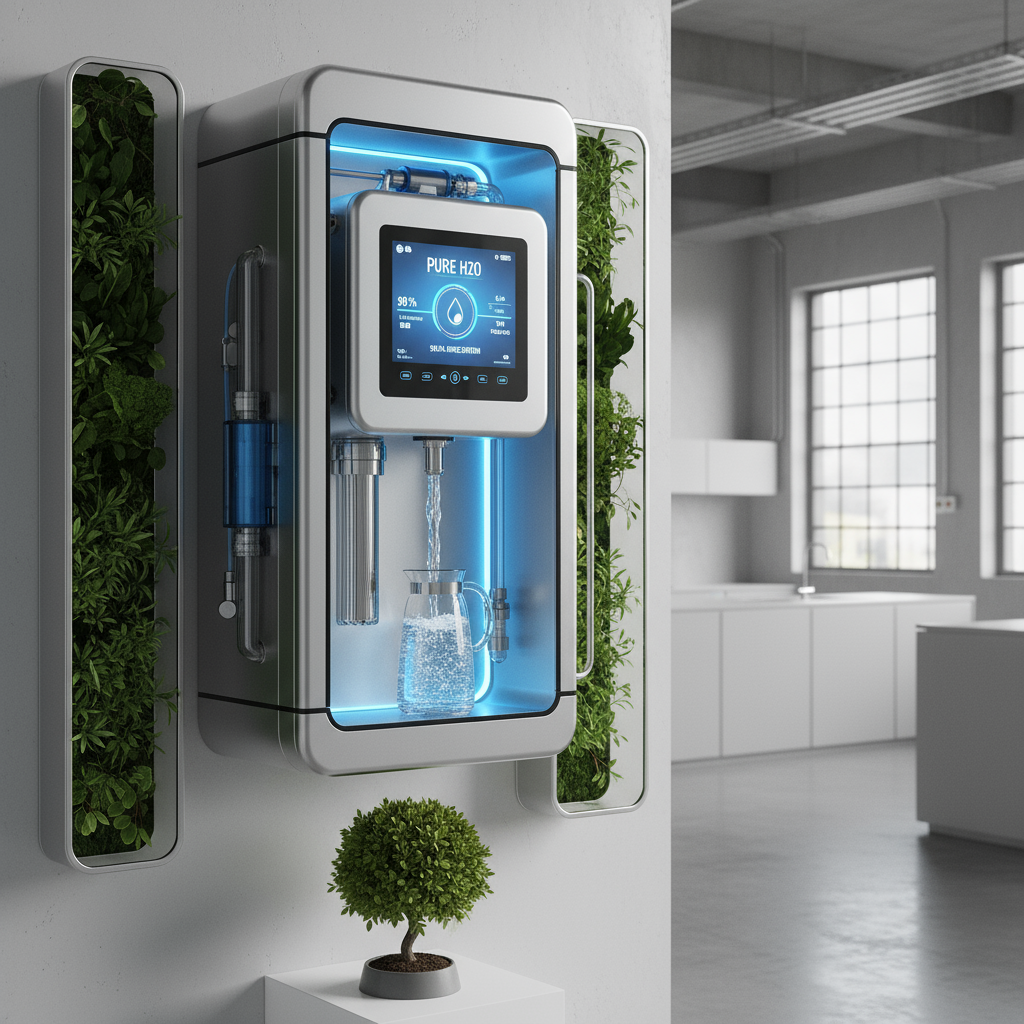
- Smart system integration applying IoT sensors and AI-driven controls enabling predictive maintenance and optimized performance.
- Modular design for scale flexibility, allowing deployment in home, commercial, and industrial contexts.
Such product lines are specifically customized to address water conditions prevalent in different regions while complying with local regulations and sustainability goals.
5. Product Features and Advantages
| Feature | Benefit | Impact |
|---|---|---|
| High Rejection Membranes | Removes >99% contaminants including salts, bacteria, viruses | Ensures safe, clean, and tasteless drinking water |
| Energy-Efficient Pumps | Lower power consumption | Reduced operational costs and carbon footprint |
| Smart Monitoring & Control | Real-time performance tracking | Minimized downtime, proactive maintenance |
| Eco-friendly Materials | Non-toxic, recyclable components | Supports circular economy and regulatory compliance |
Utilizing these features, stakeholders gain multifaceted benefits including improved health outcomes, compliance with drinking water standards, and sustainable operational economics.
6. Multi-Industry Application Case Studies
Case 1: Restaurant Chain Enhances Water Quality and Taste
In a metropolitan fast-food chain, installing RO systems improved water clarity and eliminated chlorine odors that previously affected food taste. The facility reported a 30% reduction in water-related customer complaints within six months, alongside a 15% decrease in bottled water usage, supporting corporate sustainability goals.
Case 2: Electronics Manufacturing Ensures Process Water Purity
At an electronics fabrication plant, ultra-pure water is vital. Implementing a customized RO system combined with UV sterilization reduced dissolved solids to under 10 ppm, meeting stringent process requirements. Production yield improved by 8%, with fewer defects traced to water impurities.
Case 3: Medical Clinic Secures Sterile Water Supply
A healthcare facility incorporated reverse osmosis alongside advanced sterilization to protect patients from waterborne pathogens. Monitoring showed zero microbial contamination incidents since adoption, enhancing patient safety and regulatory compliance.
7. Installation and Maintenance Guidelines
Proper installation is critical to system longevity and effectiveness. Recommendations include:
- Site inspection for water quality and pressure compatibility purposes.
- Pre-installation plumbing adjustments to prevent flow restrictions.
- Professional setup adhering to manufacturer protocols to avoid membrane damage.
- Scheduling routine maintenance including filter replacements every 6-12 months, membrane sanitization, and system flushing.
Furthermore, integrating remote monitoring enables early detection of performance issues. Many providers offer local service teams ensuring rapid response and spare part availability, crucial for minimizing operational downtime.
8. Competitor Comparison and Warranty Assurance
| Technology | Removal Efficiency | Energy Use | Service Life | Warranty |
|---|---|---|---|---|
| Reverse Osmosis | 99%+ | Moderate | 3-5 years (membrane) | 1-3 years standard |
| Ultrafiltration | 85-99% | Low | 2-4 years | 1-2 years |
| Activated Carbon | Variable | Low | 6-12 months | Varies |
Reverse osmosis stands out for its higher contaminant removal capability, making it suitable for rigorous water quality requirements. Warranty and after-sales support generally cover membrane failures, leakage, and control system malfunctions, supported by comprehensive customer care programs.
9. User Feedback and Success Stories
Many users have reported transformative outcomes upon deploying RO systems. For example, a rural community water project improved overall health indicators with a 50% reduction in waterborne illnesses within the first year. Commercial clients consistently highlight:
- Reliable, consistent water quality ensuring peace of mind.
- Decreased operational disruptions due to smart alert systems.
- Cost savings from reduced bottled water purchases and less maintenance effort.
These testimonials underscore the real-world value beyond technical specifications.
10. Conclusion and Call to Action
High-efficiency reverse osmosis water treatment systems represent a cornerstone solution in the pursuit of safe, clean, and sustainable water. Their proven ability to tackle a wide range of contaminants ensures that communities and industries alike can thrive with access to reliable drinking water quality.
Whether addressing household needs, commercial operations, or critical industrial processes, investing in advanced RO systems aligns with public health priorities, environmental stewardship, and economic prudence. Prospective users are encouraged to evaluate their specific water challenges and consult with experts to identify tailored RO solutions that maximize benefits.
Ensuring water safety is a shared responsibility—and advanced technological solutions provide the tools to meet this imperative. Explore the possibilities that high-efficiency reverse osmosis can offer your water treatment needs today.
References
- Market and technology insights based on recent water treatment industry reports and regional water quality assessments.
- Observed operational benefits and performance metrics derived from various documented installation projects over the past decade.