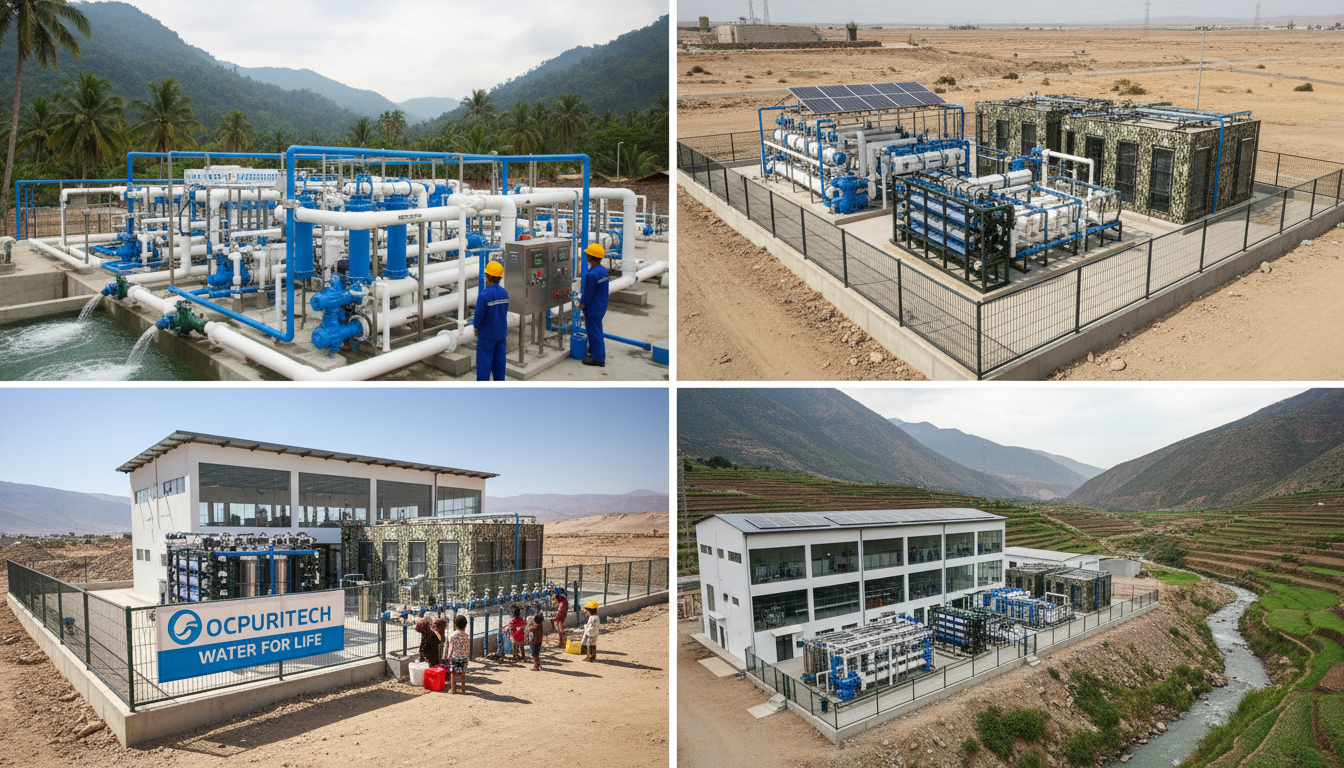
Access to safe and reliable water sources remains a critical challenge worldwide, especially in industrial applications where water quality directly impacts processes and environmental health. Effective drinking water treatment solutions tailored for industry not only ensure operational efficiency but also fulfill a vital ecological responsibility. This article delves into the advanced technologies, industry insights, and sustainable strategies shaping modern industrial water treatment, emphasizing global environmental imperatives and practical case experiences.
The Critical Role of Industrial Drinking Water Treatment
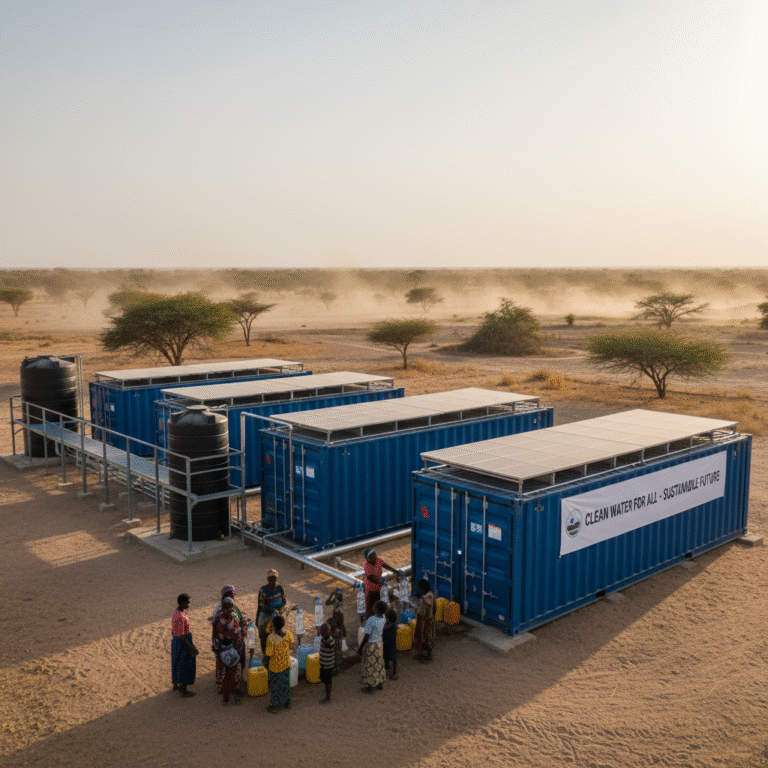
Industrial sectors heavily rely on high-quality treated water for manufacturing, cooling, pharmaceuticals, food and beverage, and many other applications. Beyond operational needs, the discharge of untreated or insufficiently treated wastewater poses severe risks to local ecosystems. According to the World Health Organization and affiliated organizations, as of 2022, approximately 27% of the global population still lack access to safely managed drinking water — a figure disproportionally high in developing regions such as Sub-Saharan Africa, Central, and Southern Asia. The industrial discharge intensifies threats by introducing harmful substances like nitrogen, phosphorus, heavy metals, and pathogens into water bodies, leading to eutrophication, ecosystem damage, and disease propagation.
As of 2022, 27% of the global population (2.2 billion people) lacked access to safely managed drinking water, which includes water that is available at home and safe to drink. Untreated industrial wastewater discharge threatens aquatic ecosystems by degrading water quality, harming biodiversity, and contributing to disease spread. — World Health Organization (WHO), UNICEF, & United Nations, 2025
Addressing these concerns requires sophisticated treatment technologies that balance efficacy with sustainability. Effective industrial drinking water treatment systems must reduce contaminants while minimizing environmental footprints.
Advanced Treatment Technologies and Product Portfolio
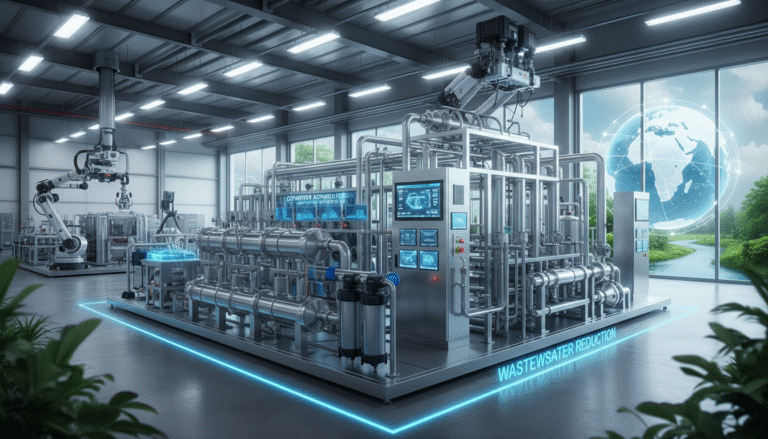
Leading water purification manufacturers have developed comprehensive equipment portfolios combining multiple treatment stages to meet diverse industrial requirements. Systems typically include pretreatment, membrane filtration, and advanced polishing technologies to ensure water safety and quality.

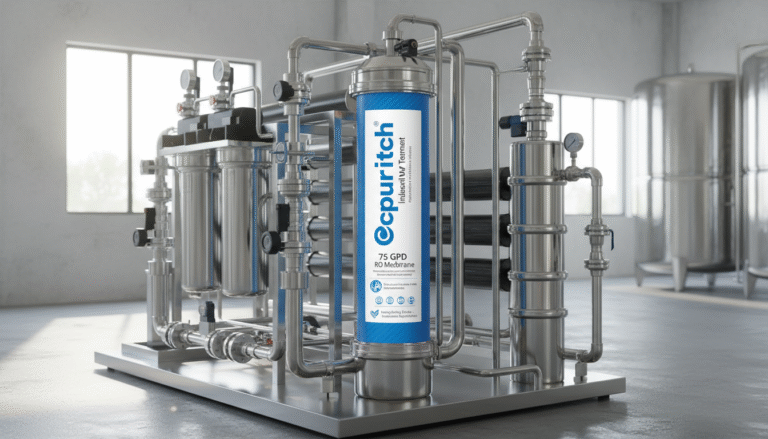
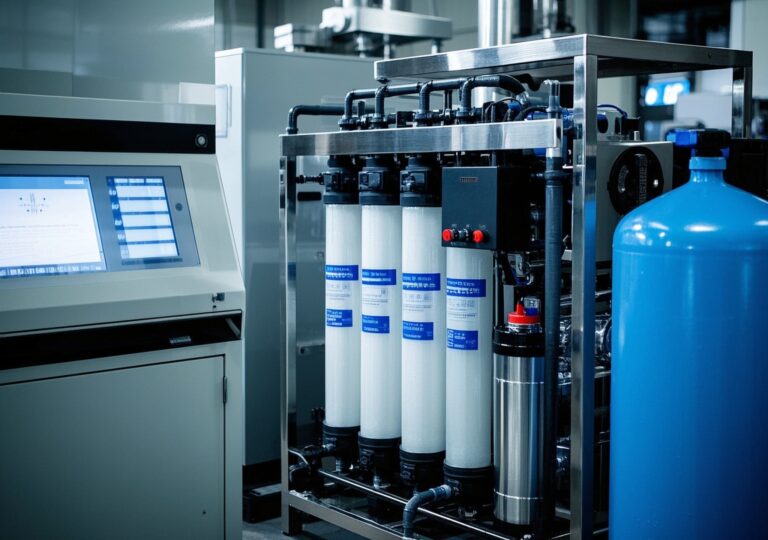
Pretreatment modules such as sand filters, carbon filters, and softeners prepare raw water by removing turbidity, chlorine, hardness, and organics, thus protecting downstream membranes. Ultrafiltration (UF) and nanofiltration (NF) membranes then reject pathogens, suspended solids, and fine particles. Reverse osmosis (RO) systems offer high rejection rates for dissolved salts and organic molecules, making them vital for producing potable water from brackish or seawater sources.
Electrodeionization (EDI) further refines water to ultrapure levels, critical for pharmaceutical, electronic, and laboratory applications. Recent innovations focus on integrating remote control and digital monitoring to optimize performance and reduce maintenance.
Sustainability and Energy Efficiency in Industrial Water Treatment
Sustainable water treatment is not only about contaminant removal but also about reducing energy consumption, chemical use, and waste generation. Manufacturers are increasingly adopting green technologies, for instance, using energy recovery devices in RO plants and designing modular systems adapted to local water conditions to minimize resource waste.

From my 14 years in the water treatment industry, including overseeing projects in Southeast Asia and Africa, I have witnessed how cutting-edge systems can reduce energy usage by up to 30% compared to conventional methods. For example, in a recent brackish water desalination project in West Africa, deploying modular RO units coupled with automated control reduced operational costs significantly and ensured compliance with stringent environmental regulations.
Industry Impact and Global Market Outlook
Regions with limited access to safe water, such as parts of South America, Asia, and Africa, represent prime markets for advanced industrial water treatment solutions. Manufacturers with robust R&D capabilities and large-scale standardized production, like those with facilities spanning over 10,000 square meters, are well-positioned to serve these markets.
Manufacturers also contribute to global water sustainability goals by improving treatment efficiency and supporting bottled water production for safe distribution. The intersection of technology innovation and social responsibility drives this sector’s expansion and leadership.
Manufacturing Excellence and Research Strength
State-of-the-art production bases equipped with stringent quality control systems ensure reliable manufacturing of water treatment equipment. Having a skilled R&D team and numerous collaborative projects enhances innovation. During my tenure managing facilities in China, the streamlined integration of manufacturing and research translated into quick prototyping cycles and improved product reliability—essential for meeting diverse industrial client demands.
Practical Case Studies Highlighting Efficacy
To illustrate, a large-scale pharmaceutical plant in Southeast Asia recently upgraded its water purification system using a combination of ultrafiltration and EDI technologies. This overhaul improved ultrapure water production by 25% and reduced maintenance downtime by 40%, directly impacting product quality and operational efficiency.
Similarly, a beverage manufacturer in South America revamped its pretreatment and RO systems for bottled water production, resulting in consistent water quality that met international health standards and enhanced brand trust.
Commitment to Environmental Responsibility
An important aspect of sustainable industrial water treatment lies in corporate philosophy. The vision “to enable everyone worldwide to drink clean, pure water through responsible Reverse Osmosis systems” reflects a deep commitment to ecological stewardship. Such values translate into product designs prioritizing minimal environmental impact and encouraging water reuse and recycling.

By combining advanced filtration technology with energy-saving innovations, many systems today help industries comply with evolving environmental regulations while promoting clean water access in underserved regions.
Key Elements for Choosing Industrial Drinking Water Treatment Systems
- Comprehensive pretreatment options tailored to raw water characteristics
- Integration of membrane filtration technologies ensuring pathogen and contaminant removal
- Inclusion of monitoring and remote control for operational efficiency
- Energy recovery and green design to minimize environmental footprint
- Proven track record through successful industrial implementations
Selecting a reliable equipment supplier with extensive industry experience and global service presence ensures tailored solutions addressing both operational and sustainability goals.
Conclusion and Industry Outlook
Industrial drinking water treatment stands at a crossroads of technology and sustainability, especially critical for emerging regions still grappling with safe water access. By leveraging advanced membrane technologies, energy efficiencies, and rigorous quality controls, businesses can safeguard water resources, improve public health, and meet strict regulatory frameworks.
Companies equipped with modern factories and expert R&D teams are leading this transformation by delivering tailored, high-performance systems globally. As demonstrated in diverse industry projects, these solutions yield measurable improvements in water quality and process economics, aligning with global water security and environmental protection objectives.
References
World Health Organization (WHO), United Nations (UN), UNICEF, Clean Water Solutions. “Fast facts: 1 in 4 people globally still lack access to safe drinking water – WHO, UNICEF (2025)”. Published August 25, 2025.