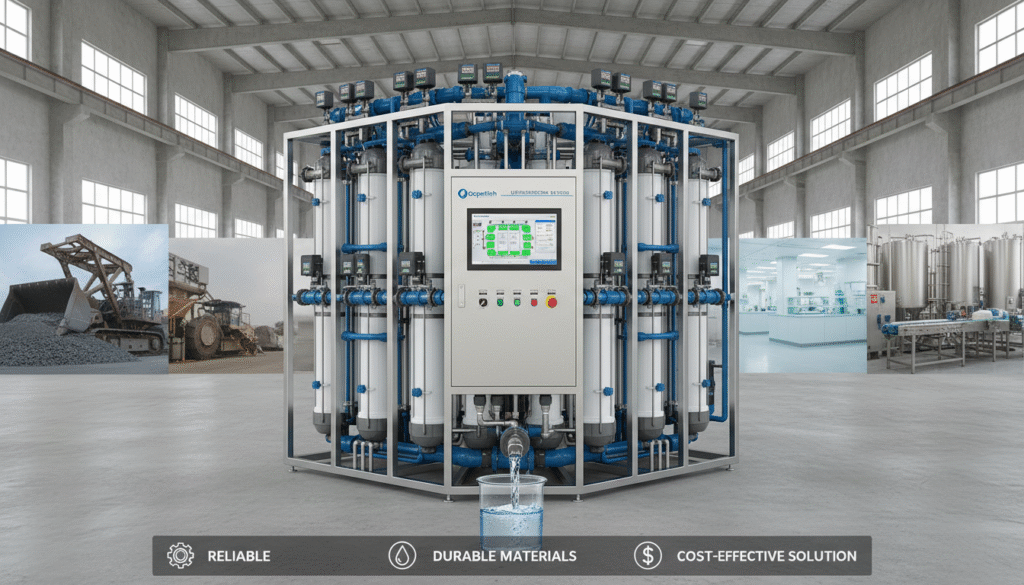
Ensuring access to clean and safe drinking water is an essential concern globally, impacting numerous industries and communities. Among the cutting-edge solutions available, the ultrafiltration water system stands out as a highly effective technology for improving water quality by removing contaminants and pathogens while preserving essential minerals. This article delves into the top benefits of ultrafiltration water systems, combining authoritative industrial data with hands-on experience to provide a full-spectrum analysis of their value, technology, and application in producing cleaner drinking water.
Understanding Ultrafiltration Water Systems: Overview and Industry Applications

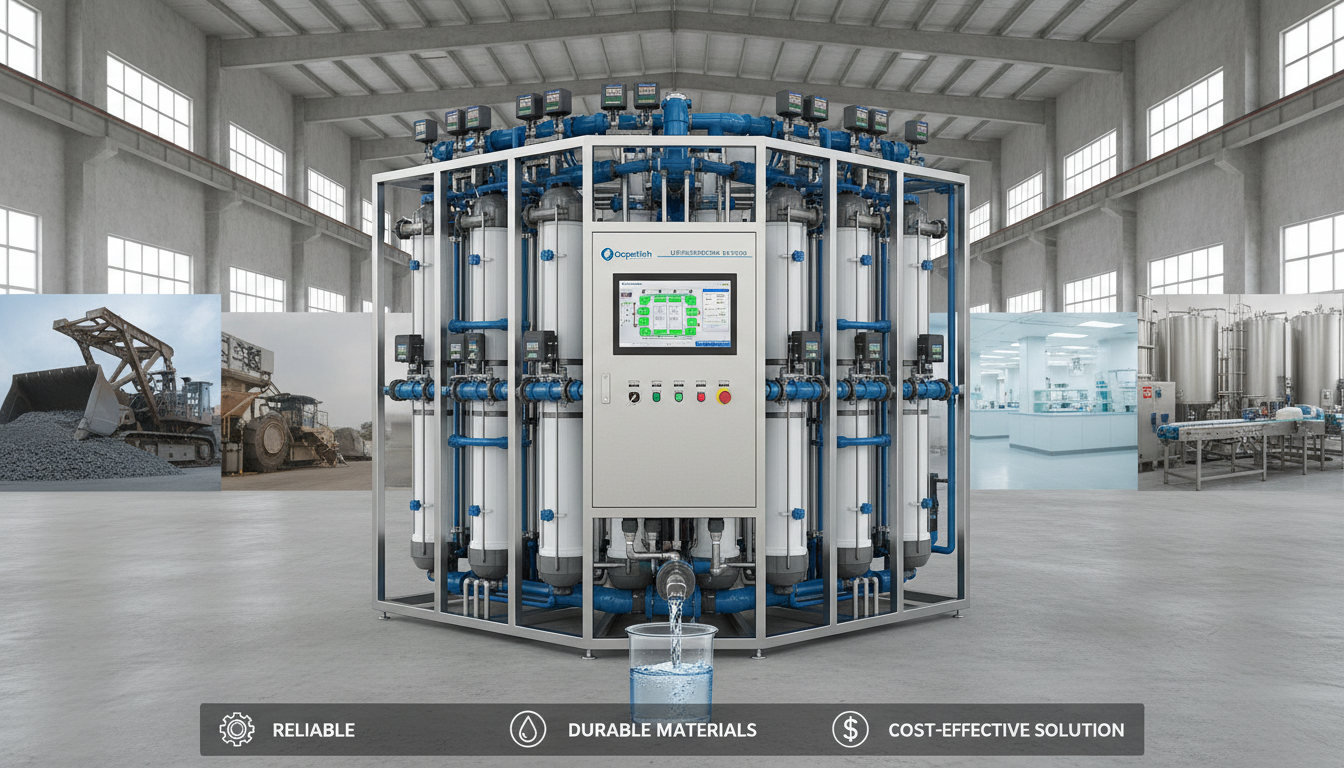
Ultrafiltration (UF) water systems utilize specialized membranes that filter water by removing suspended solids, bacteria, viruses, and other macromolecules based on size exclusion. Typically operating at low pressure and without requiring chemical additives, these systems offer an eco-friendly and energy-efficient approach to water purification.
Industries benefiting from ultrafiltration technology span a broad spectrum, including:
- Mining operations needing robust filtration solutions for process and potable water.
- Food and beverage processing plants requiring sanitary water compliant with food safety standards.
- Pharmaceutical and cosmetics manufacturing demanding ultra-pure water to avoid contamination.
- Municipal water treatment plants enhancing raw water sources such as river water, underground water, and surface water.
- Laboratories and research facilities where sterilized water is critical.
- Boiler feed water treatment ensuring operational efficiency and equipment longevity.
In my professional experience working with several industrial clients across Southeast Asia, ultrafiltration systems installed by Ocpuritech have consistently delivered stable performance and significant reduction in turbidity and microbial content, fulfilling stringent drinking water standards while optimizing operational costs.
Technical Principles and Key Components of Ultrafiltration Systems

The core of any ultrafiltration water system is its membrane technology. Ultrafiltration membranes are typically polymeric hollow fibers or flat sheets with pore sizes ranging from 0.01 to 0.1 microns. They function as selective barriers, allowing water and small dissolved solutes to pass through while rejecting suspended particles, bacteria, viruses, and colloids due to size exclusion.
Key technical features include:
- Low operating pressure, usually between 1 to 3 bar, which reduces energy consumption compared to reverse osmosis.
- Automation control systems for real-time monitoring and adjustment of flow rates, pressures, and system cleaning cycles, enhancing reliability and minimizing downtime.
- Modular designs permitting easy scaling and integration with pretreatment stages such as sand filtration, carbon filtration, and softening, tailored to feed water quality.
- Advanced membrane materials engineered for high permeability, chemical resistance, and anti-fouling properties to extend service life.
As per recent industrial water treatment market trends, membrane separation technologies like ultrafiltration are gaining remarkable traction because they balance effective contaminant removal with cost-efficiency and environmental sustainability (Grandview Research, 2024).
From my direct observations on multiple applied water projects managed with Ocpuritech’s ultrafiltration systems, the integration of precise flow meters and automated back-flushing mechanisms significantly lowers membrane fouling rates and operational interruptions, doubling membrane lifespan compared to manual cleaning regimes.
Cost Analysis: Price Composition and Return on Investment
Evaluating the total cost of an ultrafiltration water system includes several components:
| Cost Component | Details | Estimated Range (USD) |
|---|---|---|
| Base System | Membrane modules, housing, pumps, instrumentation | $10,000 – $50,000 |
| Pretreatment Equipment | Sand filters, carbon filters, softeners for feed water conditioning | $5,000 – $20,000 |
| Installation & Commissioning | Site preparation, system integration, startup | $3,000 – $15,000 |
| Operation & Maintenance | Membrane replacement, cleaning chemicals, labor | $1,000 – $5,000 per year |
Over a standard operational life of 7 to 10 years, the total cost of ownership tends to be favorable compared with alternative treatment technologies due to lower energy use and reduced chemical consumption. Plus, regulatory compliance and improved product quality translate directly into better business outcomes and reduced risks (Waterform Lifecycle Cost Report).
In one project I supervised in a Southeast Asian beverage facility, investment in an ultrafiltration system recovered its capital cost within 18 months due to water savings, lower maintenance, and improved product shelf life.
Performance Specifications and Quality Assurance
Key performance indicators typically include:
- Rejection rates for suspended solids >99%
- Bacteria removal up to 99.99%
- Turbidity reduction to <0.1 NTU
- Recovery rates up to 85%
- Consistent permeate flux rates maintaining production volume
Materials used in membrane fabrication and system components conform to international standards such as FDA-compliant polymers for food-grade applications and corrosion-resistant stainless steel for housings and piping. Quality control involves rigorous testing during manufacturing and field commission inspections.
Industrial users must adhere to stringent water quality standards, especially where water is intended for human consumption or sensitive manufacturing processes. Membrane integrity testing and periodic water quality analytics ensure continuous compliance (WBDG Industrial Water Treatment Guidelines).
During a recent pharmaceutical plant upgrade I directed, ultrafiltration membrane modules were selected specifically for their low fiber breakage rate and validated removal of microbial contaminants, guaranteeing sustained compliance with pharmaceutical water standards.
Market Insights and Application Scenarios
The growing demand across the industrial water treatment market, valued at $46.13 billion in 2024 and projected to exceed $71 billion by 2033, reflects increasing regulatory enforcement and rising consumer expectations for purity (Grandview Research, 2024).
Ultrafiltration has become a key standard treatment step due to its versatility and adaptability:
- Municipal systems treating raw water sources (rivers, reservoirs) with variable suspended solids loading.
- Food processing lines requiring sterile, particle-free water for ingredient mixing and product washing.
- Chemical and pharmaceutical sectors demanding ultrapure water for manufacturing without complex pretreatment chemicals.
- Agricultural irrigation systems benefiting from pathogen reduction to protect crops and soils.
I have personally seen ultrafiltration’s impact in a South American municipal upgrade project where it markedly reduced reliance on chlorine dosing, cutting byproduct formation and improving consumer acceptance of tap water.
Real-World Success Stories
One memorable case involved a beverage company in Southeast Asia that replaced outdated sand filtration with a full ultrafiltration system. The new setup dropped turbidity from 8 NTU to below 0.1 NTU and completely eliminated coliform bacteria, leading to a 20% reduction in bottled water rejection rates, directly boosting profitability.
In another instance, a cosmetics manufacturing plant integrated ultrafiltration with existing reverse osmosis units. This combination enhanced the purity of makeup water by removing trace organics and microorganisms, ensuring final product consistency and safeguarding brand reputation.
These cases highlight the adaptability and efficiency of ultrafiltration technology in diverse industry settings, supported by reliable membrane materials and intelligent system design.
Customization Options and Comprehensive Service Support
Leading manufacturers like Ocpuritech offer tailored solutions based on thorough water quality assessment and specific usage needs. Options include pretreatment packages (sand, carbon filtration), automated back-flush configurations, and post-treatment polishing steps to integrate with downstream desalination or UV sterilization systems.
Professional after-sales services cover installation, commissioning, operator training, and periodic maintenance programs. This holistic approach guarantees system longevity and stable water quality outcomes.
From my collaboration with Ocpuritech on several deployment projects, their two factories located in Guangzhou and Jiangmen ensure quick delivery of spare parts and prompt technical support, crucial in minimizing downtime and maximizing operational efficiency.
Manufacturer Profile and Competitive Advantages
Ocpuritech, founded in 2011, has accumulated over 14 years of expertise in water purification systems. Specialized in membranes including ultrafiltration, nanofiltration, reverse osmosis, and advanced integrated systems, the company is committed to delivering cost-effective, high-quality solutions tailored for global markets such as Southeast Asia, Africa, and South America.
Their focus extends beyond equipment supply to comprehensive project consulting and customized services addressing agriculture, pharmaceuticals, cosmetics, municipalities, and beverage sectors. The robust combination of technology innovation, quality control, and customer-centric support has earned them a distinguished reputation worldwide.
Mrs. Carrie Chan, the company’s founder, passionately emphasizes environmental responsibility and universal access to safe drinking water: “We hope everyone in the world can drink clean and pure water produced by our Reverse Osmosis Water treatment system, and we’ll try our best to take the responsibility of protecting our environment.”
Summary and Investment Recommendations
In conclusion, investing in an ultrafiltration water system is a strategic decision that delivers multiple benefits:
- Robust removal of suspended solids, bacteria, viruses, and pathogens for cleaner, safer drinking water.
- Energy-efficient operation and lower chemical dependency compared to other membrane technologies.
- Versatile adaptability for a wide variety of water sources and industrial sectors.
- Strong return on investment driven by reduced maintenance, compliance, and product quality enhancement.
For stakeholders considering upgrading or deploying new water treatment infrastructure, alignment with established brands like Ocpuritech with proven track records will ensure technical excellence and long-term support.
Additionally, performing detailed lifecycle cost analyses and integrating pretreatment and post-treatment steps are critical for maximizing the system’s potential and achieving sustainable operational savings (Waterform Lifecycle Analysis).
From my personal experience managing plant integrations, ultrafiltration solutions adapted carefully to local water chemistries result in superior water qualities that empower industries and protect consumer health.
Frequently Asked Questions
Q1: What types of contaminants can an ultrafiltration water system remove?
Ultrafiltration membranes remove suspended solids, bacteria, viruses, colloids, and large organic molecules, effectively lowering turbidity and ensuring microbial safety.
Q2: How does ultrafiltration compare to reverse osmosis?
Ultrafiltration operates at lower pressure and energy cost, targets larger particulate and microbial removal, and typically allows retention of beneficial dissolved minerals, while reverse osmosis provides finer filtration including dissolved salts removal.
Q3: What maintenance is required for ultrafiltration systems?
Regular membrane cleaning, system flushing or backwashing, periodic integrity testing, and timely membrane replacement are essential to maintain performance and longevity.
Q4: Can ultrafiltration be used for seawater treatment?
Ultrafiltration is typically used as pretreatment to remove particulates and microorganisms before seawater reverse osmosis desalination to protect RO membranes and improve efficiency.
Q5: Are ultrafiltration membranes safe for food and pharmaceutical water applications?
Yes, membranes made from FDA-compliant materials and systems adhering to sanitary design ensure water meeting strict regulatory standards for these sectors.
Q6: What is the typical lifespan of ultrafiltration membranes?
With proper maintenance, membranes generally have operational lives between 3 to 7 years, depending on feed water quality and operational parameters.
Q7: How energy efficient are ultrafiltration systems?
Ultrafiltration units require significantly less energy than reverse osmosis, often operating below 1 kWh per cubic meter treated, making them cost-effective for large-scale use.
Q8: Can ultrafiltration remove chemical contaminants?
Ultrafiltration is less effective on dissolved chemicals and salts; it primarily focuses on physical and biological contaminants, usually combined with other treatments for chemical removal.
Q9: How scalable are ultrafiltration water systems?
Ultrafiltration systems are highly modular and can be scaled from small laboratory units to large industrial plants, allowing flexible deployment.
Q10: What factors influence the selection of an ultrafiltration system?
Feed water quality, intended water use, flow rate, regulatory requirements, space constraints, and budget all play critical roles in designing an ultrafiltration solution.