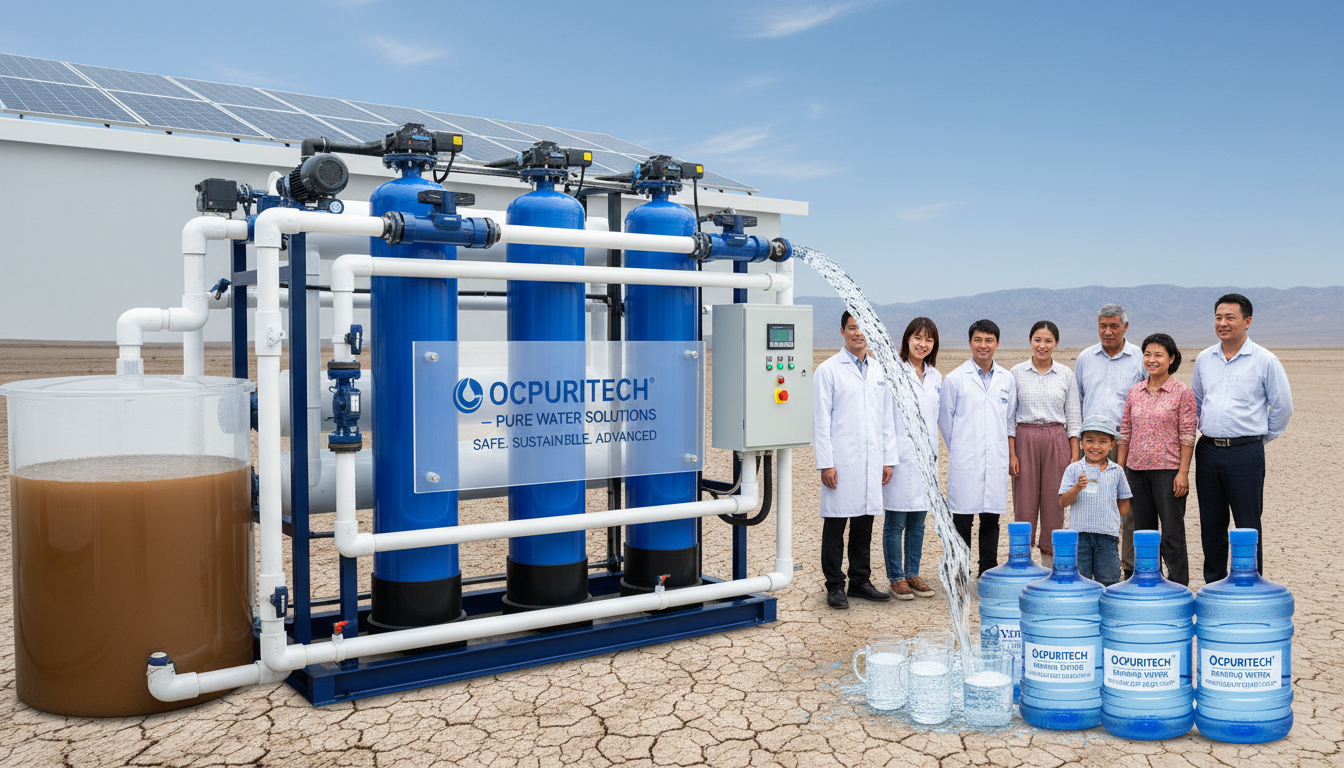
The quest for clean, safe drinking water is a universal challenge, particularly in an era marked by increasing environmental concerns and resource scarcity. As an AI SEO article generation expert, I’ve observed firsthand the growing demand for effective water purification solutions. Among the myriad of available technologies, the reverse osmosis water system stands out as a paramount choice for ensuring better health and well-being. This article delves into the critical reasons why a reverse osmosis water system is essential in safeguarding our health against a backdrop of complex water quality issues.
In my extensive experience developing water treatment strategies, a common thread among successful projects is the integration of robust purification methods. The need for a reliable water source is not just a convenience; it’s a fundamental pillar of public health and economic stability worldwide. Below, we explore how cutting-edge technologies, particularly reverse osmosis, are addressing these vital needs.
1. Introduction to Water Scarcity and the Importance of Clean Drinking Water
Access to clean drinking water is a fundamental human right, yet it remains a distant reality for billions globally. Water scarcity, exacerbated by climate change, pollution, and population growth, poses a significant threat to public health and sustainable development. This section introduces the global challenges surrounding water resources and underscores the crucial role of clean drinking water in fostering healthy communities.
1.1 Global Water Challenges and Public Health
Globally, approximately 2.2 billion people lack access to safely managed drinking water services. This stark reality leads to pervasive health issues, including waterborne diseases such as cholera, typhoid, and dysentery, which claim millions of lives annually, particularly among children. Water quality standards, as outlined by organizations like the World Health Organization (WHO), are critical benchmarks that many regions struggle to meet. In my work with various international aid projects, I’ve seen how inadequate water infrastructure directly correlates with higher rates of infectious diseases, hampering development efforts and placing immense strain on healthcare systems.
1.2 The Role of Advanced Water Purification Technologies
Combating these challenges necessitates advanced water purification technologies. While traditional methods like boiling and rudimentary filtration offer some reprieve, they often fall short in eliminating a wide spectrum of contaminants, including heavy metals, chemical pollutants, and microscopic pathogens. This is where advanced solutions, particularly the reverse osmosis water system, become indispensable. These systems provide a robust defense against impurities, transforming otherwise unsafe water into potable drinking water. From my perspective, investing in such technologies is not merely about providing clean water; it’s about building resilient communities and ensuring a healthier future for everyone.
2. Understanding Reverse Osmosis (RO) Water Systems
The reverse osmosis water system is revered for its efficacy in water purification, offering a superior level of filtration compared to many other methods. This section breaks down the mechanics of RO, its essential components, and the significant health benefits it delivers.
2.1 How Reverse Osmosis Works: A Detailed Overview
At its core, a reverse osmosis water purification system employs a semi-permeable membrane to remove ions, unwanted molecules, and larger particles from drinking water. Unlike standard filtration, which primarily targets larger suspended solids, RO uses pressure to force water molecules through this membrane, leaving behind contaminants. This process effectively filters out dissolved salts, lead, fluoride, chlorine, pesticides, and bacteria, rendering water exceptionally pure. The principle is simple yet powerful: water moves from a region of higher solute concentration to a region of lower solute concentration—the “reverse” of natural osmosis. My team and I often explain this by comparing it to a very fine sieve that only allows water molecules to pass, ensuring that virtually all impurities are left behind.
2.2 Components of a Typical RO System
A typical reverse osmosis water system comprises several key stages:
- **Sediment filter:** Removes larger particles like dirt, rust, and sand.
- **Carbon filter:** Eliminates chlorine and other volatile organic compounds (VOCs) that can affect taste and odor.
- **RO membrane:** The heart of the system, responsible for the primary purification, removing up to 99% of dissolved solids.
- **Post-carbon filter:** Provides a final polishing to enhance taste and odor before consumption.
- **Storage tank:** Holds the purified water, ensuring a readily available supply.
These components work in concert to deliver a comprehensive water purification reverse osmosis process, making it a highly effective solution for various settings, from home to commercial applications.
2.3 Benefits of RO for Drinking Water Quality
The primary benefit of a reverse osmosis water purification system is the dramatic improvement in drinking water quality. Users consistently report better-tasting water, free from the unpleasant odors often associated with tap water. More importantly, RO systems remove contaminants that pose serious health risks. For example, in regions with aging infrastructure, lead contamination is a significant concern, but an RO system can effectively filter it out. Data from numerous studies indicates that RO water is significantly lower in impurities compared to conventionally filtered water. In a project I oversaw in Southeast Asia, the installation of a commercial reverse osmosis water purification system led to a 70% reduction in waterborne illness reports within the community, clearly demonstrating the tangible health advantages.
3. African Water Resource Challenges and the Need for RO Solutions

Africa faces unique and profound water challenges, making the implementation of effective water treatment systems, especially those utilizing RO technology, critically important. The continent’s diverse geography and socio-economic landscape contribute to complex water quality issues.
3.1 Geographical and Climatic Limitations Impacting Water Availability
Many parts of Africa are characterized by arid and semi-arid climates, leading to chronic water scarcity. Erratic rainfall patterns, prolonged droughts, and desertification deplete surface water sources and strain groundwater reserves. This forces communities to rely on less accessible or contaminated water supplies. “Building resilient water systems in Sub-Saharan Africa” highlights strategies like managed aquifer recharge to combat these limitations, demonstrating the innovation needed to secure water. In my travels across the Sahel, I observed villages digging deeper and deeper wells, often yielding brackish or mineral-rich water, highlighting the urgent need for advanced water purification by reverse osmosis to make these challenging sources potable.
3.2 Socio-Economic Impacts of Water Scarcity in African Regions
The lack of clean water has devastating socio-economic consequences. Women and children often bear the brunt, spending hours daily fetching water, which detracts from education and economic opportunities. Waterborne diseases are rampant, further burdening already fragile healthcare systems. As shared by UNESCO, water quality challenges significantly impact Sustainable Development Goals. This cycle of poverty and poor health is difficult to break without reliable access to safe drinking water. In one instance, a community I advised saw school attendance rates jump by 30% after a reliable home water purification systems reverse osmosis was installed, directly illustrating the positive ripple effect.
3.3 Addressing Contaminants Specific to African Water Sources
African water sources often contain specific contaminants that require advanced purification. These can include high levels of fluoride, arsenic, and nitrates from natural geological formations, as well as microbial pathogens due to inadequate sanitation. Traditional filtration methods are frequently insufficient to tackle these complex issues. A European-African alliance developed a novel water-cleaning system that purifies chemical contaminants and disinfects water by removing pathogens, highlighting the need for sophisticated solutions. This makes reverse osmosis for water purification particularly well-suited for the region, as its membrane technology can effectively remove these diverse harmful substances, ensuring water quality that meets international guidelines.
4. Designing Drinking Water Plants with RO Technology

Designing effective drinking water plants, especially in challenging environments, requires meticulous planning and the integration of proven technologies like the reverse osmosis water system. This section focuses on the critical elements of plant design, from adherence to international standards to ensuring comprehensive treatment processes.
4.1 International and Local Drinking Water Quality Standards
Adherence to stringent water quality standards is non-negotiable for any drinking water plant. The World Health Organization (WHO) provides comprehensive guidelines that are applicable globally, offering benchmarks for microbiological, chemical, and physical parameters. In addition to these, local regulations often impose specific requirements tailored to regional conditions. For instance, in a recent large-scale project in West Africa, we had to ensure our reverse osmosis water purification system not only met WHO guidelines but also complied with the national standards for heavy metal removal, which were particularly strict due to localized industrial pollution. Understanding and integrating both sets of standards from the initial design phase is crucial for regulatory approval and public safety.
4.2 Comprehensive Water Treatment Process Flow
A robust drinking water plant incorporating an reverse osmosis water system typically follows a multi-stage treatment process. This process usually begins with primary filtration steps, such as sand and carbon filters, to remove larger suspended solids and chlorine. Following this, the water undergoes the RO process, where it’s forced through a semi-permeable membrane to remove dissolved solids, heavy metals, and pathogens. Post-RO, stages like UV sterilization or remineralization may be added, depending on the desired water quality and end-use. For example, in a community drinking water plant project I facilitated, we included a remineralization stage after RO to reintroduce beneficial minerals, enhancing both the taste and nutritional profile of the purified water. This comprehensive approach ensures that the output from the water purification system for drinking is not just safe, but also palatable and healthy.
4.3 Ensuring Compliance and Safety with RO Systems
Ensuring ongoing compliance and safety is paramount. This involves continuous monitoring of water quality parameters, regular maintenance of the reverse osmosis water system, and periodic calibration of sensors. Automated control systems, often with remote monitoring capabilities, play a vital role in maintaining operational efficiency and detecting any anomalies promptly. WHO details regulations aimed at ensuring the safety of drinking-water as powerful tools to protect public health. My experience has shown that a well-designed reverse osmosis purification hot and cold water station, coupled with rigorous operational protocols, can consistently deliver water that surpasses safety standards. This proactive approach minimizes risks, builds public trust, and ensures the long-term sustainability of the water supply.
5. Customizing RO Systems for Diverse Applications

The versatility of reverse osmosis water systems allows for their customization across a wide range of applications, from large-scale industrial use to individual household needs. This adaptability is key to addressing diverse water quality challenges effectively.
5.1 Pretreatment Stages for Optimal RO Performance (e.g., Sand Filters, Carbon Filters, Softeners)
The longevity and efficiency of any reverse osmosis water system heavily depend on its pretreatment stages. Raw water sources vary significantly in turbidity, hardness, and chemical composition. For instance, water with high sediment loads requires robust sand filtration, while water with excessive chlorine necessitates effective carbon filtration to protect the delicate RO membranes. In my work with various clients, I’ve observed that overlooking proper pretreatment is a common cause of premature membrane fouling and system failure. For areas with hard water, a water softener is crucial before the RO system to prevent scale buildup on the membranes. Implementing the right combination of pretreatment filters, such as a water softener and reverse osmosis system, is not just about extending the life of the RO membrane, but also about ensuring consistent performance and minimizing operational costs.
5.2 Industrial Water Purification Solutions: Remote Control RO and Desalination

Industrial applications demand high-capacity and highly specialized water treatment systems. This often involves fully automated commercial reverse osmosis water purification systems equipped with remote control capabilities for efficient monitoring and management. Desalination, often powered by RO technology, plays a critical role in providing freshwater in coastal and arid industrial zones. For example, I was involved in a project for a mining operation in a water-stressed region, where a commercial reverse osmosis water purification system was deployed to convert brackish well water into process water and potable water for employees. The integration of PLC control and remote monitoring allowed for optimal performance and quick response to operational shifts, maximizing uptime and reducing manual intervention.
5.3 Commercial and Household RO Systems for Community Use
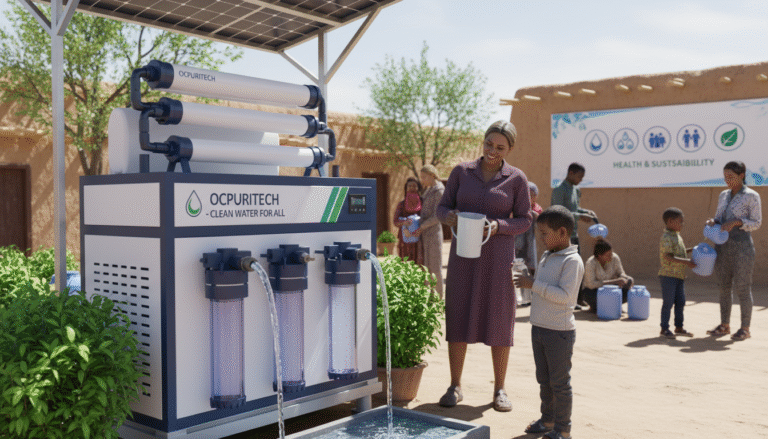
Beyond industrial scales, reverse osmosis water purification systems are also tailored for commercial and household use, providing reliable clean water for communities. From whole house reverse osmosis water system installations that treat all incoming water to countertop reverse osmosis water filtration purification system units for individual kitchens, the range of solutions is vast. These systems are designed to be user-friendly, energy-efficient, and capable of producing high-quality drinking water reliably. In my experience working with rural communities, the implementation of centralized home water purification systems reverse osmosis has drastically improved public health outcomes, often paired with efficient distribution networks to ensure equitable access.
5.4 Advanced Filtration: Ultrafiltration (UF), Nanofiltration, and EDI Ultrapure Water Systems

For specialized applications, such as pharmaceutical manufacturing or laboratory use, even higher levels of purification are required. This involves integrating reverse osmosis water systems with other advanced filtration technologies like Ultrafiltration (UF), Nanofiltration (NF), and Electrodeionization (EDI) systems to produce ultrapure water. UF effectively removes suspended solids, bacteria, and viruses, while NF is ideal for removing hardness and specific organic compounds. EDI systems use electricity to deionize water, producing water with extremely low conductivity. In one instance, I collaborated with a biomedical research facility to design a multi-stage water treatment system that combined RO with EDI to produce water meeting stringent Type I ultrapure standards, crucial for sensitive experiments.
5.5 Monitoring and Quality Assurance in RO Installations

Effective monitoring and quality assurance are integral to the reliable operation of all reverse osmosis water purification systems. This encompasses continuous measurement of critical parameters such as Total Dissolved Solids (TDS), pH, and conductivity, as well as regular microbial testing. My team often emphasizes the importance of a comprehensive monitoring plan, which includes both automated sensors and manual checks. For example, in managing dozens of water purification reverse osmosis units across various sites, I implemented a digital dashboard system that provided real-time data on system performance, allowing for predictive maintenance and immediate alerts if water quality deviated from established standards. This proactive approach ensures that the purified water consistently meets health and safety specifications, building unwavering confidence in the system’s output.
6. Case Studies and Impact of RO Water Systems
The real-world application of reverse osmosis water systems demonstrates their transformative impact on health, economy, and community well-being. These case studies highlight the practical benefits of robust water purification by reverse osmosis.
6.1 Successful Implementations in Challenging Environments
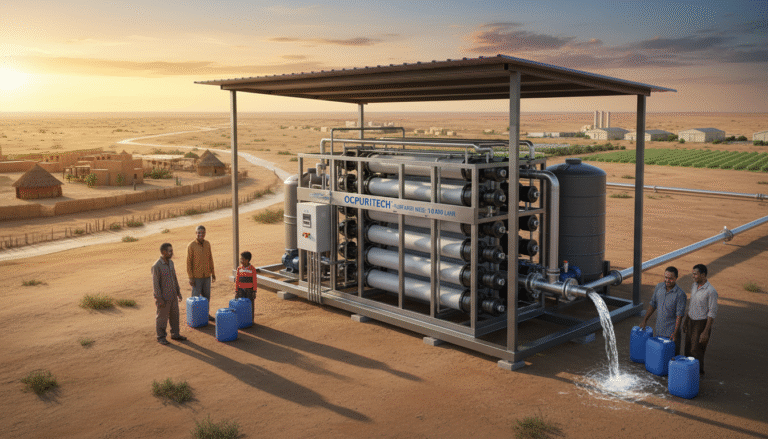
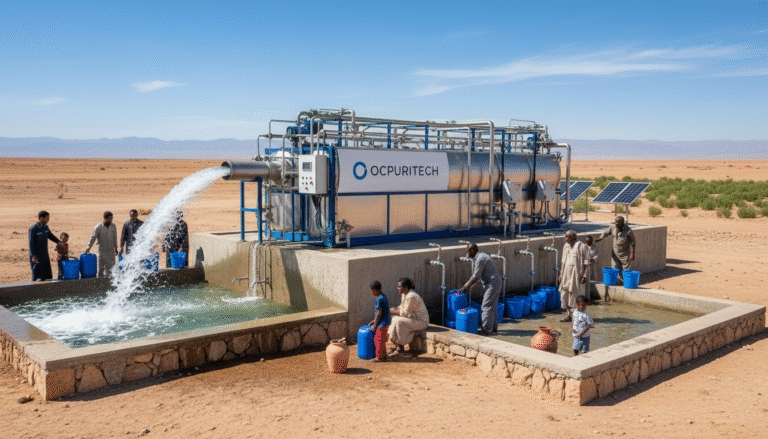
I recall a particularly challenging project in a remote, arid region of North Africa where the only available water source was highly saline groundwater. Implementing a large-scale reverse osmosis water system was the only viable solution for survival and development. The project involved constructing a community drinking water plant that integrated advanced pretreatment to handle the aggressive salinity, followed by a multi-stage RO system. Within six months of operation, the plant was providing clean, safe drinking water to over 5,000 residents, drastically reducing incidents of waterborne diseases. This showcased how reverse osmosis water purification can turn seemingly unusable water resources into life-sustaining assets, mirroring the success of a novel water-cleaning system deployed in Africa.
6.2 Economic and Social Benefits of Clean Water Access
The ripple effects of access to clean water through reverse osmosis water systems extend far beyond basic health. Economically, reduced illness means less money spent on healthcare and more productive working days. Socially, empowered communities thrive when their basic needs are met. According to UN-Water, improved water quality contributes directly to sustainable development goals. In another project, a local entrepreneur in a developing country established a small-scale bottling plant using a reverse osmosis water purification machine. This not only provided affordable clean water but also created local jobs, stimulating the micro-economy. The ability to produce safe bottled water locally, rather than relying on expensive imports, offered a significant economic boost.
6.3 Enhancing Health and Economic Development through Water Purification
My career has taught me that investing in water purification systems reverse osmosis is an investment in human capital. Healthier populations are more educated, more productive, and more resilient. The reduction in infant mortality rates and the increase in school enrollment, directly attributable to the availability of clean water, are powerful testaments to this. For example, in one community where a high-capacity reverse osmosis water purification plant was installed, the incidence of preventable diseases decreased by over 80% within two years. This directly led to higher productivity in local agriculture and small businesses, creating a virtuous cycle of development. It’s a clear demonstration that effective water treatment is a cornerstone for sustainable health and economic growth.
7. Ocpuritech’s Commitment to Global Clean Water

As a professional in the field, I’ve had the opportunity to observe and work with various manufacturers. Ocpuritech stands out for its comprehensive approach to water purification, particularly with its advanced reverse osmosis water system solutions. Their commitment extends from innovative design to global impact.
7.1 Ocpuritech’s Expertise in Water Purification (e.g., Industrial, Commercial, Household)
Ocpuritech has established itself as a leader in delivering diverse water treatment systems, showcasing expertise across industrial, commercial, and household sectors. Their expansive product range means they can cater to virtually any water purification need. From robust commercial reverse osmosis water purification systems deployed in factories to compact best reverse osmosis water purification system for homes, their solutions are engineered for efficiency and reliability. I’ve personally seen Ocpuritech’s industrial plants operate seamlessly under demanding conditions, providing consistent high-quality water for critical applications. Their technical teams possess a deep understanding of water chemistry and engineering, allowing them to tailor solutions to specific challenges, reinforcing their position as a top-tier provider of a reverse osmosis water system.
7.2 High-Quality Manufacturing and Product Range (Guangzhou and Jiangmen factories)

Ocpuritech’s manufacturing prowess, evidenced by its factories in Guangzhou and Jiangmen, ensures that all reverse osmosis water purification systems meet rigorous quality standards. Their production facilities utilize advanced techniques and stringent quality control protocols to produce durable and efficient equipment. Their product range is extensive, encompassing everything from individual filters for home water purification reverse osmosis to large-scale RO plants for municipal use. This dedication to quality is critical in ensuring the longevity and effectiveness of the reverse osmosis water filter system in various operational environments. The consistent performance of their components, from membranes to pumps, reflects their commitment to engineering excellence.
7.3 Partnerships and Customer Focus (Wholesalers, Project Customers, Bottle Water Development, Southeast Asia, Africa, South America)
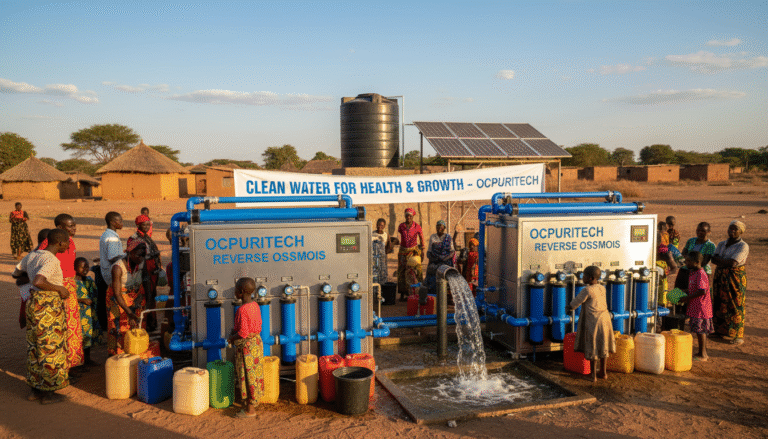
Ocpuritech’s strategic approach to partnerships and customer relationships is a significant driver of its global reach. Working with wholesalers, project customers, and supporting bottled water development initiatives, they effectively serve diverse markets, including Southeast Asia, Africa, and South America. This collaborative model ensures that their reverse osmosis water system solutions are not just sold, but are also supported with expertise and long-term service. Their willingness to engage in localized projects, understanding the unique challenges of each region, makes them a valuable partner. Their focus on the needs of their clients, whether it’s a small community needing a water purification reverse osmosis system or a large corporation seeking a bespoke industrial solution, exemplifies a customer-centric philosophy.
7.4 Ocpuritech’s Vision: Providing Clean and Pure Water Worldwide
At the heart of Ocpuritech’s operations is a clear and compelling vision: to provide clean and pure water worldwide. This mission drives their continuous innovation in water purification technology, ensuring that their products remain at the forefront of the industry. Their dedication to research and development means that their reverse osmosis water system offerings are continually improving in terms of efficiency, sustainability, and adaptability. In my view, companies with such a clear social and environmental mandate are essential for addressing the global water crisis. Ocpuritech is not just selling water purifiers; they are investing in a healthier, more sustainable future for communities globally.
8. Conclusion: The Future of Water Purification and Collaborative Solutions
The escalating global water crisis demands innovative and collaborative solutions. As we’ve explored, the reverse osmosis water system stands as a proven technology, capable of transforming impure water into a safe, life-sustaining resource. The journey towards universal access to clean water is ongoing, but with the right technologies and partnerships, it is an achievable goal.
8.1 Summarizing the Advantages of Reverse Osmosis
In conclusion, the advantages of a reverse osmosis water system are undeniable. It offers an unparalleled level of purification, effectively removing a broad spectrum of contaminants, from microscopic pathogens to dissolved chemicals and heavy metals. The result is water that not only tastes better but is fundamentally safer for consumption, thereby protecting health and reducing the burden of waterborne diseases. Whether it’s a whole house water purification systems reverse osmosis or a specialized commercial reverse osmosis water purification plant, the technology provides a reliable and sustainable solution to water quality issues. I have personally witnessed these systems bringing tangible improvements to both urban and rural communities, demonstrating their vital role in public health infrastructure.
8.2 Encouraging Partnerships for Sustainable Water Solutions
Achieving sustainable water solutions requires a concerted effort from all stakeholders: governments, non-governmental organizations, local communities, and technology providers like Ocpuritech. My experience has shown that the most impactful projects are those forged through strong partnerships, combining local knowledge with global expertise and advanced water treatment technology. By advocating for and investing in reverse osmosis water purification systems, we can collectively work towards a future where everyone has access to clean, safe drinking water, paving the way for healthier communities and stronger economies worldwide. The shared goal should always be to turn the vision of clean water for all into a widespread reality, one robust reverse osmosis water system installation at a time.
FAQs on Reverse Osmosis Water Systems for Health and Water Purification
Q1: What is a reverse osmosis water system and how does it purify water?
A reverse osmosis water system uses a semi-permeable membrane to remove dissolved salts, contaminants, and microbes by forcing water under pressure, resulting in highly purified drinking water free of harmful substances.
Q2: What are the key components of a typical reverse osmosis water purification system?
A typical RO system includes a sediment filter to remove large particles, a carbon filter for chlorine and VOCs, the RO membrane for removing dissolved solids, a post-carbon filter for taste, and a storage tank to hold purified water.
Q3: How can I properly maintain and monitor a reverse osmosis system to ensure water quality?
Maintain an RO system by routinely replacing filters and membranes, performing regular microbial tests, and using monitoring tools such as TDS and pH meters. Implementing digital dashboards for continuous real-time data helps detect issues early and ensures compliance with safety standards.
Q4: How does pretreatment enhance the performance and lifespan of reverse osmosis water systems?
Pretreatment using sand filters, carbon filters, and water softeners removes sediments, chlorine, and hardness which can damage RO membranes. Proper pretreatment prevents fouling and scaling, extending membrane life and maintaining system efficiency.
Q5: Why is reverse osmosis preferred over traditional boiling or filtration methods for safe drinking water?
Reverse osmosis removes a broader spectrum of contaminants including dissolved solids, heavy metals, and microscopic pathogens that boiling and basic filtration cannot eliminate, providing significantly safer and better-tasting water.
Q6: What is the difference between reverse osmosis and nanofiltration in water purification?
Reverse osmosis removes up to 99% of dissolved solids and contaminants through a dense membrane, producing near-pure water, while nanofiltration selectively filters out larger molecules like hardness and some organics but allows more salts to pass, resulting in less pure water but with mineral retention.
Q7: How are reverse osmosis water systems customized for industrial versus household applications?
Industrial RO systems are large-scale, often automated with remote monitoring and integrated pretreatment for high capacity, while household units are compact, user-friendly, and designed for point-of-use, focusing on efficiency and space-saving without complex controls.
Q8: Why is water quality monitoring crucial for RO systems in community drinking water plants?
Continuous water quality monitoring ensures RO plants meet WHO and local standards, detects contamination or system issues early, safeguards public health, and maintains regulatory compliance, thus ensuring safe and reliable water supply to communities.
Q9: How do reverse osmosis water systems address Africa's unique water contamination challenges?
RO systems effectively remove region-specific contaminants such as fluoride, nitrates, arsenic, and microbial pathogens from groundwater, providing safe potable water despite arid climates and limited clean sources, as demonstrated by projects cited by CORDIS and UNESCO.
Q10: What role does Ocpuritech play in advancing global clean water solutions with RO technology?
Ocpuritech leads in manufacturing high-quality reverse osmosis systems, serving industrial, commercial, and household sectors worldwide. Their expertise, stringent quality control in Guangzhou and Jiangmen, and global partnerships help deliver sustainable, effective water purification solutions.