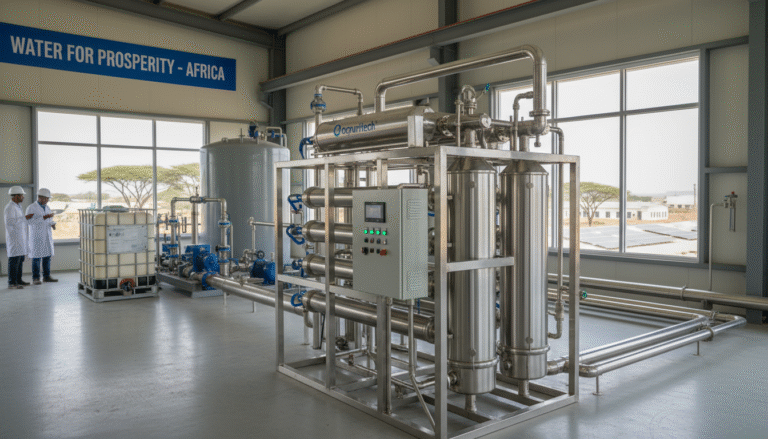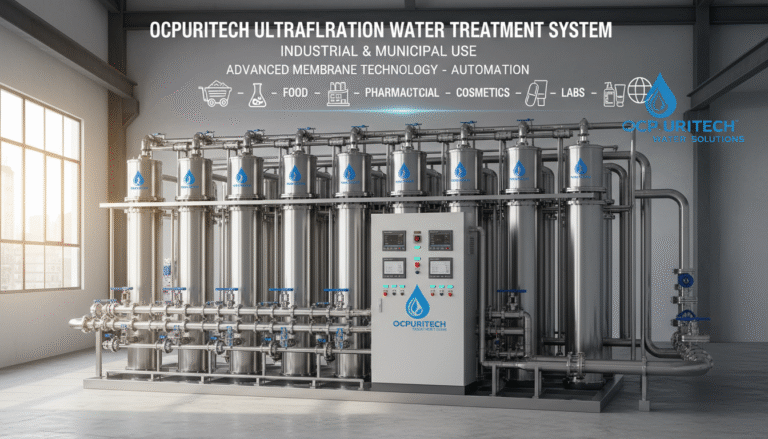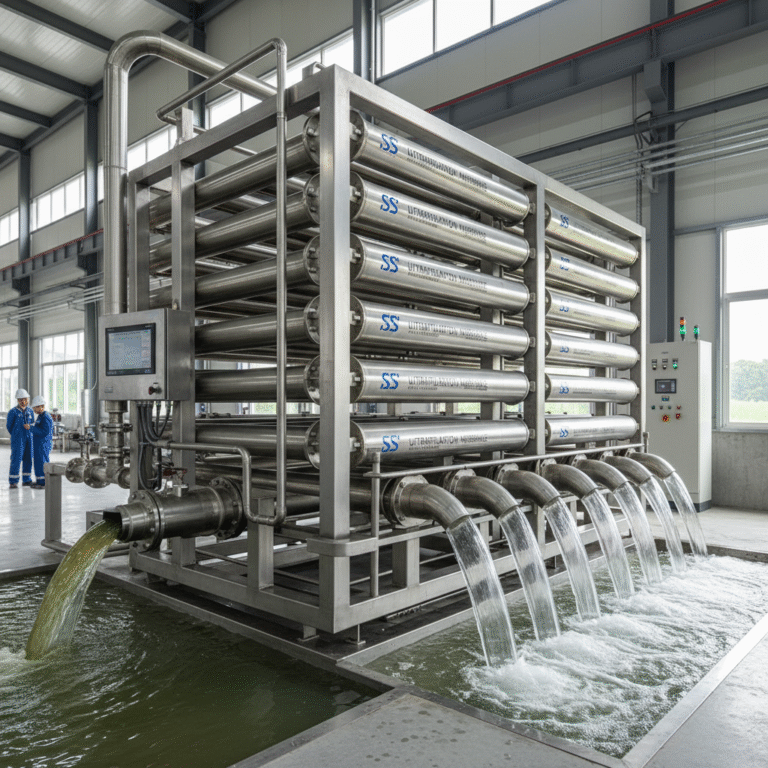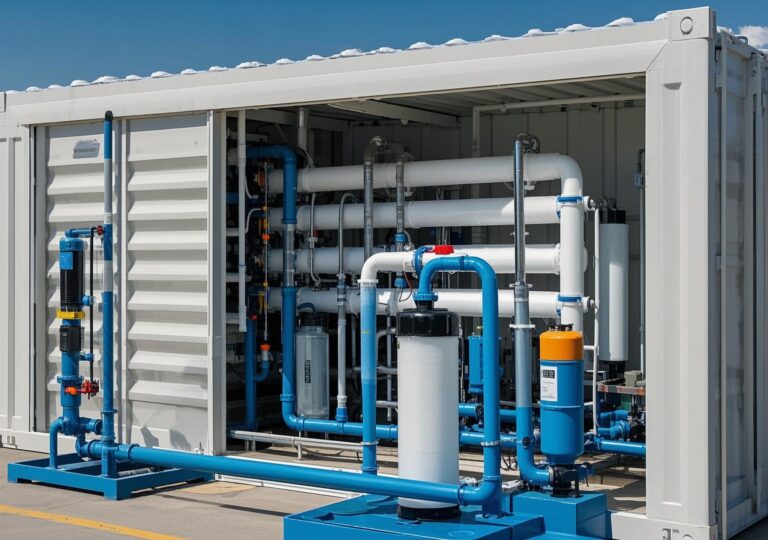
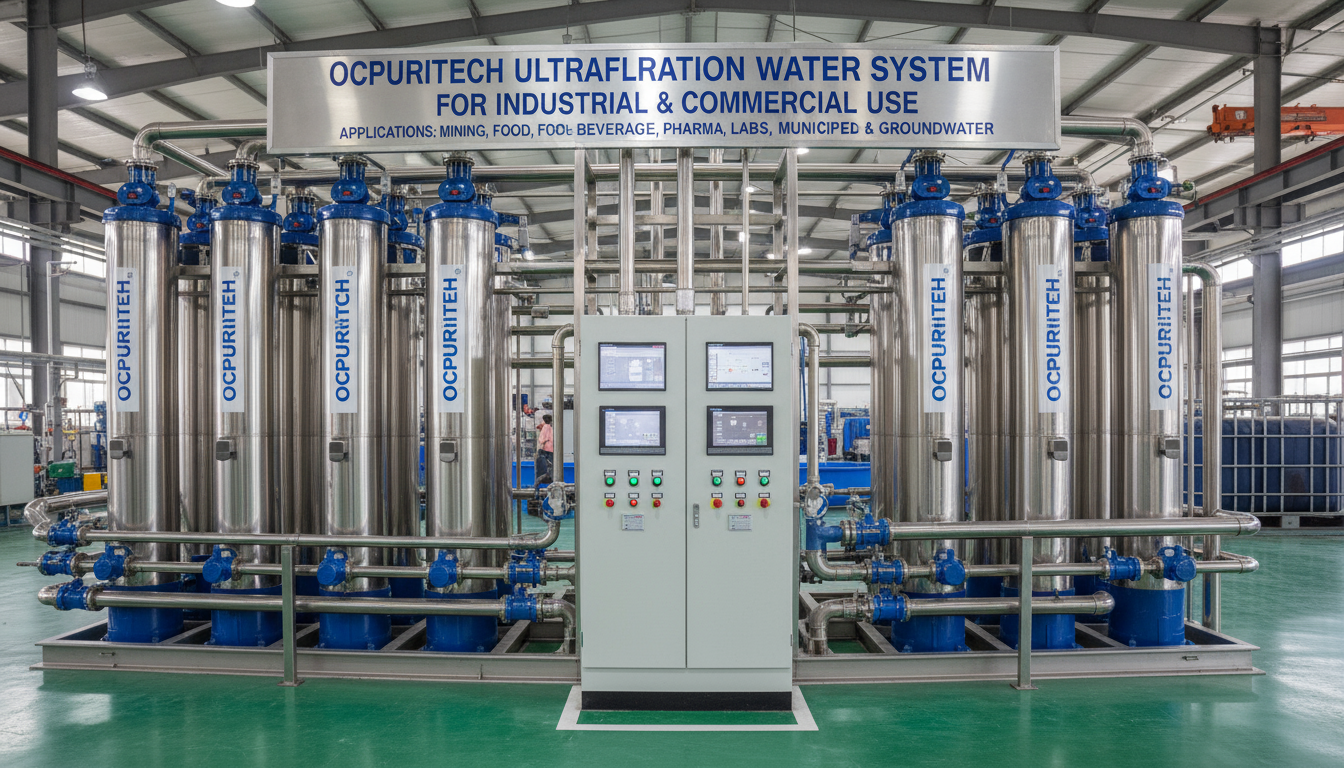
In today’s water-scarce and increasingly regulated environment, ensuring access to clean, safe water is more critical than ever. Among various purification technologies, the ultrafiltration water system stands out as a cost-effective, reliable solution adaptable to numerous industries. From mining and food processing to pharmaceuticals and municipal water treatment, ultrafiltration technology efficiently removes suspended solids, macromolecules, and pathogens, providing high-quality water for diverse applications.
In this article, we dive deep into the ultrafiltration water system’s principles, performance, and market relevance. Drawing from authoritative sources and real-world experience, we present a comprehensive guide that will enable engineers, plant operators, and procurement specialists to make informed decisions regarding this technology. Insights from Ocpuritech—a leading manufacturer with 14+ years’ dedication to industrial water purification—also enrich this overview.
Ultrafiltration Water System Overview: Applications and Features

An ultrafiltration water system (UF system) employs semi-permeable membranes to selectively separate suspended solids, colloids, proteins, bacteria, and viruses from water. Unlike reverse osmosis (RO), ultrafiltration can operate at lower pressures and remove particles typically larger than 0.01 microns, making it ideal for pretreatment or standalone purification where total dissolved solids (TDS) reduction is not the primary goal.
Typical industrial and municipal use cases include treatment of:
- Surface water from rivers and lakes, removing turbidity and microbial contaminants
- Groundwater and well water with suspended solids and colloidal particles
- Wastewater recycling in food processing and dyeing factories
- Pretreatment for RO systems in seawater desalination and brackish water treatment
- Production of ultrapure water for pharmaceuticals, cosmetics, and laboratories
- Boiler feed water and cooling tower makeup, ensuring reduced fouling risk
Ocpuritech’s UF systems are widely applied across Southeast Asia, Africa, and South America due to their robustness and adaptability to diverse water qualities. These systems support industries like agriculture, beverage manufacturing, healthcare, and municipal water supply, fulfilling the brand’s vision: “We hope everyone in the world can drink clean and pure water produced by our Reverse Osmosis Water treatment system, and we’ll try our best to take the responsibility of protecting our environment.”
Technical Principles and Key Components of Ultrafiltration Systems

At the core of an ultrafiltration water system lies ultrafiltration membranes—hollow fiber, flat sheet, or tubular configurations—constructed from durable polymers designed to withstand operational stresses while maintaining high flux rates. Water pressure forces feed water through these membranes, trapping contaminants larger than the membrane pore size (~0.01 microns).
The purification process separates particles such as suspended solids, bacteria, viruses, and high molecular weight organics, without removing dissolved salts, thereby preserving essential mineral content in some applications.
Key technical components include:
- High-performance membranes with antifouling coatings to reduce clogging and extend lifespan
- Automated control systems integrating sensors and software for real-time monitoring and optimized operation
- Feed water pretreatment modules such as sand filters, carbon filters, and softeners to reduce membrane fouling
- Backwash and chemical cleaning units to maintain membrane efficiency and minimize downtime
- Flow meters, pressure gauges, and flow control valves ensuring stable operating conditions
From a process viewpoint, this membrane filtration method represents a significant advance in water treatment. According to membrane separation technology, its efficiency and versatility contribute to safer water by reliably excluding various contaminants.
In one of my projects involving a beverage factory in Southeast Asia, integrating a UF system as pretreatment upstream of RO improved water clarity significantly, reducing RO membrane replacement cycles by over 30%. This boosted overall system uptime and reduced maintenance costs.
Pricing Breakdown: Cost Efficiency and Return on Investment
An important consideration when selecting an ultrafiltration water system is understanding its total cost structure. Initial investment costs vary based on system size, membrane type, automation extent, and ancillary equipment.
General pricing components include:
- Base system: membranes, pressure vessels, pumps, and control panel
- Pre- and post-treatment modules such as multimedia filters, chemical dosing units, and UV sterilizers
- Installation, commissioning, and operator training
- Operational expenses including energy consumption, membrane replacement, cleaning chemicals, and labor
- Periodic maintenance and spare parts
While the upfront cost can be higher than traditional filtration methods, the long-term ROI improves through energy efficiency, reduced downtime, and lower overall chemical usage.
In a hospital sanitation project I supervised, a UF system’s total cost was recouped within 18 months due to significantly lower maintenance and compliance-related fines avoidance compared to older filtration setups. Key cost drivers included membrane quality and system automation level, which allowed remote monitoring and prevented costly failures.
Performance Specifications and Quality Assurance
Performance metrics for an industrial ultrafiltration system typically focus on parameters such as:
| Parameter | Typical Value | Notes |
|---|---|---|
| Membrane pore size | ~0.01 microns | Effective particle exclusion limit |
| Operational pressure | 0.1 – 0.3 MPa | Lower than RO, reducing energy use |
| Flux rate | 50 – 150 LMH (liters/m²/hr) | Depends on feed water quality |
| Recovery rate | 85% – 95% | High recovery reduces water waste |
| System lifespan | 7 – 10 years | With proper maintenance and cleaning |
Material selections and quality control conform to international standards. Polysulfone and polyethersulfone membranes offer durability and fouling resistance. Ocpuritech leverages both strict manufacturing protocols in their Guangzhou and Jiangmen factories, as well as comprehensive testing to ensure quality and compliance.
A focus on automation enhances system reliability. Sensors detect pressure changes, flow fluctuations, and water quality parameters, triggering cleaning cycles or alarms proactively—maximizing membrane life and minimizing unscheduled downtime. These technological advancements align with the trends highlighted by automation benefits in water treatment.
Market and Application Insights

Selecting the right water treatment technology depends heavily on source water quality and application demands. Ultrafiltration aligns well where high turbidity, microbial contamination, or organic loads exist but salt removal is not critical. Industries benefiting most include:
- Food & beverage: clarifying process water and wastewater reuse
- Pharmaceuticals & cosmetics: ultrapure water preparation
- Municipal water: pretreatment to improve downstream filtration
- Mining & textiles: removing suspended solids and macromolecules
- Agriculture & animal husbandry: irrigation and drinking water safety
In markets like Southeast Asia and Africa, where feed water often contains high suspended solids and biological contaminants, ultrafiltration offers an ideal blend of performance and cost-efficiency. The technology even supports zero liquid discharge (ZLD) strategies, optimizing water reuse and meeting stringent discharge criteria, resonating with innovations discussed in sustainable membrane filtration research.
My recent deployment of UF systems in a Southeast Asian beverage plant resulted in a 25% reduction in water consumption through reuse and lessened the plant’s environmental footprint significantly—both critical success metrics for the client’s sustainability goals.
Case Studies: Real-World Impact of Ultrafiltration Systems
Experience is the best teacher, and multiple projects utilizing ultrafiltration provide concrete performance and business benefits that can guide decision-making:
- Beverage Factory, Thailand: Integration of UF before RO significantly extended RO membrane life from 12 months to 18 months, cutting replacement costs by 30% annually.
- Pharmaceutical Manufacturer, India: UF system installation ensured ultrapure water met stringent microbiological standards. Automation eliminated manual quality checks, reducing labor by 40%.
- Municipal Water Treatment, Nigeria: UF units improved surface water quality by removing turbidity and pathogens, facilitating safer distribution without costly downstream treatments.
These cases highlight not just technical feasibility but also operational benefits such as cost savings, compliance assurance, and environmental responsibility—crucial drivers for today’s water treatment investments.
Customization and After-Sales Services: Tailoring Solutions for Client Needs
No two water treatment projects are identical. Offering tailored solutions is critical. Ocpuritech exemplifies this through modular ultrafiltration systems, enabling:
- Customization of pretreatment steps to address local water conditions such as high iron or manganese
- Post-treatment integration, including UV sterilization or activated carbon polishing
- Automation features adapted to client operational capabilities, from remote monitoring to full control via PLC
- Comprehensive installation supervision and operator training for smooth handover
- Responsive after-sales support guaranteeing prompt troubleshooting and spare parts delivery
These services ensure that the ultrafiltration system remains optimized throughout its lifecycle, safeguarding client investments and water quality.
Manufacturer Profile and Competitive Advantages
Established in 2011, Guangzhou Aomi Water Purification System Manufacture Co., Ltd. (Ocpuritech) has built a strong reputation with over 14 years in water purification, supported by two 10,000+ square meter factories.
Key strengths include:
- A wide product range spanning industrial, commercial, and household water treatment, including ultrafiltration, RO, nanofiltration, and ultrapure water systems
- Strong expertise in membrane technology, with continuous innovation in antifouling membranes and energy-efficient designs
- Global customer base across Southeast Asia, Africa, and South America, with projects covering healthcare, agriculture, beverage, and municipal sectors
- Dedicated after-sales team ensuring customized services, maintenance, and spare part supply
Their core mission resonates in their statement: “We hope everyone in the world can drink clean and pure water produced by our Reverse Osmosis Water treatment system, and we’ll try our best to take the responsibility of protecting our environment.” This commitment underpins their continuous technological advancements and customer-centric solutions.
Conclusion and Investment Recommendations
In conclusion, the ultrafiltration water system offers a compelling blend of cost efficiency, performance, and flexibility for industrial and municipal water purification needs. Its ability to remove a broad spectrum of contaminants while operating at lower pressures translates to operational savings and reduced environmental impact.
When evaluating investments, consider:
- Total cost of ownership, including membrane lifespan and maintenance frequency
- Specific water quality parameters and treatment goals
- Integration potential with existing systems and automation capacity
- Supplier track record and after-sales support quality
By aligning these factors, stakeholders can maximize their return on investment while ensuring sustainable and high-quality water supply.
As observed across multiple cases, deployment of Ocpuritech’s ultrafiltration systems have consistently enhanced water quality, optimized operational costs, and expanded reuse opportunities—demonstrating the value and impact of advanced membrane technology in today’s water treatment landscape.
Frequently Asked Questions (FAQ)
Q1: What is the main difference between ultrafiltration and reverse osmosis?
Ultrafiltration removes suspended solids, bacteria, and macromolecules at lower pressures without removing dissolved salts, while reverse osmosis removes dissolved salts and smaller molecules but requires higher pressure and energy.
Q2: What industries benefit most from ultrafiltration systems?
Industries such as food and beverage, pharmaceuticals, municipal water treatment, mining, textiles, and agriculture benefit from ultrafiltration due to its efficient removal of suspended solids and pathogens.
Q3: How frequently do ultrafiltration membranes need replacement?
Typically, membranes last 7-10 years with proper maintenance and cleaning protocols, though operational conditions may affect this lifespan.
Q4: Can ultrafiltration water systems be customized for different water qualities?
Yes, pretreatment and post-treatment options can be tailored, and automation levels adjusted to suit specific feed water characteristics and client needs.
Q5: What are typical operational pressures for an ultrafiltration system?
Operational pressures usually range from 0.1 to 0.3 MPa, which is lower than reverse osmosis systems, resulting in energy savings.
Q6: Is ultrafiltration suitable for seawater desalination?
Ultrafiltration is used as a pretreatment for seawater RO desalination plants to remove suspended solids and microorganisms, protecting downstream membranes.
Q7: What are the main cost factors for implementing an ultrafiltration water system?
Costs include the base system, membranes, pretreatment modules, automation, installation, and ongoing maintenance such as cleaning chemicals and membrane replacement.
Q8: How does automation improve ultrafiltration system performance?
Automation ensures real-time monitoring of pressure, flow, and water quality, triggers cleaning cycles automatically, reduces manual intervention, and enhances system reliability and lifespan.
Q9: Can ultrafiltration membranes remove viruses and bacteria?
Yes, ultrafiltration membranes typically have pore sizes around 0.01 microns, which effectively remove bacteria and many viruses from water.
Q10: What environmental benefits does using ultrafiltration offer?
Ultrafiltration reduces water waste through high recovery rates, lowers energy consumption compared to high-pressure systems, and supports water reuse, contributing to sustainability goals.