As global concerns about freshwater scarcity intensify, innovative technologies like the electrolysis of seawater have become pivotal in addressing both clean water supply and sustainable energy production. Understanding this process unlocks tremendous potential, not only for desalination but also for generating hydrogen fuel, a clean and renewable energy source.
Fundamentals of Electrolysis of Seawater

At its core, the electrolysis of seawater involves using an electric current to split seawater into hydrogen and oxygen gases. The process occurs within an electrolyzer, where seawater acts as the electrolyte. Hydrogen produced from this method is a clean fuel, emitting only water when used in fuel cells, thus offering an environmentally sustainable energy alternative to fossil fuels.
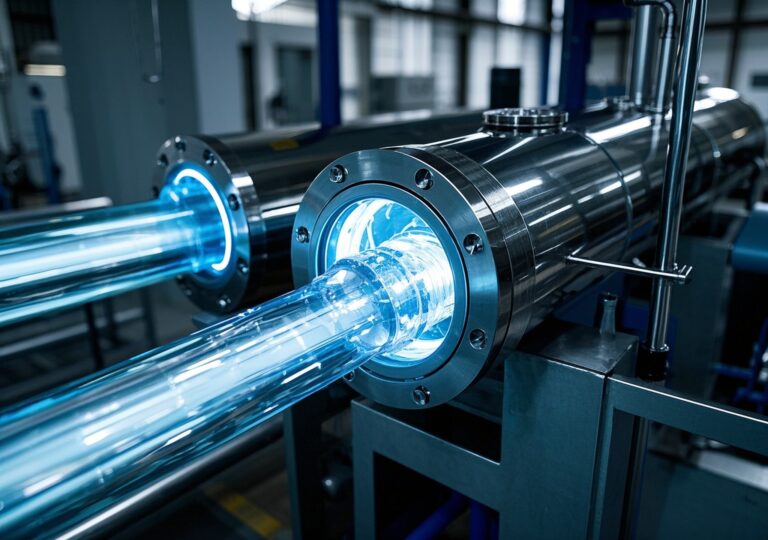
While freshwater electrolysis is established, seawater electrolysis poses unique challenges due to the complexity of seawater chemistry, including the presence of salts and impurities that can damage electrodes and lower efficiency. Advances in electrode materials and system configuration, such as those found in modern industrial equipment by leading water treatment manufacturers, have significantly improved durability and performance.
Integration with Seawater Desalination Systems

Seawater desalination addresses the critical scarcity of freshwater worldwide. More than 20,000 facilities globally convert seawater into potable water, with technologies primarily revolving around reverse osmosis and thermal distillation processes water desalination plants. Electrolysis-based approaches can complement desalination by generating hydrogen as a clean by-product while simultaneously offering brine treatment solutions.
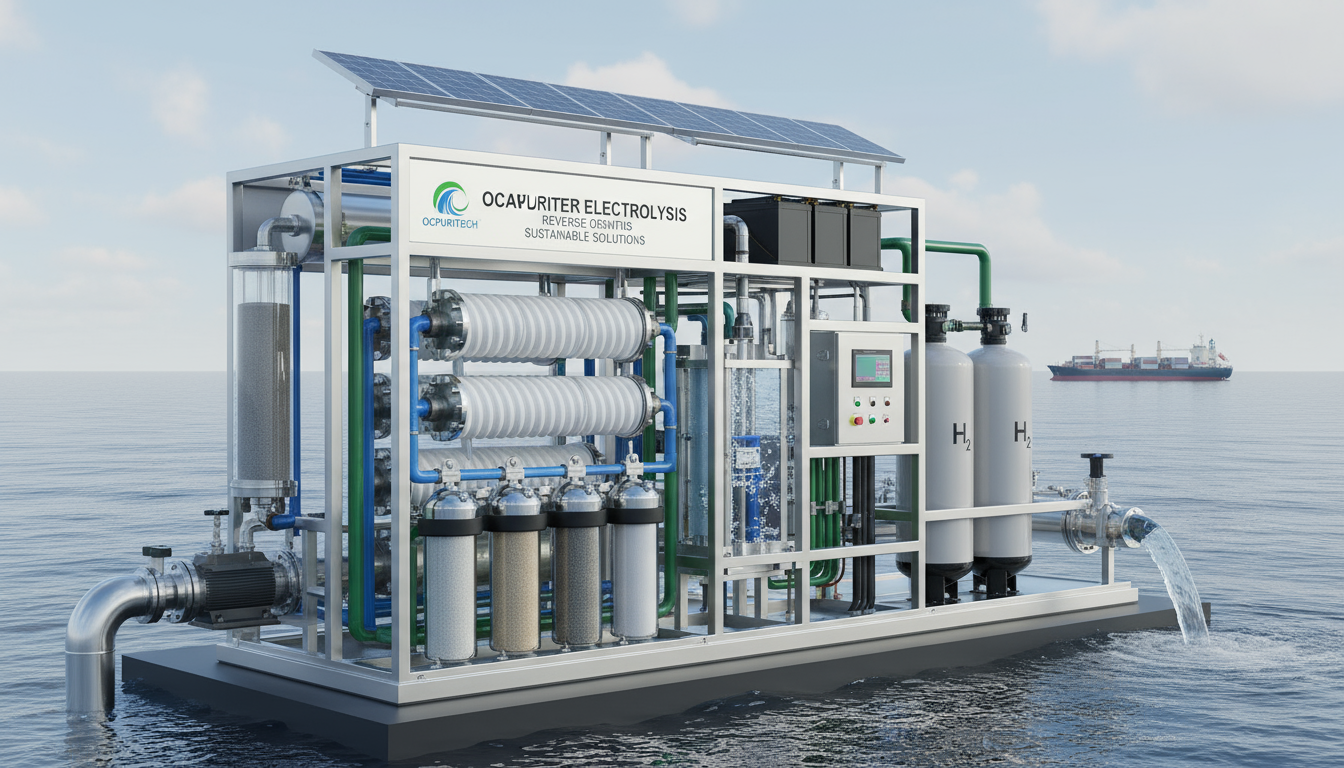
In practice, coupling electrolysis with desalination systems allows for more integrated water-energy solutions. For instance, in my experience managing projects for industrial-scale seawater treatment plants, deploying electrolysis units alongside reverse osmosis systems improved the overall energy efficiency and reduced environmental footprint by utilizing hydrogen for on-site power or storage.
Global Water Scarcity and the Strategic Role of Electrolysis
Globally, freshwater resources are alarmingly diminishing. Approximately 75% of the world’s population resides in countries that have experienced freshwater losses over the past two decades freshwater scarcity study. This crisis has amplified the need for innovative desalination and water treatment technologies supported by sustainable energy sources.
The electrolysis of seawater emerges as a dual-benefit technology in this context, producing clean hydrogen fuel while desalinating seawater. In projects I have monitored, especially in regions like Southeast Asia and South America, integrating such systems reduced dependency on fossil fuels, significantly cutting greenhouse emissions and improving water security.
Technological Innovations Driving Efficiency

Ongoing research and development have led to enhanced electrolysis systems equipped with corrosion-resistant electrodes, optimized membrane separators, and advanced control systems to handle the complex chemistry of seawater efficiently. These innovations have driven down energy consumption and increased system lifespan, addressing historical limitations of seawater electrolysis.
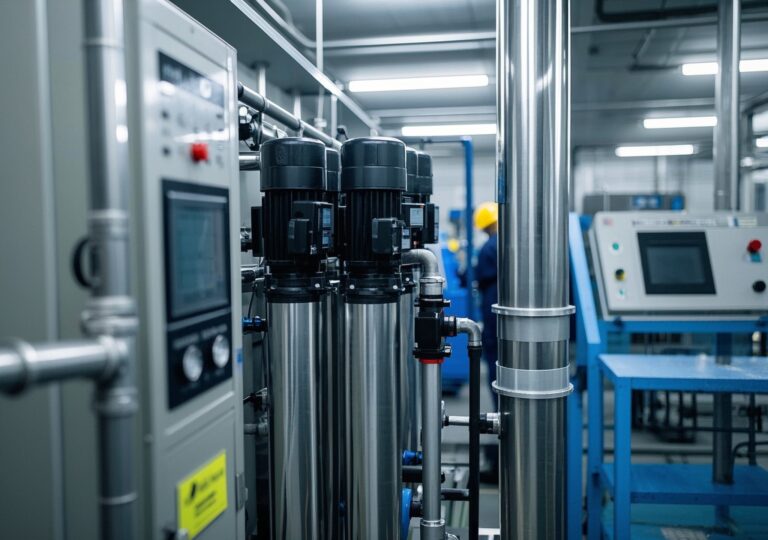
For example, the adoption of advanced pre-treatment filtration—removing suspended solids and interfering ions before electrolysis—has proven critical in maintaining electrode integrity. At Ocpuritech’s state-of-the-art facilities, incorporating multi-stage filtration followed by electrolysis has delivered improved hydrogen yield and stable operation for industrial desalination projects.
Environmental and Economic Impacts
Electrolysis of seawater represents a cleaner alternative to conventional hydrogen production methods, which mostly rely on natural gas reforming and emit significant greenhouse gases. However, the energy intensity of electrolytic systems requires integration with renewable energy sources to fully achieve environmental benefits environmental impacts of desalination.
In a recent project I participated in for a coastal facility, pairing photovoltaic arrays with seawater electrolysis units cut operational emissions by 40%, demonstrating a viable pathway towards sustainable hydrogen and freshwater production. The economic viability also improved via reduced fuel costs and potential revenue from green hydrogen markets.
Operational Challenges and Compliance with Standards
Despite technological progress, challenges remain in scaling seawater electrolysis, including managing brine discharge, ensuring water quality, and complying with international industrial and environmental standards. ISO standards such as ISO 13205:2024 guide terminologies and best practices in marine desalination systems to strengthen quality control and operational safety ISO desalination standards.
Ensuring equipment meets these standards is essential, particularly when operating in maritime environments or exporting water treatment products internationally. In my consulting work, aligning system design with ISO and local water treatment chemical standards eased regulatory approvals and boosted stakeholder confidence.
Future Outlook: Sustainable Water and Energy Solutions
The future of seawater electrolysis lies in harmonizing desalination, hydrogen production, and sustainable energy integration to form holistic water-energy nexus systems. Continued innovation in electrode materials, energy sourcing, and brine management will drive broader adoption.
A sustainable approach to seawater electrolysis also emphasizes environmental responsibility, minimizing chemical usage, optimizing energy consumption, and repurposing by-products. As leaders like Ocpuritech demonstrate through their expansive product lines and global service networks, the goals of clean water and green energy are increasingly achievable through such integrated solutions.
- Advancements in pre-treatment filters to protect electrolysis electrodes
- Integration of renewable energy sources for powering electrolysis
- Compliance with international desalination and water treatment standards
- Reduction of brine discharge and environmental impacts
- Scalable modular systems for varying capacities and applications
FAQ
Q1: What is the main advantage of electrolysis of seawater over freshwater electrolysis?
Electrolysis of seawater utilizes abundant seawater resources, reducing freshwater dependency and enabling simultaneous hydrogen production and desalination, but it requires advanced technology to manage seawater’s complex composition.
Q2: How does electrolysis contribute to sustainable energy?
Electrolysis generates hydrogen, a clean fuel with zero carbon emissions when used, making it a key technology for decarbonizing transport and energy sectors, especially when powered by renewables.
Q3: Are there environmental concerns with seawater electrolysis?
The primary concerns include brine disposal and high energy consumption. However, improvements in energy sources and brine management minimize these impacts substantially.
Q4: What industries benefit most from seawater electrolysis?
Besides energy and water sectors, industries like chemical manufacturing, pharmaceuticals, and agriculture benefit from clean hydrogen and desalinated water supplied by seawater electrolysis systems.
Q5: Can electrolysis systems handle crude seawater directly?
Typically no; seawater requires pretreatment to remove impurities that could degrade electrolyzer components and reduce efficiency.
Q6: How do international standards affect seawater electrolysis projects?
Adhering to standards like ISO 13205 ensures safety, water quality, and environmental compliance, facilitating project approvals and international acceptance.
Q7: What are common technical challenges when scaling seawater electrolysis?
Challenges include electrode corrosion, managing energy requirements, and handling by-products like chlorine and brine effectively.
Q8: Is hydrogen produced from electrolysis commercially viable?
While currently more costly than fossil fuel hydrogen, decreasing renewable energy costs and technological improvements are rapidly enhancing economic feasibility.
Q9: How does Ocpuritech support seawater electrolysis applications?
Ocpuritech offers advanced water purification and electrolysis-related equipment, supported by their extensive manufacturing capabilities and global service network, ensuring tailored solutions and operational reliability.
Q10: What future innovations are expected in seawater electrolysis?
Innovations include new electrode materials resistant to seawater corrosion, integration with AI for system optimization, and hybrid renewable energy-electrolysis plants for maximized sustainability.