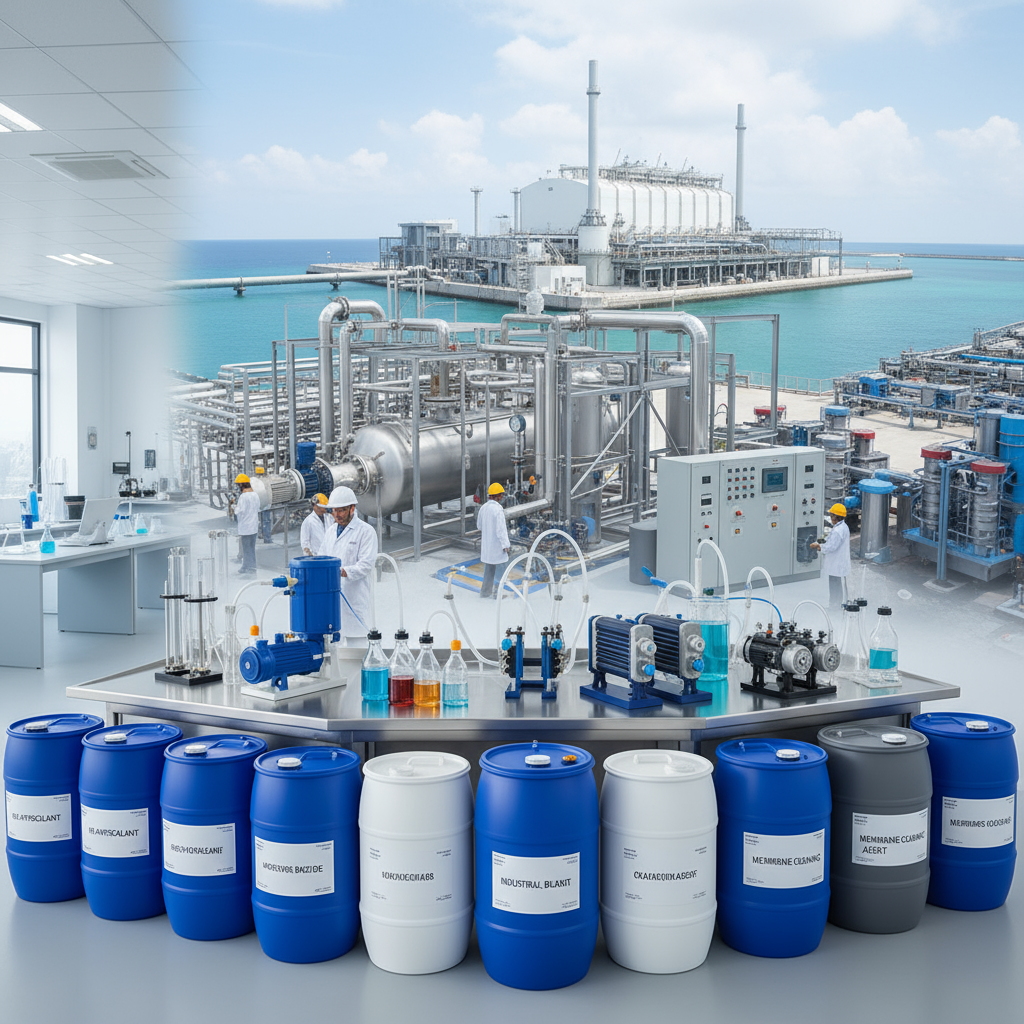
Introduction to RO Water Treatment Chemicals and Their Industrial Significance
Reverse osmosis (RO) water treatment chemicals are essential substances designed to optimize the purification process by preventing fouling, scaling, and microbial contamination in RO membranes. These chemicals find wide applications across industrial sectors such as mining, food processing, pharmaceutical manufacturing, cosmetics production, laboratory water preparation, ultrapure water generation, boiler feedwater treatment, and municipal or natural water sources like well, river, and groundwater.
The core functionality of these chemicals lies in maintaining membrane integrity and operational efficiency while extending system lifespan. Industrial reliance on ro water treatment chemicals has surged primarily due to stringent process water quality demands and environmental regulations.
Technical Principles and Key Components of RO Water Treatment Systems
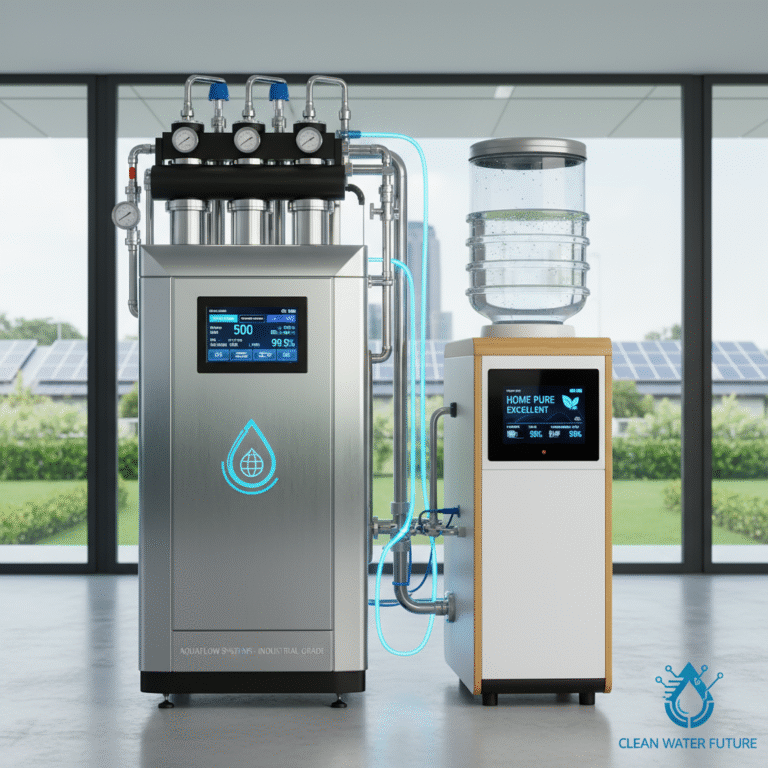
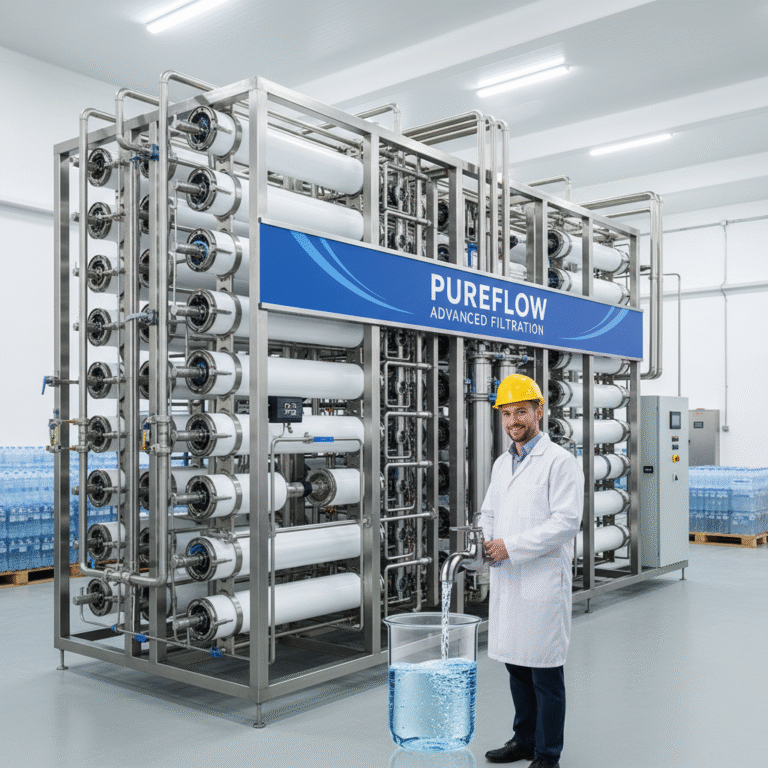
RO water treatment hinges on membrane separation technology where water molecules pass through a semipermeable membrane under pressure, leaving behind dissolved salts, organic contaminants, and microorganisms. However, membrane performance is vulnerable to fouling agents including scaling deposits, biofilms, and colloidal particles.
To mitigate these challenges, specialized chemical agents are applied in pre- and post-treatment stages:
- Antiscalants: These inhibit the crystal growth of inorganic salts like calcium carbonate and sulfate, which otherwise reduce membrane permeability.
- Disinfectants and Biocides: Used to control biofouling by targeting microbial colonies that can clog membranes.
- Cleaning Agents: Alkaline and acidic cleaning chemicals specifically formulated to remove organic and inorganic fouling without damaging membrane integrity.
- Defoamers: Added to control foam formation that affects system hydraulics and efficiency.
Moreover, modern RO systems integrate automated control units that monitor feed water quality parameters, chemical dosing rates, pressure drops, and recovery ratios in real-time. This automation ensures optimized chemical consumption aligned with process demands.
Price Breakdown: Understanding the Cost Structure of RO Chemical Treatments
The investment in ro water treatment chemicals comprises several components that influence both upfront and operational expenditures:
| Cost Category | Description | Impact on Total Cost |
|---|---|---|
| Base Chemicals | Essential antiscalants, biocides, cleaning agents required for standard operation. | ~60% of chemical budget |
| Specialized Additives | Custom formulations tuned for specific water chemistries or industrial regulations. | ~20% |
| Monitoring & Dosing Systems | Automation equipment supporting precise chemical dosing. | ~10% |
| Maintenance & Replacement | Cleaning cycles, system shutdowns, and replenishment of chemicals. | ~10% |
While cost considerations are prominent, the long-term return on investment is strongly influenced by reduced membrane replacements, lower energy consumption due to optimized flows, and improved water quality compliance.
Performance Specifications and Quality Assurance
High-quality ro water treatment chemicals are characterized by:
- Exceptional compatibility with polyamide and cellulose acetate membranes
- Wide operational pH range (typically 3-11) for cleaning agents
- Low residual toxicity to prevent system corrosion and downstream contamination
- Compliance with industrial and environmental regulatory standards
- Consistent batch-to-batch formulation backed by stringent quality control protocols
Materials used in manufacturing these chemicals undergo rigorous testing to ensure efficacy against diverse water contaminants found across geological regions, hence adapting to municipal or industrial feed water variations.
Market Analysis and Application Scenarios in Industrial Settings
The European water treatment chemicals market was valued at approximately $7.41 billion in 2024 and is projected to reach $9.76 billion by 2033, growing at a compound annual growth rate (CAGR) of 3.11%. Industrial usage dominates this market, accounting for 5% of the total share in 2024. This dominance is fueled by sectors such as power generation, manufacturing, and refining, which require specialized chemical solutions to prevent fouling, scaling, and microbial issues within RO systems.
Untreated industrial water can cause operational inefficiencies up to 30%, underpinning the strong demand for advanced chemical treatment. Moreover, stricter environmental policies accelerate the adoption of sustainable chemicals, with industrial chemical utilization expanding by 10% annually since 2020. Coastal desalination projects, notably those underway in France, have notably increased the demand for antiscalants and defoaming agents—vital for preserving RO membrane performance in high-salinity environments.
Real-World Case Studies and Expert Experience
In one of the industrial projects I advised, a large beverage manufacturing plant faced persistent fouling in their RO membranes processing well water. By implementing a tailored chemical treatment regimen — combining phosphate-based antiscalants and enzymatic cleaners — the plant reduced membrane cleaning frequency from once every 45 days to once every 90 days. This improvement enhanced throughput by 15% and cut annual chemical costs by 18%.
Another example is from a refinery where biofouling had led to a 25% drop in system efficiency. Introduction of a continuous low-dosage biocide protocol integrated with automated dosing significantly improved membrane life span by nearly 12 months. This case underscored how precise chemical management not only safeguards membranes but also reduces unexpected shutdowns and maintenance losses.
Additionally, my ongoing collaboration with coastal desalination units revealed that incorporating high-performance defoamers prevented pressure fluctuations attributable to foam accumulation. This operational stability translated to smoother process control and reduced operational costs.
Customized Solutions and Comprehensive Service Support
Recognizing the heterogeneity of feed water quality and user requirements, bespoke chemical treatment packages are vital. Customized pre-treatment options may include scale testing and microbial load analysis to determine precise dosages and chemical blends. Post-treatment steps often address regulatory discharge standards or water reuse criteria.
Service support extends beyond supply — encompassing on-site system commissioning, staff training for chemical handling, troubleshooting, and regular maintenance schedules. Many providers now offer remote monitoring services enabling early detection and proactive chemical adjustments.
Manufacturers’ Strength and Cooperation Advantages
Leading manufacturers distinguish themselves through:
- Robust research & development investment to innovate environmentally friendly and highly efficient chemical formulations
- Compliance with ISO standards and other certifications ensuring safety and quality
- Track records of successful collaborations with major industrial players, underscoring reliability and technical excellence
Such partnerships enable end-users to stay ahead of compliance requirements while achieving superior system performance.
Conclusion and Investment Perspective
The strategic application of ro water treatment chemicals directly enhances industrial water purification efficiency, safeguards expensive membrane assets, and promotes sustainable operations. From macro market trends reflecting steady growth to micro-level experiences showing tangible cost savings, the value proposition is compelling.
Industries aiming for optimized process water management should prioritize sophisticated chemical regimens coupled with automated controls and expert support. This approach not only enables compliance adherence but also maximizes return on technical and financial investments in RO systems.
References
Data Bridge Market Research. Europe Water Treatment Chemicals Market Size & Share, 2033. Published February 25, 2025.