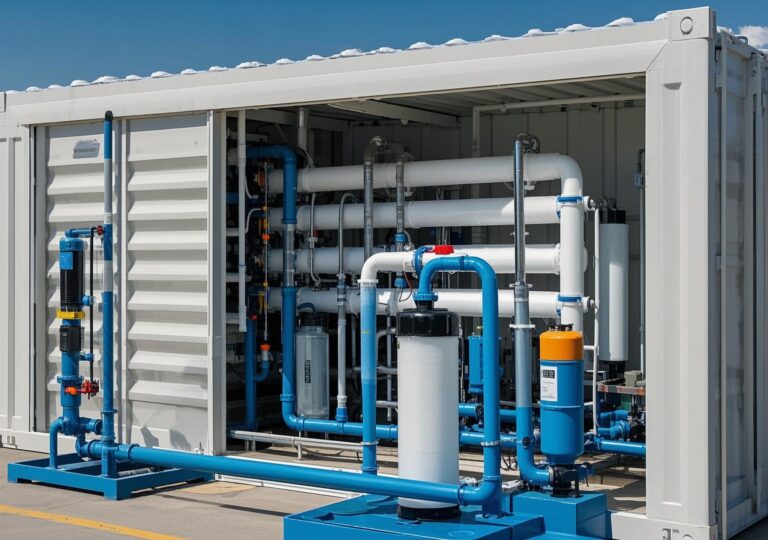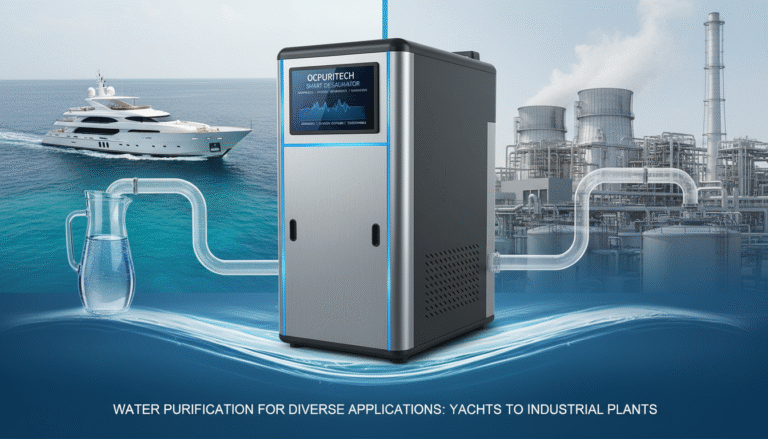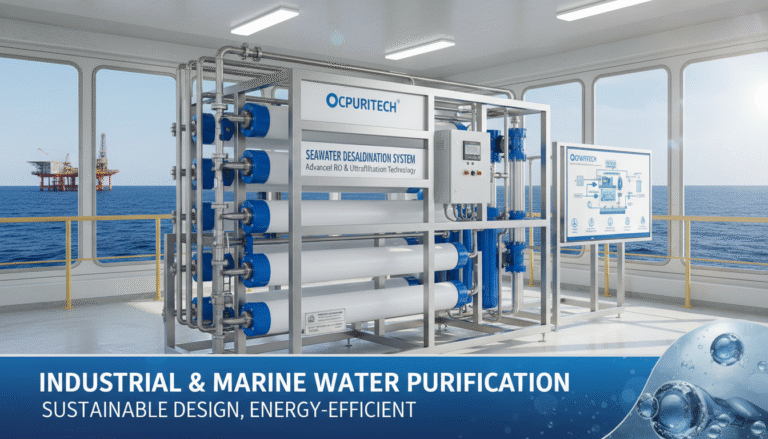
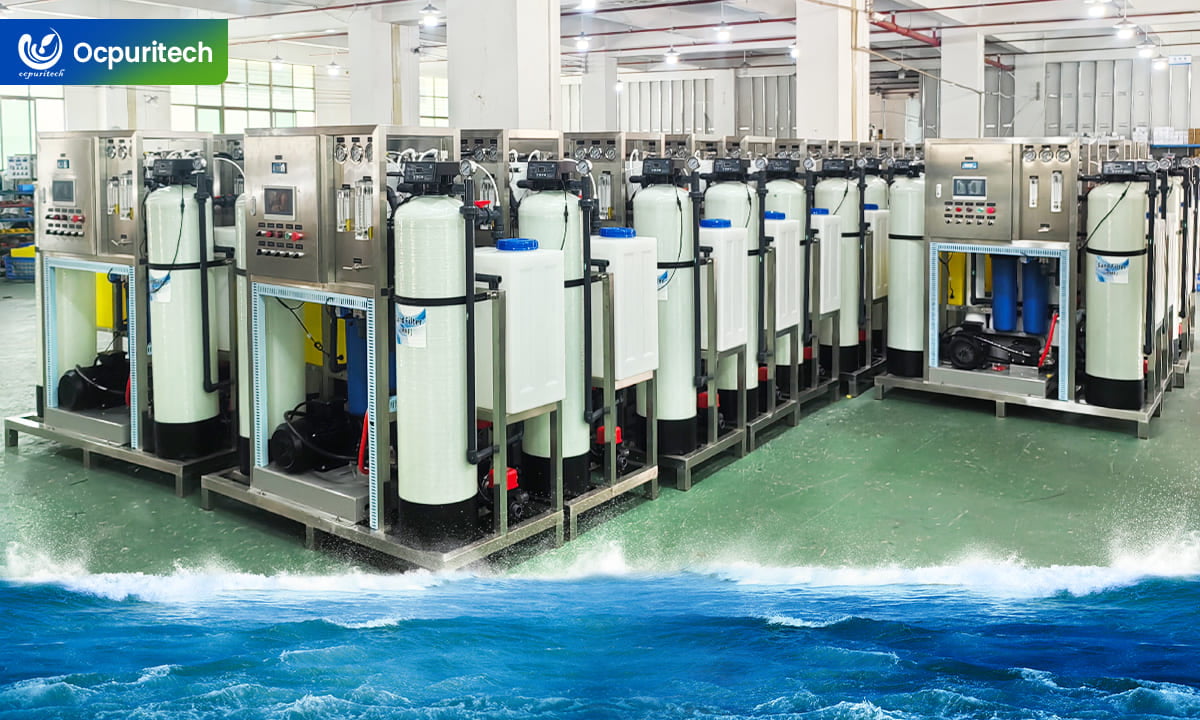
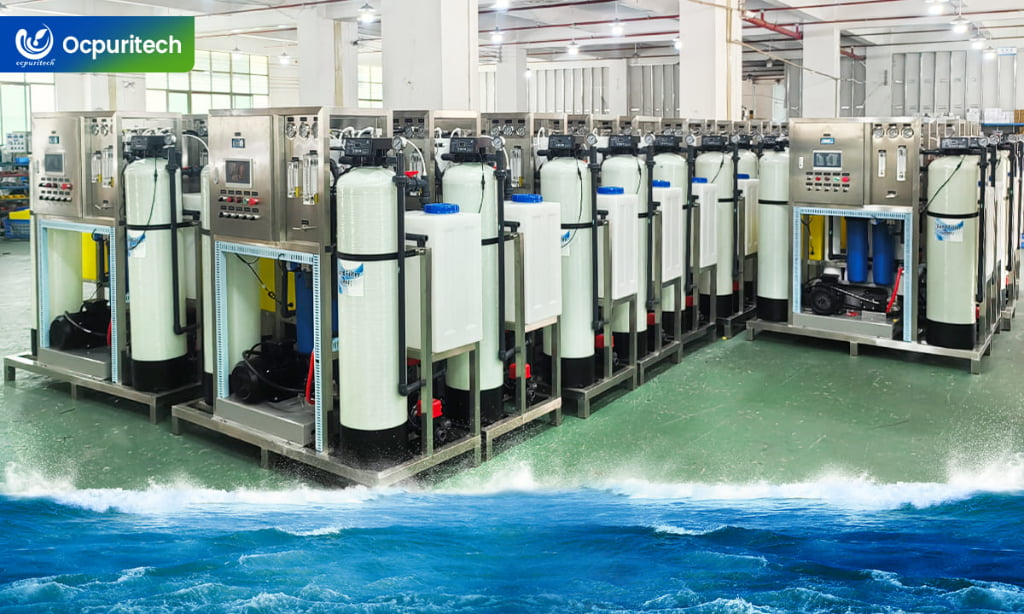
RO seawater desalination plant play a crucial role in addressing global water scarcity issues. As freshwater resources continue to decline worldwide, the demand for water is increasing day by day. Seawater desalination has become a key technology to solve water shortages, and is gradually becoming an essential solution in many commercial, industrial, and residential sectors. Among the various seawater desalination technologies, Reverse Osmosis (RO) technology1 stands out as the most widely applied solution due to its high efficiency and reliability.
Desalination plants2 provide a limitless water supply by removing salt from seawater using Reverse Osmosis (RO). However, they come with challenges like high energy use3 and strict maintenance needs. Understanding these pros and cons is vital for making the right investment for your business.
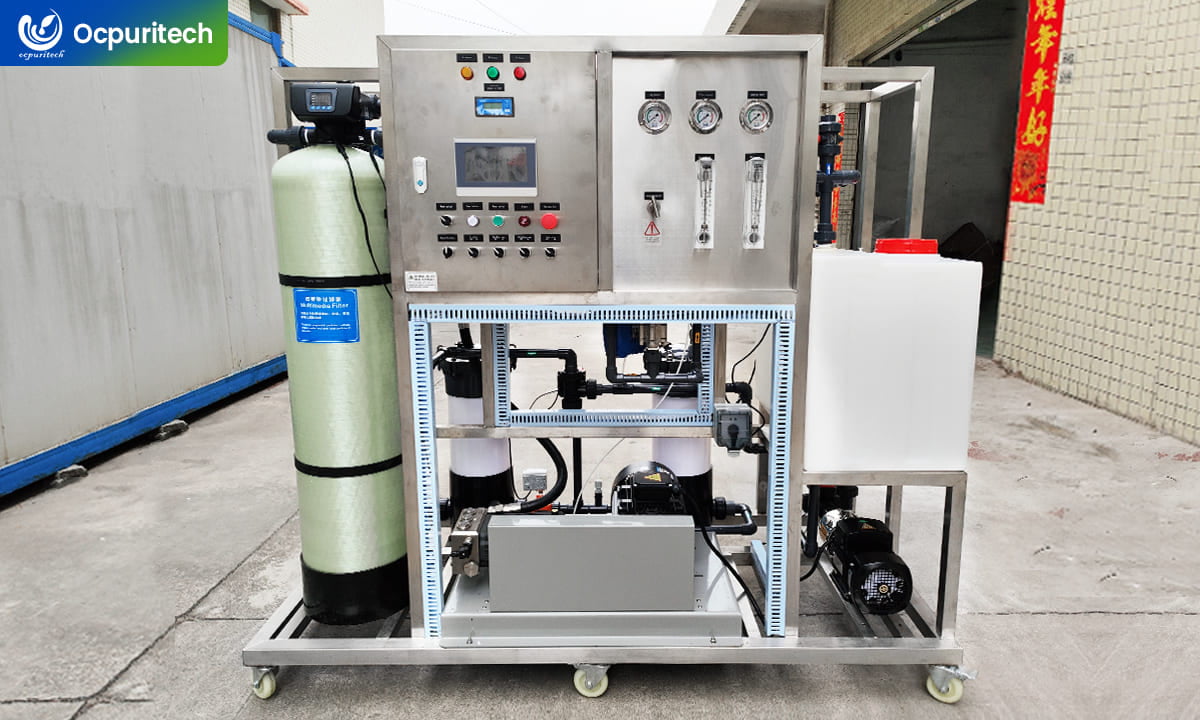
Many of my clients ask me if this technology is truly worth the cost. They want to know if it solves their problems or creates new ones. In this post, I will break down how these systems work, why they are popular, and the risks you must manage. I will share insights from my 15 years in the water industry to help you decide.
What Is a RO Seawater Desalination Plant?
RO seawater desalination technology is a sophisticated water treatment process that utilizes advanced seawater reverse osmosis membranes4 to effectively remove salts and impurities from ocean water. By applying high pressure to force seawater through a semi-permeable membrane, water molecules are separated from the brine.
During this process, the structure of the reverse osmosis membranes for desalination allows pure water to pass through while rejecting the majority of dissolved salts, minerals, and harmful substances. This results in high-quality fresh water suitable for human consumption, agricultural irrigation, and industrial applications.
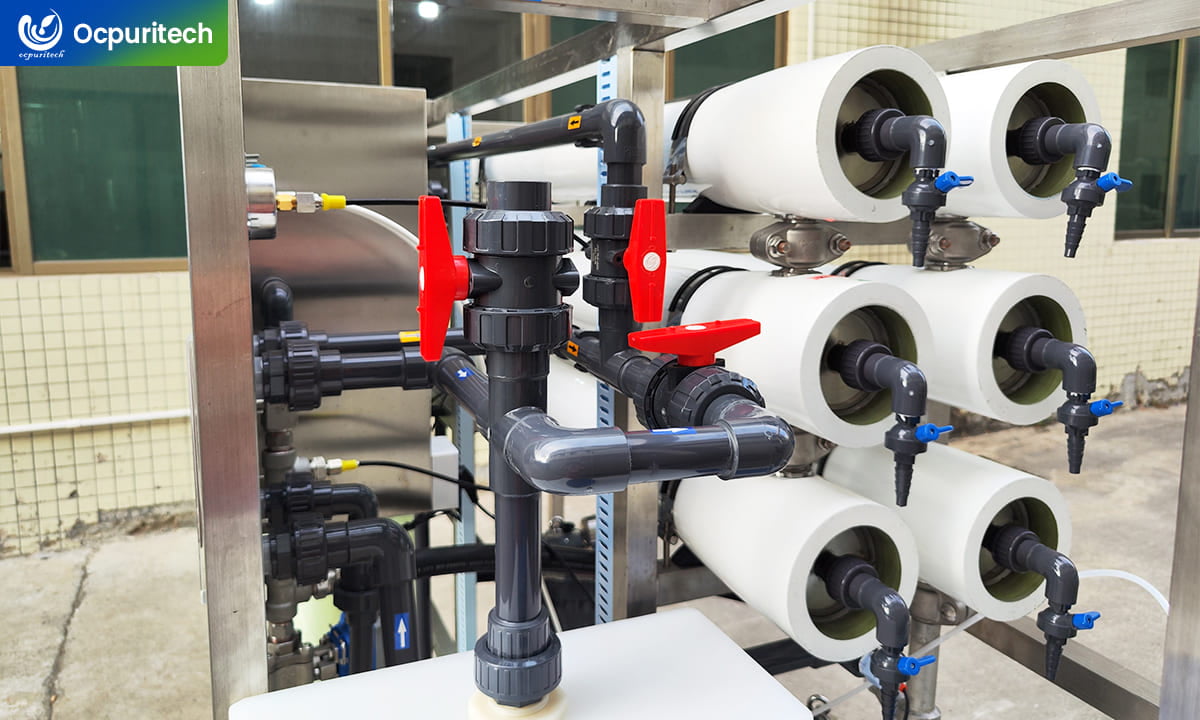
An RO seawater desalination plant serves as an innovative and sustainable solution to combat global water scarcity, particularly in arid regions or coastal areas where natural freshwater resources are limited or inaccessible. Integrating a high-efficiency reverse osmosis desalination machine is now a critical strategy for ensuring long-term water security, providing advanced solutions for water scarcity.
How Do Reverse Osmosis Desalination Plant Actually Work?
You might think turning salty ocean water into drinking water is magic. It is not magic, but it does involve complex machinery that can seem confusing at first.
Seawater Reverse Osmosis (SWRO) systems are a water treatment process that uses reverse osmosis technology to desalinate seawater. Reverse osmosis is a method where pressure is applied to force water through a semi-permeable membrane, removing dissolved salts, minerals, and other impurities from salty water or seawater. The result is clean, fresh water that is suitable for drinking or industrial use.
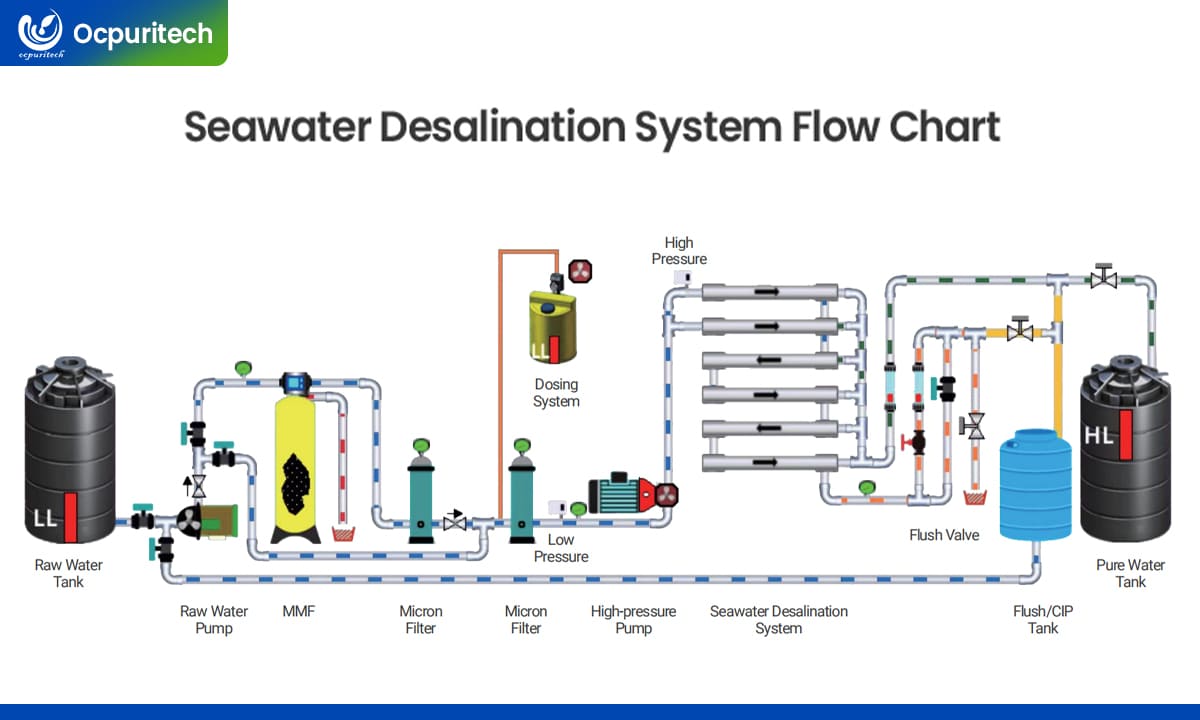
I have built many of these systems at Ocpuritech, including RO Seawater Desalination Plant. The process is a chain of steps. If one link breaks, the whole system fails. Let me explain the journey of a drop of water through our reverse osmosis seawater desalination equipment.
First, we use a Raw Water Pump. We usually place the plant near the sea. This pump pulls the water into the system. We use coarse screens here. They catch big things like seaweed, garbage, or small fish.
Next comes Pretreatment. This is very important. We remove suspended solids and smaller particles. If we do not do this, the expensive membranes will get clogged. We call this fouling. We use Precision Filtration here, typically a 5μm PP filter. This makes sure the water entering the high-pressure pump is absolutely clean.
Then, we have the High-Pressure Pump. This is the heart of the system. We boost the pressure to 5-8 MPa (about 50-80 atmospheres). We need this power to overcome the natural pressure of the salt water.
The water then hits the RO Membrane. This is the core technology. The membrane is like a very fine skin. It lets water molecules pass but blocks salt, minerals, and bacteria. The water splits into two streams: fresh water and concentrated brine.
Finally, we have Post-treatment5. We adjust the pH and maybe add minerals back in. We also disinfect the water, often with UV or chlorine, before it goes to the storage tank.
Here is a simple breakdown of the critical support systems we use:
| System Component | Function | Why it Matters |
|---|---|---|
| Dosing System | Adds chemicals to prevent scale. | It acts as a "health guard" to stop the membranes from getting blocked by hard minerals. |
| CIP System | Cleans the membranes in place. | It is a "bathing system" for the machine. It removes dirt without taking the machine apart. |
Why Should You Choose RO Desalination for Your Water Supply?
Relying on rain or groundwater is risky in today's changing climate. A drought can stop your production line instantly and cost you a lot of money.
The biggest advantage is a guaranteed water supply that does not depend on the weather. RO systems effectively remove salt and harmful substances, providing high-quality water for industries, hotels, and agriculture.
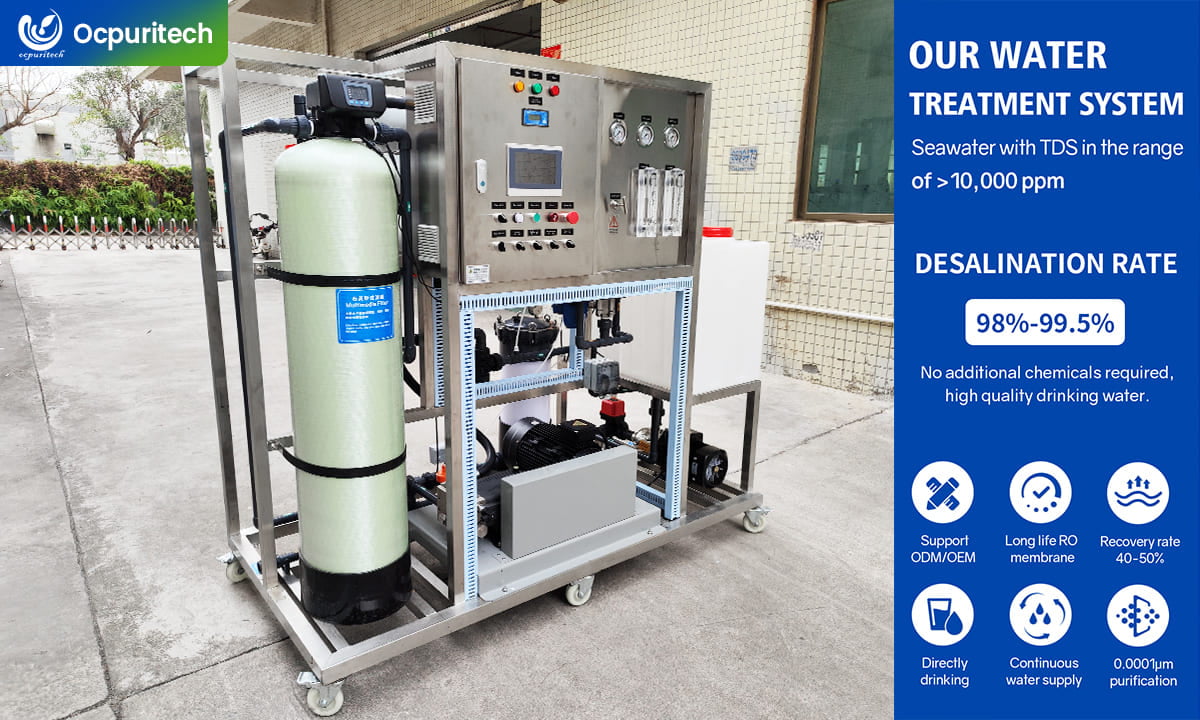
I have seen how this technology changes businesses. The main benefit is independence. You do not have to worry about the rain. As long as you have access to seawater, you have water. This is huge for my clients in dry places like the Middle East or coastal Africa.
Another benefit is High Salt Removal. Our RO systems are very efficient. They remove salts, bacteria, and harmful substances. The water quality is excellent. It works for drinking, but also for strict industrial needs. For example, electronics factories need ultra-pure water. RO is the best way to get there.
The Scope of Application6 is also wide. It is not just for sea water. We can treat brackish water (salty underground water) or high-TDS wastewater. Whether you run a hotel, a farm, or a factory, this technology fits.
Also, modern systems are Easy to Operate. Years ago, you needed a scientist to run these plants. Now, we use high levels of automation. You can monitor the system from a screen. This lowers the chance of human error. It also lowers the cost of labor.
Here is a look at where our clients use these systems:
- Drinking Water: For islands and coastal cities.
- Agriculture: For irrigation in dry regions.
- Industrial Use: For boilers, cooling towers, and manufacturing.
- Commercial: For hotels and resorts that need to provide safe water to guests.
What Are the Challenges and Limitations You Might Face?
Every technology has a cost, and I believe in being honest with my customers. Ignoring the downsides of desalination can lead to budget problems later on.
The main disadvantages are high energy consumption and the need for regular maintenance. Also, you must handle the concentrated salt water carefully to avoid hurting the environment.
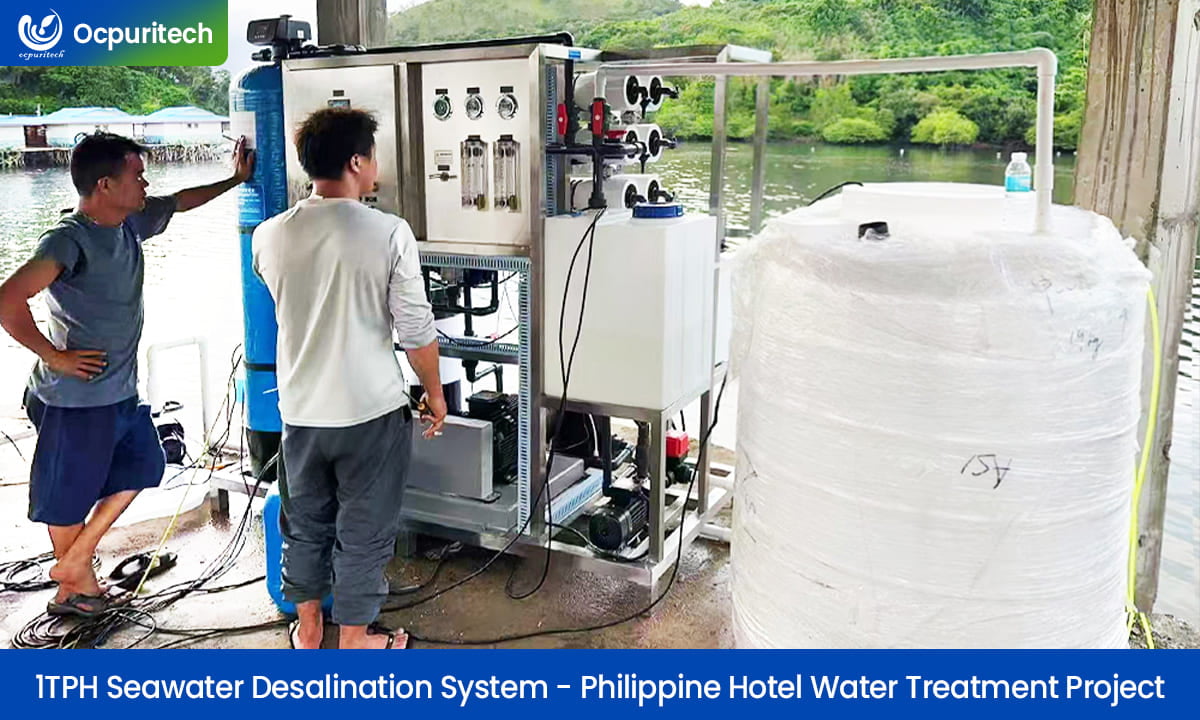
The first challenge is Energy Cost7. Pushing water through a membrane at high pressure takes a lot of power. This is usually the biggest operating cost. However, technology is improving. We now use energy recovery devices8 to lower this cost, but it is still higher than pumping river water.
The second challenge is Membrane Fouling. Over time, the membranes get dirty. Salt, biological matter, and dirt build-up. This lowers the water output. You must clean them regularly using the CIP system I mentioned earlier. If you do not maintain them, you will have to buy new membranes often. That is expensive.
Another issue is Brine Disposal9. The system produces fresh water, but it also produces very salty waste water. We call this brine. You cannot just dump this anywhere. It can hurt marine life if you dump it in one spot in the ocean. You need a proper discharge plan.
Let's look at the investment side. I help clients calculate the ROI (Return on Investment)10.
- Initial Investment: You pay for the machine, installation, and pumps. This is a high upfront cost.
- Operating Cost: You pay for electricity, chemicals for dosing, and labor.
- Long-term Benefit: A good system lasts 20 years. It gives you stable water. This stability often outweighs the costs for businesses that cannot afford to stop running.
You must ask yourself: Is my water source too salty? Do I have the budget for power? Do I have a team to check the machine? If the answer is yes, then the benefits usually beat the challenges.
Is an Industrial Desalination System Right for Your Business?
Buying the wrong equipment is a waste of money and time. Not every business needs a seawater system, and I want to make sure you choose correctly.
Desalination is best for coastal industries11, islands, or areas with severe water shortages. It is the right choice if you need high-purity water12 for electronics, pharmaceuticals, or food processing.
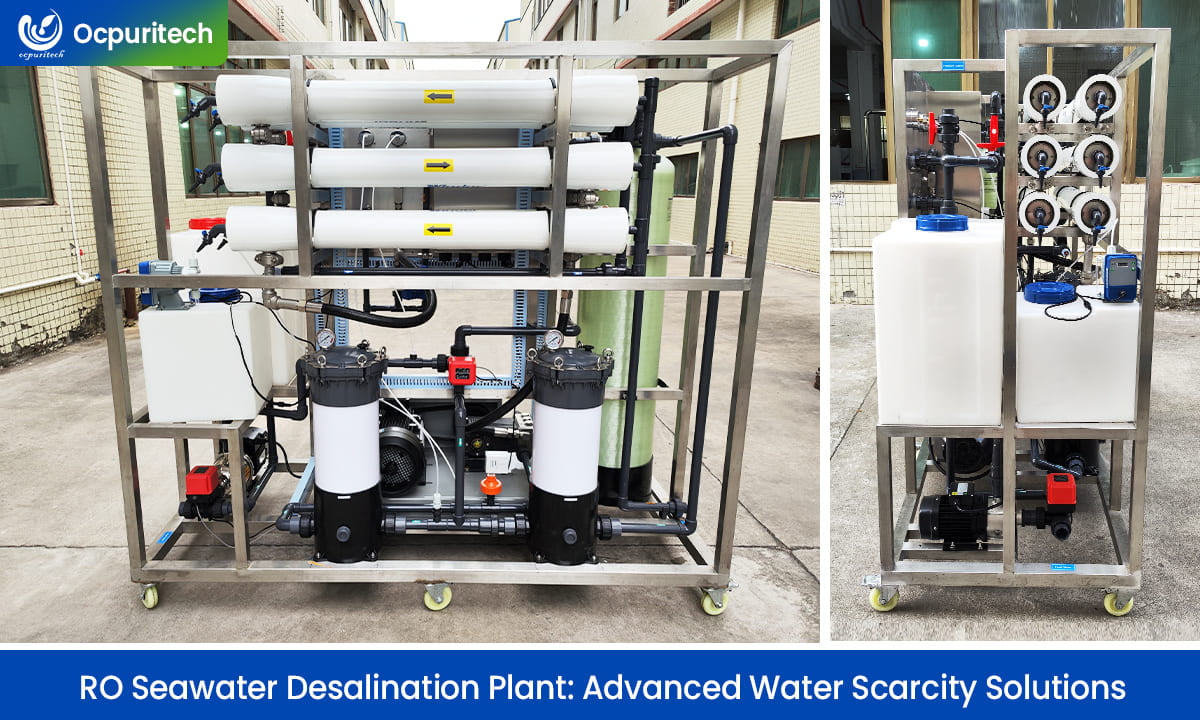
So, when should you call us for an RO system?
First, consider Water Quality. Industries like electronics, medicine, and food processing have strict rules. The water must be pure. Regular tap water is often not good enough. RO technology guarantees the quality you need to meet safety standards.
Second, look at your Location. If you are on an island or in a coastal city with little rain, you have few choices. We serve clients in the Philippines and Indonesia who are surrounded by water but have no fresh water to drink. For them, SWRO is a lifesaver.
Third, think about Sustainability. Yes, RO uses energy. But modern systems are getting greener. If your company has environmental goals, we can design systems that use less power. We can even pair them with solar energy sources.
However, there are times when it is Not Suitable. If you have a cheap, clean freshwater source nearby, use it. If your budget is very low and you cannot afford the electricity, this might be too hard to run.
We provide custom solutions13. We look at your specific needs.
- Wholesalers: We know you need reliable parts and good prices.
- Distributors: We know you need support to sell to your local clients.
- End Users: We know you need a machine that works every day without fail.
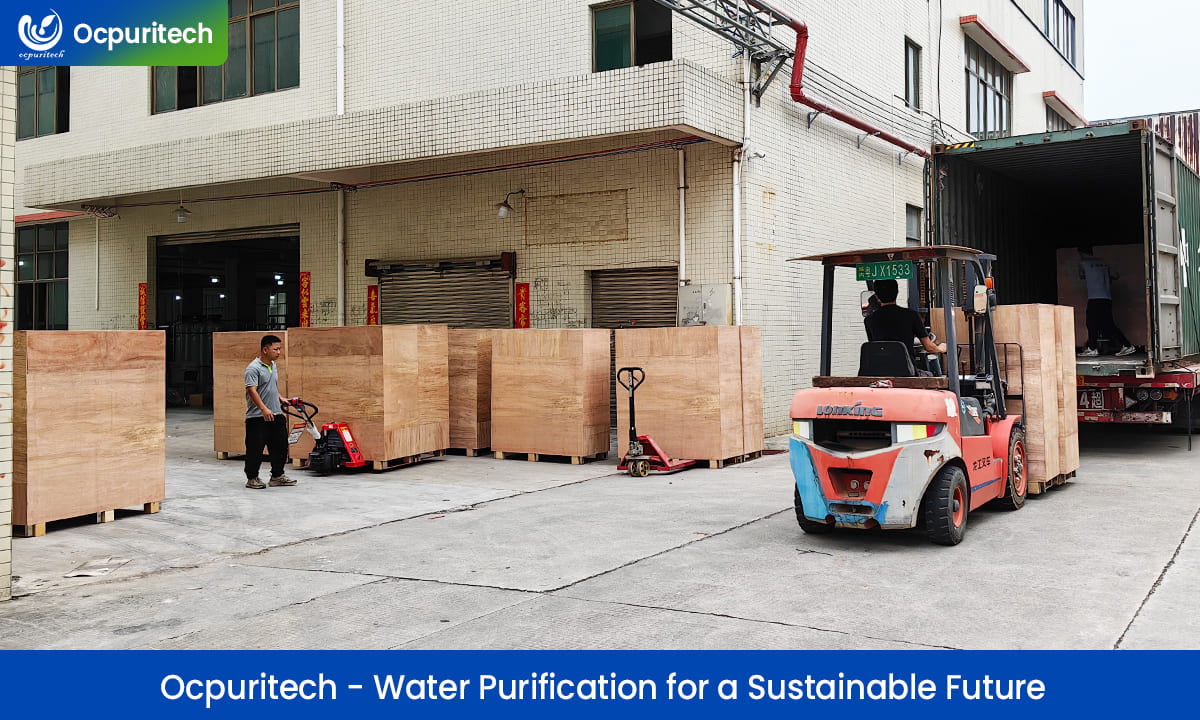
If you are ready to explore this, we can look at the future trends of RO Seawater Desalination Plant together. The technology is moving fast, with better membranes that resist fouling and smarter pumps that use less power. The future of desalination is efficient and green.
Conclusion
RO desalination solves water scarcity but requires energy and maintenance. At Ocpuritech, we balance these factors to build reliable systems for your business. Contact us for a custom solution today.
Explore this link to understand the fundamentals of RO technology and its significance in water treatment. ↩
Learn about the operation and importance of desalination plants in addressing water scarcity. ↩
Discover the energy consumption aspects of desalination plants and how they impact operational costs. ↩
Discover the technology behind advanced membranes and their role in improving desalination efficiency. ↩
Understand the post-treatment processes that ensure the quality of desalinated water. ↩
Discover the diverse applications of desalination technology across different industries. ↩
Explore the financial implications of energy costs in operating desalination plants. ↩
Learn about innovations in energy recovery that help reduce operational costs in desalination. ↩
Discover the environmental considerations and methods for disposing of brine safely. ↩
Understand the financial aspects of investing in desalination systems and their long-term benefits. ↩
Explore how coastal industries can benefit from implementing desalination solutions. ↩
Understand the significance of high-purity water in industries like electronics and pharmaceuticals. ↩
Explore tailored solutions for specific needs in desalination to enhance efficiency and effectiveness. ↩