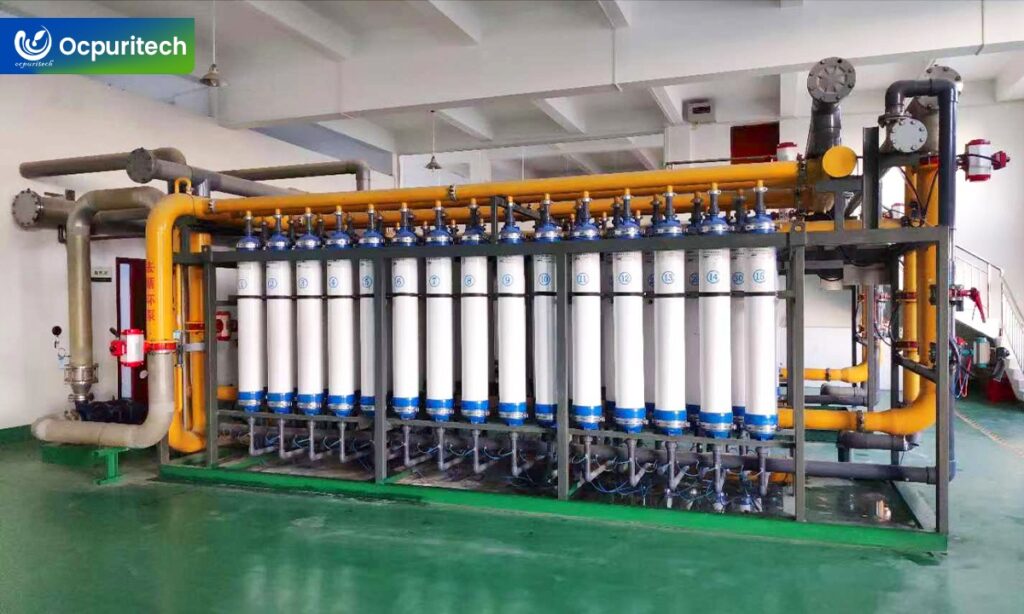
Struggling with inconsistent water quality? Worried about contaminants in your water? Ultrafiltration offers a reliable, high-purity solution for your home or business.
Ultrafiltration (UF) is a membrane-based water purification process. It uses a filter with microscopic pores to physically block and remove suspended solids, bacteria, viruses, and other large molecules from water. This provides consistently clean and safe water without using chemicals.
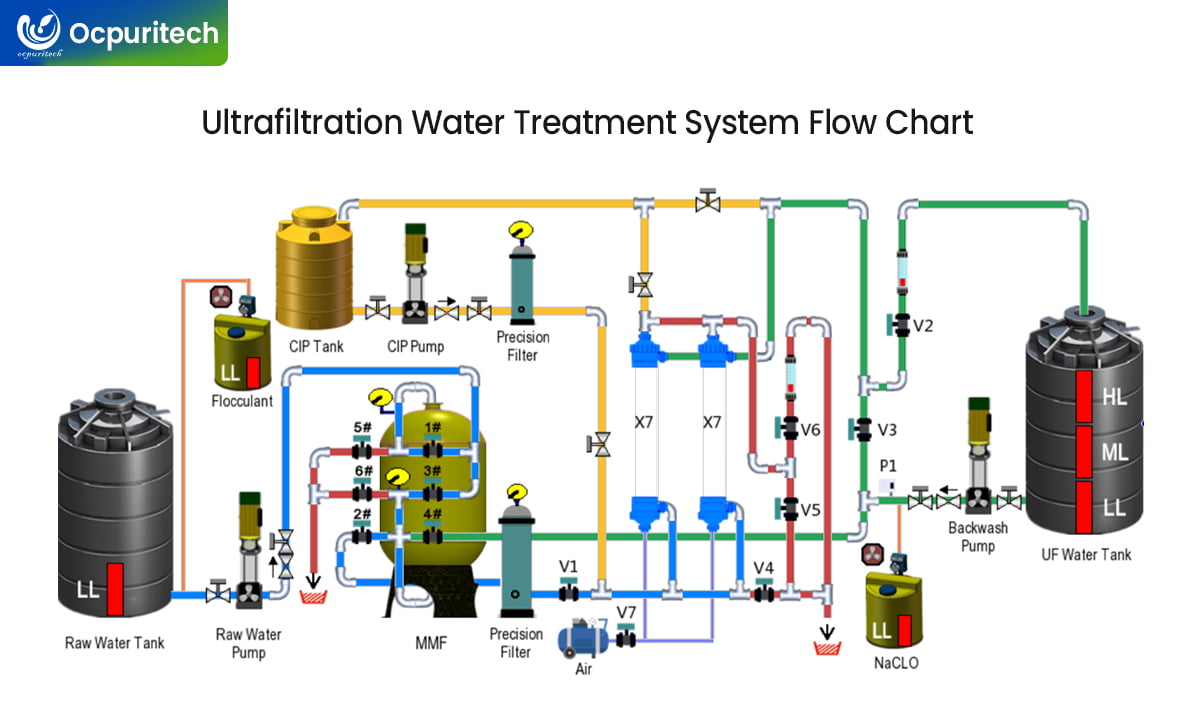
You've heard the term, but you might wonder how this technology actually works to produce such high-quality water. For over 15 years, I've helped clients in over 80 countries understand this process. Let me break it down for you, so you can see if it's the right fit for your needs.
Ultrafiltration Water Treatment Process Explained
How Does an UF System Actually Clean Water?
Are you concerned about tiny impurities that other filters miss? These microscopic particles can cause big problems. An ultrafiltration system physically removes them, ensuring superior water quality.
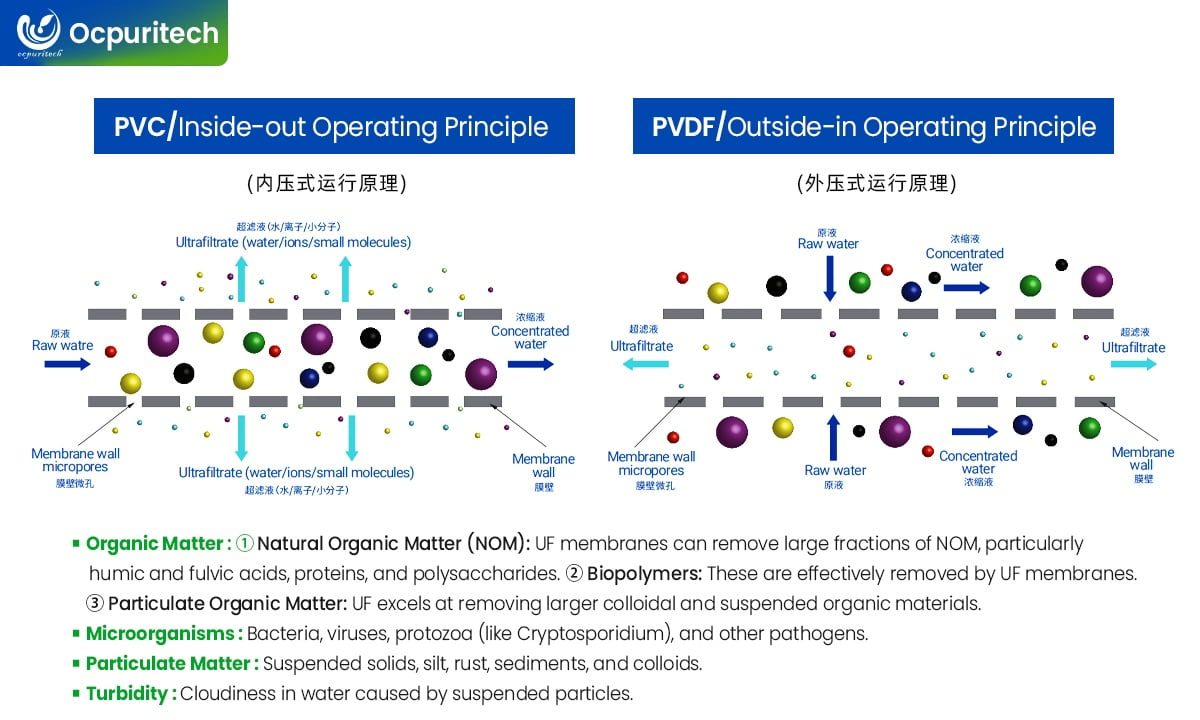
An ultrafiltration system works by forcing water through a semi-permeable membrane. The membrane has extremely small pores, typically 0.01 to 0.1 microns. Water molecules pass through, but larger contaminants like bacteria, viruses, and suspended solids1 are blocked and flushed away.
UF Membrane Structure and Filtration Mechanism
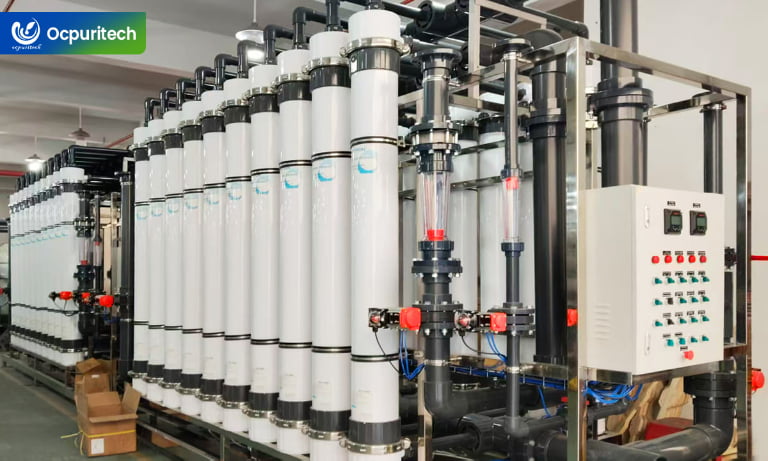
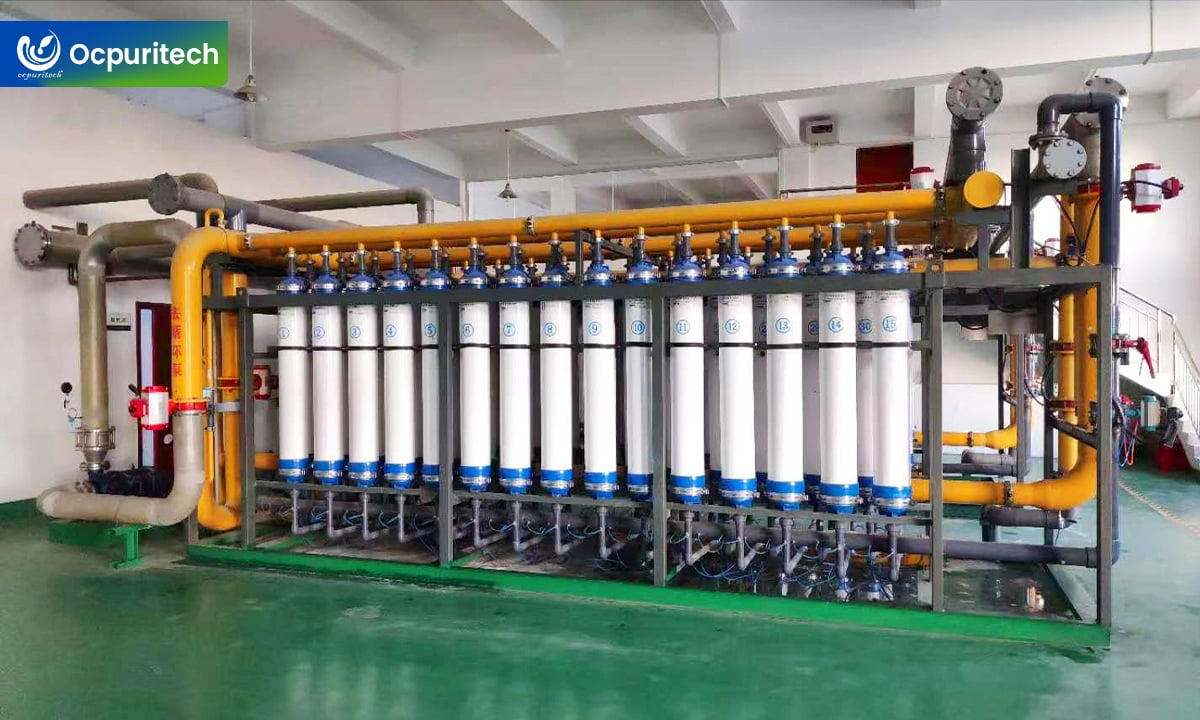
Let's dive deeper into the process. The core of a UF system is its membrane, usually made of hollow fibers. Think of these fibers as tiny straws with microscopic holes in their walls. When we apply pressure, raw water is pushed against the outside of these fibers. The water molecules are small enough to pass through the pores and into the hollow center, where the clean water is collected. Everything else is too big to get through. This is a simple, physical barrier.
Why UF Delivers Stable Water Quality
One of the biggest advantages I've seen with my clients is how UF maintains stable water quality2. Even if the incoming water becomes cloudier or has more particles, the output water quality stays consistently high. This is because the pore size does not change. It's a reliable technology that consumes less energy and requires fewer chemicals than many other methods, making it both effective and economical.
What Contaminants Can Ultrafiltration Remove?
| Contaminant Type | Removed by UF? |
|---|---|
| Sand, Silt, Clay | Yes |
| Suspended Solids | Yes |
| Bacteria & Cysts | Yes |
| Viruses | Yes |
| Dissolved Salts | No |
How Does Ultrafiltration Compare to Other Filtration Methods?
Confused by all the filtration options? Choosing the wrong one can be a costly mistake. Let's compare ultrafiltration to other common methods to find the best fit.
Ultrafiltration removes much smaller particles than traditional filters like sand or carbon. While Reverse Osmosis (RO)3 removes even smaller dissolved salts, UF is more robust against fluctuating water quality and better at removing microbes, making it a highly reliable filtration method.
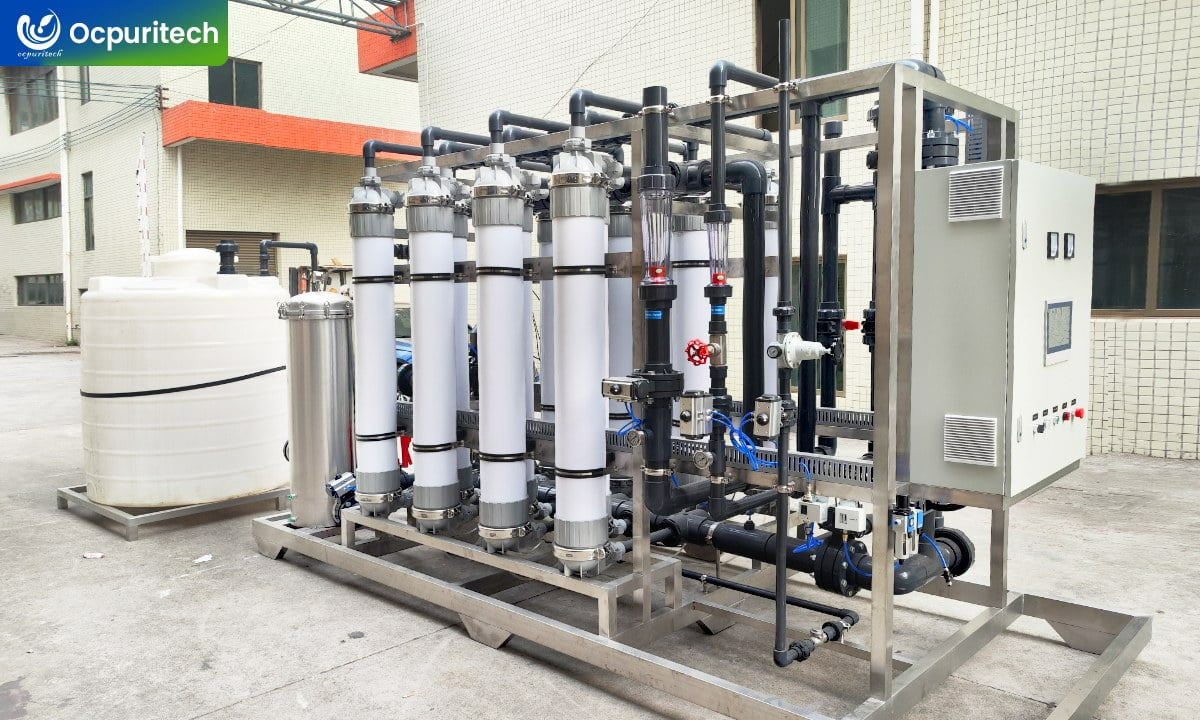
When I talk to customers, this comparison comes up all the time. It's important to know the right tool for the job.
Ultrafiltration vs. Traditional Filtration
Traditional methods like sand filters or activated carbon filters are great for removing large particles. They can get rid of visible sediment and some larger impurities. Ultrafiltration, however, operates on a microscopic level. Its pores are so fine that they can block things you can't see, like bacteria, viruses, and colloidal matter. This means UF delivers a significantly higher level of purity, which is critical for applications like drinking water or food processing.
Ultrafiltration vs. Reverse Osmosis (RO)
Reverse Osmosis goes one step further and removes even the smallest dissolved substances, like salts and minerals. But, this high level of filtration makes RO membranes very sensitive. They can easily get clogged if the source water isn't very clean. Ultrafiltration is more forgiving. Its larger pores mean it is less prone to clogging from fluctuating water quality, resulting in more stable operation and less maintenance.
| Feature | Traditional Filter | Ultrafiltration (UF) | Reverse Osmosis (RO) |
|---|---|---|---|
| Typical Pore Size | > 1 micron | 0.01 - 0.1 micron | < 0.001 micron |
| Removes | Sand, Silt, Debris | Bacteria, Viruses, Solids | Dissolved Salts, Minerals |
| Robustness | High | High | Low |
Why is Ultrafiltration the Best Pre-treatment for Reverse Osmosis Systems?
Is your Reverse Osmosis system constantly needing maintenance? The problem might be your pre-treatment. Using ultrafiltration beforehand can protect your investment and improve efficiency.
Ultrafiltration is an ideal pre-treatment for RO systems4 because it removes suspended solids, colloids, and bacteria that can foul or damage delicate RO membranes. This extends the RO membrane's life, reduces cleaning needs, and ensures the entire system runs reliably and cost-effectively.
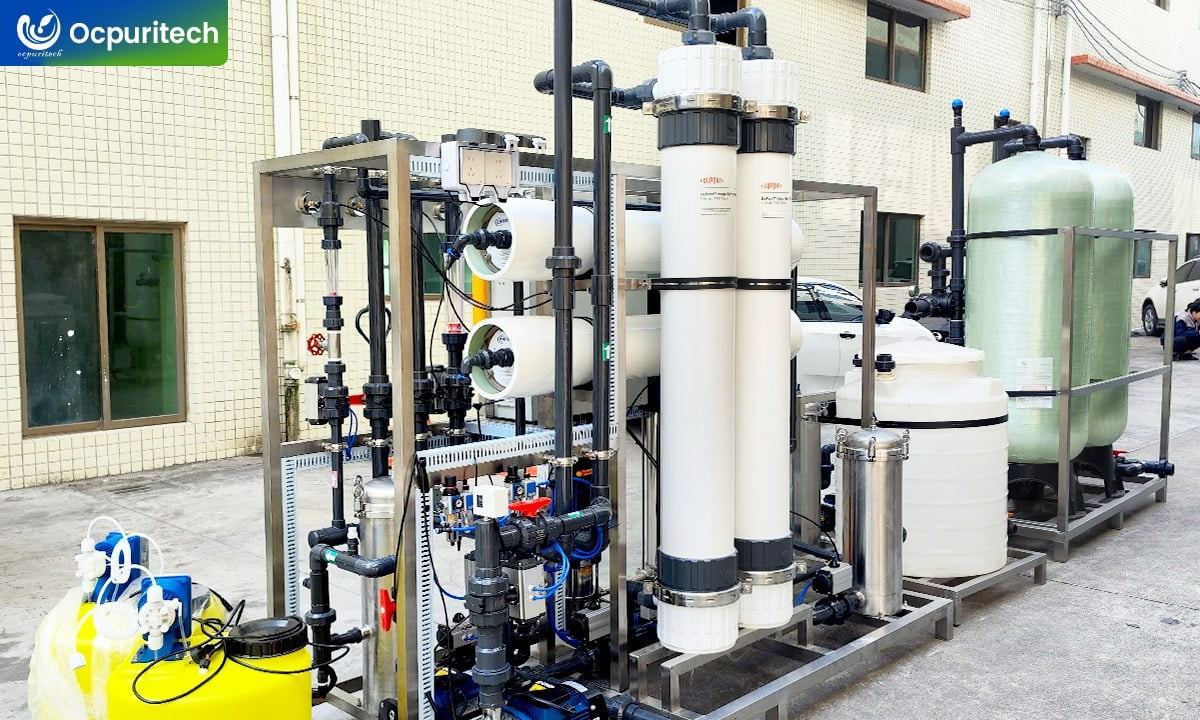
In my 15 years of experience, one of the smartest investments a facility can make is protecting its RO system. RO membranes are the expensive, high-performance engines of a water purification plant, but they are very sensitive. The term we use is "fouling," which is just a technical way of saying the membrane gets clogged with slime and particles. This reduces efficiency and eventually ruins the membrane. An ultrafiltration system acts as a bodyguard for the RO unit. It removes all the larger troublemakers—bacteria, silt, and other suspended solids1—before they ever reach the RO membrane. The water entering the RO system is already very clean, so the RO membrane can focus on its main job: removing dissolved salts. This simple addition dramatically improves the reliability of the entire operation, cuts down on costly downtime, and reduces the frequency of chemical cleanings.
| Pre-treatment Method | Protection for RO Membrane | Overall System Reliability |
|---|---|---|
| Traditional Filter | Basic (removes large particles) | Moderate |
| Ultrafiltration (UF) | Excellent (removes fine particles & microbes) | High |
Where Can You Use an Ultrafiltration System?
Thinking UF is only for large factories? You might be missing out on its benefits. Ultrafiltration is a versatile technology with applications in many different sectors.
Ultrafiltration is used across many industries. Key applications include producing drinking water, pre-treating water for RO systems, and in the food, beverage, and pharmaceutical industries. It's also vital for wastewater treatment5 and water recycling, providing high-quality water for various needs.
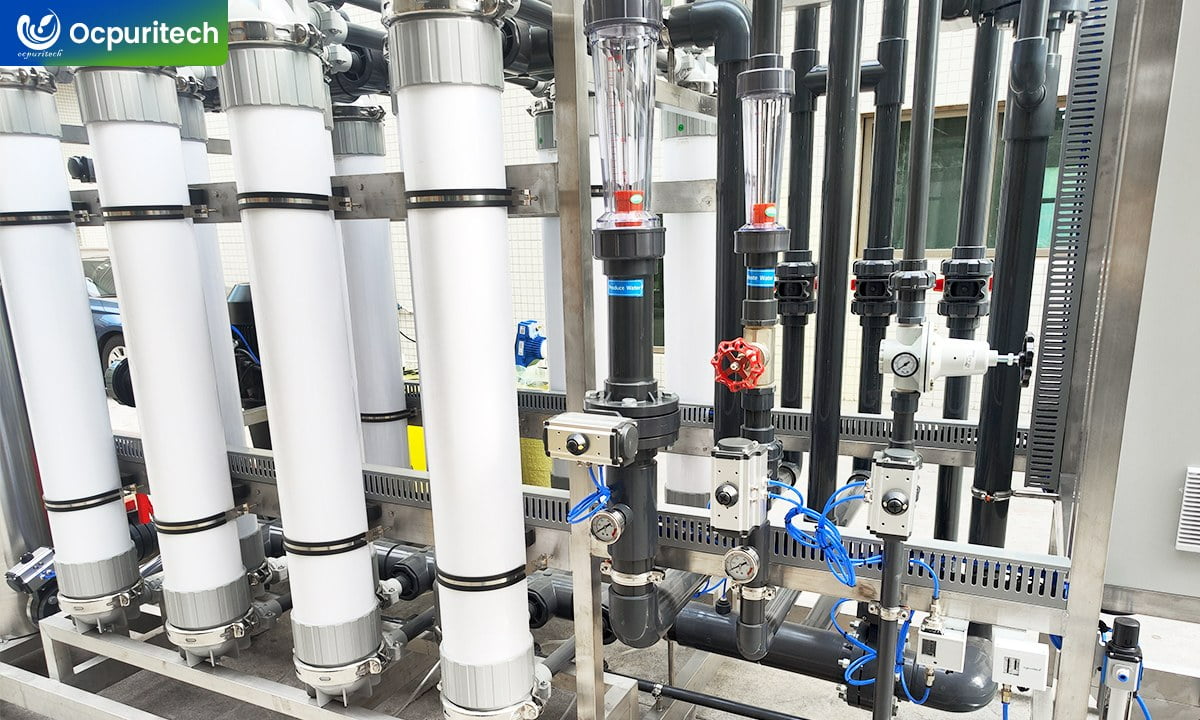
The versatility of ultrafiltration is truly amazing. I have helped clients implement UF systems in a wide range of fields. It's a cornerstone technology for producing bottled drinking water, ensuring a pure and safe product. In the food and beverage industry6, it's used to clarify juice, wine, and milk. The pharmaceutical and cosmetics industries rely on it to produce ultra-pure water, which is essential for product quality and safety. Beyond creating products, UF is also a key player in sustainability. We use it extensively in wastewater treatment plants to clean water so it can be safely discharged or even recycled for uses like irrigation or industrial processes. Its ability to handle different types of source water, from river water to industrial effluent, makes it a go-to solution for many of the water challenges my clients face worldwide.
| Industry / Application | Key Benefit of Using UF |
|---|---|
| Drinking Water | Removes bacteria and viruses without chemicals. |
| Food & Beverage | Clarifies products and ensures microbial safety. |
| Pharmaceutical | Produces high-purity water7 for manufacturing. |
| RO Pre-treatment | Protects RO membranes and increases system lifespan. |
| Wastewater Recycling | Treats water for reuse, promoting sustainability. |
22T/H Ultrafiltration Water Treatment System for Sustainable Vehicle Cleaning
For our USA Car Wash Plants project, I spearheaded the implementation of a 22T/H Ultrafiltration (UF) water treatment system. My primary goal was to ensure a consistent supply of high-purity, recycled water to meet the facility's heavy demands.
By integrating this advanced UF equipment, we successfully removed suspended solids and bacteria, significantly reducing water consumption costs. The system's automated backwash feature8 ensures stable operation with minimal maintenance. This setup now serves as a high-efficiency benchmark for sustainable, industrial-scale vehicle cleaning.

If you are looking to buy industrial water purification systems9 or seeking a reliable water treatment equipment manufacturer, this solution offers the best ROI. We are currently offering customized ultrafiltration plant quotes for those looking to purchase car wash water recycling systems that meet strict environmental standards. Our team provides the most cost-effective water filtration solutions10 for car wash businesses globally.
Conclusion
In summary, ultrafiltration is a powerful and versatile water treatment tool. It provides stable, high-quality water, making it a reliable solution for industrial, commercial, and drinking water applications.
Explore the impact of suspended solids on water quality and the methods used to remove them. ↩
Learn about the importance of maintaining stable water quality and how it affects health and safety. ↩
Get insights into the differences between RO and Ultrafiltration, and when to use each method. ↩
Discover how pre-treatment enhances the efficiency and longevity of RO systems. ↩
Explore various wastewater treatment methods and their effectiveness in cleaning water for reuse. ↩
Learn how Ultrafiltration ensures product safety and quality in food and beverage production. ↩
Learn about the significance of high-purity water in various applications and industries. ↩
Discover how automated backwash features enhance the efficiency and maintenance of water treatment systems. ↩
Find out about the top industrial water purification systems and their features for effective treatment. ↩
Explore options for cost-effective water filtration solutions that meet environmental standards. ↩