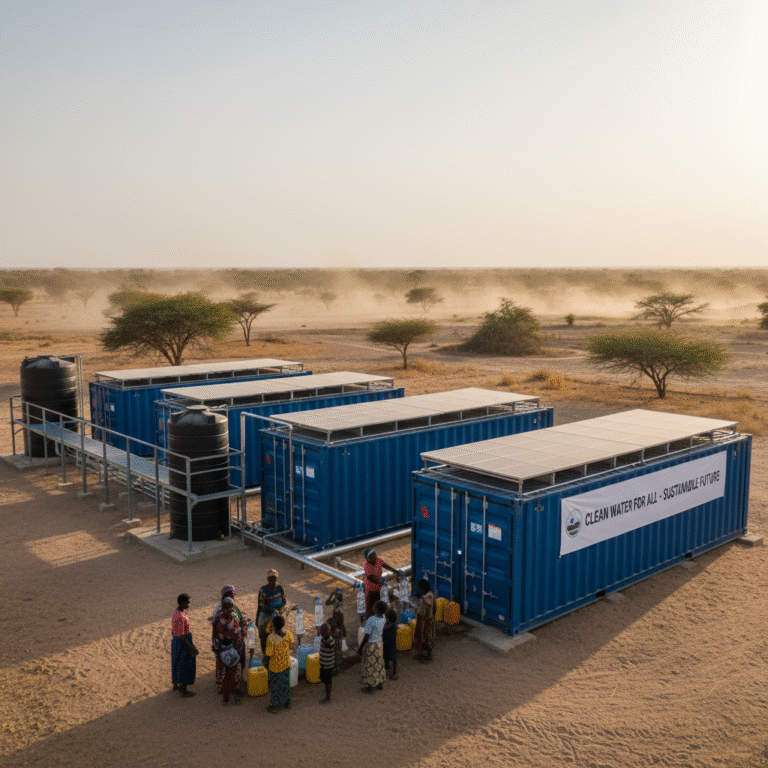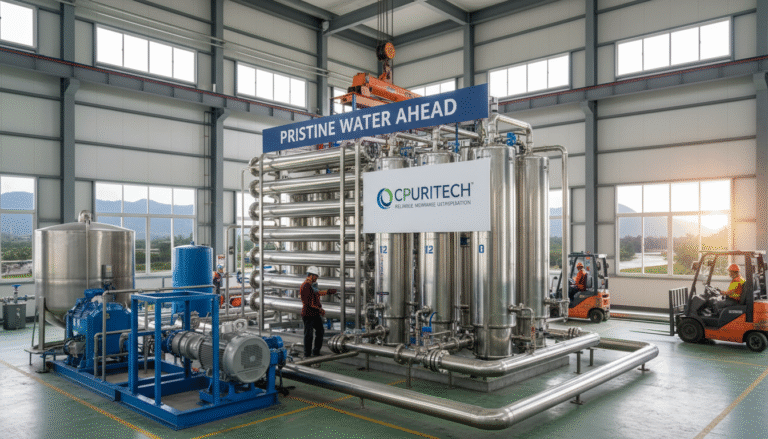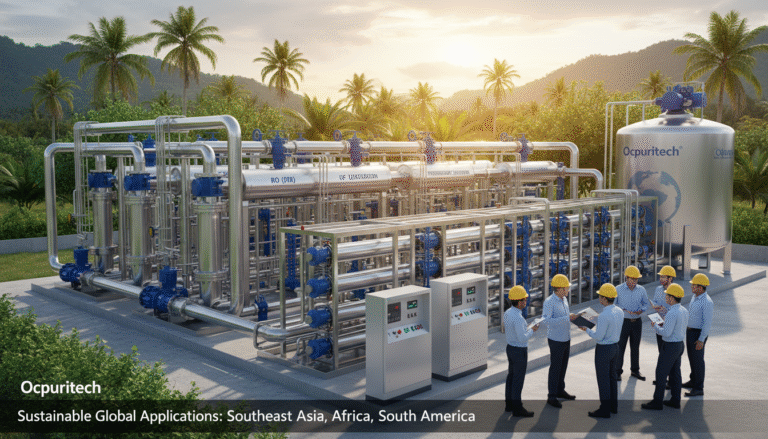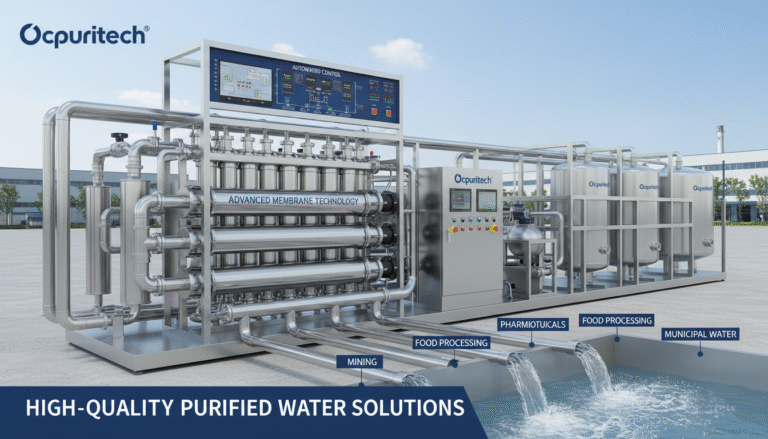
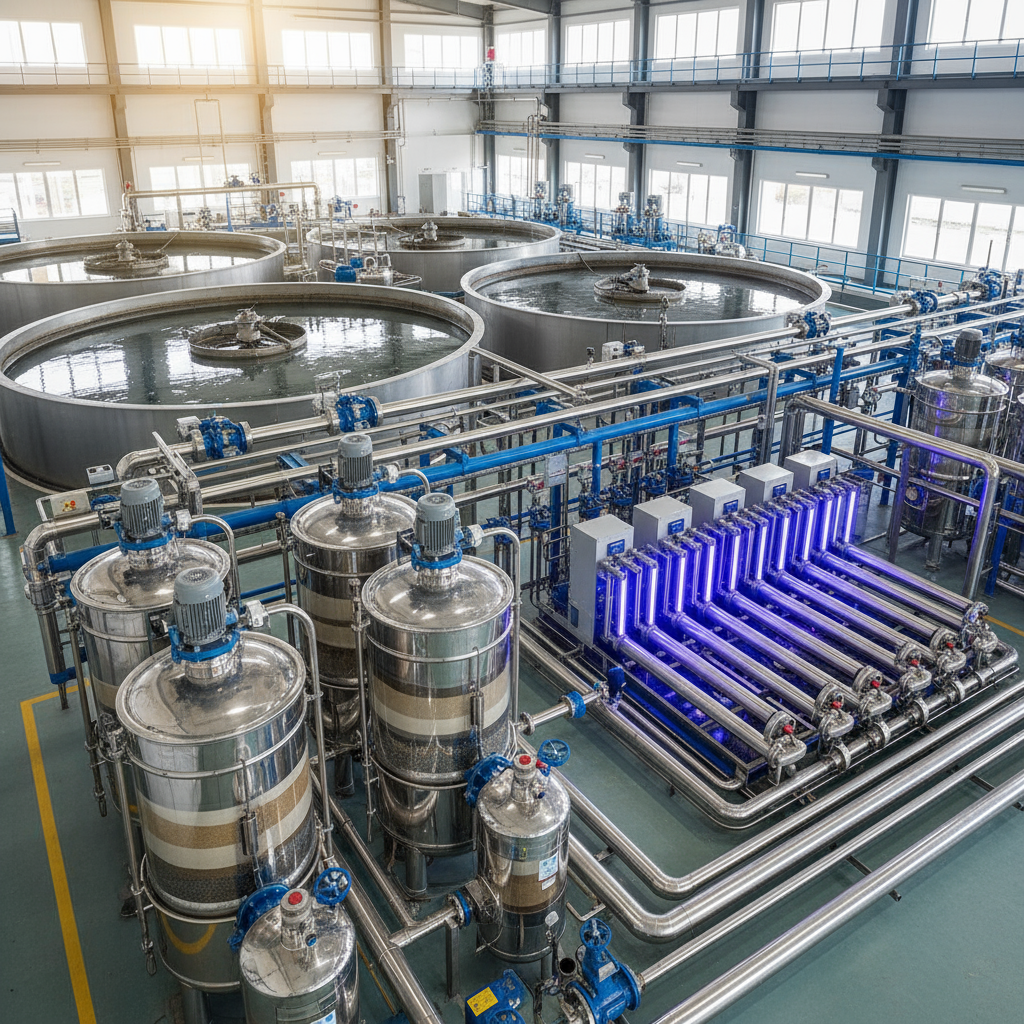
Water treatment plants are critical infrastructures that ensure safe, clean water supply for a variety of industrial and municipal applications. Understanding the machinery required for water treatment plant advancement not only enhances operational efficiency but also ensures compliance with environmental standards. This article offers a detailed exploration of the essential equipment, technology, pricing models, and practical insights drawn from real-world projects to provide an authoritative guide for industry professionals and decision-makers.
Product Overview: Types, Functions, and Key Industries
The machinery integral to water treatment plants encompasses a diverse range of equipment, each tailored to specific treatment stages and water quality challenges. Broadly, the equipment can be categorized as:
- Pre-treatment machinery: Includes screening systems, grit chambers, and coagulation-flocculation units that prepare raw water by removing large particles, sediments, and organic matter.
- Primary treatment units: Such as sedimentation tanks and clarifiers that facilitate gravity-based removal of suspended solids.
- Secondary treatment machinery: Biological treatment reactors (e.g., activated sludge systems, biofilm reactors) that degrade organic pollutants through microbial action.
- Tertiary treatment and finishing equipment: Membrane filtration modules, activated carbon filters, UV disinfection units, and advanced oxidation systems ensuring pathogen elimination and chemical contaminant removal.
Industries leveraging these technologies are varied, including mining operations requiring treatment of acidic mine drainage, food and beverage processing plants needing stringent quality water, pharmaceutical and cosmetics manufacturing with ultra-pure water demands, as well as municipal and environmental agencies handling river water, groundwater, and wastewater reclamation.
Technical Principles and Key Components
The machinery required for water treatment plant operations hinges on several core technologies:
- Membrane Separation Technologies: Techniques like ultrafiltration (UF), nanofiltration (NF), reverse osmosis (RO), and microfiltration (MF) are widely used for removing particulates, microbes, and dissolved contaminants. RO membranes, in particular, are essential for desalination and ultra-purification, operating based on selective permeability under pressure differentials.
- Automated Control Systems: Integration of programmable logic controllers (PLC), sensors, and Supervisory Control and Data Acquisition (SCADA) systems enables real-time monitoring, precise dosing of chemicals, and machinery operation optimization. This reduces manual intervention and enhances consistency in treatment quality.
- Chemical Dosing Units: Precise automation for coagulants, pH adjusters, and disinfectants ensures chemical processes such as coagulation, flocculation, and sterilization are finely regulated.
- Mechanical Clarifiers & Sedimentation Equipment: Gravity-driven sedimentation tanks with sludge collectors maximize solid-liquid separation efficiency.
- Advanced Oxidation Processes (AOPs): Including ozone generation and UV reactors, these units target recalcitrant organic compounds and pathogens.
Understanding the synergy between these components is fundamental for designing a treatment plant with optimal footprint, energy consumption, and treatment efficacy.
Price Breakdown and Cost Analysis
The investment in machinery required for water treatment plant generally involves several cost elements:
| Cost Component | Description | Contribution to Total Cost |
|---|---|---|
| Core Equipment | Membrane modules, pumps, clarifiers, chemical dosing systems. | 50% – 65% |
| Automation & Control | PLCs, sensors, software licenses, system integration. | 10% – 20% |
| Installation & Commissioning | Site preparation, equipment setup, calibration. | 10% – 15% |
| Operation & Maintenance | Consumables, membrane replacements, energy, labor. | 10% – 20% annually |
While initial capital expenditure is significant, careful selection focused on lifecycle costs and treatment capacity can improve return on investment (ROI). In my experience overseeing municipal projects, choosing modular membrane units with simplified automation reduced both installation time by 25% and operational energy consumption by approximately 15%, leading to cost savings over five years.
Performance Specifications and Quality Assurance
Machinery in water treatment plants must meet strict performance and quality benchmarks. Key parameters to consider include:
- Flow capacity: Expressed in cubic meters per hour or day, tailored to expected water demand.
- Contaminant removal efficacy: Percent removal for turbidity, TSS, pathogens, heavy metals, and organic compounds.
- Material specifications: Anti-corrosion stainless steel, UV-resistant plastics, and chemical-resistant coatings ensure durability.
- Energy efficiency ratings: Low power consumption motors, variable frequency drives (VFD).
- Compliance certifications: ISO 9001, NSF standards, and local regulatory approvals.
To guarantee reliability, comprehensive factory acceptance tests (FAT) and site acceptance tests (SAT) are standard practice. In a mining remediation project I managed, batch testing of advanced oxidation units using site water demonstrated a 99% reduction in cyanide compounds, validating machine performance before full deployment.
Market and Application Analysis
The applicability of water treatment machinery varies greatly depending on geographic location and industry-specific water quality challenges:
- Municipal sectors: Treatment plants handle variable feed water such as river water with fluctuating turbidity and urban wastewater requiring high pathogen reduction.
- Mining Industry: Often faces high metal contaminants and acidity; necessitates acid-resistant materials and robust oxidation equipment.
- Food & Beverage: Requires ultra-pure water with stringent organic contaminant limits, thus demanding multi-stage filtration and sterilization.
- Pharmaceuticals and Cosmetics: High standards for microbial control and water purity, favoring membrane systems with automatic CIP (clean-in-place) capabilities.
- Industrial Boilers and Cooling Systems: Deionized and softened water systems prevent fouling and scaling, extending equipment lifespan.
Given local water characteristics—such as high salinity in arid regions or industrial contaminants in urban zones—customized machinery configurations are essential. In a project addressing agricultural runoff, installing multi-media filters followed by membrane filtration successfully adapted to seasonal turbidity spikes.
Case Studies: Real-World Applications
Drawing on practical experience, here are illustrative examples showing machinery impact:
- Industrial Water Reclamation in Food Processing: At a mid-sized plant processing over 500 m³/day, integration of ultrafiltration membranes and automated chemical dosing cut water consumption by 40% and reduced wastewater discharge costs by 30% within one year.
- Municipal River Water Treatment: A system combining coagulation, sedimentation, and reverse osmosis membranes treated raw river water with high turbidity. Automated controls ensured consistent operation, achieving pathogen removal rates exceeding 99.99%, meeting WHO standards.
- Mining Site Remediation: Deployment of acid-resistant pumps and oxidation units treated acidic, heavy-metal-laden effluent. Continuous monitoring and remote automation minimized downtime, resulting in a 70% reduction in environmental penalties and improved compliance.
Customization and Service Support
Modern water treatment plants demand flexible solutions tailored to client needs. Typical customization options include:
- Pre-treatment modules matched to raw water characteristics (e.g., sand filters, degasifiers).
- Post-treatment enhancements such as remineralization or pH adjustment systems, ensuring water meets end-use criteria.
- Full automation packages with remote monitoring services, reducing manpower requirements.
- Comprehensive service agreements covering preventive maintenance, spare parts supply, and emergency technical support.
During a pharmaceutical plant upgrade, incorporating a customized post-treatment UV system with automated lamp replacement alerts significantly enhanced compliance with hygiene validation protocols.
Manufacturer Profile and Collaboration Benefits
Optimal machinery sourcing focuses on manufacturers demonstrating:
- Robust engineering expertise with proven references across diverse industries.
- Certifications such as ISO 14001 (environmental management) and ISO 45001 (safety management).
- Strong R&D capability enabling adaptation of emerging technologies into commercial products.
- Comprehensive after-sales service infrastructure accessible regionally or globally.
Partnering with such suppliers reduces project risks and facilitates continuous innovation adoption. In partnership negotiations I led, selecting manufacturers with local technical presence helped accelerate problem-solving and minimize operational disruptions.
Summary and Investment Recommendations
Investing in the right machinery required for water treatment plant is a strategic decision with direct impact on water quality, cost-efficiency, and regulatory compliance. Key considerations include:
- Thorough assessment of water source characteristics and treatment goals to define machinery scope.
- Prioritizing technology solutions combining modularity, automation, and energy efficiency for scalable growth.
- Evaluating total cost of ownership rather than upfront price alone, factoring in maintenance and operational saving potentials.
- Leveraging proven suppliers with strong support networks and certified quality controls.
Based on extensive field observations, adopting integrated membrane systems with advanced automation consistently delivers superior ROI—typically recouped within 3 to 5 years depending on scale and application.
In closing, the evolving landscape of water treatment demands continuous innovation and expert guidance. Combining authoritative data insights with practical knowledge ensures optimal machinery selection and fosters sustainable water management solutions.