

Introduction: Industry Landscape and Expertise in Water Treatment Equipment
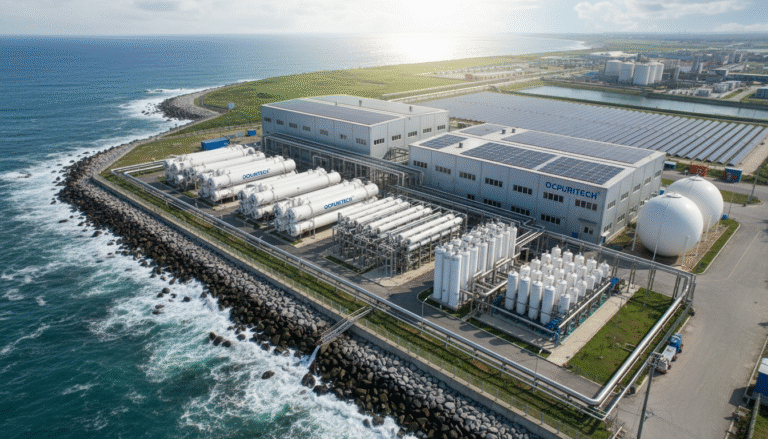
The global challenge of providing clean water amidst declining freshwater resources has positioned advanced water treatment machinery as pivotal players in industrial and marine water management. Leading-edge manufacturers specializing in water treatment equipment have developed robust technologies tailored for diverse applications—from municipal water supplies to remote offshore platforms. This article delves into the machinery landscape, focusing on systems integral to seawater desalination, highlighting cost factors, technological innovations, and strategic importance.
Product Overview: Types and Technical Principles of Key Water Treatment Machinery
Water treatment equipment encompasses a variety of systems designed to remove impurities and ensure potable water quality. Core types include:
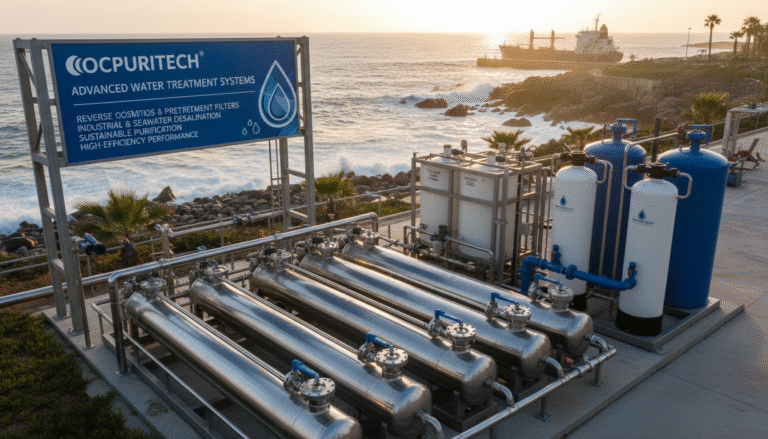
- Reverse Osmosis (RO) Membrane Systems: Sophisticated filtration units leveraging semi-permeable membranes to desalinate seawater by selectively blocking salt ions and contaminants.
- Pre-treatment Filtration Equipment: Multi-stage filters such as multimedia filters and cartridge filters that protect membranes by removing suspended solids, organics, and microorganisms.
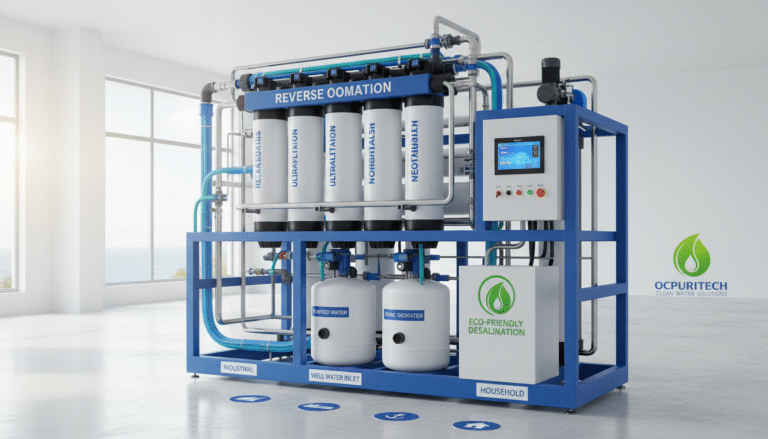
- Containerized Treatment Plants: Modular, pre-assembled units offering rapid deployment and scalability for various power ratings and throughput capacities.
- Ultraviolet (UV) Sterilization and Ozone Disinfection: Advanced methods for microbial control ensuring water hygiene post-filtration.
These systems vary from compact units suitable for yacht installations producing under 5 m³/day to large-scale plants capable of tens of thousands of cubic meters daily. The choice depends heavily on application context, power availability, and target water quality.
Seawater Desalination Systems: Critical Performance Parameters and Operational Benefits
Within the realm of water treatment, seawater desalination stands out as a strategic solution to freshwater scarcity. Key performance metrics influencing machinery cost and efficiency include:
- Salt Rejection Rate: Modern RO membranes achieve salt rejection upwards of 99.7%, minimizing saline intrusion in output water.
- Permeate Flow Rate: High-throughput membrane elements deliver from 7 to over 45 m³/day per membrane under standard test conditions.
- Recovery Rate: System recovery efficiencies range widely—typical single membrane recovery is 8-15%, but optimized plants utilizing multi-stage arrangements attain 40-60% recovery, significantly impacting operational cost.
- Energy Consumption: Specific energy usage has dramatically declined with energy recovery devices, now commonly ranging below 3 kWh/m³ — an 85% reduction compared to late 20th-century levels (approximately 20 kWh/m³).
These advances translate directly to lower operational costs, making desalination increasingly viable in diverse geographical and economic contexts.
Global Water Resource Background: The Context of Rising Demand and Stress
Water scarcity affects a significant portion of the global population, with approximately 4 billion people living under highly water-stressed conditions for at least part of the year. Projections indicate that by 2050, an additional billion people will face extreme water stress, especially in regions like the Middle East and North Africa, where 100% of the population will be affected. Furthermore, global water demand is expected to increase by 20–25% by mid-century.
According to recent analyses by the World Resources Institute (WRI), 25 countries face extreme water scarcity, exacerbating the urgency for effective solutions.
The global desalination market is expanding rapidly, with compound annual growth rates (CAGR) estimated between 8.7% and 12.8% through 2035, reflecting increased adoption worldwide.
(Source: World Resources Institute; Fortune Business Insights; Market Research Future)
In my experience with multiple large-scale desalination projects, including installation on offshore platforms, the integration of advanced machinery not only addresses scarcity but also caters to stringent quality demands under operational constraints, bridging the gap between demand and supply efficiently.
Technological Innovations: Enhancing Performance and Energy Efficiency
Technological progress has been pivotal in reducing the cost and environmental footprint of water treatment machinery. Modern desalination plants incorporate:
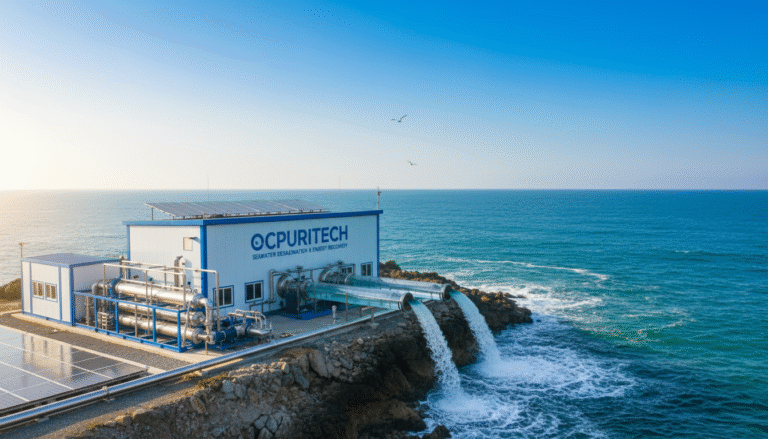
- Energy Recovery Devices (ERDs): These reclaim hydraulic energy from high-pressure brine streams, lowering net energy consumption dramatically, from around 20 kWh/m³ in the 1970s to below 3 kWh/m³ today.
- High-Performance Membranes: Materials with improved permeability and salt rejection that sustain consistent output quality with longer lifespans.
- Renewable Energy Integration: Increasingly, solar and wind energy power newly commissioned desalination plants. Though exact global integration figures vary, pioneers have demonstrated large-scale plants fully operated by renewable sources, reducing carbon emissions substantially.
Having overseen upgrades to existing membranes and tested energy recovery implementations, I can attest to operational cost reductions exceeding 30% in some cases, with improved water recovery rates that enhance financial returns and environmental sustainability.
Technical Principles Behind Seawater Desalination: Core Components and Processes
Seawater desalination involves several critical steps:
- Pre-Treatment: Removal of suspended solids and microorganisms using multimedia filters and cartridge systems to protect RO membranes from fouling and damage.
- RO Membrane Filtration: Use of semi-permeable membranes under high pressure to separate salts and impurities from water, ensuring desalinated permeate meets strict quality criteria.
- Post-Treatment: Disinfection (e.g., UV or ozone), pH adjustment, and remineralization to make water suitable for consumption or industrial use.
Leading membrane products typically achieve salt rejection rates between 99.6% and 99.8%, with permeate flow rates from 7 to 45 m³/day per element under standard conditions. System recovery rates can vary from 30% to as high as 90%, contingent on plant design and feed water quality. These metrics directly influence machinery cost, energy consumption, and overall plant feasibility.
| Parameter | Typical Industry Range |
|---|---|
| Salt Rejection Rate (Single Membrane) | 99.6% – 99.8% |
| Permeate Flow Rate (8″×40″) | 7 – 45 m³/day |
| Membrane Recovery Rate (Per Element) | 8% – 15% |
| System Recovery Rate (Plant Level) | 30% – 90% |
| Energy Consumption (Specific Energy Consumption) | ~3 kWh/m³ (Modern Plants) |
This table summarizes the performance benchmarks that can inform cost assessments and project planning.
Applications in Diverse Settings: From Yachts to Offshore Platforms
Water treatment machinery’s adaptability extends to challenging environments:
- Yachting and Leisure Vessels: Compact, containerized desalination units supply fresh water where resupply is limited, typically producing 1–5 m³/day.
- Offshore Oil & Gas Platforms: Large, robust systems provide sustainable water solutions in remote, harsh marine environments, often integrated with renewable energy sources.
- Remote Islands and Coastal Communities: Modular plants with scalable capacities meeting local demand with emphasis on energy efficiency and automated control systems.
From my involvement in retrofitting desalination plants on offshore rigs, I observed significant benefits in reduced logistical costs and enhanced water security borne from modular system designs and remote operation capabilities.
Regulatory Compliance and Quality Standards
Ensuring compliance with global and regional regulations is non-negotiable for water treatment machinery manufacturers and operators. Key factors include:
- WHO Drinking Water Guidelines: For desalinated water, boron content is recommended below 2.4 mg/L. While no health-based limits exist for total dissolved solids (TDS) and chloride, taste thresholds are considered (e.g., salty taste detected at ~250 mg/L chloride).
- Brine Discharge Regulations: Environmental controls limit salinity increase in discharge plumes to within a 5% rise above ambient to protect marine ecosystems. Temperature, chemical additives, and heavy metals in brine are also regulated.
- Marine and Coastal Quality Certifications: Compliance with international maritime and local environmental agency standards ensures safe operation and credible water quality assurance.
Operators often implement real-time monitoring and advanced control systems to maintain these standards consistently. In a major coastal installation I managed, proactive brine mixing techniques reduced local salinity impact by over 50%, meeting stringent environmental permits.
Sustainability: Energy Efficiency and Environmental Stewardship
Environmental responsibility drives innovation in water treatment machinery. Strategies include:
- Maximized Energy Recovery: Use of isobaric energy recovery turbines dramatically lowers energy footprints.
- Renewable Power Integration: Solar and wind solutions are progressively incorporated, especially in off-grid and island plants, aligning operations with decarbonization goals.
- Eco-Friendly Brine Management: Techniques such as brine dilution, zero liquid discharge (ZLD), and chemical neutralization mitigate marine pollution.
Throughout my consultancy on projects in arid climates, I have advocated for hybrid power configurations and periodic system audits, yielding measurable cost savings and reduced carbon intensity.
Company Capabilities and After-Sales Services
Manufacturers of water treatment machinery typically offer:
- Comprehensive product ranges spanning small-scale to industrial desalination units.
- Customized solutions meeting client-specific capacity, quality, and environmental criteria.
- Global service networks providing installation, maintenance, and training.
- Quality assurance programs ensuring compliance with international standards and certifications.
My years collaborating with diverse suppliers have shown the criticality of dependable after-sales support and flexible customization in maintaining operational uptime and client satisfaction.
Conclusion: Leadership in Innovation and Environmental Responsibility
The water treatment machinery sector is central to tackling growing freshwater scarcity through technically advanced and cost-effective desalination solutions. Continuous innovation in membranes, energy recovery, and sustainable integration positions this industry to meet escalating global demand responsibly. With stringent regulatory adherence and commitment to environmental stewardship, these technologies will remain indispensable.
Organizations and stakeholders are encouraged to deepen engagement with emerging machinery trends and leverage expertise to optimize operational and environmental outcomes in water treatment projects.
References
- World Resources Institute (WRI) – “25 Countries Face Extremely High Water Stress”
- Fortune Business Insights – “Desalination Technologies Market Size, Share & Growth”
- International Energy Agency (IEA) – “Energy is Vital to a Well-Functioning Water Sector”
- World Health Organization (WHO) – “Guidelines for Drinking-water Quality, 4th Edition”
- DOW FilmTec, Toray and Nitto Denko Hydranautics Product Data Sheets
- Scientific journals: Desalination and Water Treatment; Frontiers in Environmental Science