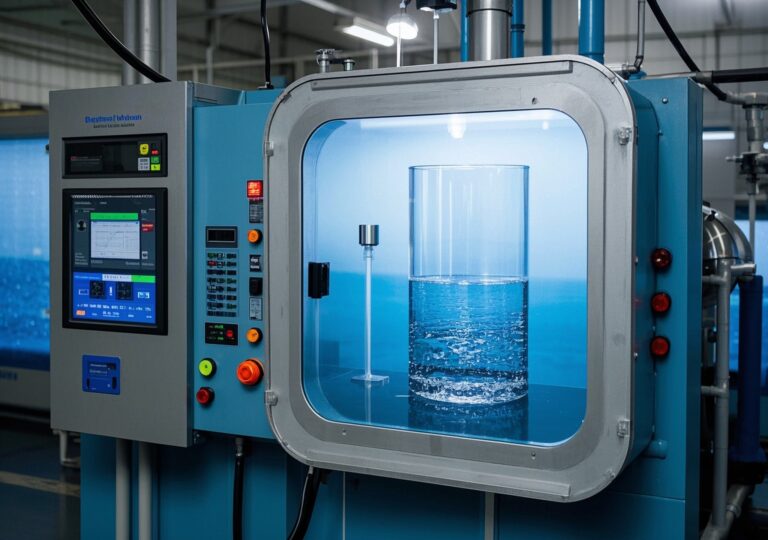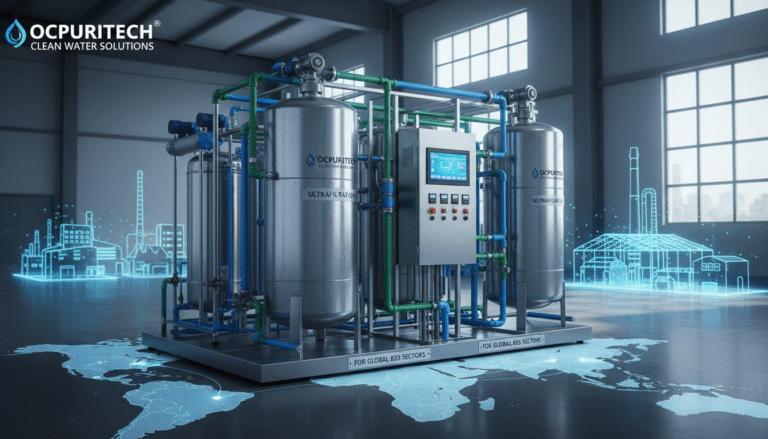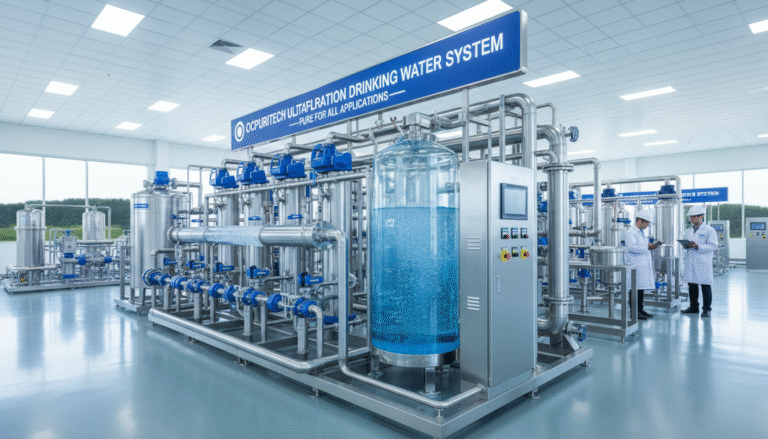
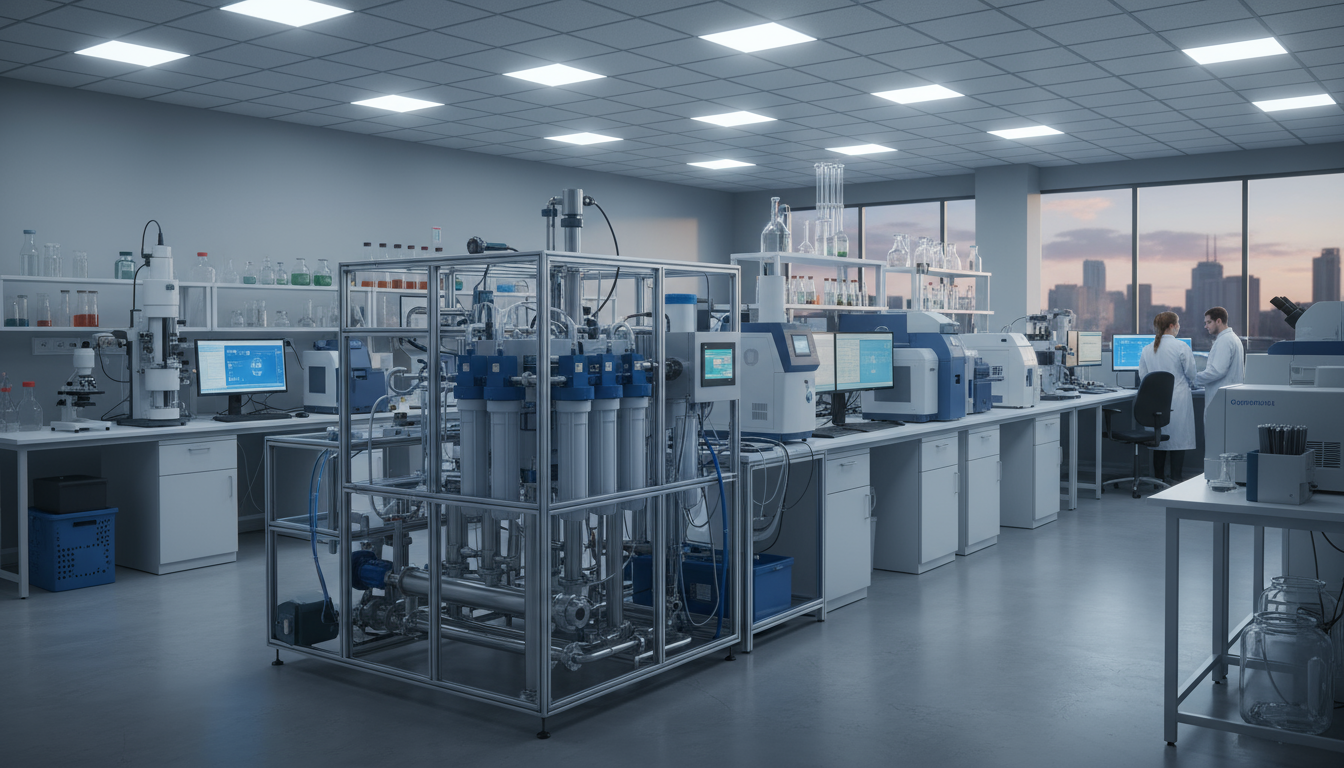
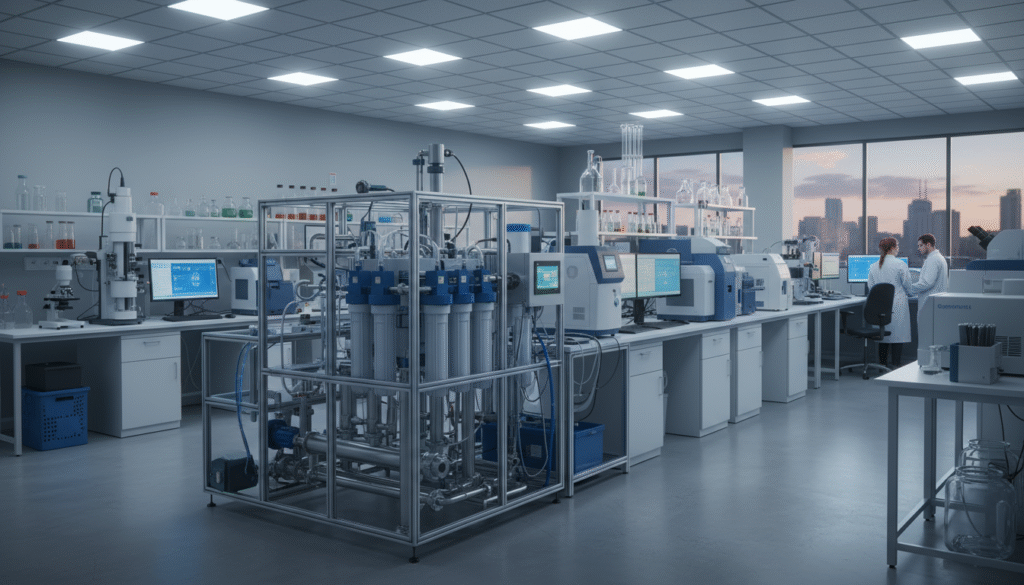
Ultrafiltration (UF) technology has become indispensable in ensuring the purity and safety of water used across critical industries such as food processing and pharmaceuticals. The need for highly effective water purification systems that remove suspended solids, bacteria, viruses, and organic contaminants while preserving essential minerals is greater than ever. This article delves into the fundamentals, technical aspects, cost considerations, and real-world applications of the best ultrafiltration system, supported by authoritative global water safety data and decades of professional experience.
Understanding Ultrafiltration Systems: Overview and Industry Uses
Ultrafiltration systems are membrane-based filtration units designed to physically remove particulates, bacteria, viruses, and certain macromolecules from water. Unlike reverse osmosis, UF membranes allow water and low molecular weight solutes to pass through, ensuring certain minerals remain intact — making them ideal for industries demanding both purity and balanced composition.
Typical ultrafiltration membranes have pore sizes ranging from 0.01 to 0.1 microns. Common system types include spiral wound, hollow fiber, and flat sheet modules. Their modular design allows scalability to meet various production volumes.
Industries that widely utilize ultrafiltration include:
- Food and Beverage Processing – for clarifying juices, dairy processing, and beverage manufacturing
- Pharmaceutical and Biotechnology – ensuring ultrapure water for formulations and lab use
- Cosmetics Manufacturing – guaranteeing contaminant-free water for sensitive products
- Municipal and Industrial Water Treatment – treating river, well, and surface water as pretreatment or standalone systems
- Laboratories and Hospitals – providing sterile water for cleaning and testing
In sectors such as food and pharma, stringent hygiene and quality standards demand robust and reliable systems that demonstrate consistent performance and compliance with regulatory guidelines.
Technical Principles and Core Components of Ultrafiltration Systems
At its core, ultrafiltration utilizes semi-permeable membranes that separate contaminants by size exclusion and membrane surface properties. Feed water passes tangentially along the membrane surface, allowing permeate (treated water) to permeate while retaining larger particles, colloids, and microorganisms on the feed side.
Key technical components include:
- Membrane Modules – typically hollow fiber or spiral wound membranes made of materials such as polysulfone or PVDF, selected for chemical resistance and durability
- Automated Control Systems – real-time monitoring for pressure, flow, and trans-membrane pressure (TMP), enabling preventative maintenance and operational optimization
- Cleaning-In-Place (CIP) Systems – enabling periodic membrane cleaning to restore flux and extend membrane life
- Pretreatment Filters – like sand, carbon, or multimedia filters to protect membranes from larger particulates and reduce organic load
- Pumps and Piping – designed for optimized flow rates and energy efficiency
Integrating intelligent control systems enhances reliability, allowing operators to automate cleaning cycles and adjust parameters based on feed water quality variations. In food and pharmaceutical applications, fully automated ultrafiltration systems help maintain compliance with GMP and HACCP standards.

Breaking Down the Price: Investment and Operating Costs
Understanding the total cost of ownership for ultrafiltration systems is crucial for businesses making critical infrastructure investments. Typically, costs are segmented as follows:
- Base System Equipment – membrane modules, frame, pumps, and control panel
- Pretreatment and Post-Treatment Options – filters, UV sterilizers, or chemical dosing units
- Installation and Commissioning – professional setup, piping, and validation
- Operation and Maintenance – energy consumption, membrane replacement (typically every 3-5 years), cleaning chemicals, labor
- Automation and Monitoring Upgrades – optional but can provide long-term cost savings
While the initial capital expenditure may seem significant, the long operational lifespan, low chemical usage compared to other technologies, and highly consistent product water quality deliver strong return on investment. In my experience working with food processing plants, ultrafiltration systems have reduced overall water waste and contamination risks, resulting in operational savings exceeding 15% annually on water sourcing and treatment costs.
Performance Metrics and Quality Assurance in Ultrafiltration
High-quality ultrafiltration systems meet strict performance criteria to be suitable for sensitive applications:
| Parameter | Typical Value/Range | Notes |
|---|---|---|
| Pore Size | 0.01–0.1 μm | Effective bacteria and virus removal |
| Flux Rate | 20–100 LMH (liters/m²/hour) | Depends on feed water quality |
| Recovery Rate | 85–95% | Maximizes water yield |
| Rejection Rate | ≥99% for bacteria & macromolecules | Ensures high water purity |
| Material Construction | Polysulfone, PVDF, stainless steel frames | Corrosion and chemical resistant |
Stringent quality control and membrane integrity testing during manufacturing ensure reliability. Our clients in pharmaceutical manufacturing report zero microbial contamination incidents after integrating consistently monitored UF systems.
Global Water Challenges and Ultrafiltration’s Role in Food and Pharma
According to recent authoritative reports by the World Health Organization (WHO) and UNICEF, approximately 22 billion people worldwide still lack access to safely managed drinking water services as of 2022. Industrial and agricultural pollution remain critical challenges, contaminating surface and groundwater with nutrients, pesticides, heavy metals, and microbial pathogens.
“As of 2022, about 73% of the global population uses safely managed drinking water services; however, industrial discharges and agricultural runoff contribute significantly to water pollution, impacting public health and ecological safety.” – World Health Organization (WHO) and UNICEF Joint Report
In this context, deploying the best ultrafiltration system in food and pharmaceutical industries is not only a compliance necessity but also a corporate social responsibility to mitigate pollution risks.
In my consultancy work with a Southeast Asian beverage manufacturing facility, switching from conventional sand filtration to ultrafiltration reduced microbial loads by 99.7% and lowered chemical usage during downstream treatments by 30%, directly improving product safety and reducing environmental impact.

Practical Applications and Tailored Solutions
Each industry and geographic location presents unique water quality and usage challenges, requiring adaptive and customized ultrafiltration system designs. Key considerations include feed water characteristics, production scale, regulatory standards, and integration with existing treatment trains.
For example:
- Food Processing Plants often demand ultrafiltration as pretreatment before reverse osmosis to manage high suspended solids and biological loads in surface water.
- Pharmaceutical Manufacturing needs systems certified for pharmaceutical-grade water with automated CIP to meet WHO and USP water quality standards.
- Cosmetic Manufacturers prioritize systems that remove trace organics and pathogens while retaining mineral balance to maintain product stability.
In one project involving a large-scale dairy plant in India, adding ultrafiltration as a polishing step improved water recovery by 10% and enhanced dairy product shelf life due to superior microbial control. Custom pretreatment filters, chosen for turbidity reduction, significantly extended membrane life to over 5 years — a critical economic advantage.
Customization, Service Support, and Partnerships
Selecting the best ultrafiltration system is only part of the equation. Equally important is a vendor’s ability to offer tailored solutions and dependable support for installation, maintenance, and long-term operation.
We specialize in customizing complete water purification lines integrating ultrafiltration with pretreatment and post-treatment modules such as UV sterilization, activated carbon filtration, and softening units. Our two state-of-the-art factories spanning over 10,000 square meters in Guangzhou and Jiangmen are equipped to manufacture high-quality equipment optimized for cost-effectiveness in diverse markets — from Southeast Asia to Africa and South America.
Our automated Remote Control Reverse Osmosis and Ultrafiltration systems include user-friendly interfaces, remote monitoring, and scheduled automated cleaning that reduce downtime and manual intervention. This matches perfectly the operational demands of food and pharmaceutical clients requiring reliability and strict compliance.
Moreover, our comprehensive after-sales service ensures prompt technical assistance and part replacements, underpinning sustained system performance and peace of mind for customers worldwide.
Proven Expertise: Manufacturer Insights and Success Stories
Since our founding in 2011, Ocpuritech has amassed 14 years of expertise in water purification technology development and deployment. We hold strong certifications and utilize cutting-edge membrane research to push ultrafiltration performance boundaries.
Our commitment, as emphasized by Mrs. Carrie Chan, is: “We hope everyone in the world can drink clean and pure water produced by our Reverse Osmosis Water treatment system, and we’ll try our best to take the responsibility of protecting our environment.”
Clients ranging from hospitals to beverage manufacturers have experienced measurable improvements in water quality, process efficiency, and regulatory compliance by integrating our ultrafiltration systems.
One prominent case involved installing a customized UF system in a pharmaceutical plant producing sterile injectable drugs. The system supported uninterrupted water-for-injection quality production, reduced microbiological contamination events by 100%, and was fully compliant during regulatory audits — a critical success facilitated by our tailored engineering and proactive support.
Summary and Investment Guidance for Ultrafiltration Systems
Choosing the best ultrafiltration system involves balancing technical performance, operational costs, application-specific demands, and vendor support capabilities. Reliable UF technology significantly upgrades water purity and ensures consistent compliance, especially vital in food and pharmaceutical sectors.
From my professional vantage point, investing in high-quality automated ultrafiltration equipment yields tangible benefits such as reduced water consumption, lower chemical treatments, enhanced product safety, and minimized environmental impact. Key recommendations include:
- Evaluate feed water quality and align system design accordingly, including pretreatment options
- Prioritize systems with proven membrane materials and automated cleaning to maximize uptime
- Consider vendor expertise and after-sales support as integral to system lifecycle performance
- Leverage ultrafiltration as part of a holistic water purification strategy integrating RO, UV, or chemical dosing where needed
By adopting these strategies, food and pharmaceutical manufacturers can safeguard product integrity, optimize resource use, and contribute to global water safety efforts, echoing commitments by international organizations.
Frequently Asked Questions
Q1: How does ultrafiltration differ from reverse osmosis in water treatment?
Ultrafiltration membranes have larger pore sizes and primarily remove suspended solids, bacteria, and viruses, allowing minerals to pass through. Reverse osmosis membranes have smaller pores that remove nearly all dissolved salts and smaller molecules, often requiring UF as a pretreatment.
Q2: What maintenance is required for ultrafiltration membranes?
Routine cleaning protocols include chemical cleaning-in-place (CIP) to remove fouling, regular monitoring of pressure and flow rates, and membrane integrity testing. Membranes typically last 3-5 years depending on feed water quality.
Q3: Can ultrafiltration systems handle variable water sources like river and well water?
Yes. Proper pretreatment and system customization enable UF systems to effectively treat a variety of source waters, including surface, ground, and municipal supplies.
Q4: Are ultrafiltration systems scalable for different production capacities?
Absolutely. The modular nature of membrane elements allows easy scaling from small pilot units to large industrial systems.
The deployment of the best ultrafiltration system represents a strategic investment in product quality, operational efficiency, and environmental stewardship. Organizations choosing advanced UF technologies supported by experienced manufacturers like Ocpuritech can expect durable performance aligned with the highest industry standards and sustainability goals.
References: World Health Organization (WHO), UNICEF, ReliefWeb, International Decade for Action on Water and Agriculture, International Scientific Organization – “Global Status of Safe Drinking Water Coverage and Water Pollution from Industrial and Agricultural Activities” (2022-2024)