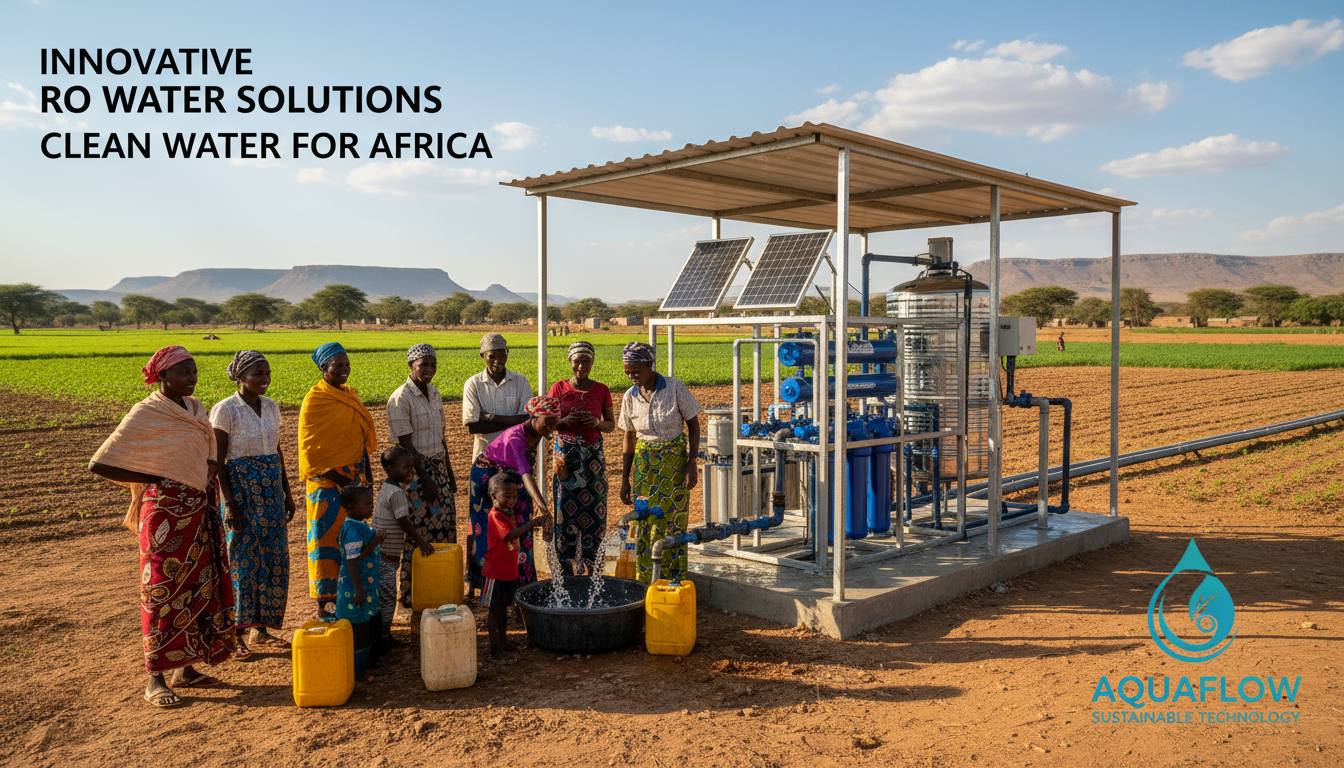
Water scarcity in Africa, especially in Sub-Saharan regions, poses a grave threat to public health, economic growth, and overall social stability. With nearly a quarter of the global population lacking safely managed drinking water and only a projected 37% safely managed water coverage by 2030 in Sub-Saharan Africa, urgent solutions are needed to mitigate this crisis. Water treatment RO (Reverse Osmosis) technologies have emerged as a critical tool to combat water pollution and scarcity, enabling communities to access clean, safe water essential for health and development.
The reliability and quality of drinking water directly influence disease prevalence, population productivity, and regional economic outcomes. As poverty and infrastructure challenges persist, leveraging advanced water purification technologies tailored to local conditions offers the promise of transformative impact. In this context, daring and innovative approaches to water treatment RO become more than technical solutions—they represent lifelines for millions.
Comprehensive Overview of Water Treatment RO Technologies
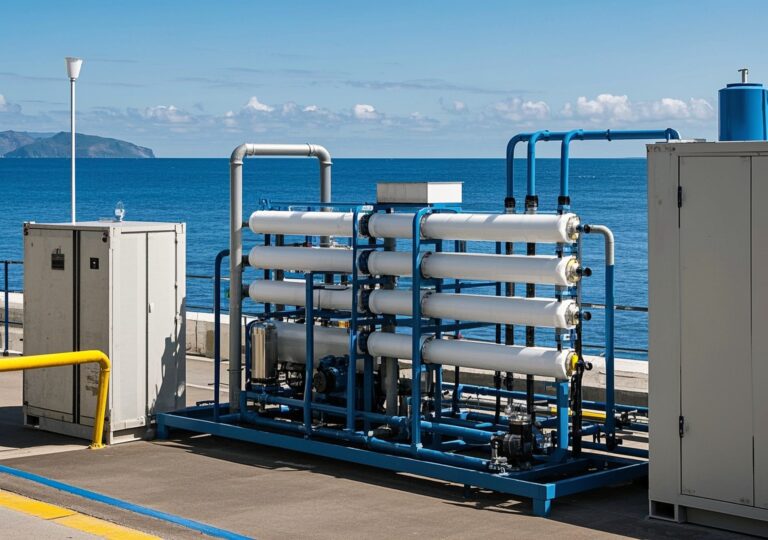
Reverse Osmosis (RO) stands out among water purification methods for its capacity to effectively remove a broad spectrum of contaminants—including dissolved salts, heavy metals, microorganisms, and particulates. Modern RO systems generally involve multi-stage processes, starting with pre-treatment to remove suspended solids and reduce turbidity, which enhances membrane longevity and efficiency.
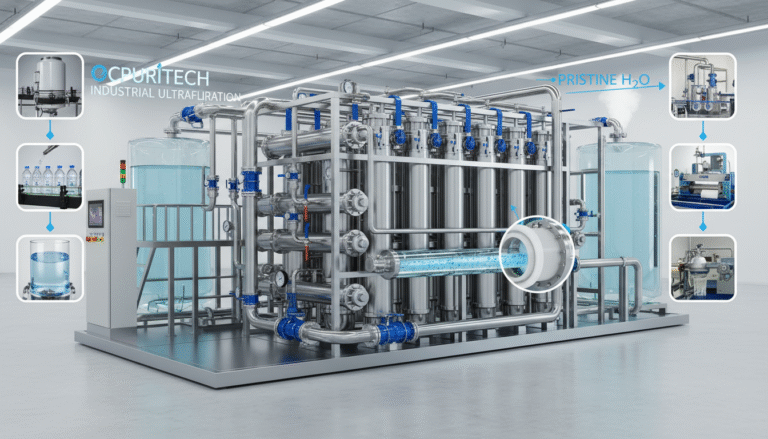
Advanced water treatment RO units often incorporate complementary technologies such as ultrafiltration (UF) for virus and pathogen removal, and electro-deionization (EDI) for polishing demineralized water to meet stringent quality standards. Such integrate systems are adaptable to various feed water types, including brackish water and seawater, critical for water-scarce regions.
Key components include:
- Pre-treatment filters to reduce sediment and organic matter
- High-pressure pumps to drive water through semipermeable RO membranes
- Energy Recovery Devices (ERDs) that minimize energy consumption and operational costs
- Post-treatment units to adjust pH and add essential minerals back into purified water
The ability of RO membranes to reject contaminants at molecular levels provides a significant advantage for meeting the strict chemical and microbial quality guidelines set by organizations such as the World Health Organization (WHO). For instance, WHO guidelines recommend maximum allowable concentrations for arsenic (0.01 mg/L), fluoride (1.5 mg/L), and lead (0.01 mg/L), all of which RO membranes can effectively reduce when properly maintained.
Challenges of Water Resources in Sub-Saharan Africa and Market Needs
The natural and socio-economic conditions in many African countries compound water scarcity. Climate variability leads to irregular rainfall, while high evaporation rates affect surface water availability. Many rural and peri-urban areas depend heavily on groundwater, which often contains high salinity or chemical contaminants, rendering it unsafe for human consumption without treatment.
Access disparities are marked: urban areas benefit from relatively higher coverage of safely managed water services (approx. 83%), whereas rural regions lag behind at around 60% and lower in remote zones. This gap exacerbates health risks and limits socio-economic opportunities. According to UNICEF data, approximately one in four people globally still lack safely managed drinking water, with Sub-Saharan Africa facing the slowest progress—projected coverage reaching only 37% by 2030.
The urgent need for scalable, cost-effective, and energy-efficient water treatment solutions fuels the growing market for water treatment RO technologies. They can address diverse water sources—ranging from contaminated surface water to brackish groundwater—and deliver potable water that complies with international health standards.
Drinking Water Standards and Treatment Process Flow
Ensuring safe drinking water requires adherence to both local and international standards. The WHO Guidelines for Drinking-water Quality provide authoritative reference points covering microbial, chemical, and physical parameters critical for public health protection.
A typical water treatment RO plant designed for areas in Africa integrates the following stages:
- Intake and screening: Removes large debris and sediment.
- Pre-treatment: Coagulation, filtration, and sometimes ultrafiltration reduce turbidity, organics, and microbial load to protect RO membranes.
- RO filtration: High-pressure pumps push water through semi-permeable membranes that reject dissolved salts, heavy metals, bacteria, and viruses.
- Post-treatment: Adjust pH, disinfect (e.g., chlorination), and mineral stabilization.
- Monitoring and control: Continuous water quality analysis ensures compliance with standards and system optimization.
Effective turbidity control is vital, as WHO notes that high turbidity can shield pathogens from disinfection. Modern RO systems boast high rejection rates of key contaminants, meeting or surpassing guideline values—for example, reducing arsenic concentrations below the 0.01 mg/L threshold, thus preventing chronic health effects linked to long-term exposure.
Tailored Solutions and Engineering Designs for Community and Industrial Needs
Customizing water treatment RO technologies to suit diverse applications is crucial for maximizing efficiency and impact. For small rural communities, compact modular RO units powered by solar energy provide off-grid access to safe water with minimized operational complexity.
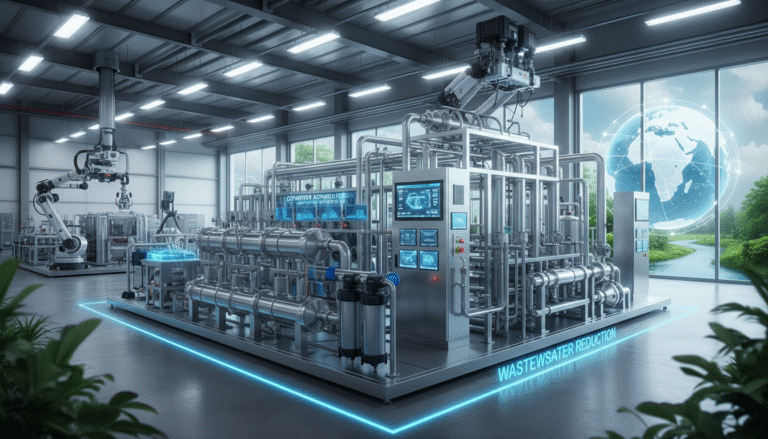
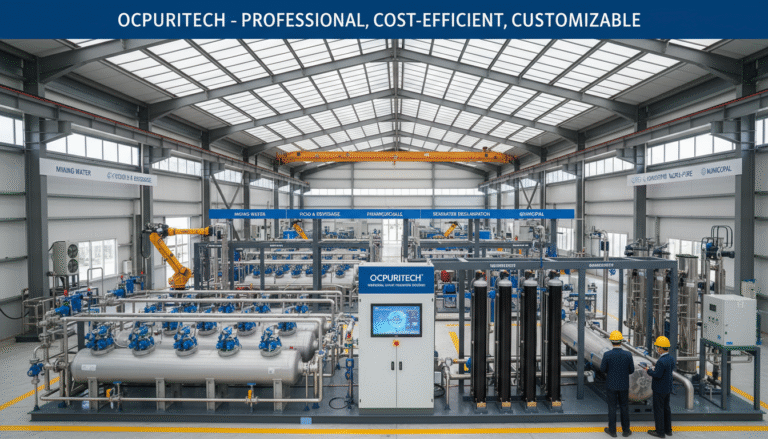
In larger municipal or industrial contexts, integrated plants combine pre-treatment processes such as softening or ion exchange to manage scaling risks common in hard or brackish waters. Advanced control systems enable remote monitoring, fault diagnostics, and adaptive operation using real-time water quality data.
In my experience deploying RO solutions in East African projects, incorporating energy recovery devices (ERDs) was a game-changer. These devices reduced energy costs by nearly 50%, enabling the plants to operate sustainably within limited budgets. The overall plant consumed around 3.2 kWh per cubic meter, striking a practical balance between efficiency and capacity.
Such designs include:
- Pre-treatment tailored to feedwater chemistry (e.g., manganese removal for borehole water)
- Softening units to prevent scaling and extend membrane life
- Automated monitoring dashboards for water quality compliance and predictive maintenance
- Modular expansion capabilities to address growing populations or seasonal variations
Real-World Case Studies Demonstrating Economic and Social Benefits
In a recent project serving a semi-urban community of 25,000 residents, the installation of a customized RO water treatment plant dramatically improved access to potable water. Before implementation, the community relied on contaminated surface water, leading to recurrent outbreaks of waterborne diseases. Post-installation, waterborne disease incidence dropped by over 60% within 18 months, according to local health surveys.
Economically, the plant reduced household expenses on medical care and water purchasing by an average of 30%, reinforcing the community’s financial resilience. From an operational perspective, energy recovery and automation reduced annual energy consumption to approximately 3 kWh/m³, aligning with leading global standards and WHO guidance.
Another industrial application involved supplying treated water for food processing in a drought-prone region. Customized pre-treatment managed high salinity inputs, and the RO system reliably delivered water below WHO guideline values for chemical contaminants. This enabled the facility to maintain product quality and comply with export regulations, boosting local employment and exports.
Conclusion and Call to Action
Addressing Africa’s water crisis demands bold approaches that integrate cutting-edge water treatment RO technologies with nuanced understanding of local water challenges and community needs. Drawing on authoritative data and years of field experience, effective solutions are within reach and offer compelling returns in public health and economic growth.
Collaboration across technology providers, governments, and communities is essential—ensuring tailored, scalable, and sustainable water treatment facilities become the norm. We encourage stakeholders to engage with water treatment experts early in project planning to optimize design, financing, and operational outcomes.
By driving investment in smart water purification systems today, Sub-Saharan Africa can unlock healthier futures, economic uplift, and resilience against climate uncertainties.
References
- UNICEF DATA – Progress on household drinking water, sanitation and hygiene 2000-2024
- World Health Organization (WHO) – Guidelines for Drinking-water Quality, 4th Edition
- World Bank – Poor sanitation costs Africa $200b yearly, hurts climate resilience
- ResearchGate – Studies on Energy consumption and recovery in reverse osmosis desalination plants