Introduction: Understanding Reverse Osmosis Water Filtration Systems
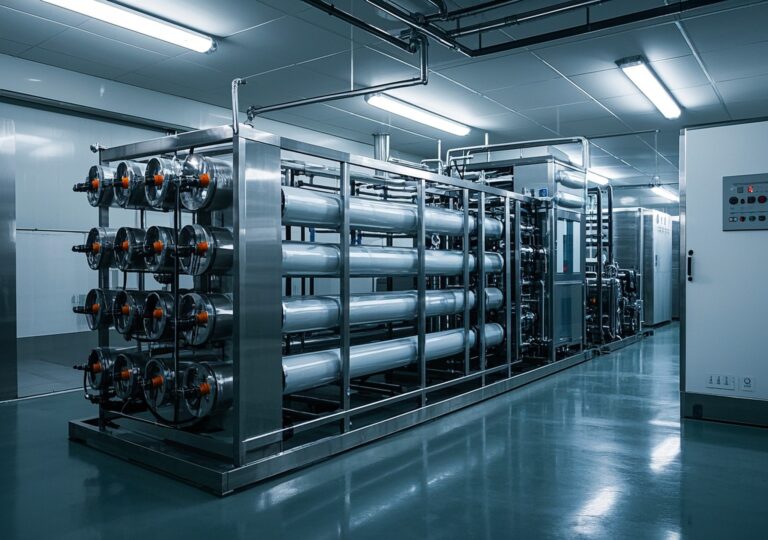
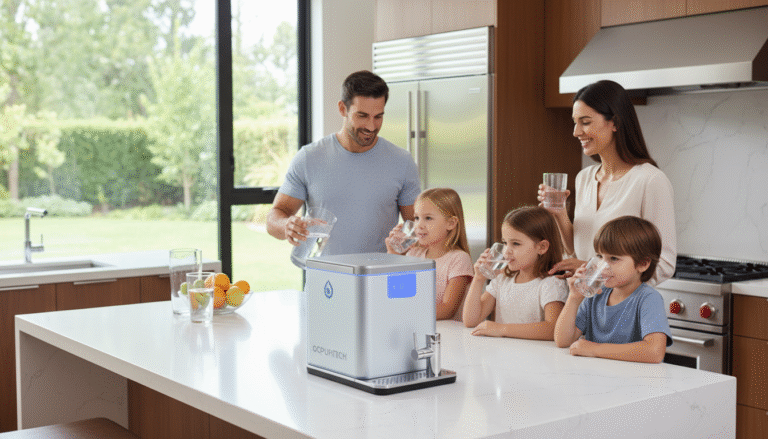
Reverse osmosis (RO) water filtration systems represent a pinnacle in water purification technology. By using a semi-permeable membrane to remove dissolved solids, contaminants, and other impurities, these systems ensure high-purity water suitable for residential, commercial, and industrial use. As global water quality challenges escalate, RO systems have become essential for ensuring safe and clean drinking water. Their application ranges from household countertop units to large-scale commercial installations, underscoring their versatility and critical role in modern water treatment.
Overview and Performance Advantages
A typical RO water filtration system is designed to achieve significant reduction in total dissolved solids (TDS), often exceeding 90-99% removal efficiency, depending on the membrane type and system configuration. Key parameters that define system performance include feed water pressure (typically 40-80 psi), temperature tolerance (35-45°C optimal range), flow rates, and recovery rates. These systems employ multi-stage filtration – starting from pre-treatment, through membrane separation, to post-treatment polishing – ensuring comprehensive contaminant removal.
The core advantages of RO filtration systems include:
- High contaminant rejection, improving water taste and safety
- Compact footprint with modular designs adaptable to various scales
- Energy-efficient operation, especially in newer high-recovery units
- Compliance with water quality standards, such as NSF/ANSI 58 for drinking water systems
This combination of high efficiency and flexible applicability positions RO systems competitively in both residential and commercial water treatment markets.
Step-by-Step Installation Process: Systematic Approach to Setup
Installing a reverse osmosis water filtration system involves multiple precise steps to ensure optimal functionality, regulatory compliance, and long-term reliability. The installation can be broken down into the following stages:
- Pre-installation Assessment: Evaluate feed water parameters — including TDS level, hardness, chlorine content, pressure, and temperature — to determine pre-treatment needs.
- Water Supply Line Preparation: Install a cold water supply valve, ensuring a shutoff mechanism and downstream protection against pressure surges.
- Installation of Pre-treatment Filters: Implement sediment filters and activated carbon filters to remove chlorine and particulate matter, protecting the membrane.
- Mounting the RO Unit: Position the RO membrane housing on a stable surface, maintaining ease of access for future maintenance.
- Plumbing the System: Connect tubing made from NSF-approved plastic materials; metal pipes are discouraged downstream of the RO membrane due to corrosion risks.
- Drain Connection with Air Gap: Attach drainage fittings with proper air gap design to comply with sanitary codes and prevent backflow contamination.
- Post-treatment Installation: Set up post-filters or remineralization cartridges as required by consumer preferences or regulatory standards.
- System Testing and Sanitization: Conduct leak checks, flow rate measurements, and sterilization to ensure system cleanliness before use.
- User Education and Documentation: Provide operational guidance and maintenance schedules to the end user.
Visual process flow diagrams can greatly aid understanding; such diagrams typically depict sequential filtration stages and fluid flow paths, clarifying installation steps.
Key Components Explained
Understanding the function of each component within an RO system is crucial for proper installation and maintenance:
| Component | Function | Features |
|---|---|---|
| Multimedia Filter | Removes larger particulates and suspended solids | Layered media with graded particle sizes to enhance sediment removal |
| Activated Carbon Filter | Adsorbs chlorine, organics and improves taste | Typically granular or carbon block for effective contaminant removal |
| Water Softener | Reduces hardness to protect RO membranes | Ion exchange resins exchanging Ca²⁺/Mg²⁺ ions with Na⁺ |
| High-pressure Pump | Supplies necessary pressure to force water through the membrane | Energy-efficient motors designed for stable operation |
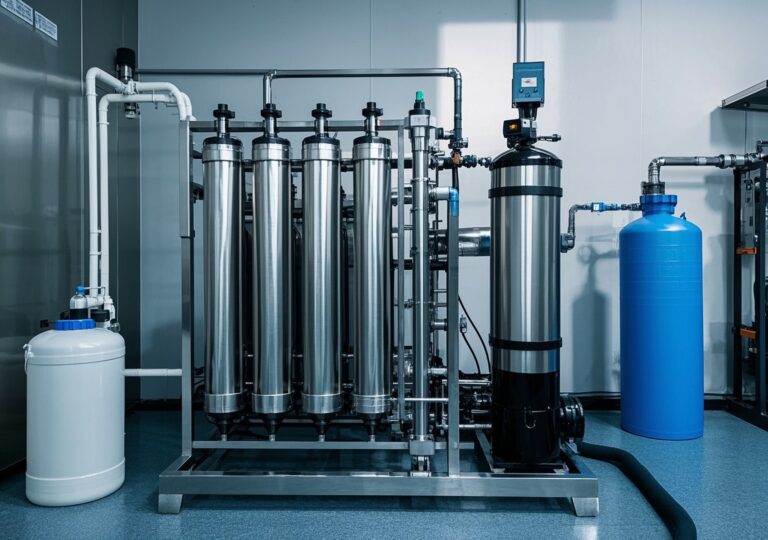
| RO Membrane Element | Removes dissolved salts, bacteria, and other contaminants | Thin-film composite or cellulose triacetate membranes with varying rejection rates |
Each of these parts must be installed following manufacturer and local code guidelines to maintain system efficacy.
Membrane Technology and Maintenance Recommendations
The semi-permeable membrane is the heart of any RO system. Common membrane types include thin-film composite (TFC) membranes, which offer excellent salt rejection rates (typically 95-99%), and cellulose triacetate membranes, which are more chlorine-resistant but slightly less efficient.
To ensure long-term membrane performance:
- Pre-treatment filters must be regularly replaced to prevent fouling.
- Operating pressure and temperature must stay within specified ranges.
- Regular system sanitization and periodic membrane cleaning should be scheduled.
- Membrane replacement intervals typically range from 2 to 5 years based on feed water quality and usage.
Maintenance procedures are vital both for quality assurance and energy efficiency, reducing downtime and lifecycle cost.
Advanced Post-treatment Techniques
After the RO process, certain applications require further water quality improvements:
- Mixed Bed Deionizers: Used in high purity water systems to remove residual ions.
- Electrodeionization (EDI): Combines ion exchange and electrolysis for continuous ion removal without chemical regenerants.
- Ultraviolet (UV) Sterilization: Provides microbiological safety by deactivating bacteria and viruses.
These technologies help industries like pharmaceuticals or food and beverage ensure stringent water standards are met.
Application Case Studies
From my experience overseeing multiple installations, various industries benefit uniquely from RO system deployment:
- Food & Beverage: In a beverage bottling plant, integrating RO systems with CIP (Clean-in-Place) sanitation resulted in a 30% reduction in mineral-related downtime, maintaining product taste consistency.
- Pharmaceutical: A compounding pharmacy used an RO plus EDI hybrid to achieve ultrapure water standards, complying with USP requirements, enabling safer drug formulations.
- Hospitality: Installation of RO units in a hotel chain helped reduce maintenance on boilers and coffee machines by prolonging equipment life and reducing scale buildup.
Such cases underscore the operational and cost benefits that well-designed RO installation brings.
Pricing Considerations and Investment Value
Factors influencing RO system costs include:
| Cost Factor | Details | Impact on Price |
|---|---|---|
| Component Quality | Membrane type, pump brand, filter materials | High-quality parts increase upfront cost but reduce maintenance |
| Customization | System capacity, automation level, integration needs | Tailored solutions raise price but improve ROI through efficiency |
| Operational Costs | Energy consumption, filter replacements, water waste treatment | Operational savings balance higher initial investments |
| Financing Options | Leasing, loans, vendor financing | Affect total cost of ownership and cash flow considerations |
Evaluating these factors holistically ensures intelligent purchasing decisions with optimal return on investment.
Installation and After-Sales Support
Successful RO installation requires:
- Site Preparation: Verifying water conditions, plumbing access, and electrical requirements.
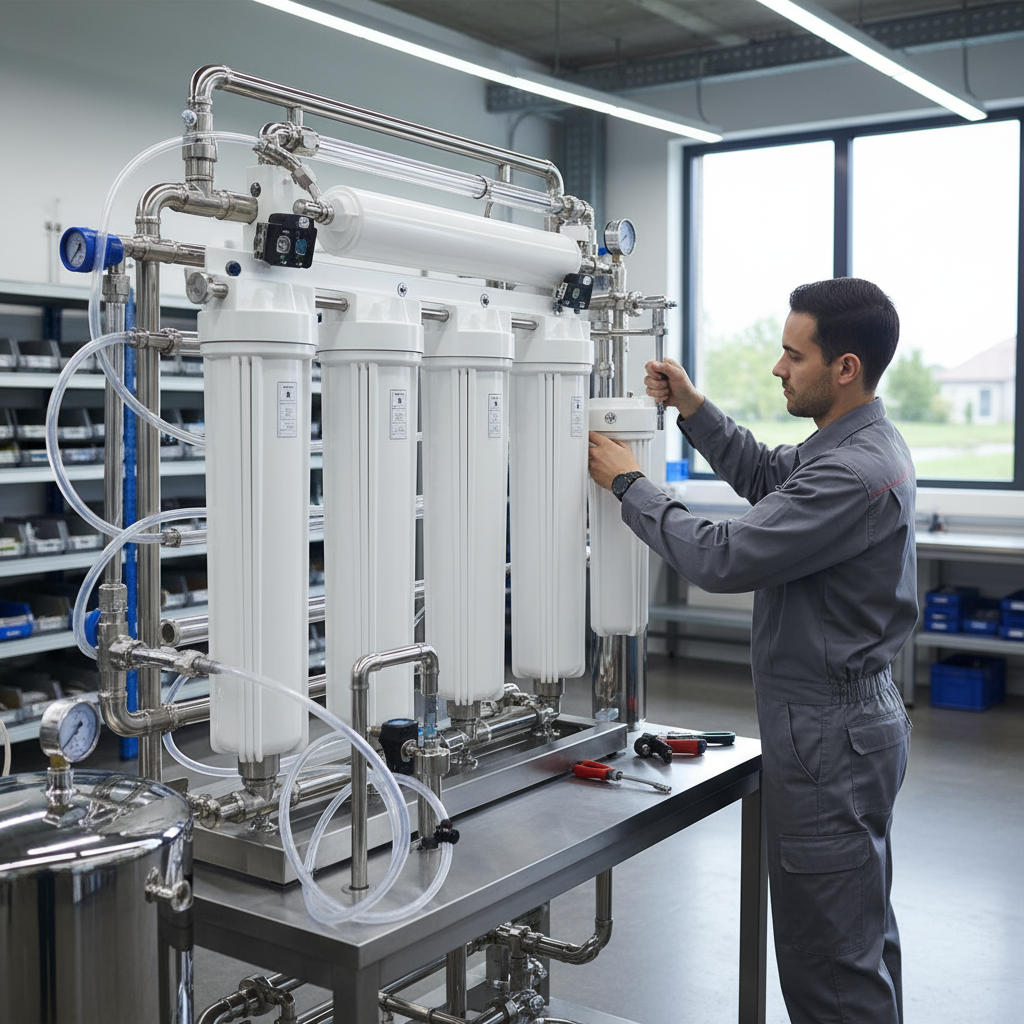
- Professional Installation: Certified technicians performing assembly, ensuring code compliance, and performing pressure and leak tests.
- Commissioning and Training: System startup with flow and quality verification, and user instruction on operation and maintenance.
- Long-Term Service Contracts: Scheduled maintenance visits and remote monitoring to preempt issues.
In my service of multiple commercial installations, systems with robust after-sales programs demonstrated 40% fewer outage incidents than those without.
Maintenance and Troubleshooting Guide
Routine maintenance steps critical for uninterrupted system performance include:
- Replacing pre-filters every 6-12 months.
- Monitoring feed and permeate water pressures and flow rates for anomalies.
- Performing membrane cleanings when rejection rates decline.
- Inspecting and sanitizing storage tanks and post-filters.
Common issues such as membrane fouling, pump failures, or leaks can often be diagnosed via pressure drops or water quality tests. Having an accessible supply of spare parts is essential to minimize downtime.
Manufacturers and Market Positioning
Leading RO system manufacturers distinguish themselves through:
- Certifications including NSF/ANSI 58 for residential systems and AWWA B114-22 compliance for commercial units.
- Global production capabilities facilitating timely delivery and localized service.
- Research and development investments driving innovations in membrane efficiency and system automation.
- Market strategies focusing on sustainability, including water-saving designs aligned with WaterSense efficiency standards.
Choosing a manufacturer with such credentials ensures dependable equipment and professional support.
Conclusion and Call to Action
Installing an efficient **reverse osmosis water filtration system** is pivotal for ensuring water quality, protecting health, and optimizing operational performance across various sectors. By following detailed installation procedures aligned with authoritative guidance and performing ongoing maintenance, users can maximize system longevity and water purity. Drawing on both industry standards such as NSF/ANSI 58 and real-world installation experiences clarifies the best practices necessary for successful implementation.
If you are considering upgrading your water treatment capabilities, consulting with experienced professionals who understand both regulatory requirements and practical installation challenges is recommended. Properly installed and maintained RO systems not only safeguard water quality but also contribute to sustainable water management and cost savings.
—
References
- Water Quality Association (WQA) – “Getting Smart with Reverse Osmosis Systems”
- ANSI/NSF International – NSF/ANSI 58-2022: Reverse Osmosis Drinking Water Treatment Systems
- American Water Works Association (AWWA) – B114-22: Reverse Osmosis and Nanofiltration Systems for Water Treatment