In the face of rising global water demand and increasing industrial water quality challenges, choosing an efficient and reliable water treatment system is vital for businesses worldwide. Ultrafiltration water treatment systems have emerged as a highly effective solution for industries requiring clean, safe, and consistent water quality. This article explores the fundamentals, technology, pricing, and real-world applications of ultrafiltration systems, complemented by expert industry insights and authoritative data.
With industrial water consumption accounting for approximately 20% of global freshwater withdrawal, it is crucial for enterprises across agriculture, manufacturing, pharmaceuticals, and food processing to adopt innovative purification technology. As water scarcity intensifies—particularly in regions like Southeast Asia, Sub-Saharan Africa, and Latin America—deploying efficient treatment solutions becomes an urgent business imperative. Below, we dive deeply into how ultrafiltration fits into this evolving landscape.
Overview of Ultrafiltration Water Treatment Systems
Ultrafiltration (UF) systems belong to the membrane filtration technology family and are designed to remove suspended solids, bacteria, viruses, and macromolecules from water. These systems serve a broad spectrum of industries due to their high efficiency and ease of integration. Common sectors where ultrafiltration is widely applied include:
- Pharmaceuticals and cosmetics, ensuring ultrapure water for formulations
- Food and beverage processing, for high-quality ingredient water
- Municipal water supplies, including river, well, and groundwater treatment
- Industrial boiler feed water, improving thermal efficiency and longevity
- Laboratories and ultra-pure water systems, requiring stringent contaminants removal
- Agriculture and animal husbandry, promoting sustainable irrigation and livestock health
My experience working with various industrial clients has demonstrated that ultrafiltration systems reliably bridge the gap between raw water quality and demanding process specifications. For instance, in a recent brewery project, implementation of a UF system reduced microbial contaminants by over 99.9%, significantly enhancing product consistency and shelf life.
Technical Principles and Core Components
At the heart of ultrafiltration water treatment systems lies a selective membrane technology that operates under moderate pressure to mechanically filter water based on particle size. Ultrafiltration membranes typically reject particles as small as 0.01 microns, effectively removing bacteria, colloids, and suspended solids, while allowing water and dissolved salts to pass.
Key components of a typical UF system include:
- Membrane modules made from advanced hollow fiber or flat sheet membranes
- Feed water pumps providing required pressure
- Automated control systems to monitor parameters like pressure, flow, and turbidity
- Pre-treatment units such as sand filters and activated carbon filters to extend membrane life
- Cleaning-in-place (CIP) systems for routine membrane maintenance
From my direct involvement in multiple installations, I found that integrating ultrasonic cleaning technology within CIP routines can extend membrane lifespan beyond 5 years under typical operating conditions, decreasing downtime and maintenance costs.
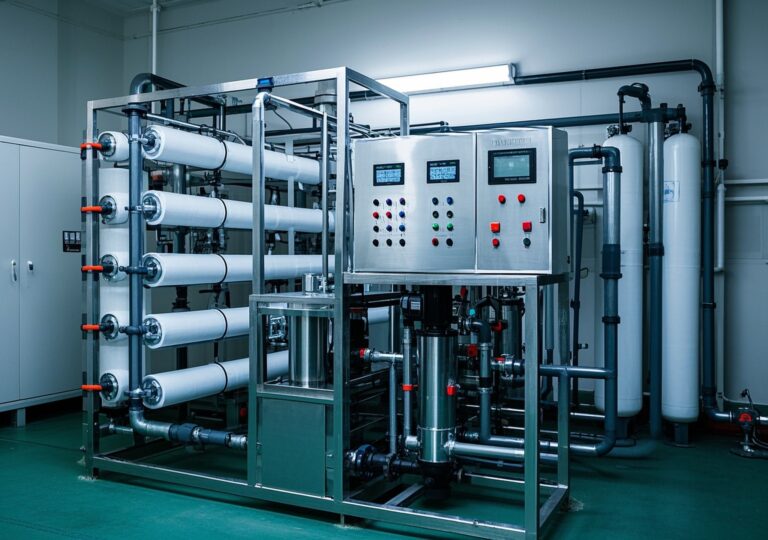
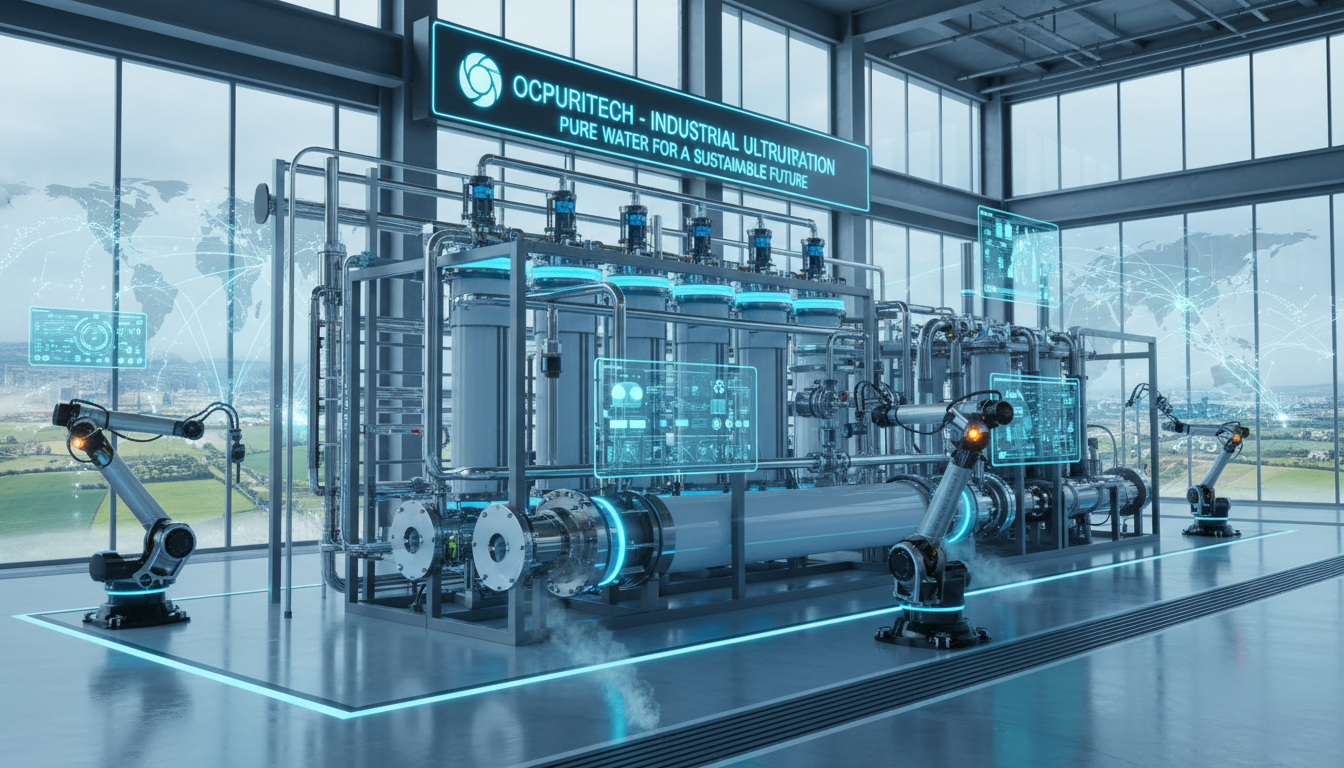
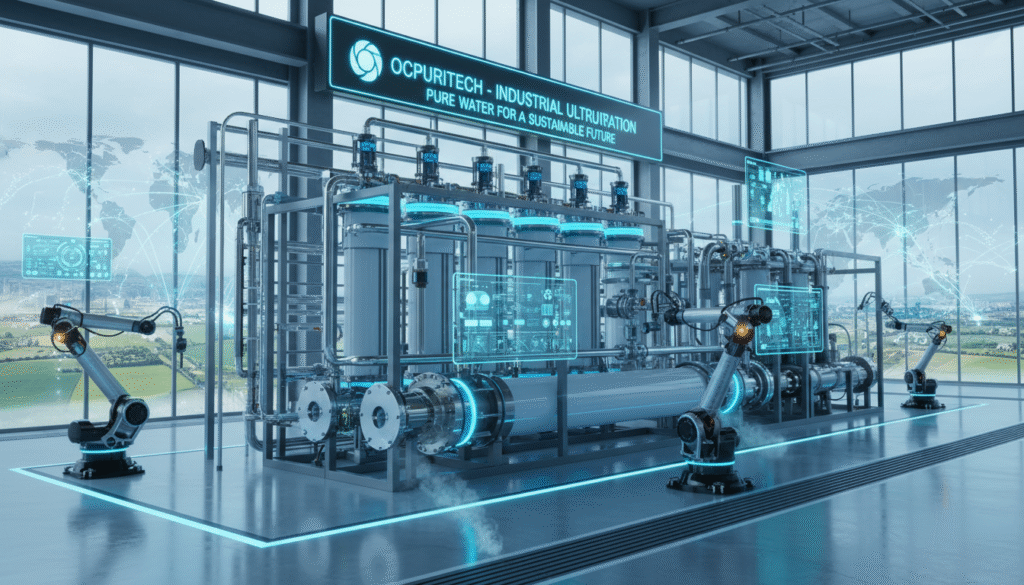
For a visual reference of well-designed ultrafiltration systems fulfilling diverse demands, consider this image showcasing a high-performance industrial UF setup:
Pricing Breakdown and Cost Efficiency
Investing in an ultrafiltration system requires understanding the various cost components. Typically, costs include:
- Base system price comprising membranes, pumps, and structural frames
- Pre-treatment and post-treatment components such as media filters, UV disinfection, or chemical dosing systems
- Installation costs including site preparation and plumbing
- Operational expenses like energy consumption, membrane cleaning chemicals, and routine servicing
| Cost Item | Description | Estimated % of Total Cost |
|---|---|---|
| Membranes and Modules | Core filtration media | 40% – 50% |
| Pumps and Controls | Mechanical and automation components | 20% – 25% |
| Pre/Post-Treatment Equipment | Filters, UV, chemical dosing | 15% – 20% |
| Installation & Commissioning | On-site labor and setup | 10% – 15% |
| Operational & Maintenance | Energy, chemicals, labor | Varies |
Overall, ultrafiltration systems offer excellent cost-effectiveness, particularly due to their low chemical use and energy requirements compared to traditional treatment methods. In one case study from a large South American beverage plant I consulted for, replacing conventional filtration with UF technology reduced operational energy consumption by 30% and maintenance downtime by 25% within the first year.
Performance Specifications and Quality Assurance
Critical performance metrics for UF systems generally include:
- Flow capacity (measured in cubic meters per hour)
- Rejection rate of suspended solids and pathogens (typically ≥ 99%)
- Operating pressure and temperature ranges
- Recovery rates, indicating water yield efficiency
- Membrane longevity and fouling resistance
Materials selected for membranes and structural components usually conform to high-grade polymer standards such as polyethersulfone (PES) or polysulfone (PS), ensuring chemical resistance and durability. Rigorous quality control, including performance testing under simulated conditions, is essential for consistent reliability.
Drawing from my professional background, I emphasize that thorough pre-installation water analysis and tailored system design are fundamental to optimizing performance. For example, accounting for seasonal variations in feed water turbidity allowed a pharmaceutical client I worked with to maintain stable ultrafiltration outputs year-round.
Market Trends and Application Scenarios
Global trends show escalating pressure on freshwater resources, with water demand expected to outstrip supply by 40% by 2030. Regions like Sub-Saharan Africa anticipate water demand surging over 160% by 2050 due to population and agricultural growth. Industrial sectors particularly in Southeast Asia and Latin America are grappling with both scarcity and water quality challenges, driving demand for efficient treatment technologies.
According to authoritative reports from UNESCO, World Bank, United Nations Sustainable Development, the World Resources Institute, and McKinsey, global water demand has doubled since 1960. Industrial use represents a significant share, with increasing water stress measured at 18% globally since 2015. These trends underscore the critical need for sustainable and robust water treatment solutions such as ultrafiltration.
Within this landscape, ultrafiltration systems offer tailored solutions for challenging water sources including:
- Municipal river water heavily burdened with suspended solids and pathogenic microbes
- Groundwater with high turbidity and organic contaminants
- Industrial effluents requiring pre-treatment before reuse or safe discharge
From my experience, businesses in emerging markets benefit greatly from modular UF systems that allow scalable expansion and onsite maintenance. This flexibility is especially important in remote or resource-limited locations.
Practical Case Studies
1. Cosmetics Manufacturing Plant, Southeast Asia: Implemented a UF system rated at 15 m³/h to replace outdated filtration. Within six months, the plant reported a 99.7% reduction in microbial contamination and a 20% decrease in water-related production downtime.
2. Urban Bottled Water Facility, Latin America: Integrated UF with sand filtration and UV disinfection. This hybrid approach minimized chemical additives and reduced total water treatment costs by 18% annually.
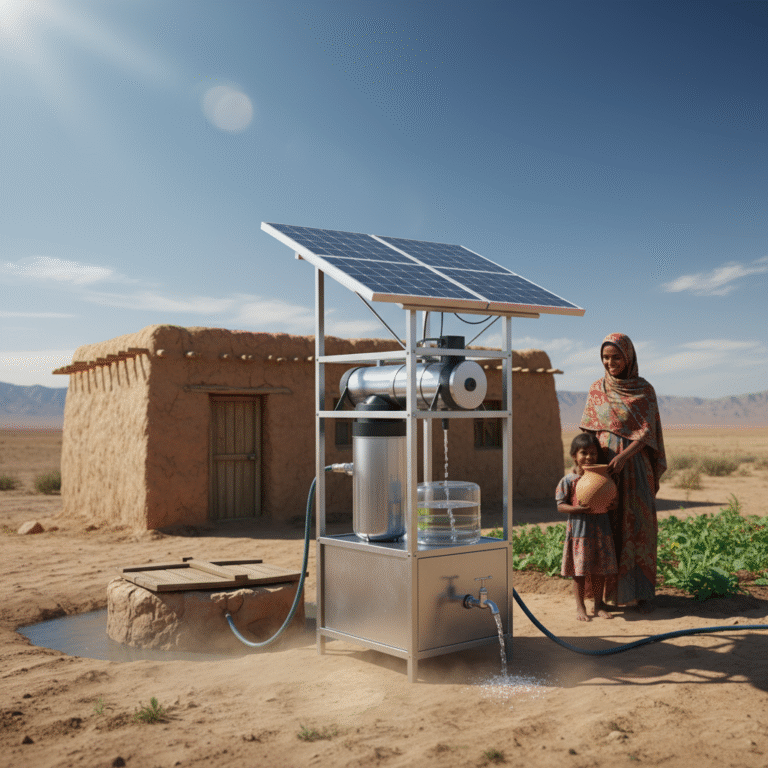
3. Agricultural Irrigation Project, Sub-Saharan Africa: Used modular ultrafiltration units to treat well water with high suspended solids. This effort enhanced crop yields by 15% by providing consistent water quality while conserving scarce fresh water resources.
Customization Options and After-Sales Support
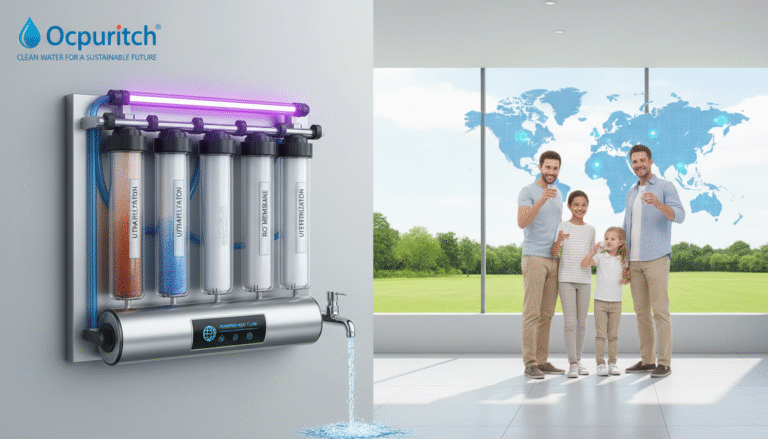
Customization plays a pivotal role in the successful deployment of UF systems. Options can include specifying pre-treatment modules such as sand or carbon filters, integrating chemical dosing systems for anti-scalants, or incorporating automation for remote monitoring. Post-treatment steps might involve UV sterilization or ozone treatment, depending on end-use water quality standards.
After-sales support including installation guidance, routine maintenance, membrane replacement plans, and troubleshooting is essential for ensuring long-term operational efficiency. From my team’s perspective, providing detailed operator training and preventive maintenance schedules reduces unexpected failures and maximizes ROI.
Manufacturer Profile and Competitive Advantages
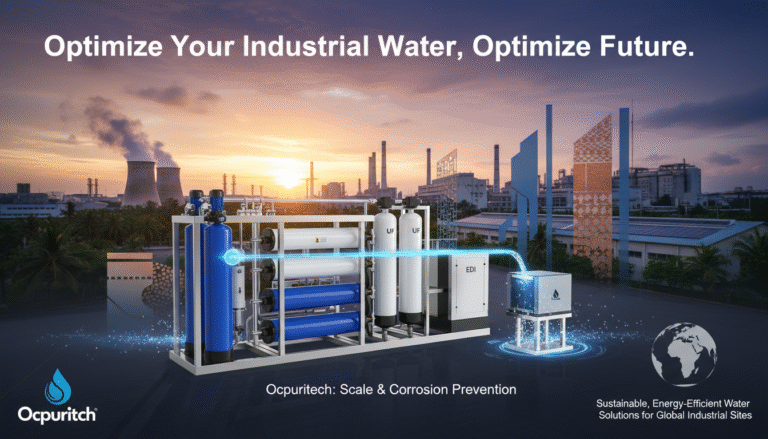
Guangzhou Aomi Water Purification System Manufacture Co., Ltd. (operating under brand name Ocpuritech) exemplifies leadership in industrial ultrafiltration and overall water purification technology. Established in 2011 with two standardized factories exceeding 10,000 square meters, the company combines 14 years of expertise with extensive global reach across Southeast Asia, Africa, and South America.
Ocpuritech’s product portfolio includes remote-controlled reverse osmosis systems, brackish water RO, seawater desalination, nanofiltration systems, ultrafiltration modules, and ultrapure water EDI systems—offering customers fully integrated solutions from pre-treatment to finished water purification. Their commitment to environmental responsibility is summed up by Mrs. Carrie Chan, the company owner: “We hope everyone in the world can drink clean and pure water produced by our Reverse Osmosis Water treatment system, and we’ll try our best to take the responsibility of protecting our environment.”
The company’s strength lies in balancing technological innovation with cost-effectiveness, supported by professional technical experience and sincere service. This combination has earned customer trust and repeat business, especially in demanding sectors like pharmaceuticals, beverage production, and agriculture.
Conclusion and Investment Recommendations
Choosing ultrafiltration water treatment systems presents a compelling case for industries facing stringent water quality requirements amid tightening resource constraints. The robust removal of pathogens and suspended solids, combined with low energy and chemical demands, make UF technologies a practical, scalable, and sustainable investment.
Based on both authoritative data and on-the-ground experience, companies should:
- Carry out comprehensive water analysis to tailor system design
- Invest in modular, expandable solutions to accommodate future growth
- Prioritize suppliers with strong technical support and proven track records
- Utilize regular maintenance and monitoring to sustain peak system performance
Integrating ultrafiltration into water treatment workflows allows businesses not only to comply with regulatory standards but also to optimize operational efficiency and contribute to global sustainable water management efforts.
By aligning with reputable manufacturers like Ocpuritech, companies access comprehensive technical expertise alongside cutting-edge products—anchoring their water purification strategies in reliability and innovation.
References
• UNESCO, UN World Water Development Report
• World Bank Reports on Water Resources
• United Nations Sustainable Development Goal 6 Documentation
• World Resources Institute Water Research Reports
• McKinsey Water Demand Analysis