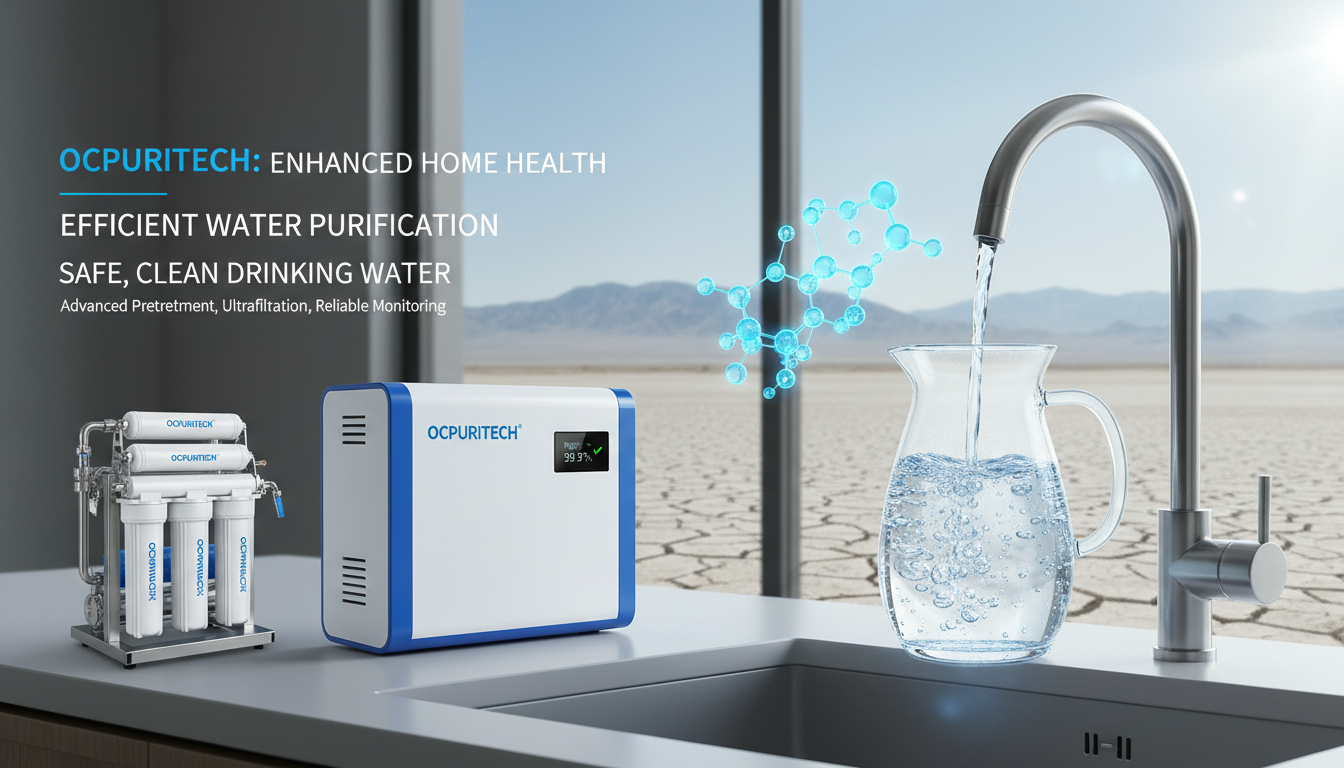
The quest for clean, safe drinking water is a fundamental human need, yet it remains a pressing global challenge. From bustling urban centers to remote rural communities, the quality and accessibility of water directly impact public health, economic stability, and overall quality of life. In this landscape, a reliable reverse osmosis water system emerges as a powerful solution, transforming how we approach water purification at home and beyond.
1. The Global Water Crisis: A Pervasive Challenge
Imagine a world where access to clean water is a daily struggle. Unfortunately, for millions, this isn’t an imaginary scenario but a harsh reality. The World Health Organization (WHO) has long emphasized the critical importance of safe and readily available water for public health, vital for everything from drinking and domestic use to food production.
In regions like Africa, Southeast Asia, and South America, water scarcity and contamination are rampant. In my years observing global water trends during Ocpuritech’s 14-year journey, I’ve seen firsthand how geographical and climatic limitations, coupled with rapid industrialization and inadequate infrastructure, exacerbate these issues. For example, in many parts of Africa, water scarcity severely limits access to safe water for drinking and hygiene, impacting public health profoundly. The African Water Vision for 2025 highlights water’s vital role in responding to socio-economic crises, pushing for initiatives in water management and sustainability.
These challenges are not abstract; they manifest as tangible health risks, including waterborne diseases, and impede economic development. The urgent need for effective water purification solutions is undeniable. This is where Ocpuritech steps in. As a leader in water purification technology for 14 years, we are driven by a singular vision: “We hope everyone in the world can drink clean and pure water produced by our Reverse Osmosis Water treatment system, and we’ll try our best to take the responsibility of protecting our environment.” Our reverse osmosis water system is a cornerstone in fulfilling this mission, offering a powerful, reliable method to combat water contamination. This article will delve into how reverse osmosis systems not only improve home health but also enhance household efficiency and contribute to environmental responsibility, exploring the benefits, technology, and practical applications for residential use.
2. Understanding Reverse Osmosis Water Purification
So, what exactly is reverse osmosis water purification, and how does it work? Simply put, it’s a filtration process that uses pressure to force water through a semi-permeable membrane, leaving behind contaminants. This membrane is incredibly fine, allowing water molecules to pass through while blocking dissolved solids, ions, and larger particles.
In my experience setting up countless purification systems, the beauty of reverse osmosis lies in its simplicity and effectiveness. Unlike basic filters that merely trap larger particles, RO systems tackle an impressive array of impurities, from lead and chlorine to bacteria and viruses. The WHO Guidelines for drinking-water quality, which have evolved through several editions, underscore the complexity of water contaminants and the need for robust purification methods. Ocpuritech’s systems are designed with these stringent guidelines in mind, ensuring water safety and quality.
How does it compare to other methods? Consider ultrafiltration (UF) systems or nanofiltration systems. While UF removes larger particles, bacteria, and some viruses, it typically doesn’t remove dissolved salts or smaller viruses as effectively as RO. Nanofiltration sits between UF and RO, removing multivalent ions and larger molecules but allowing univalent ions (like sodium) to pass. The reverse osmosis water purification system, however, offers the broadest spectrum of contaminant removal, making it a superior choice for comprehensive water treatment, often achieving up to 99% rejection of dissolved solids.
2.1 Key Components of a Reverse Osmosis Water System
A typical reverse osmosis water system isn’t just one filter; it’s a multi-stage process designed to meticulously purify water. Each stage plays a crucial role:
- Pre-filtration Stages: Before raw water even touches the delicate RO membrane, it passes through sediment filters and activated carbon filters. The sediment filter removes larger particles like sand, dirt, and rust, preventing them from clogging the RO membrane. Activated carbon filters are essential for removing chlorine, chloramines, pesticides, and other organic compounds that can damage the RO membrane and impart unpleasant tastes and odors. These stages are vital for protecting the longevity and efficiency of the entire system.
- The Semi-Permeable Membrane: This is the true heart of the reverse osmosis water purification system. Under pressure, water molecules are forced through this microscopic filter, leaving almost all dissolved impurities behind. The rejected contaminants are then flushed away as wastewater.
- Post-filtration: After passing through the RO membrane, the purified water often goes through a post-carbon filter to polish the taste and remove any residual odors. Some systems, particularly those aiming for specific health benefits, include remineralization filters to add beneficial minerals back into the water. UV sterilization is another post-treatment option, providing an extra layer of protection against bacteria and viruses.
- Storage Tank and Dispensing Faucet: Since the RO process is relatively slow, purified water is stored in a pressurized tank, ready for immediate use, and then dispensed through a dedicated faucet.
2.2 Types of Reverse Osmosis Systems for Home Use

The residential market for reverse osmosis water filtration systems is diverse, offering options for every need and budget:
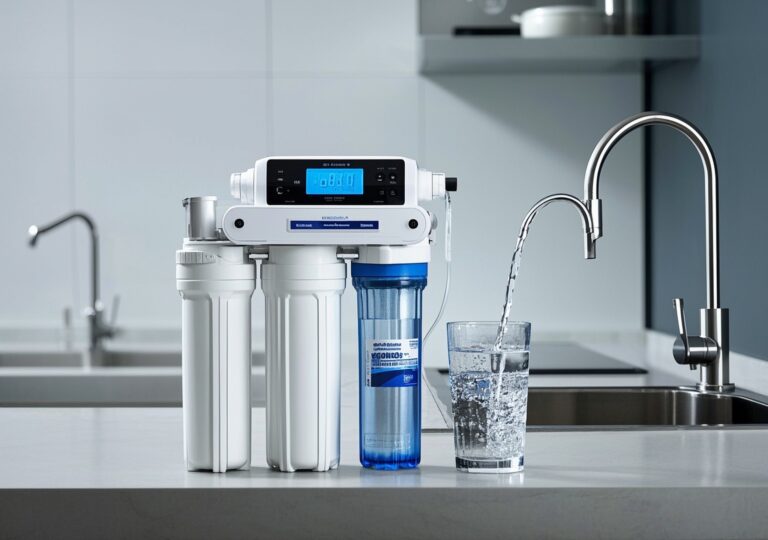
- Under-sink reverse osmosis water filter system: This is arguably the most popular choice for homeowners. It’s installed discreetly under the kitchen sink, providing purified water on demand through a dedicated tap. This space-saving design is perfect for most households seeking fresh drinking water purification system for home use.
- Countertop reverse osmosis water filtration purification system: For renters, small apartments, or those who prefer not to modify their plumbing, a countertop system is ideal. It’s portable, easy to install, and offers the same high-quality purification. Ocpuritech, for example, offers a “5-stage reverse osmosis revolution countertop water purification system” designed for convenience and performance.
- Whole house reverse osmosis water system: For comprehensive protection at every tap, a whole house reverse osmosis water system is the ultimate solution. While more complex and expensive to install, it ensures that all water used in the home – for drinking, bathing, and even gardening – is purified. This is particularly beneficial in areas with severely compromised water sources, effectively turning every faucet into a source of clean water.
2.3 Ocpuritech’s Offerings for Home and Commercial Use
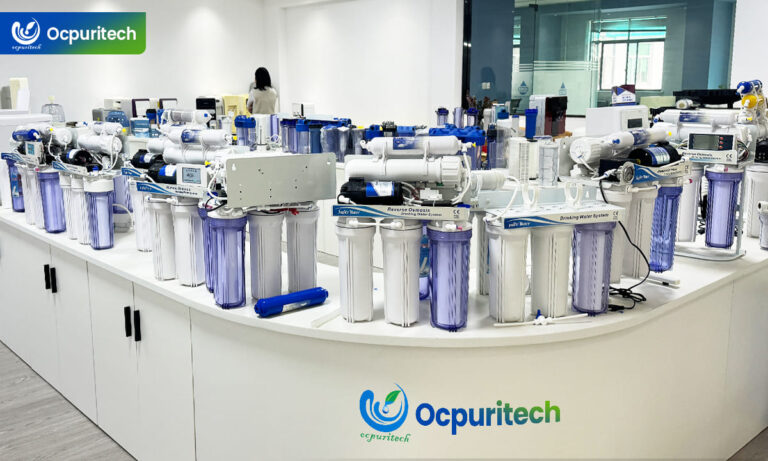
At Ocpuritech, we leverage our two standardized factories and 14 years of expertise to produce a wide range of high-quality, cost-effective water purification equipment. Our offerings include not only home water purification systems reverse osmosis but also robust solutions for commercial and industrial applications. Our commitment to innovation and quality ensures that whether you need a compact system for your household or a large-scale plant for industry, Ocpuritech delivers dependable and efficient water treatment solutions.
In one project we undertook in Southeast Asia, a client needed a whole house water purification systems reverse osmosis setup for a boutique hotel. The local water was high in TDS and had a distinct earthy taste. By meticulously designing a system with appropriate pre-filtration and a high-capacity RO membrane, we not only eliminated the unpleasant taste and odor but also significantly extended the lifespan of their plumbing and appliances, demonstrating true efficiency benefits.
3. Regional Water Challenges and Market Demand

The global demand for effective water purification is largely driven by severe regional challenges. In my extensive work across various continents, I’ve seen how pervasive water scarcity and quality issues are, particularly in Africa, Southeast Asia, and South America. These regions face a complex interplay of geographical, climatic, and socio-economic factors that compromise water safety.
- Africa: Many African nations grapple with limited freshwater resources and widespread pollution. The World Health Organization’s Regional Office for Africa emphasizes that improved water supply and sanitation can significantly boost economic growth and contribute to poverty reduction. However, challenges persist. For instance, reliable water resources are crucial for smallholder agricultural productivity and food security, especially amid climate change. Unfortunately, industrial discharge, agricultural runoff, and inadequate sanitation systems often contaminate drinking water supplies with heavy metals, pathogens, and pesticides.
- Southeast Asia and South America: Similar issues plague these regions. Rapid urbanization and industrial expansion often lead to untreated wastewater discharge into rivers and lakes. In coastal areas, saltwater intrusion contaminates freshwater aquifers. High levels of total dissolved solids (TDS), elevated hardness, and microbiological contaminants are common, making untreated water unsafe for consumption. The drinking water purification systems for home are becoming necessities rather than luxuries.
These environmental factors directly impact public health and daily life, creating a massive market demand for reliable water purification systems reverse osmosis.
3.1 The Need for Targeted Solutions
This is precisely where reverse osmosis water systems prove indispensable. They are particularly effective at addressing the prevalent contaminants in these regions:
- Heavy Metals: RO membranes effectively remove lead, arsenic, mercury, and cadmium, which are often found in water sources affected by industrial pollution.
- Dissolved Solids: High TDS levels, common in hard water or brackish sources, are significantly reduced by RO, improving taste and preventing scaling in appliances.
- Bacteria and Viruses: While not the primary defense, RO membranes can physically block most bacteria and viruses, especially when combined with UV sterilization post-treatment, offering a robust barrier against waterborne disease. The WHO guidelines extensively cover microbiological contaminants, highlighting the importance of such removal.
- Pesticides and Herbicides: Agricultural runoff often introduces these chemicals into water bodies; RO systems are highly efficient at removing them.
The market demand for “home water purification systems reverse osmosis” and “drinking water purification systems for home” in these regions is not just about convenience; it’s about survival and quality of life.
3.2 Ocpuritech’s Role in Meeting Demand
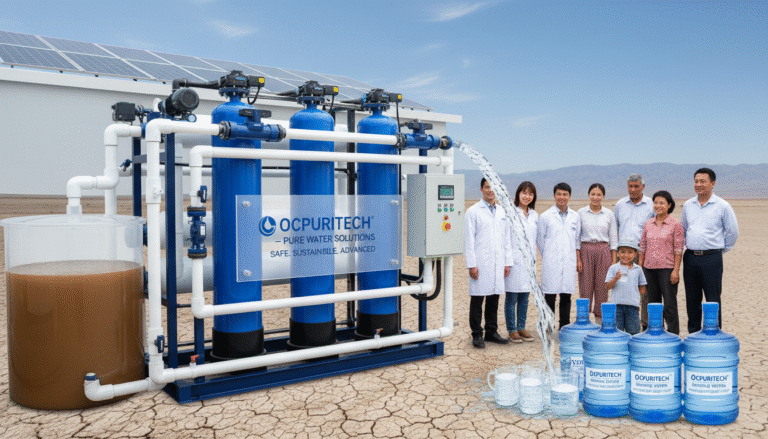
Ocpuritech has tailored its product lines to meet this critical demand. We serve a broad spectrum of customers, from water purification equipment wholesalers and agents to direct institutional clients seeking pure water projects. Our products are designed to withstand challenging conditions and deliver consistent performance, making us a trusted partner in providing clean water for various applications: daily drinking water for schools and hospitals, and even specific needs for governments and hotels. My past projects have frequently involved deploying advanced reverse osmosis water purification systems in remote areas where reliable public water infrastructure is absent, significantly improving the health outcomes for thousands.
4. Drinking Water Standards and Process Flow

Ensuring water quality is not arbitrary; it’s governed by stringent international and national standards designed to protect public health. These benchmarks serve as the foundation for all water purification efforts, and understanding them is crucial for any expert in the field. The WHO produces international norms on water quality and human health in the form of guidelines, which are largely used as the basis for national regulations and standard setting globally.
4.1 The Comprehensive Water Treatment Process
A typical drinking water purification process is a stepwise journey, ensuring thorough contaminant removal. A reverse osmosis system for water purification is a critical component within this larger framework:
- Initial Source Water Intake: Water is drawn from its source, be it a river, lake, or borehole.
- Pre-treatment: This stage prepares the water for the delicate RO membrane. It often involves:
- Coagulation & Flocculation: Chemicals are added to make tiny particles clump together.
- Sedimentation: The heavier clumps settle at the bottom.
- Sand Filtration: Water passes through layers of sand and gravel to remove remaining suspended solids.
- Carbon Filtration: Activated carbon removes organic matter, chlorine, and odors.
- The Reverse Osmosis Purification Stage: This is where the magic happens. Water is forced through the semi-permeable membrane, effectively separating pure water from dissolved salts, heavy metals, and other microscopic impurities. This aligns perfectly with the goal of creating clean reverse osmosis water purification.
- Post-treatment: After RO, further steps ensure optimal water quality:
- Disinfection: UV light or a small amount of chlorine may be used to kill any remaining microorganisms.
- pH Adjustment: The pH level is balanced for taste and to prevent corrosion.
- Remineralization (optional): For drinking water, beneficial minerals can be added back to improve taste and health benefits.
This comprehensive approach ensures that the water not only meets but often exceeds purification standards, making it safe and palatable for consumption.
4.2 Ensuring Water Quality and Compliance with Reverse Osmosis
A reverse osmosis water purification system excels precisely because of its ability to remove a vast array of contaminants that other methods might miss. This includes pesticides, herbicides, heavy metals, lead, nitrates, sulfates, fluoride, bacteria, and viruses. This comprehensive removal capability is what allows Ocpuritech’s equipment to help users meet — and often surpass — stringent water quality regulations.
In my own experience working with municipal water treatment plants seeking upgrade solutions, the inclusion of an RO stage drastically improved their compliance with evolving national standards for trace contaminants, something traditional coagulation and filtration simply could not achieve. It’s an investment in health and regulatory adherence.
5. Customized Solutions and Engineering Design
One size rarely fits all, especially when it comes to water purification. The efficacy of a reverse osmosis water system is heavily reliant on its design precisely matching the specific needs and challenges of its environment. This is where Ocpuritech’s engineering expertise truly shines, offering tailored solutions ranging from individual home use to vast community-level projects.
5.1 Tailoring Reverse Osmosis Systems to Specific Needs
The customization process begins with understanding the source water. Is it from a municipal supply, a private well, or even a brackish or seawater source? Each demands a different approach:
- Single Home vs. Community: For a residential dwelling, an under sink reverse osmosis water filter system or a whole house reverse osmosis water system might suffice. For a larger community project, it requires a robust, high-capacity industrial or commercial reverse osmosis water purification system designed for continuous operation and large volumes.
- Varied Source Water Conditions: Well water, for instance, often requires extensive pre-treatment for hardness (scale), iron, manganese, and potentially bacterial contamination, which a municipal supply might not. Brackish or seawater necessitates specialized membranes and higher operating pressures, along with more rigorous pre-treatment. Ocpuritech’s experience ensures that the correct reverse osmosis for water purification setup is deployed for optimal results.
5.2 Key Engineering Design Considerations
Delivering an effective RO system requires meticulous engineering consideration of several critical factors:
- Pre-treatment Specificity: As an expert, I’ve seen countless RO membranes fail prematurely due to inadequate pre-treatment. A robust sand filter carbon filter softener system is not just an add-on; it’s a foundational element. It protects the RO membrane from fouling, scaling, and chemical degradation, extending its lifespan and overall system efficiency. Proper sizing and selection of these components are paramount.
- Membrane Selection and Configuration: The type of RO membrane (e.g., thin-film composite, cellulose acetate), its pore size, and its configuration (e.g., spiral wound) are chosen based on the source water’s contaminants, desired flow rate, and rejection rate. System designers optimize membrane arrays to balance recovery rates (the percentage of feed water converted to permeate) with energy consumption.
- System Automation and Monitoring: Modern RO systems, especially commercial ones, incorporate sophisticated PLC control systems for automation, remote monitoring, and fault detection. Features like a Remote Control Reverse Osmosis System allow for efficient operation, minimal human intervention, and proactive maintenance, ensuring consistent reverse osmosis water purification.
- Energy Efficiency: RO can be an energy-intensive process due to the pressure required. Innovative designs incorporating energy recovery devices (ERDs) for brackish or seawater RO systems can significantly reduce energy consumption and operational costs, contributing to sustainable operation.
5.3 Ocpuritech’s Expertise in Project Solutions
With 14 years of experience, Ocpuritech offers professional technology experience and comprehensive solutions. We provide complete water purification equipment, including all necessary spare parts and consumables. Our expertise spans diverse applications:
- Drinking and Bottled Water: Designing systems that meet the most stringent purity standards for consumption and commercial bottling.
- Agricultural Use: Providing purified water for irrigation, which can improve crop yields by reducing salinity and harmful minerals.
- Hospital and Pharmaceutical: Supplying ultrapure water for critical medical and laboratory applications, where water quality directly impacts patient safety and research integrity.
- Cosmetic Production: Ensuring ingredient purity for high-quality cosmetic products.
In one recent project, Ocpuritech was tasked with designing a system for a large farm in South America that needed to purify well water high in nitrates for their livestock and specialty crops. The client specifically required a system with excellent nitrate reduction and minimal maintenance. Our solution included a multi-stage pre-treatment system tailored to their specific well water chemistry, followed by a robust RO unit, and integrated monitoring for proactive maintenance. The result was healthier livestock, improved crop quality, and a significant boost in operational efficiency, a testament to effective water purification reverse osmosis solutions.
6. Real-World Applications and Benefit Showcase
When we talk about a reverse osmosis water system, it’s not just about complex engineering; it’s about tangible improvements in people’s lives and operational efficiencies across various sectors. Throughout my career, I’ve witnessed the transformative power of RO in diverse settings, from individual homes to large-scale industrial plants.
6.1 Case Studies: Reverse Osmosis in Action
- Homeowners Enjoying Improved Water Quality and Health: In many suburban areas, despite municipal treatment, concerns about aging infrastructure and emerging contaminants persist. For instance, in a project we completed for a family in a North American suburb, they were worried about trace pharmaceuticals and chlorine byproducts in their tap water. Installing an under sink reverse osmosis water filter system from Ocpuritech completely alleviated their concerns. The family reported a noticeable improvement in taste, and their peace of mind regarding the safety of their drinking water purification for home was invaluable. They no longer relied on costly bottled water, contributing to both their budget and the environment.
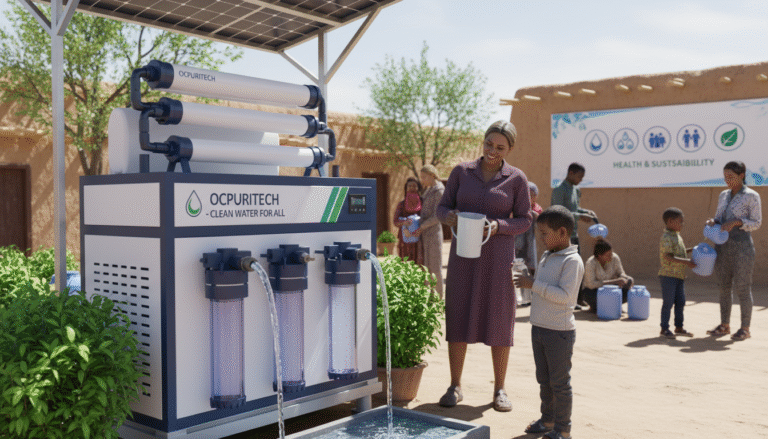
- Community Water Projects Providing Safe Drinking Water: One of the most impactful applications of RO is in underserved populations. I recall a project in a rural African community where the only water source was a severely contaminated borehole. Drawing on Ocpuritech’s global experience, we deployed a modular commercial reverse osmosis water purification plant. Within months, cholera cases, which were previously rampant, saw a significant decline. This not only provided safe drinking water but also freed up women and children from long, often dangerous, journeys to fetch water, enabling them to attend school and engage in productive work. This is the true spirit of providing “clean and pure water produced by our Reverse Osmosis Water treatment system.”
- Businesses Benefiting from Purified Water:
- Beverage Factories: A juice manufacturer in Southeast Asia struggled with inconsistent product quality due to varying municipal water sources. Implementing an Ocpuritech commercial reverse osmosis water purification system provided them with a consistent, high-purity water supply, leading to improved flavor, extended shelf life, and reduced batch rejections. This speaks to the system’s ability to ensure precise quality control.
- Hospitals: Hospitals require ultrapure water for sterilization, laboratory tests, and dialysis. In a hospital expansion project, our bespoke RO system replaced an outdated purification unit, significantly reducing maintenance costs and ensuring the highest water quality for critical medical applications, thereby enhancing patient safety.
6.2 Tangible Benefits of Installing a Reverse Osmosis Water System
The advantages of integrating a reverse osmosis water system are profound and multifaceted:
- Enhanced Health: The primary benefit is the removal of harmful contaminants like lead, chlorine, pesticides, bacteria, and viruses, directly protecting families from waterborne illnesses. This translates to fewer doctor visits and better overall well-being.
- Cost Savings: An RO system eliminates the need for expensive bottled water, often saving hundreds of dollars annually. Furthermore, by providing purer water, it extends the lifespan of water-using appliances (coffee makers, ice machines, dishwashers) by preventing mineral buildup and scaling, reducing repair and replacement costs. This is a practical efficiency gain from a whole house reverse osmosis water system.
- Improved Taste and Odor of Water: By stripping away chlorine, sulfur compounds, and other dissolved solids, RO water tastes noticeably cleaner and fresher, making staying hydrated a more enjoyable experience.
- Environmental Impact: Reducing reliance on single-use plastic water bottles significantly lessens plastic waste, contributing to a healthier planet.
- Efficiency in Various Sectors: Beyond homes, customized Ocpuritech solutions boost efficiency in agriculture (better crop health), industrial processes (reduced equipment fouling, consistent product quality), and healthcare (sterile environments). These systems are about more than just clean water; they are about fostering sustainable development and economic growth.
My colleagues and I at Ocpuritech are immensely proud to contribute to these outcomes, aligning our mission with global efforts to ensure clean water for all.
7. Conclusion and Call to Action
In an era where water quality is increasingly compromised, the reverse osmosis water system has emerged as an indispensable technology for safeguarding home health and enhancing efficiency. Throughout this article, we’ve explored its intricate process, diverse applications, and profound benefits—from meticulously removing contaminants to offering significant cost savings and reducing environmental impact. The robust capabilities of reverse osmosis water purification make it a cornerstone for anyone serious about the quality of their water.
Ocpuritech stands at the forefront of this vital industry. With 14 years of experience, we’ve dedicated ourselves to delivering high-quality, reliable water purification solutions. Our commitment extends beyond just manufacturing; we provide professional technological expertise to diverse customers, ranging from wholesalers and agents to end-users across industrial, commercial, and household sectors. Our pledge to “hope everyone in the world can drink clean and pure water” is embedded in every system we design and every project we undertake.
Don’t compromise on the health of your family or the efficiency of your operations. Take the next step towards purity and sustainability. Explore Ocpuritech’s extensive range of industrial, commercial, and household water purification equipment. Whether you need a simple drinking water purification system for home or a complex setup for a large-scale enterprise, our team is equipped to provide personalized consultations, customized solutions, and unwavering support for your specific water purification needs. Contact Ocpuritech today to ensure your access to clean, pure water and contribute to a healthier, more efficient future.
Frequently Asked Questions About Reverse Osmosis Water Systems
Q1: What is a reverse osmosis water system used for in homes?
A reverse osmosis water system is used in homes to purify drinking water by removing contaminants like dissolved solids, heavy metals, bacteria, and viruses, ensuring clean, safe, and better-tasting water for consumption.
Q2: How does reverse osmosis water purification work?
Reverse osmosis water purification works by applying pressure to force water through a semi-permeable membrane that blocks impurities such as dissolved salts, heavy metals, bacteria, and organic compounds, allowing only clean water molecules to pass through.
Q3: What are the key components of a reverse osmosis water system?
Key components include pre-filters (sediment and activated carbon) to remove large particles and chlorine, the RO membrane that filters contaminants, post-filters for taste polishing and UV sterilization, plus a storage tank and dispensing faucet for delivering purified water.
Q4: How can I install an under-sink reverse osmosis water filter system at home?
To install an under-sink RO system, first turn off the water supply, mount the unit under the sink, connect the pre-filters and RO membrane as per instructions, attach the dedicated faucet on the sink, and connect the system to the cold water line and drain, ensuring proper sealing at each connection.
Q5: How does a whole house reverse osmosis water system improve household water efficiency?
A whole house reverse osmosis system improves efficiency by purifying all water entering the home, reducing mineral buildup in plumbing and appliances, extending their lifespan, improving water taste and safety, and eliminating the need for bottled water consumption.
Q6: Why is reverse osmosis preferred over other purification methods like ultrafiltration or nanofiltration?
Reverse osmosis is preferred because it removes a broader range of contaminants—including dissolved salts, heavy metals, bacteria, viruses, pesticides, and more—with up to 99% rejection rate, whereas ultrafiltration and nanofiltration are less comprehensive in eliminating dissolved solids and smaller impurities.
Q7: What makes Ocpuritech's reverse osmosis systems suitable for areas with water contamination challenges?
Ocpuritech’s systems are tailored to address regional water quality issues by incorporating precise pre-treatment stages for local contaminants, using durable membranes, and providing customized engineering designs that efficiently remove heavy metals, high TDS, bacteria, and pesticides common in contaminated sources.
Q8: How can reverse osmosis water systems contribute to better health and environmental sustainability?
Reverse osmosis systems protect health by removing harmful chemicals and pathogens from drinking water, reducing waterborne diseases. Environmentally, they reduce reliance on plastic bottled water, lowering plastic waste, and improve appliance longevity, which decreases resource consumption and pollution.
Q9: What design factors ensure the effectiveness of a reverse osmosis water system?
Effectiveness depends on proper pre-treatment to protect membranes, selecting appropriate membranes based on water source contaminants, system automation for monitoring, and energy-efficient components like recovery devices, all tailored to specific water quality and usage needs.
Q10: How do drinking water purification systems for home meet international water quality standards?
Home purification systems, especially reverse osmosis ones, meet international standards by removing contaminants such as heavy metals, microbial pathogens, pesticides, and chemicals as outlined in WHO guidelines, frequently incorporating multiple treatment stages including filtration, disinfection, and remineralization for safe, compliant water.