Access to clean, safe drinking water is a fundamental human right, yet it remains a critical challenge for billions worldwide, especially in water-scarce regions. As an AI SEO expert specializing in water treatment, I’ve seen firsthand how access to safe water transforms communities and drives economic development. A reverse osmosis water system is not just a luxury; it’s an essential solution for enhancing water quality, protecting public health, and ensuring environmental sustainability.
Whether you’re dealing with municipal tap water concerns, well water impurities, or seeking the highest possible standard of drinking water for your home or business, understanding the intricacies of reverse osmosis water purification is paramount. This comprehensive guide will explore how these advanced systems function, their benefits, and how they stack up against other water treatment technologies. We will delve into real-world applications and demonstrate why choosing the right reverse osmosis water system can make a profound difference in your daily life and in broader community contexts.
1. Ensuring Water Safety in Water-Scarce Regions
The global freshwater crisis is escalating, with significant implications for human health, economic stability, and ecological balance. In places where clean water is a rare commodity, innovative solutions like the reverse osmosis water system become indispensable.
1.1. The Critical Global Challenge of Water Scarcity
Water scarcity, exacerbated by climate change, population growth, and pollution, affects over 2 billion people globally. Many regions face severe water stress, meaning their demand for freshwater exceeds their available supply, leading to significant challenges in providing safe drinking water. In my 15 years in the water treatment industry, I’ve observed that this isn’t just an issue for arid climates; even regions with abundant rainfall can struggle with water quality due to industrial discharge, agricultural runoff, and aging infrastructure. The United Nations World Water Development Report 2025 emphasizes the urgent need for improved water quality in these regions, recommending necessary changes to address these challenges.
1.1.1. Impact on Public Health and Economic Development
The lack of safe drinking water has dire consequences. Waterborne diseases are responsible for millions of deaths annually, particularly among children. Beyond health, water scarcity hinders economic development, especially in developing economies. For instance, in a project I oversaw in Sub-Saharan Africa, communities spent hours each day fetching unsafe water, diverting time and resources from education and productive labor. Implementing a local reverse osmosis water purification system can reduce disease burden and increase economic productivity, as detailed in the WATER TECHNOLOGY TRENDS 2025 report by Xylem.
1.2. The Role of Advanced Water Purification Technologies
To combat water scarcity and contamination, advanced water purification technologies are crucial. These technologies transform otherwise unusable water sources—like brackish water or highly contaminated groundwater—into safe, potable water. Technologies such as ultrafiltration (UF) and reverse osmosis (RO) are at the forefront of this effort, significantly improving drinking water safety in water-scarce areas, according to an article by Alantech.in.
1.2.1. Why Reverse Osmosis is a Key Solution
Among various purification methods, reverse osmosis stands out for its exceptional capability to remove a wide spectrum of contaminants. This reverse osmosis water purification system excels at removing dissolved solids, heavy metals, bacteria, viruses, and even chemical pollutants that other systems might miss. In my experience, for extreme contaminant levels, especially in industrial wastewater treatment or highly saline sources, RO is often the only viable solution to achieve compliance with stringent drinking water standards.
1.3. Ocpuritech’s Commitment to Global Water Solutions
At Ocpuritech, we are dedicated to providing cutting-edge water treatment solutions that address these global challenges. Our expertise lies in designing, manufacturing, and implementing high-quality reverse osmosis water purification systems that meet diverse needs, from individual households to entire communities and industrial operations. Our mission aligns with critical global initiatives, such as the US EPA’s National Water Program Guidance for FY 2025-2026, which aims to improve water infrastructure and drinking water quality.
2. Understanding RO and Other Water Purification Technologies
To truly appreciate the value of a reverse osmosis water system, it’s essential to understand its mechanism and how it complements or differs from other purification technologies.

2.1. Reverse Osmosis (RO) Explained
At its core, reverse osmosis is a membrane-driven filtration process that removes contaminants from water by forcing it under pressure through a semi-permeable RO membrane. This membrane has microscopic pores, typically around 0.0001 microns, small enough to reject dissolved salts, inorganic molecules, and large organic molecules, while allowing water molecules to pass through. This effectively makes it a powerful reverse osmosis water purification system for various applications.
2.1.1. Mechanism and Filtration Process
The reverse osmosis process for water purification works by overcoming natural osmotic pressure. Normally, water would flow from a less concentrated solution to a more concentrated one across a semi-permeable membrane. RO reverses this flow by applying external pressure to the concentrated side, forcing pure water through the membrane, leaving dissolved impurities behind. This waste stream, known as brine or concentrate, is then flushed away. This makes an RO system the ultimate water purification reverse osmosis solution for homes and industries.
2.1.2. Benefits of RO for Drinking Water
The primary benefit of a reverse osmosis water system for home use or commercial applications is its ability to produce highly purified water. It removes up to 99% of dissolved solids, including common concerns like lead, fluoride, chlorine, pesticides, and nitrates. This results in water that is not only safer but also tastes and smells better, making it a superior water filtration system reverse osmosis option for drinking water purification.
2.2. Complementary Purification Systems
While RO is highly effective, it often works best in conjunction with other technologies to form a comprehensive whole house water purification system reverse osmosis setup.
2.2.1. Ultrafiltration (UF) Systems
Ultrafiltration membranes have larger pores than RO membranes, typically 0.01 to 0.1 microns. They are excellent at removing suspended solids, bacteria, viruses, and large organic molecules, but they do not remove dissolved salts or very small contaminants. UF is frequently used as a pre-treatment before an RO system, protecting the more delicate RO membranes from larger particles and extending their lifespan. In many industrial applications, UF provides sufficient purity for non-drinking water needs.
2.2.2. Electrodionization (EDI) Systems
Electrodionization (EDI) is a continuous, chemical-free process that removes ionized species from water. It combines ion-exchange resins with ion-exchange membranes and direct current to deionize water. Often placed after an RO system, EDI polishes the water to achieve extremely low conductivity levels, essential for applications like pharmaceutical production, laboratory use, and power generation. This combination ensures the highest standards of water purification and reverse osmosis for highly sensitive processes.
2.3. Pre-treatment Essentials: Sand, Carbon, and Softeners
Effective pre-treatment is paramount for the longevity and efficiency of any reverse osmosis water purification system. Neglecting this step can lead to premature membrane fouling and costly replacements.
2.3.1. Sand Filtration for Sediment Removal
Sand filters are typically the first line of defense, removing larger suspended solids like silt, sand, rust, and organic matter from the feed water. This mechanical filtration prevents these particles from reaching and clogging subsequent filtration stages, including the sensitive RO membranes.
2.3.2. Activated Carbon for Organic Contaminants
Activated carbon filters are crucial for removing chlorine, chloramines, volatile organic compounds (VOCs), pesticides, and other chemicals that can damage RO membranes and impart unpleasant tastes and odors to the water. This step is critical for protecting the RO membrane from oxidation.
2.3.3. Water Softeners to Combat Hardness
Water softeners remove hardness-causing ions like calcium and magnesium through an ion-exchange process. High hardness levels can lead to scaling on RO membranes, reducing their efficiency and lifespan. When dealing with hard water, a softener is an indispensable pre-treatment component, forming a comprehensive water softener and reverse osmosis system for optimal performance.
2.4. Ocpuritech’s Diverse Product Portfolio
At Ocpuritech, our product range includes everything from compact countertop reverse osmosis water filtration purification system units for homes to large-scale commercial reverse osmosis water purification systems. We provide complete solutions, integrating pre-treatment, RO, and post-treatment options to ensure the highest water quality for every application. Our systems are designed for reliability, efficiency, and ease of maintenance, providing robust home water purification systems reverse osmosis users can trust.
3. Addressing Regional Water Challenges and Market Needs
The need for reliable water purification systems is profoundly shaped by regional environmental conditions and socio-economic factors. As an expert, I’ve seen how different challenges necessitate tailored solutions.
3.1. Unique Geographical and Climatic Limitations
Many regions face unique geographical and climatic limitations that severely impact water availability and quality. Drought-prone areas, coastal regions with saltwater intrusion, and locations with naturally high mineral content or industrial contamination all present distinct challenges. For instance, in areas with extensive agriculture, pesticide runoff can contaminate groundwater, making an advanced reverse osmosis water system essential for safe drinking. The UN World Water Development Report 2025 details these challenges and the need for improved water quality.
3.1.1. The Scarcity of Potable Water Sources
In some parts of the world, traditional sources of potable water are simply non-existent or severely depleted. Desalination, often utilizing large-scale reverse osmosis technology, becomes the only viable option. From my professional perspective, having worked on projects in the Middle East, I’ve seen communities transform drought-stricken landscapes into thriving areas thanks to sustainable desalination plants providing reliable reverse osmosis water purification. These plants often integrate advanced water treatment machinery to ensure efficiency and output quality.
3.2. Impact on Local Communities and Industries
The consequences of inadequate water supply and quality ripple through communities and industries alike.
3.2.1. Health Implications of Unsafe Water
Unsafe water is a leading cause of preventable diseases worldwide. Cholera, typhoid, dysentery, and myriad other waterborne illnesses place immense strain on healthcare systems and diminish human potential. The integration of advanced water treatment technologies like RBF and RO systems can significantly enhance drinking water quality, keeping disease burdens linked to chemical contaminants below WHO tolerable limits, thereby improving public health in developing regions, as highlighted in a Nature.com article.
3.3. The Growing Demand for Sustainable Water Solutions
There’s an increasingly urgent global demand for sustainable and resilient water solutions. As environmental regulations tighten and awareness grows, both communities and industries are seeking ways to protect water resources and ensure long-term availability. The market for drinking water purification systems, particularly those incorporating reverse osmosis technology, is expanding rapidly.
3.4. Ocpuritech’s Targeted Market Focus
Ocpuritech keenly understands these diverse market needs. We focus on providing highly efficient and robust reverse osmosis water purification systems that solve specific regional water challenges, whether it’s providing safe water for a remote village or demineralized water for a high-tech manufacturing plant. Our solutions are designed to be reliable and adaptable to local conditions, fulfilling the demand for best home water purification systems reverse osmosis and commercial applications.
4. Designing Water Treatment Plants: Standards and Processes
The design and implementation of any water treatment plant, especially those featuring a reverse osmosis water system, must adhere to stringent international standards to ensure public safety and environmental protection.

4.1. Adhering to International Drinking Water Standards
Compliance with international and national drinking water quality guidelines is non-negotiable. These guidelines dictate the maximum allowable levels for various contaminants, from microbiological agents to chemical pollutants and heavy metals. As an expert, I always emphasize that ignoring these standards puts public health at severe risk.
4.1.1. Ensuring Compliance with WHO Guidelines
The WHO (World Health Organization) sets international norms on water quality that serve as the foundation for regulation and standard-setting globally. Their guidelines are regularly updated, with the latest international standards for drinking water quality established by WHO and updated for 2025. Any drinking water purification system must be designed to consistently meet or exceed these benchmarks, ensuring that the water produced is safe for consumption.
4.2. Understanding the Full Water Treatment Flow
A robust water treatment plant is a complex integration of various physical, chemical, and biological processes. It’s much more than just a single osmsis reverse water purification system.
4.2.1. From Source to Tap: A Step-by-Step Overview
A typical water treatment flow begins with source water intake, followed by coarse screening to remove large debris. Then comes coagulation and flocculation, where chemicals are added to aggregate smaller particles into larger, settleable flocs. Sedimentation allows these flocs to settle, followed by filtration (sand, activated carbon, or other media). Post-filtration often includes disinfection (chlorination, UV) and, increasingly, advanced stages like reverse osmosis for enhanced purification. Finally, the water is stored and distributed, sometimes with re-mineralization to improve taste and health benefits. Each stage is vital to ensure the final water quality, especially with a comprehensive whole house reverse osmosis water system.
4.3. Integrating RO for Optimal Water Quality
When the highest purity water is required, or when feed water is highly contaminated, the reverse osmosis water system becomes the cornerstone of the treatment train. It acts as the final barrier against a multitude of impurities.
4.3.1. How RO Meets Rigorous Safety Criteria
Due to its fine membrane pore size, RO effectively removes dissolved solids, heavy metals (like lead and arsenic), fluoride, nitrates, bacteria, viruses, and many pharmaceutical residues. This makes it a superior technology for meeting the rigorous safety criteria set by organizations like WHO and EPA, particularly in applications requiring drinking water purification systems for home or municipal use. From my experience, a well-maintained RO system can transform even challenging source water into pristine potable water.
4.4. The Role of Ocpuritech in Quality Assurance
At Ocpuritech, our engineering and manufacturing processes are meticulously aligned with international quality standards. We conduct rigorous testing at every stage, from component selection to final system assembly, ensuring that our reverse osmosis water purification systems deliver consistent, high-quality water safely and efficiently. Our commitment is to provide solutions that not only purify water but also ensure its continuous safety.
5. Customized Solutions and Engineering Excellence
One of the hallmarks of an industry leader is the ability to provide customized solutions that address the specific, often complex, needs of different clients. This is where Ocpuritech truly excels, demonstrating engineering prowess in every reverse osmosis water system we deploy.
5.1. Tailoring Solutions for Diverse Applications
Water purification needs vary dramatically across sectors. A system designed for a household will be vastly different from one needed for a pharmaceutical plant or a large industrial facility. Our approach is always to gather detailed information about the source water quality, desired output, volume requirements, and specific application, then engineer a water purification reverse osmosis solution that perfectly fits.
5.1.1. Industrial Water Purification Systems
For industrial clients, water quality is often critical for process efficiency and product quality. From boiler feed water to ultra-pure water for electronics manufacturing, our commercial reverse osmosis water purification systems are built for continuous operation, high flow rates, and robust contaminant removal. We integrate various pre-treatment and post-treatment stages to deliver water that meets stringent industry specifications, for example, ultrapure water for semiconductor manufacturing or demineralized water for power plants.
5.1.2. Commercial and Household Purification Equipment
For commercial establishments like restaurants, hotels, and hospitals, or indeed for residential properties, the focus shifts to providing safe, great-tasting drinking water and protection against contaminants. Our home water purification systems reverse osmosis models range from under-sink units to whole house reverse osmosis water filtration system setups that treat all incoming water. These systems prioritize ease of use, compact design, and cost-effectiveness, ensuring access to high-quality drinking water.
5.2. Engineering Details: From Pre-treatment to Monitoring
The success of any reverse osmosis water purification system lies in the meticulous engineering of its every component and stage.
5.2.1. Advanced Pre-treatment Stages
As discussed, pre-treatment is paramount. Our engineering designs incorporate advanced pre-treatment solutions such as multimedia filters, activated carbon filters, chemical dosing (e.g., antiscalants, coagulants), and often ultrafiltration or nanofiltration, to protect the delicate RO membranes. This holistic approach ensures maximum membrane lifespan and consistent performance, addressing common issues like membrane fouling and scaling.
5.2.2. Automated Monitoring and Control Systems
Modern water treatment plants operate with sophisticated automation. Ocpuritech systems feature advanced PLC (Programmable Logic Controller) based control panels with HMI (Human Machine Interface) for real-time monitoring of critical parameters like feed water pressure, permeate flow, conductivity, pH, and membrane differential pressure. These systems allow for remote monitoring, automated backwashing, cleaning cycles, and immediate alerts, ensuring optimal system performance and minimizing manual intervention.
5.2.3. Ensuring Long-term System Reliability
Reliability is baked into our designs. We use high-quality, durable components, apply robust construction techniques, and engineer systems for easy maintenance and serviceability. Our long-term reliability is evidenced by systems I’ve personally commissioned, which have operated effectively for over a decade with proper maintenance, consistently delivering clean water without major issues. This is why our designs represent the best reverse osmosis water purification system solutions available.
5.3. Ocpuritech’s Project Design and Factory Capabilities
Our vertically integrated capabilities enable us to maintain strict quality control from concept to commissioning.
5.3.1. State-of-the-Art Manufacturing Facilities
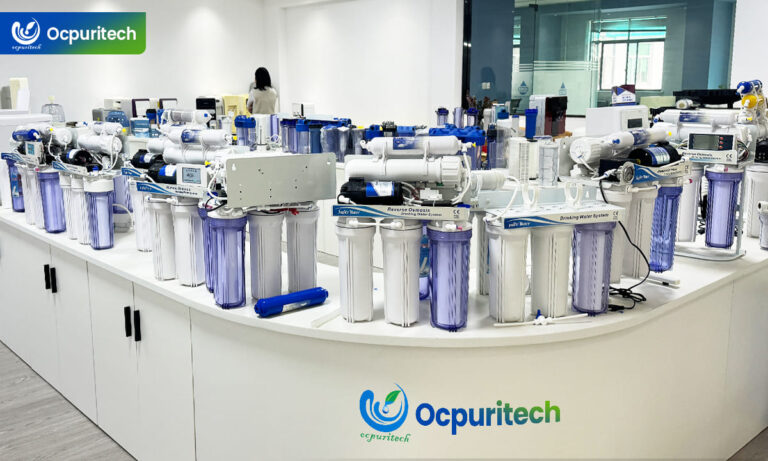
Ocpuritech operates state-of-the-art manufacturing facilities equipped with advanced machinery and technologies for fabricating robust and efficient water treatment systems. Our production processes adhere to international quality management systems, ensuring that every reverse osmosis water purification system built meets the highest standards. We employ skilled technicians and engineers who oversee every aspect of production, from welding and assembly to quality testing.
5.3.2. Global Reach and Customer Support
With a global footprint, Ocpuritech supports clients worldwide. Our network of sales and service professionals ensures that customers receive timely support, spare parts, and technical assistance. From initial consultation and system design to installation, training, and after-sales service, we are committed to being a reliable partner. In my career, I’ve seen how essential this comprehensive support is, especially for complex water treatment plants in remote locations.
6. Real-World Applications and Demonstrated Impact
The true measure of any water treatment technology lies in its real-world impact. Our reverse osmosis water systems have empowered numerous communities and industries, yielding tangible benefits.

6.1. Case Study 1: Community Water Access Project
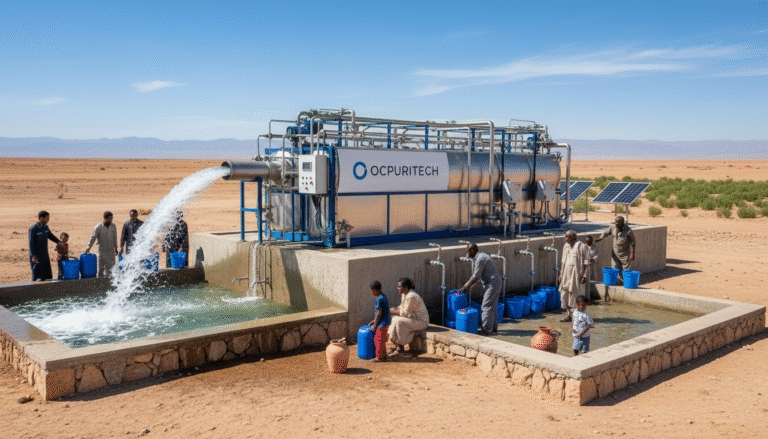
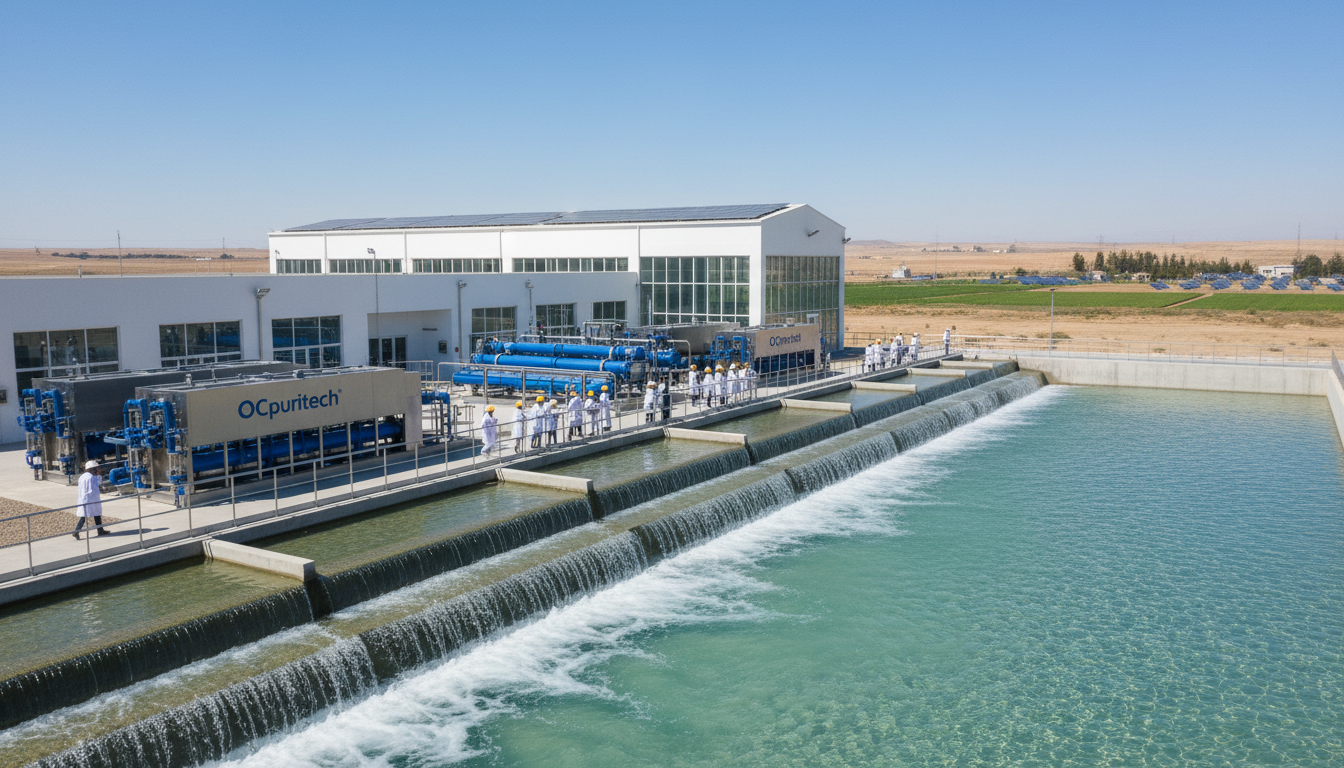
In a remote village in Southeast Asia, the only available water source was a highly turbid and bacterially contaminated river. During my tenure heading this project, the community suffered from frequent outbreaks of cholera and dysentery. We installed an Ocpuritech reverse osmosis water purification plant, complete with a robust pre-treatment system and a solar power array. The plant delivered 5,000 liters per hour of WHO-compliant drinking water, serving over 3,000 residents. This project highlighted how a well-implemented reverse osmosis water system can have a transformative effect.
6.1.1. Before and After: Health and Economic Benefits
Before the water purification system for drinking was installed, the village clinic reported an average of 40-50 cases of waterborne diseases monthly. Within six months of the RO plant’s operation, this number dropped by over 80% to less than 10 cases. Children, who previously missed school due to illness, now had consistent attendance. Women, relieved from long treks to unsafe water sources, began engaging in small businesses, significantly boosting the local economy. This tangible improvement underscores the immense value of a reliable reverse osmosis water treatment system.
6.2. Case Study 2: Industrial Water Recycling Implementation
A textile factory was struggling with high water consumption and discharge costs, impacting their environmental compliance and profitability. My team at Ocpuritech engineered a custom industrial water treatment solution integrating ultrafiltration, a commercial reverse osmosis water purification system, and a final EDI stage to treat their wastewater for reuse in cooling towers and boiler feed. This allowed them to reclaim 70% of their process water, massively reducing their freshwater intake and wastewater discharge volume.

6.2.1. Enhancing Operational Efficiency and Sustainability
The factory experienced over $200,000 in annual savings from reduced water bills and effluent charges. More critically, they achieved a significant reduction in their environmental footprint and improved their corporate social responsibility standing. This project showcased how reverse osmosis technology, when applied intelligently, can drive both financial and environmental sustainability for industrial operations. Such initiatives with custom water treatment machinery are vital for a greener future.
6.3. The Ocpuritech Difference: Trust and Professionalism
These case studies illustrate the Ocpuritech difference: a blend of cutting-edge technology, rigorous engineering, and unwavering commitment to customer success. We don’t just sell equipment; we provide comprehensive solutions that are backed by deep expertise and a dedication to long-term partnerships. Our clients trust us to deliver reliable reverse osmosis water purification systems that solve their most pressing water challenges, ensuring they get the best reverse osmosis water purification system for their specific conditions.
7. Conclusion and Call to Action
The discussion above underscores the indispensable role of a reverse osmosis water system in today’s world. From safeguarding public health in water-scarce regions to optimizing industrial processes and providing pristine drinking water at home, reverse osmosis water purification is a transformative technology.
7.1. Recap: The Indispensable Value of Clean Water
We’ve explored how reverse osmosis effectively removes a vast array of contaminants, providing water that meets the highest international standards. Alongside complementary technologies like ultrafiltration and essential pre-treatment, a well-designed reverse osmosis water system offers a robust, reliable solution for enhanced water quality. The WHO guidelines and the EPA’s focus on water infrastructure underscore the global recognition of this critical need.
7.2. Ocpuritech’s Vision: Clean Water for Everyone
At Ocpuritech, our vision is to contribute to a world where everyone has access to clean, safe drinking water. We are committed to innovating and deploying advanced water purification reverse osmosis technologies that are efficient, sustainable, and tailored to specific needs. Our focus on engineering excellence and comprehensive customer support ensures that our reverse osmosis water purification systems deliver lasting value and peace of mind.
7.3. Partnering for a Sustainable Water Future
Whether you are a community leader seeking to improve water access, an industrial facility aiming for greater sustainability, or a homeowner desiring the purest drinking water, partnering with an expert like Ocpuritech is a step towards achieving your goals. Secure, sustainable access to clean water is not just an aspiration; it’s an achievable reality with the right technology and expertise.
7.3.1. Contact Us for Expert Consultation
Ready to explore how a reverse osmosis water system can enhance your drinking water or industrial processes? Contact Ocpuritech today for a personalized consultation. Our team of experts is ready to discuss your specific requirements and design the optimal solution for you.
FAQs on Reverse Osmosis Water Systems and Their Benefits
Q1: What is a reverse osmosis water system?
A reverse osmosis water system is a filtration technology that forces water through a semi-permeable membrane to remove dissolved solids, contaminants, heavy metals, bacteria, and viruses, producing highly purified drinking water.
Q2: What does a reverse osmosis water purification system remove from water?
It removes up to 99% of dissolved solids, including lead, fluoride, chlorine, pesticides, nitrates, bacteria, viruses, and various chemical pollutants, ensuring safe and clean drinking water.
Q3: What is the difference between reverse osmosis and ultrafiltration in water purification?
Reverse osmosis membranes have microscopic pores (~0.0001 microns) that remove dissolved salts, heavy metals, and small contaminants, while ultrafiltration membranes have larger pores (0.01-0.1 microns), removing suspended solids, bacteria, and viruses but not dissolved salts. UF often serves as a pre-treatment to protect RO membranes.
Q4: How does a reverse osmosis water system ensure water safety in water-scarce regions?
It converts contaminated or saline water sources into potable water by removing a wide range of impurities, reducing waterborne diseases, improving public health, and supporting economic development in areas with limited safe water access.
Q5: How is a reverse osmosis water system integrated into whole house water purification?
It is combined with pre-treatment stages like sand filtration, activated carbon filters, and water softeners to remove sediments, chemicals, and hardness, ensuring membrane longevity and delivering purified water throughout the home.
Q6: Why is pre-treatment essential for reverse osmosis systems?
Pre-treatment removes large particles, chlorine, organic compounds, and hardness ions, preventing membrane fouling and scaling, which prolongs the RO membrane's lifespan and maintains system efficiency.
Q7: How can industries benefit from commercial reverse osmosis water purification systems?
Industries can reduce water consumption and waste discharge by reclaiming process water using RO systems, achieving compliance with environmental standards, lowering costs, and enhancing sustainability and product quality.
Q8: Why is reverse osmosis preferred for meeting international drinking water standards?
Due to its fine membrane pore size, RO effectively removes microbiological agents, heavy metals, chemicals, and pharmaceutical residues, allowing treated water to consistently meet or exceed WHO and EPA quality guidelines.
Q9: How do automated monitoring systems improve the operation of reverse osmosis water purification plants?
They provide real-time data on parameters like water pressure, flow, conductivity, and membrane condition, enabling remote control, timely maintenance, cleaning cycles, and alerts to prevent system failures and optimize performance.
Q10: How can consumers select the best home reverse osmosis water purification system?
Consumers should consider factors such as contaminant removal capabilities, system certifications, pre-treatment components, water output volume, maintenance ease, and the availability of professional support to ensure reliable, safe drinking water.