Efficient process water purification is a cornerstone of many industries, from manufacturing to agriculture to pharmaceuticals. A professional water treatment specialist plays a crucial role in designing, optimizing, and maintaining water treatment systems tailored to diverse industrial and commercial needs. This article explores how such a specialist drives efficiency through the integration of advanced technologies, modular equipment, and sustainable practices in process water purification.
Advanced Reverse Osmosis (RO) Membrane Systems: Core Technology for Purification

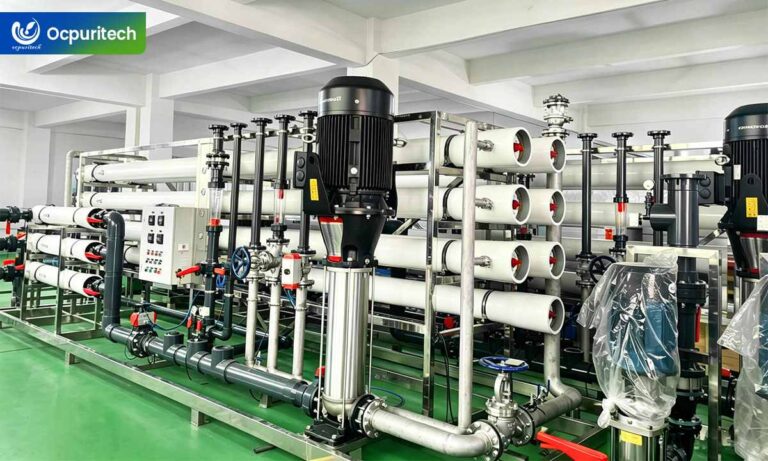
At the heart of many industrial and commercial water treatment plants lies the reverse osmosis membrane system. These membranes effectively remove dissolved salts, organic compounds, and contaminants to produce high-quality purified water. I have observed firsthand how the integration of recent innovations, such as high-permeability membranes and anti-fouling coatings, significantly boosts system performance by improving salt rejection rates—achieving as high as 98.8% salt rejection—while lowering energy consumption.
Our projects have ranged from small-scale brackish water RO systems delivering under 10 m3/day for remote facilities to large seawater desalination plants exceeding 5000 m3/day capacity for agricultural irrigation. These systems utilize closed-circuit designs for improved efficiency and standardized performance metrics to ensure reliable operation and long membrane lifespan. This modular approach makes it easier to scale capacity based on the application.
These advancements align with the latest research on RO membranes, which emphasizes energy efficiency and salt rejection optimization. Such technologies enable us to serve a broad range of industrial clients, from pharmaceutical labs requiring ultrapure water to beverage companies focused on consistent quality.
Filtration and Softening Systems: Essential Pretreatment Modules

Before water even reaches the RO membranes, effective pretreatment through filtration and softening is vital. Our typical setups employ multi-stage sand and carbon filters to remove particulate matter, organic contaminants, and residual chlorine, protecting sensitive downstream components. Water softeners are added where hardness ions would otherwise cause scaling, which severely hampers efficiency and raises maintenance costs.
Thanks to Ocpuritech’s extensive expertise, acquired over 14 years of innovation and manufacturing since 2011, the combination of these pretreatment systems is finely tuned to fit diverse water chemistries and project sizes. We supply everything from compact commercial units suitable for small offices and schools up to large-scale industrial pretreatment arrays serving mining, dyeing, and boiler feedwater applications.
This layered modularity means clients can choose equipment that precisely matches their water qualities and production demands, optimizing both CAPEX and operational expenditure. Such flexibility also fosters environmental responsibility by minimizing chemical use and extending bearing component lifespans, aligning with sustainable water management practices.
Containerized Water Treatment Systems for Flexibility and Portability

In scenarios such as remote mining sites, disaster relief operations, or temporary industrial setups, containerized water treatment units provide unmatched flexibility and deployment speed. These self-contained systems commonly integrate RO membranes, pretreatment filters, and post-treatment disinfection modules in a mobile footprint.
From my work supporting water supply in off-grid agriculture projects, these units have proven indispensable. They simplify installation, reduce on-site labor, and enable quick commissioning—even in challenging environments. Capacities can vary from a few hundred to several thousand cubic meters per day, depending on customer needs.
Additionally, here we often incorporate ultraviolet (UV) sterilization to enhance safety by significantly reducing pathogenic bacteria without chemical additives, a critical advantage in regions with strict environmental regulations and limited chemical handling capabilities. As underscored in recent studies on UV disinfection, this eco-friendly approach also supports sustainability goals.
Cleaning and Disinfection Technologies: Maintaining System Integrity
Sustaining optimal system performance requires vigilant cleaning and disinfection. Scaling, biofouling, and microbial contamination can degrade membrane function and affect water quality. From routine chemical flushing protocols to ultraviolet (UV) disinfection modules, these maintenance processes are indispensable.
In my years of implementing water treatment solutions, I have seen the transformative impact of integrating UV disinfection both at the feedwater and product water stages. UV systems, especially low-pressure lamps designed for small to medium systems, offer consistent microbial inactivation rates when parameters like flow rate, exposure time, and lamp intensity are properly controlled.
The US Environmental Protection Agency’s guidelines highlight best practices that feed directly into the training we provide at Ocpuritech, ensuring that operators can maintain long-term system reliability and water safety with minimal downtime.
Ocpuritech’s Expertise and Industry Solutions
With manufacturing facilities exceeding 10,000 square meters in Guangzhou and Jiangmen, Ocpuritech is a globally recognized leader providing a broad spectrum of water purification equipment tailored to industrial, commercial, and household needs. Their product portfolio extends from ultrapure water systems for medical and pharmaceutical labs to commercial-scale bottled water filling lines and seawater desalination plants.
What sets Ocpuritech apart is its commitment to quality, innovation, and sincere customer service. Their passion, as stated by Mrs. Carrie Chan, is to ensure everyone worldwide can access clean, pure water via reliable Reverse Osmosis systems, while upholding their responsibility toward environmental protection.
Their extensive range and modular design philosophy empower water treatment specialists like me to tailor solutions that fit unique customer requirements—from agriculture to hospitality, mining to beverage production. This adaptability is crucial in today’s market where water quality and environmental standards continue to evolve rapidly.
Diverse Application Scenarios: Extending Beyond Industrial Use
Water treatment technology’s impact stretches across numerous fields requiring clean water. Beyond traditional industrial applications, specialized units support:
- Seawater desalination for coastal municipalities and agriculture in water-scarce regions
- Portable drinking water purification for disaster relief and remote communities
- Space missions with stringent demands on recycling and purity of onboard water
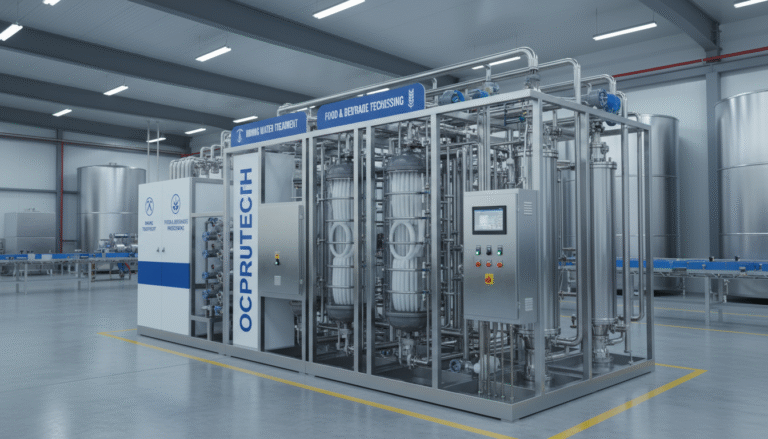
- Bottled water production lines meeting stringent food grade standards
In several projects I supported, utilizing containerized RO systems enabled quick response to emergency water shortages, while ultrafiltration technology ensured removal of bacteria and viruses without chemicals, ideal for sensitive healthcare and cosmetic manufacturing processes.
This versatility contributes to resilient water infrastructures critical in today’s global environment.