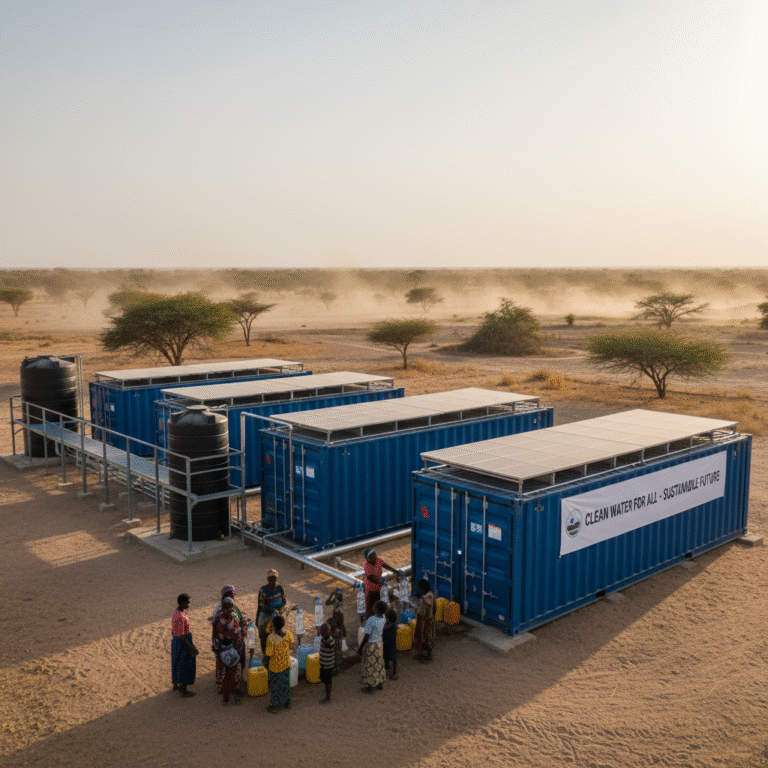
As a professional who has long focused on agricultural water treatment, I deeply understand the importance of water quality for crops and livestock. Poor-quality water can harm crops, while high salinity and heavy metals can quickly degrade soil, ultimately affecting crop yield. Reverse osmosis (RO) systems can purify irrigation water, effectively protecting crops with ease.
Reverse osmosis plays an important role in modern agriculture water treatment by removing excess salts, heavy metals, and bacteria from groundwater or seawater. It lowers electrical conductivity (EC) and total dissolved solids (TDS), preventing soil salinization and boosting crop yields. You can also blend RO water to keep healthy minerals for plants.
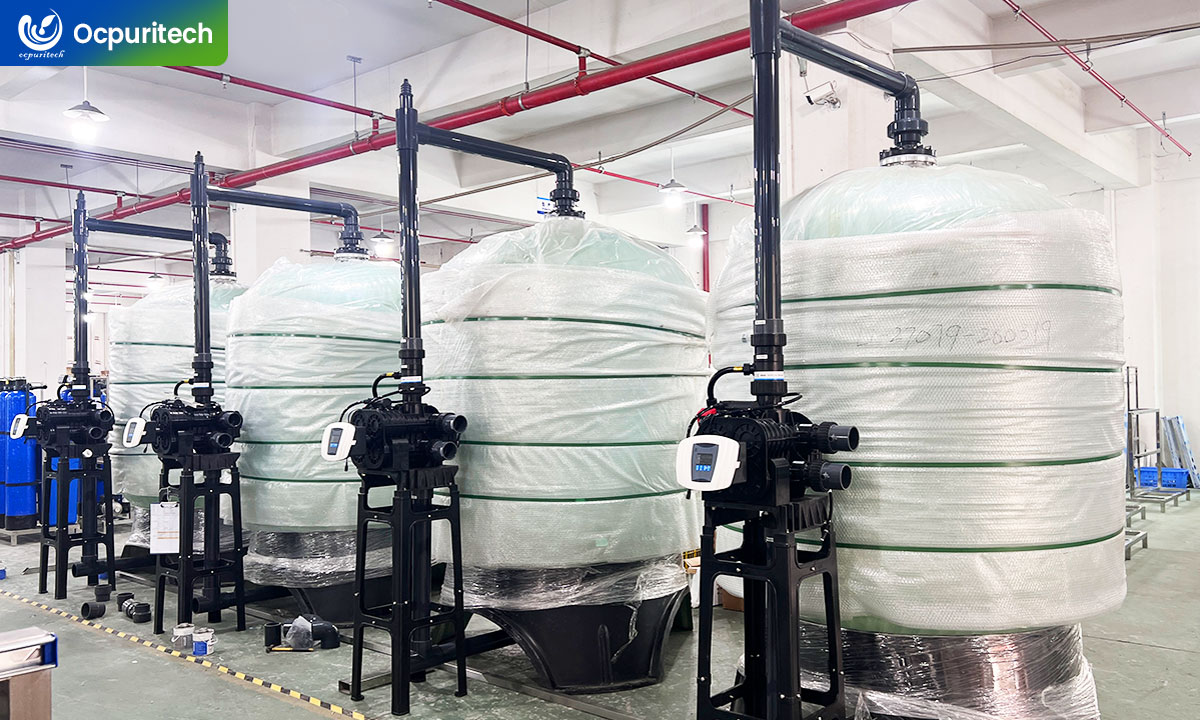
Ocpuritech have witnessed countless farmers improving their agricultural production through proper water treatment practices. From our experience, the difference between success and failure often comes down to how well water quality is controlled. Therefore, we provide a range of water purification equipment that has been widely applied in the agricultural sector around the world.
Why Do Farms Need Reverse Osmosis Systems?
Untreated agricultural water often contains excessive salinity, bacteria, and dissolved contaminants that gradually weaken crop growth and livestock health. Over time, these water quality issues can damage soil structure, reduce irrigation efficiency, and create long-term production risks for farms.
Farms need RO systems to treat tough water sources like seawater, brackish water, and polluted groundwater. reverse osmosis technology filters out harmful heavy metals and bacteria. This gives you a safe, stable water supply for irrigation and livestock, ensuring long-term farm health and better food quality through reliable agriculture water treatment solutions.
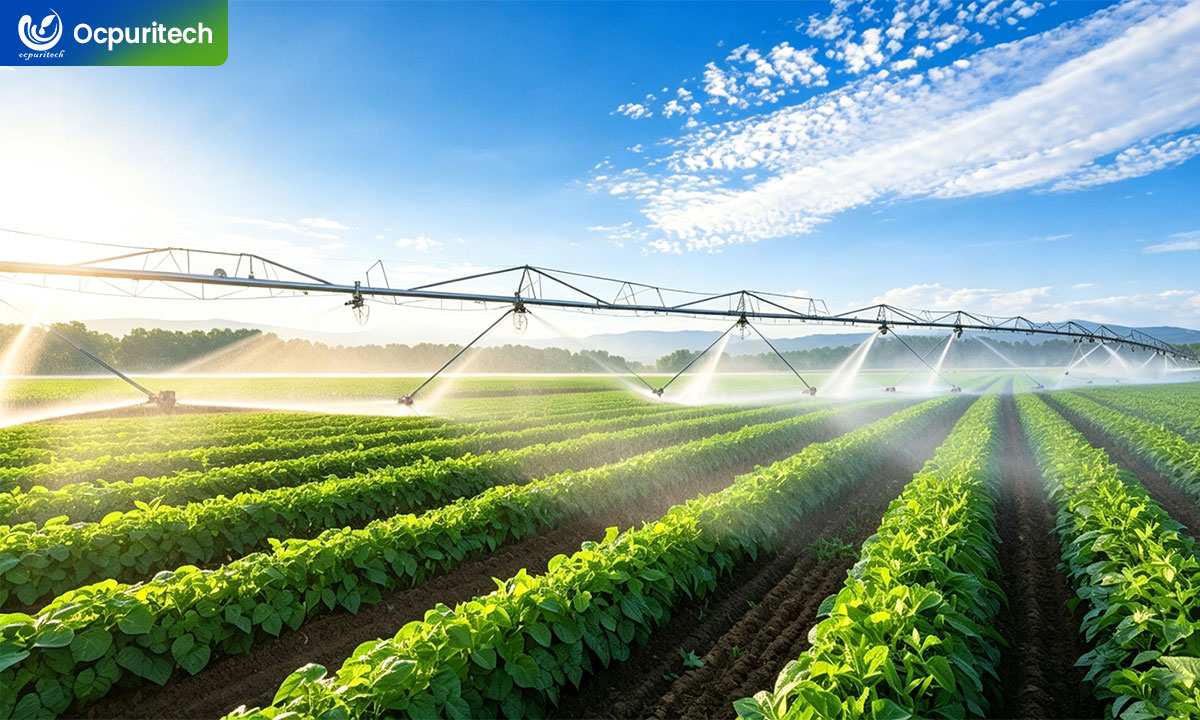
I have worked in the water purification industry for 15 years. I see many farmers use untreated groundwater. They think it is safe. But this water often has high salt and heavy metals. Over time, this bad water poisons the soil.
The Hidden Risks of Untreated Farm Water
When you use untreated water, you face many risks. Bad water stunts crop growth. It also makes animals sick. An reverse osmosis system is not just a basic filter. It is a powerful tool to control your whole farm environment. By using RO, you stop bad things from entering your soil.
How RO Fixes Bad Water
At Ocpuritech, we build systems that handle very bad water. In several greenhouse irrigation projects we worked on, high-EC groundwater caused severe salt accumulation around the root zone, especially during dry seasons. After integrating reverse osmosis treatment and water blending systems, farmers were able to stabilize irrigation water quality and significantly improve crop consistency. Our RO systems push water through a very fine membrane. This membrane blocks the bad stuff.
| Water Source |
Common Problems |
RO System Solution |
| Brackish Water |
High salt levels |
Removes salt to safe levels |
| Ground Water |
Heavy metals, hard water |
Filters out metals and minerals |
| Waste Water |
Bacteria, high organic matter |
Blocks microbes for safe reuse |
RO systems give you total control. You do not just get clean water. You get a stable way to protect your farm for many years.
What Are the Key Water Parameters for Agriculture?
Excessive salinity does not damage crops overnight, but over time it gradually weakens root water uptake, reduces nutrient absorption, and eventually lowers both crop yield and quality. Controlling water parameters with reverse osmosis (RO) saves your soil and keeps plants drinking well.
The key water parameters for agriculture are Total Dissolved Solids (TDS) and Electrical Conductivity (EC). High EC means too much salt , which causes soil salinization and harms plant roots. RO systems lower these numbers, ensuring the water matches the exact salt tolerance of your specific crops.
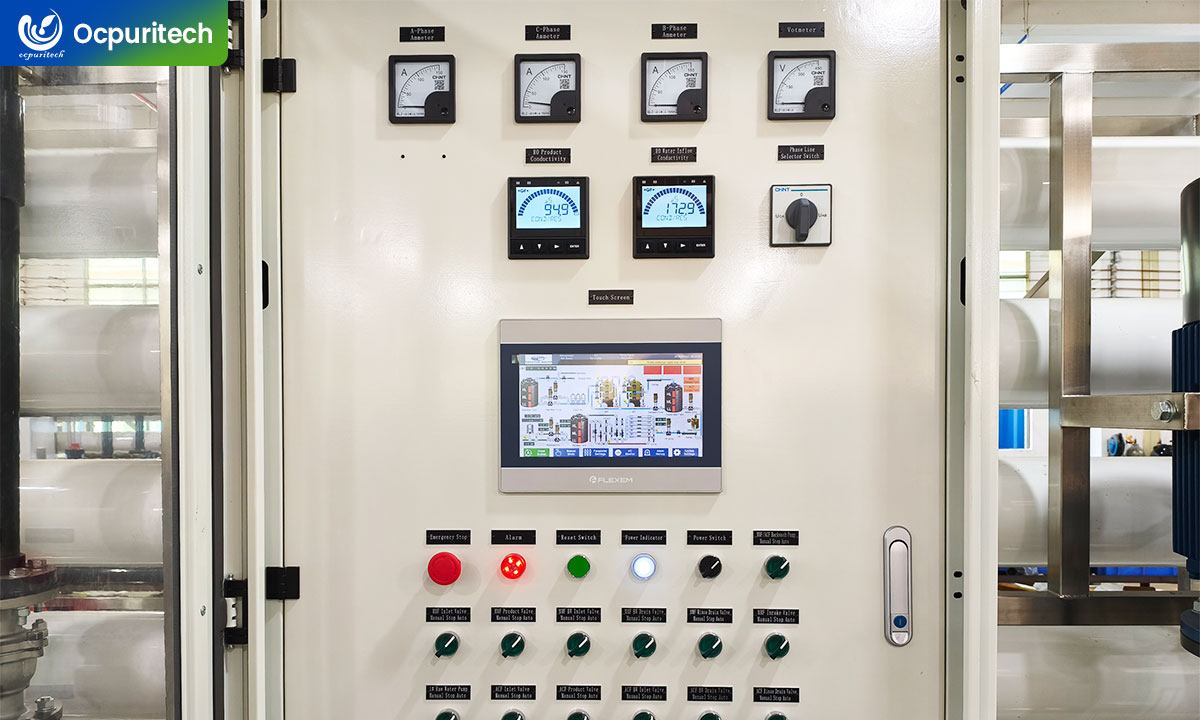
In my real project experience, I always look closely at TDS and EC. These numbers tell you how much salt is in the water. For farming, just making water clean is not enough. You must stop salt from building up in the dirt.
Why Electrical Conductivity (EC) Matters
If the EC is too high, the soil becomes salty. We call this soil salinization. When soil is too salty, plant roots cannot drink water. The crops dry out and you lose money. A good reverse osmosis water treatment system fixes this. It brings the EC down to a safe level.
Balancing the System Recovery Rate
Another big factor is the system recovery rate. This means how much clean water you get from the raw water. We do not just chase the highest pure water rate. We look for a balance.
| Parameter |
What It Means |
Why It Is Important for Farms |
| TDS |
Total dissolved solids |
Shows overall water purity |
| EC |
Electrical conductivity |
High EC stops root water uptake |
| Recovery Rate |
Clean water output ratio |
Balances water waste and machine life |
Every crop handles salt differently. A mature farm reverse osmosis system adjusts to these needs. It keeps the growing environment very stable.
How to Balance RO Costs and Farm Profitability?
High machine costs scare farmers away. Frequent repairs drain your profits fast. Smart reverse osmosis (RO) designs with good parts lower costs and bring steady money back.
You balance costs by choosing high-quality reverse osmosis membranes and adding the right pre-treatment steps. This stops the machines from breaking down easily. Using automatic controls also cuts labor costs. Clean RO water increases crop yields , bringing you a strong financial return over time.
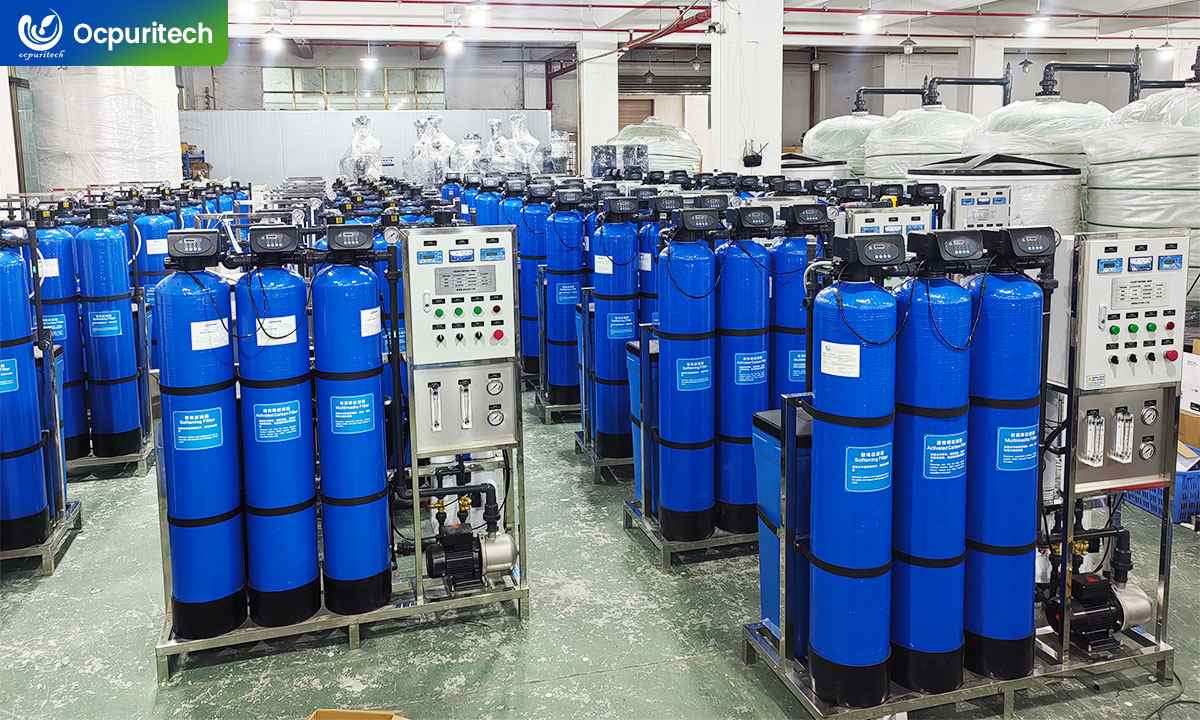
Many farm owners tell me they worry about RO system costs. They think it is a high-end technology that costs too much to run. But I always explain that a well-designed system actually saves money over time.
The Value of Good Pre-treatment
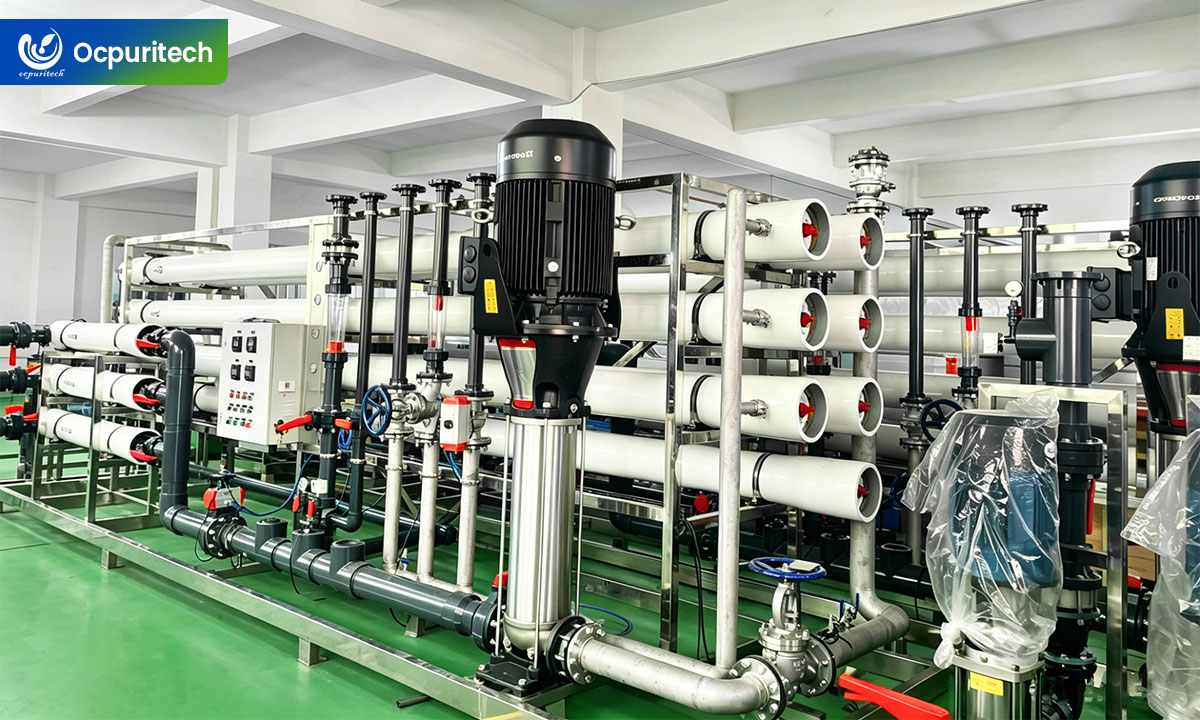
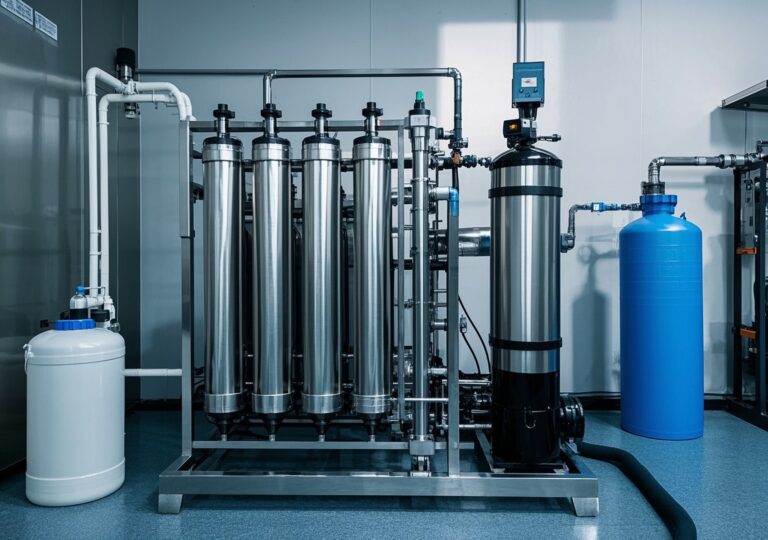
The secret to lowering long-term operating costs in agricultural water treatment systems is effective pre-treatment. We use sand filters and activated carbon filters before the reverse osmosis membrane to remove suspended solids, organic contaminants, chlorine, and large particles from irrigation water. This pre-treatment process helps protect the RO membrane from fouling and scaling, especially when treating brackish water, groundwater, or high-salinity agricultural water sources.
As a result, the membrane lasts significantly longer, system performance remains stable, and overall maintenance costs are greatly reduced.
Blending Water for Better Results
Also, completely pure water is not always best for plants. Plants need some minerals. A smart system mixes some safe raw water with the pure reverse osmosis water. This gives plants the right minerals and saves machine power.
| Cost Factor |
Bad System Design |
Smart RO System Design |
| Membrane Life |
Short, breaks often |
Long, protected by pre-treatment |
| Labor Costs |
High, needs manual checks |
Low, uses automatic controls |
| Crop Yield |
Low due to bad water |
High, pays for the machine |
Investing in a strong, automated reverse osmosis water treatment system is not a loss. It is a tool that improves your production and secures your farm's future.
What Is the Future of Agricultural Water Treatment?
As global freshwater resources continue to decline, traditional irrigation methods are becoming increasingly unsustainable. Modern reverse osmosis (RO) water treatment systems help farms reduce water waste , reuse challenging water sources, and support more sustainable agricultural production for the future.
The future of agricultural water treatment points to smart, energy-saving reverse osmosis water treatment system. As global fresh water shrinks, farms will use RO to clean wastewater and salty water. This technology will become standard for greenhouses, aquaculture, and fixing salty land, ensuring highly efficient and green food production.
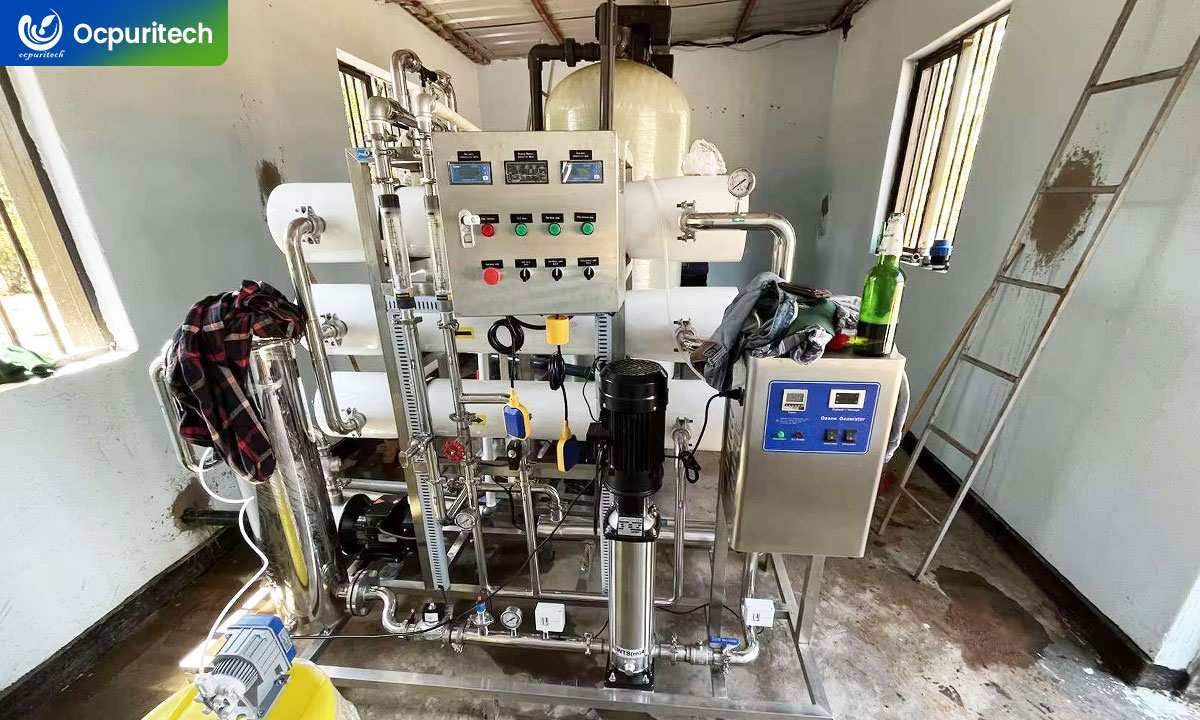
Looking ahead, I believe farm water treatment will become very smart. Fresh water resources are getting smaller every day. The world demands greener farming methods. Because of this, RO technology will not just be for huge farms.
New Areas for Reverse Osmosis Technology
Soon, RO will be normal everywhere. We will see it more in modern greenhouses and indoor farming. Fish farms will use it to clean and reuse their water. It will also play a huge role in fixing dead, salty land.
Energy-Saving and Smart Control
Future systems will use less power. They will connect to smart farm computers. This helps farmers track water quality on their phones.
| Future Trend |
Benefit for Farmers |
Impact on Agriculture |
| Smart Controls |
Easy phone monitoring |
Less human error |
| Low-Energy RO |
Cheaper electric bills |
Greener farm operation |
| Water Reuse |
Never run out of water |
Sustainable food supply |
In the long run, farm water systems do more than just provide water. They help agriculture grow in a stable, highly efficient, and lasting way. We are proud to build these solutions for the world.
Conclusion
Reverse osmosis water treatment technology has been widely applied in agricultural water supply systems. As freshwater resources continue to become increasingly scarce and global agriculture demands greener production methods, RO water treatment technology will not only be used in large-scale agricultural projects, but will also gradually become essential infrastructure for modern agriculture, greenhouse cultivation, aquaculture, and saline-alkali soil improvement.
In the long run, agricultural water treatment systems are not simply about solving the problem of water availability. More importantly, they help agricultural production achieve greater stability, higher efficiency, and more sustainable development.
If you have any needs or technical inquiries in this field, please contact our engineers as soon as possible. We can provide you with professional and reliable technical and equipment support.