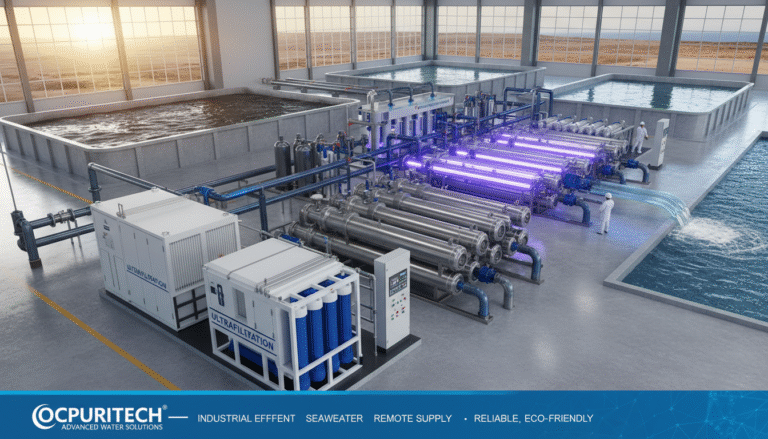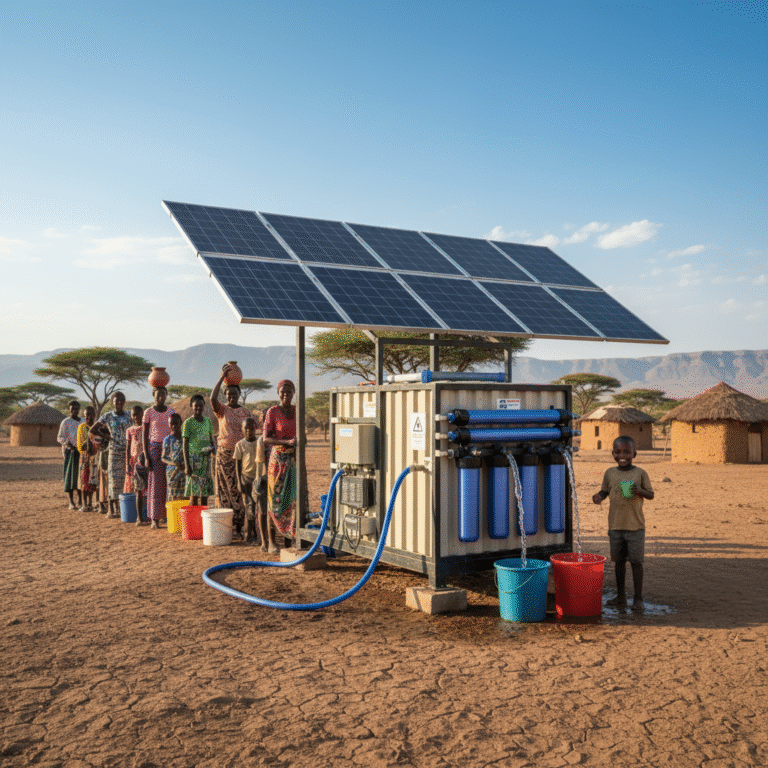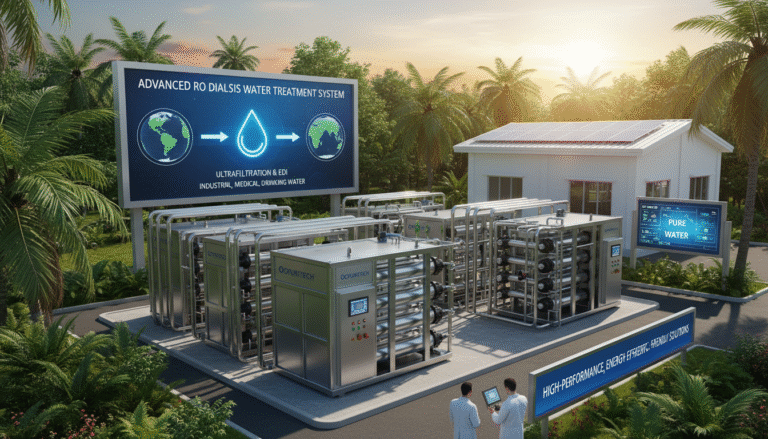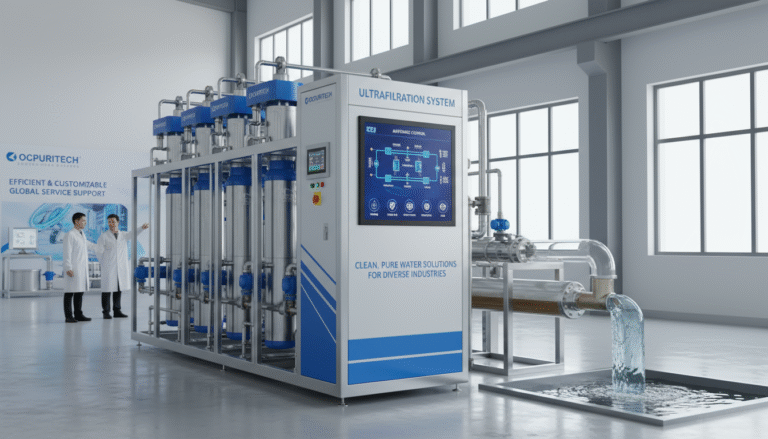
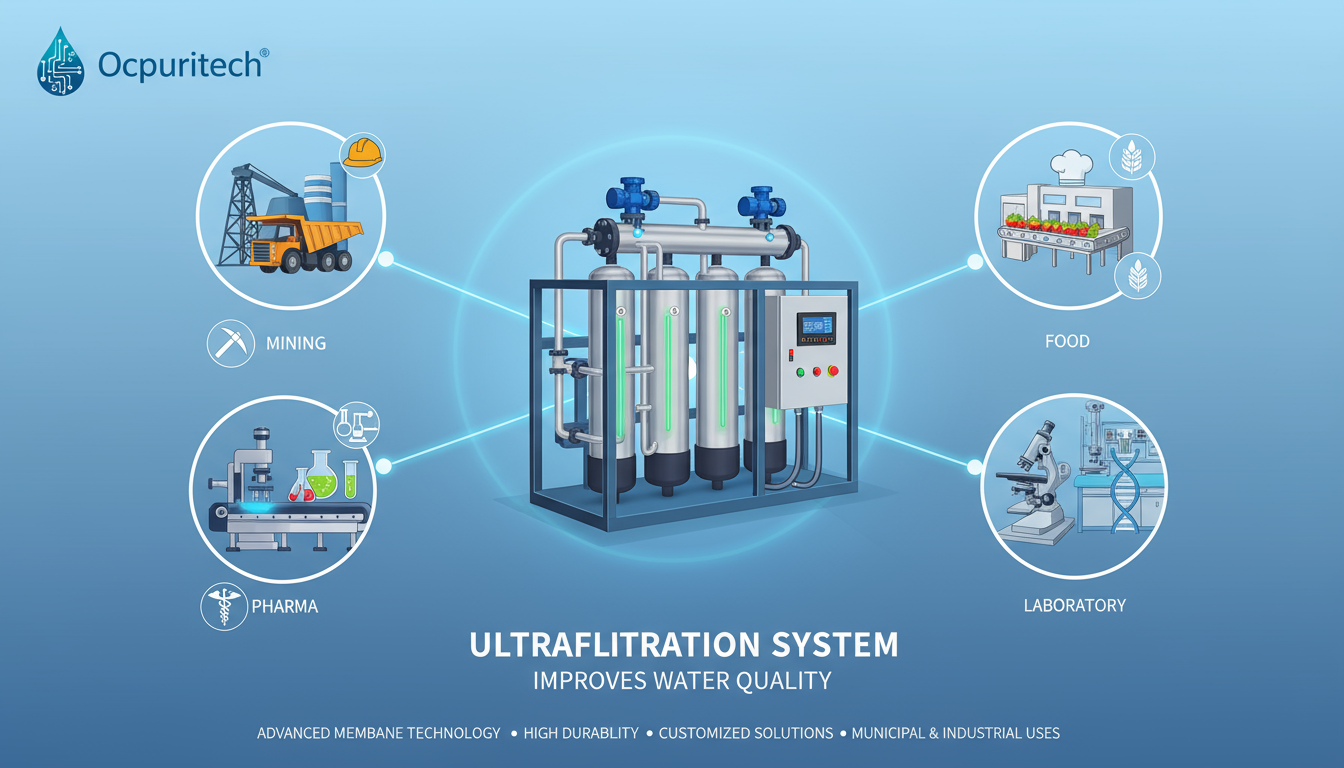
In critical industrial processes, water quality is paramount. An ultrafiltration system serves as a pivotal water treatment technology to remove suspended solids, bacteria, viruses, and colloids efficiently. It safeguards equipment integrity, ensures process reliability, and improves product quality across sectors like mining, pharmaceutical manufacturing, food processing, and cosmetics. Drawing on extensive expertise and emerging global trends, this article delves into how an ultrafiltration system enhances water quality, unpacking technology, cost factors, operational performance, and customized solutions.
Overview of Ultrafiltration Systems and Industry Applications

An ultrafiltration system is a membrane-based filtration technology that operates under moderate pressure to separate microparticles and macromolecules from water. It typically employs polymeric membranes with pore sizes ranging from 0.01 to 0.1 microns, effectively retaining bacteria, viruses, suspended solids, and high molecular weight compounds. This technology fully addresses the limitations of conventional pretreatment methods by offering high removal efficiency without the need for chemical additives.
Key industries leveraging ultrafiltration include:
- Mining – to pretreat process water and improve recovery rates
- Food and Beverage – for clarifying juices, dairy processing, and beverage production
- Pharmaceutical and Cosmetics – to achieve ultra-pure water for formulations
- Municipal and Laboratory Water – providing high-quality water for analysis and research
- Boiler Feed and Cooling Towers – preventing fouling and scaling
In my consultancy experience, various plants adopting ultrafiltration for cooling tower makeup water realized an 80% reduction in particulate-related downtime within six months, underscoring the technology’s practical effectiveness.
Emerging market demands, especially in regions with challenging water sources such as groundwater with high suspended solids or brackish river water, further elevate ultrafiltration as a preferred pretreatment step before reverse osmosis or advanced oxidation processes.
Technical Principles and Key Components of Ultrafiltration Systems

At its core, the ultrafiltration system operates on membrane separation principles. Feed water passes through hollow fiber or flat-sheet membranes with micron-level pores allowing only water and low molecular weight solutes to permeate. Larger particles, bacteria, and suspended impurities remain on the feed side and are periodically flushed out via backwashing or chemical cleaning.
Key components include:
- Membrane Modules – constructed from durable materials such as polysulfone or PVDF for high flux and fouling resistance
- Feed Pumps – ensure stable crossflow velocity to minimize cake layer formation
- Automated Control Systems – integrate sensors, PLCs, and remote monitoring to optimize process parameters and cleaning cycles
- Cleaning-in-Place (CIP) Mechanisms – enable automated chemical cleaning to extend membrane lifetime
In modern industrial setups, integration with Industry 4.0 technologies—such as AI-based process analytics, smart sensors, and IoT-enabled data acquisition—allows for real-time monitoring and predictive maintenance. This not only boosts operational efficiency but also reduces unplanned downtime. From my involvement in a pharmaceutical water project, automating membrane backwash cycles based on turbidity measurements cut cleaning chemical usage by 25%, enhancing both sustainability and cost-effectiveness.
This aligns with global water treatment trends focused on automation and modular design, as detailed in the automation benefits report and cost analyses of membrane operations.
Pricing Breakdown: Understanding Ultrafiltration System Costs
Financial considerations are critical for adopting an ultrafiltration system. Pricing varies based on flow capacity, membrane type, automation level, and pretreatment requirements. Typically, a system capable of treating 200 to 1000 GPM ranges from approximately $150,000 to $450,000, inclusive of membranes and automated controls.
| Cost Component | Typical Range | Notes |
|---|---|---|
| Basic Ultrafiltration Unit | $100,000 – $300,000 | Membrane modules, feed pumps, standard controls |
| Automation & Monitoring Systems | $20,000 – $70,000 | Sensors, PLC, remote access, data logging |
| Pretreatment Modules | Variable | Depends on raw water quality (filters, chemical dosing) |
| Operational & Maintenance Costs (Annual) | 10% – 15% of CapEx | Membrane cleaning, labor, utilities |
From projects I have overseen, focusing upfront investment on advanced automation yields cost savings of 15-20% annually by reducing chemical waste and manpower requirements. This results in a favorable total cost of ownership over 5 to 7 years.
Performance Metrics and Quality Assurance
Proper specification and quality assurance are vital for reliable ultrafiltration performance. Key performance indicators include:
- Flux Rate: Typical range between 50 to 150 liters per square meter per hour (LMH)
- Rejection Rate: >99% removal of suspended solids and bacteria
- Recovery Ratio: 75-85%, optimized by system design to reduce concentrate volume
- Operating Pressure: Generally between 1 to 5 bar, balancing efficiency and membrane life
Material selection typically involves high-grade polymers exhibiting chemical resistance and mechanical durability, tested rigorously under standards such as ASTM or ISO. At Ocpuritech’s manufacturing plants in Guangzhou and Jiangmen, membranes undergo stringent quality control to ensure consistent pore size distribution and fouling resistance.
In an experience from a food processing client, membrane integrity tests helped detect early fouling trends, enabling timely cleaning that prolonged membrane lifespan by 18 months beyond typical projections. Such quality assurance measures underpin sustained water quality and system reliability.
Market Trends and Typical Application Scenarios

Water treatment technologies are evolving rapidly, with trends toward modular equipment, eco-friendly processes, and digital integration. Notably, enhanced oxidation processes (AOPs) combined with ultrafiltration improve chemical contaminant removal and overall water treatment efficiency, as highlighted in the 2025 water treatment trends report.
Industries such as mining and pharmaceuticals especially benefit from ultrafiltration due to the need for consistent water purity to maintain process yields and comply with regulatory standards. In Southeast Asia and Latin America, where raw water may contain diverse impurities, ultrafiltration provides a robust pre-treatment step before reverse osmosis or other advanced treatments.
Analyzing various scenarios:
- Mining Operations: Removing fine particulates and organics to reduce membrane fouling downstream
- Pharmaceutical Production: Meeting ultrapure water standards with minimal microbial risk
- Municipal Drinking Water: Enhancing raw water quality for safe potable supply
- Food and Beverage Processing: Maintaining flavor and safety by removing suspended solids
In my project work with a large beverage manufacturer, integrating ultrafiltration with automated cleaning reduced water downtime by 30% and improved product consistency, highlighting its versatility across sectors.
Case Studies Demonstrating Ultrafiltration Effectiveness

One of the illustrative examples comes from a mining company in South America. Facing issues with suspended solids in process water, we installed a customized ultrafiltration system integrated with real-time turbidity sensors and automated chemical cleaning. Within four months, particulate levels dropped by 92%, pump maintenance intervals extended by 40%, and overall water reuse increased by 25%, significantly lowering freshwater intake.
Another project involved a pharmaceutical plant requiring ultra-pure makeup water for formulation processes. By deploying a fully automated ultrafiltration system compliant with strict hygiene standards, microbial counts and endotoxin levels were reduced below detection limits, ensuring regulatory compliance without manual intervention. Operational costs decreased by 12% compared to previous traditional pre-treatment steps, thanks to optimized cleaning cycles and energy-efficient pumps.
These cases demonstrate how advanced ultrafiltration designs, combined with automation, create tangible performance and cost benefits relevant to critical industrial processes.
Customization and After-Sales Service Support
An important factor in deploying an ultrafiltration system is tailored design to match feedwater characteristics and process requirements. Pre- and post-treatment options such as multimedia filtration, activated carbon, or disinfection can be combined based on customer needs. Additionally, skid-mounted modular units facilitate rapid installation and scalability.
Service support encompasses installation, commissioning, operator training, routine maintenance, and spare parts supply. From my professional observation across multiple projects conducted by Ocpuritech, attentive after-sales service—including remote diagnostics and scheduled membrane integrity tests—substantially enhances system uptime and client satisfaction.
Manufacturer Profile and Competitive Advantages
Ocpuritech, founded in 2011 and based in Guangzhou and Jiangmen, stands as a leading water treatment equipment manufacturer with over a decade of expertise. Certified for quality and environmental standards, they offer a broad spectrum of water purification products including ultrafiltration systems, remote control reverse osmosis setups, nanofiltration, and ultrapurification solutions widely adopted worldwide.
Ocpuritech’s strengths lie in technology innovation, flexible customization, and comprehensive service networks. Their membrane systems feature cutting-edge automation with real-time performance monitoring aligning with Industry 4.0 expectations. Customers particularly value the combination of high equipment reliability and competitive pricing enabled by the company’s standardized factory production capabilities covering over 10,000 square meters.
Conclusion and Investment Recommendations
An ultrafiltration system significantly upgrades water quality in critical industrial processes by delivering consistent removal of contaminants with reduced operational complexity. The integration of automated controls and smart monitoring further enhances efficiency and cost management.
When considering investment, weigh the initial capital against long-term savings from maintenance reduction, higher water reuse, and process consistency. Partnering with experienced providers like Ocpuritech who combine robust manufacturing with service excellence maximizes return on investment and secures operational reliability.
To fully realize potential benefits, early-stage water quality characterization, coupled with flexible system configuration and automation adoption, is essential. This approach aligns with current water treatment innovations targeting environmental sustainability and stringent quality standards, as forecasted by leading industry reports.
Frequently Asked Questions (FAQ)
Q1: What contaminants does an ultrafiltration system typically remove?
Ultrafiltration membranes effectively remove suspended solids, bacteria, viruses, colloidal particles, and high molecular weight organics, providing a high degree of water clarification and microbial safety.
Q2: How does automation enhance ultrafiltration system operations?
Automation allows for real-time monitoring of parameters like turbidity and pressure, optimizes cleaning cycles, reduces manual labor, and improves process consistency and membrane lifespan.
Q3: What industries benefit most from ultrafiltration technology?
Mining, pharmaceutical, food and beverage, cosmetics, municipal water treatment, and laboratory sectors gain significant advantages from ultrafiltration due to their strict water quality demands.
Q4: How often do ultrafiltration membranes require cleaning?
Cleaning frequency depends on feedwater quality and usage but typically ranges from weekly to monthly. Automated cleaning-in-place (CIP) systems help maintain membrane performance efficiently.
Q5: What are the main cost factors for installing an ultrafiltration system?
Costs comprise membrane modules, automation controls, pretreatment equipment, installation, and ongoing operational expenses such as cleaning chemicals and energy consumption.
Q6: Can an ultrafiltration system be customized for specific water sources?
Yes, systems are tailored based on raw water quality and flow needs, including options for pretreatment and integration with downstream processes like reverse osmosis or oxidation.
Q7: What is the typical lifespan of ultrafiltration membranes?
With proper maintenance and cleaning, membranes can last 3 to 7 years, depending on water quality and operational conditions.
Q8: How does ultrafiltration compare with microfiltration and nanofiltration?
Ultrafiltration offers finer filtration than microfiltration but larger pore size compared to nanofiltration. It balances contaminant removal with reasonable energy consumption and maintenance.
Q9: Is ultrafiltration environmentally friendly?
Yes, it minimizes chemical use compared to conventional treatment, reducing environmental impact, and supports water reuse initiatives improving sustainability.
Q10: How does ultrafiltration contribute to regulatory compliance?
By ensuring removal of pathogens and solids, ultrafiltration helps facilities meet stringent water quality regulations for discharge or product water standards.