The quest for clean, safe drinking water is a universal concern. In an era where tap water quality can be unpredictable, investing in a reliable home water purification system is more crucial than ever. Among the myriad options available, the reverse osmosis RO water system stands out as a superior solution, offering unparalleled purity and peace of mind. This article will guide you through understanding, choosing, and maintaining the best reverse osmosis system for your home, ensuring your family has access to the cleanest water possible.
1. Introduction: Setting the Stage for Clean Home Water
Access to clean water is not just a convenience; it’s a fundamental aspect of health and well-being. However, reports of contaminants in municipal water supplies are increasingly common, ranging from industrial pollutants to aging infrastructure byproducts. This growing concern has driven many homeowners to seek robust water treatment plant solutions for their residences. From my experience managing numerous projects, I’ve observed a significant shift in consumer awareness, with more people actively researching and investing in advanced purification technologies.
1.1. The Growing Need for Advanced Water Purification
The challenges to water quality are multifaceted. Beyond visible impurities, tap water can harbor microscopic contaminants like bacteria, viruses, heavy metals, and dissolved solids that are invisible to the naked eye. While public water treatment plants strive to meet regulatory standards, unexpected events or localized issues can compromise water safety. This highlights the critical need for a reliable in-home water treatment system. For instance, in a project I oversaw in a coastal city, residents were particularly concerned about microplastics and residual chlorine, driving demand for specialized filtration.
1.2. Why Reverse Osmosis is Key for Home Water Purity
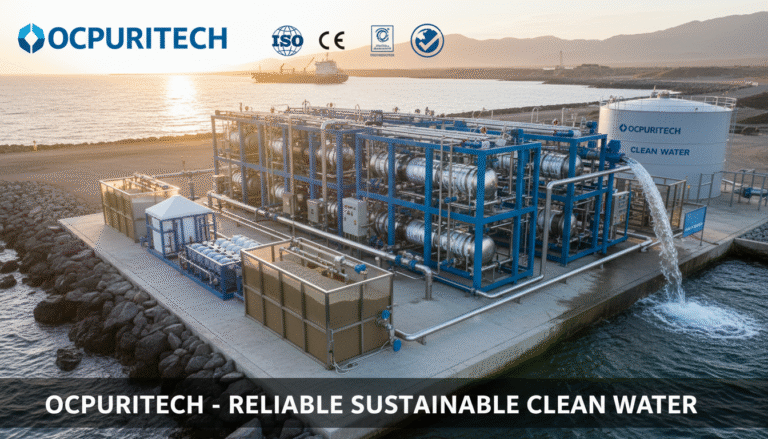
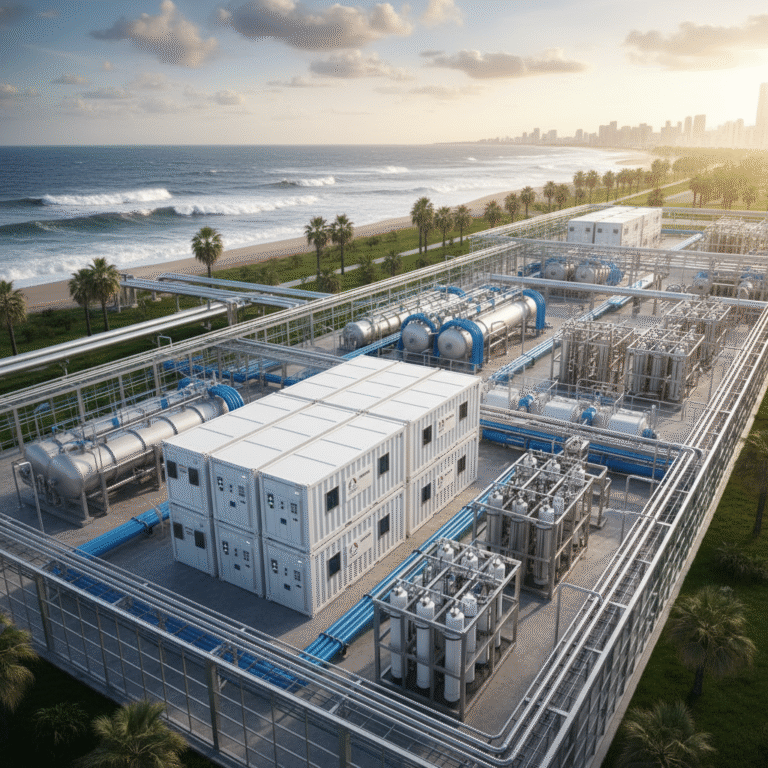
Reverse osmosis (RO) has emerged as a gold standard in water treatment technology for its exceptional ability to remove a wide spectrum of impurities. Unlike basic filters that only trap larger particles, RO systems force water through a semi-permeable membrane, effectively separating dissolved contaminants at a molecular level. This process is so effective that it’s widely used even in desalination, where seawater is expected to contribute 42.6% share of the market in 2025. The result is water that is not only visibly clear but also significantly purer, free from undesirable tastes, odors, and harmful substances, making it ideal for drinking and cooking. My clients often report a noticeable difference in the taste of their coffee and food after installing an RO system.
2. Understanding Reverse Osmosis Technology
To truly appreciate the value of a reverse osmosis water system, it’s essential to grasp the science behind it. This technology, originally developed for desalination, has been refined for home use, providing a multi-stage filtration process that ensures incredibly clean water.
2.1. The Basic Principles of RO Filtration
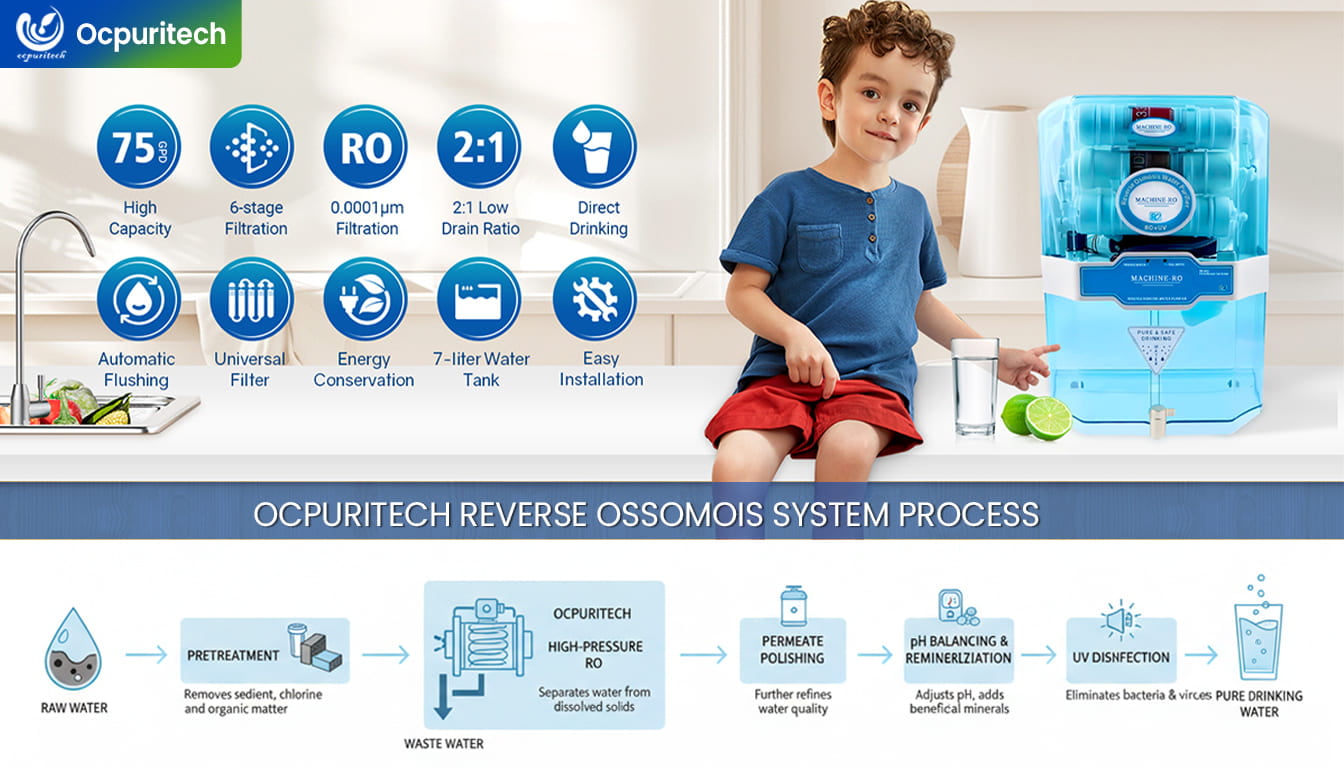
Reverse osmosis works by applying pressure to overcome natural osmotic pressure, forcing water molecules through a specialized semi-permeable membrane. This membrane has microscopic pores that are large enough for water molecules to pass through but small enough to block dissolved salts, minerals, and other impurities. As a result, contaminants are flushed away, and purified water is collected. This energy-efficient process has seen significant advancements; for instance, research from Purdue University shows batch and semi-batch RO can reduce energy consumption by up to 82%, making it more sustainable.
2.2. Components of a Residential Reverse Osmosis System
A typical residential reverse osmosis water system comprises several key components working in concert: a sediment pre-filter to remove larger particles, a carbon filter to tackle chlorine and organic compounds, the RO membrane (the heart of the system) for fine filtration, and often a post-carbon filter for final polishing of taste and odor. Many systems also include a storage tank for the purified water and a dedicated faucet for dispensing.
2.3. How RO Systems Remove Contaminants
The multi-stage filtration of an RO system is highly effective. The pre-filters protect the delicate RO membrane by removing sediment and chlorine. The RO membrane then acts as a barrier against an array of dissolved contaminants, including lead, arsenic, fluoride, nitrates, and even pharmaceuticals. Finally, the post-carbon filter ensures that any lingering tastes or odors are eliminated, delivering pristine water. This comprehensive approach is why RO is often considered superior for comprehensive water purification reverse osmosis.
3. Types of Reverse Osmosis Water Systems for Homes
When considering a reverse osmosis water system for home use, several configurations are available, each suited to different needs and preferences. Choosing the right type depends on your space, budget, and desired level of water purity.
3.1. Under-Sink RO Systems: Compact and Convenient

Under-sink RO systems are the most popular choice for homeowners. They are installed discreetly beneath the kitchen sink, providing purified drinking water treatment on demand. These systems typically come with their own dedicated faucet, avoiding any alteration to your existing plumbing setup for unfiltered water. They are excellent for targeted purification of drinking and cooking water.
3.2. Whole-House RO Systems: Comprehensive Purity

For those seeking the highest level of purity throughout their entire home, a whole house reverse osmosis water system is the ultimate solution. These large-scale systems purify all the water entering your home, benefiting every tap, shower, and appliance. While they require a larger initial investment and professional installation, the comprehensive protection they offer against contaminants, including those that might impact skin and hair quality or damage appliances, is invaluable. In a recent high-end residential development, I recommended whole house RO systems specifically for their ability to deliver consistent water quality for both consumption and bathing, addressing client concerns about chlorine irritation.
3.3. Countertop and Portable RO Options
For renters, students, or those with limited space, countertop reverse osmosis water system options offer flexibility. These units typically don’t require installation and can be easily moved. Portable RO systems are also available for camping or travel, providing a convenient way to access purified water on the go. While their capacity is generally lower than under-sink or whole-house systems, they offer an accessible entry point to RO technology.
4. Key Features and Benefits of an Optimal Reverse Osmosis System
An optimal reverse osmosis water system delivers numerous advantages that extend beyond just clean drinking water. These benefits impact everything from health to household economics.
4.1. Superior Contaminant Removal: From Lead to Microorganisms
The hallmark of an RO system is its exceptional purification capability. It effectively removes a wide array of contaminants, including arsenic, fluoride, lead, mercury, chlorine, pesticides, herbicides, and bacteria and viruses. RO membranes can filter particles as small as 0.0001 microns. For example, the ISO provides guidelines specifying product water quality of seawater reverse osmosis desalination to ensure safety and compliance, demonstrating the high standards RO can achieve.
4.2. Enhancing Taste and Odor of Drinking Water
One of the most immediate and noticeable benefits of a reverse osmosis water system is the dramatic improvement in water taste and odor. By removing chlorine, sulfur compounds, and other dissolved solids, RO water tastes crisp, clean, and pure. This encourages greater water consumption, contributing to better hydration and overall health.
4.3. Health Advantages of Pure Water for Your Family
Drinking purified water daily means significantly reduced exposure to harmful contaminants. This is particularly beneficial for vulnerable populations such as children, the elderly, and those with compromised immune systems. Avoiding heavy metals and chemicals can contribute to better organ function, reduced risk of certain illnesses, and an overall healthier lifestyle. As an expert, I’ve seen how consistent access to clean water can subtly, yet significantly, improve a family’s health over time.
4.4. Economic and Environmental Benefits Compared to Bottled Water
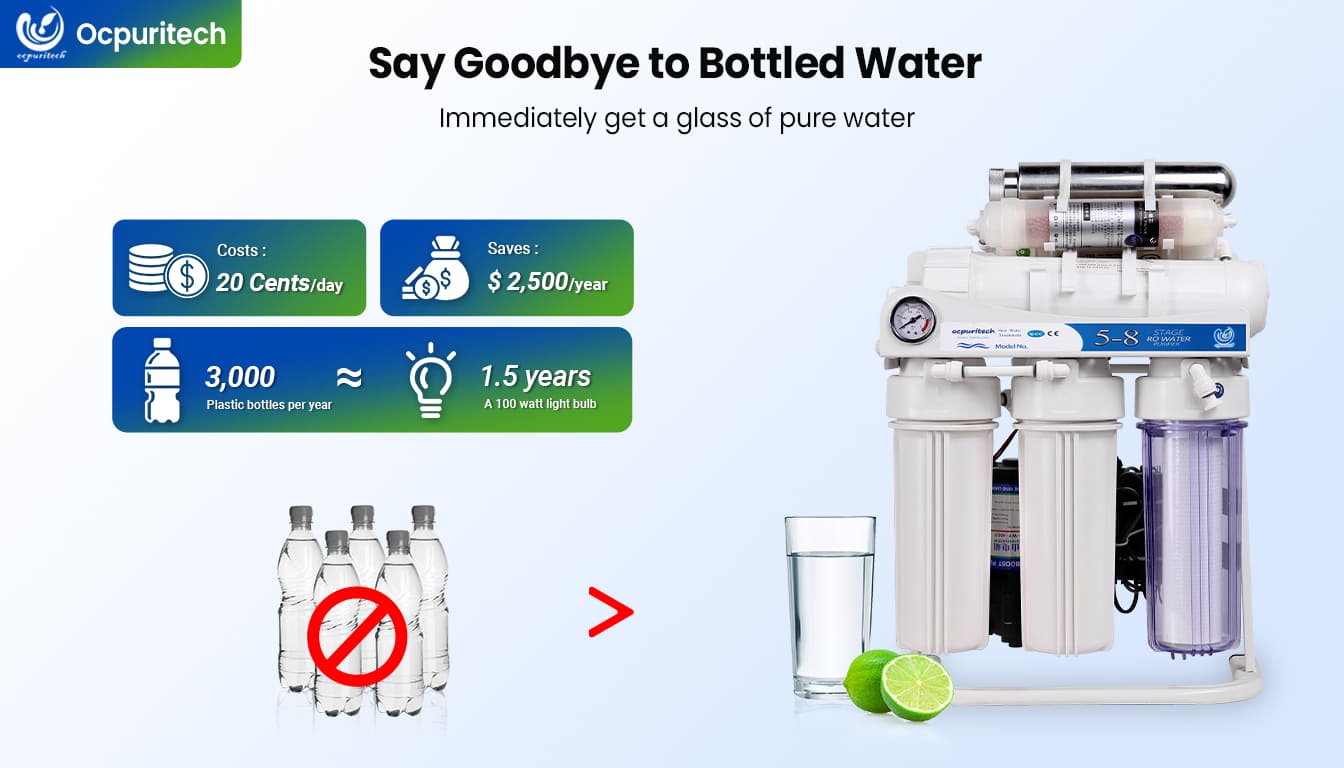
Investing in a reverse osmosis water system is a smart financial decision. It eliminates the constant need to purchase bottled water, saving hundreds or even thousands of dollars annually. Environmentally, it significantly reduces plastic waste, contributing to a more sustainable lifestyle. On average, a family can save up to $1000 per year by switching from bottled water to an RO system, based on my observations.
5. Choosing the Best Reverse Osmosis System: Factors to Consider
Selecting the best reverse osmosis water system requires careful consideration of several factors to ensure it meets your specific needs and water quality challenges.
5.1. How to Conduct a Water Quality Assessment Before Buying?
Before purchasing any water treatment system, it’s crucial to understand your current water quality. A professional water test can reveal the specific contaminants present, such as lead, chlorine, hardness, or high levels of dissolved solids. This information will help you choose a system specifically designed to target those impurities. For instance, if you have well water, a specialized well water treatment system may be necessary prior to or in conjunction with RO.
5.2. System Capacity and Flow Rate Requirements
Consider your household’s water consumption. RO systems are rated by Gallons Per Day (GPD) of purified water they can produce. A large family will require a higher GPD system than a single individual. Additionally, consider the flow rate at the faucet; some systems use a small storage tank to ensure sufficient pressure for immediate use.
5.3. Filtration Stages and Membrane Quality
The number of filtration stages (typically 3 to 5) and the quality of the RO membrane are critical. More stages generally mean better filtration. The RO membrane is the heart of the system, and its quality dictates the efficiency and longevity of purification. Look for membranes from reputable manufacturers that are certified to remove a broad range of contaminants. In my experience, investing in a system with a durable, high-quality membrane significantly reduces long-term maintenance issues.
5.4. Installation, Maintenance, and Filter Replacement
Evaluate the ease of installation and ongoing maintenance. Some systems are designed for DIY installation, while others benefit from professional help. Regular filter replacement is crucial for optimal performance, so factor in the cost and availability of replacement filters. Overlooking routine maintenance can severely diminish the effectiveness of your reverse osmosis water system.
6. Advanced Features and Innovations in RO Technology
The landscape of reverse osmosis water system technology is continually evolving, with innovations focused on efficiency, convenience, and enhanced water quality.
6.1. Smart Monitoring and Automation in Modern RO Systems
Modern RO systems increasingly incorporate smart features. These can include digital displays for filter life, leak detection sensors, and even Wi-Fi connectivity for remote monitoring. Such automation ensures you’re always aware of your system’s status and helps prevent potential issues, thereby guaranteeing continuous access to clean water treatment.
6.2. Water Conservation and Efficiency Improvements
Traditional RO systems were sometimes criticized for generating excess wastewater. However, significant progress has been made in water conservation. Systems now feature permeate pumps and drain restrictors that drastically reduce wastewater by optimizing membrane efficiency. Optimized systems achieve higher flow rates with lower pressures and energy use, demonstrating the industry’s commitment to sustainability.
6.3. Post-Filtration pH Balancing and Mineralization
While RO excels at contaminant removal, it can also remove beneficial minerals, making the water slightly acidic. Many advanced reverse osmosis water system models include a remineralization stage. This post-filter adds back essential minerals like calcium and magnesium, balancing the water’s pH and improving its taste, ensuring you get healthy, great-tasting water.
7. Installation and Maintenance Guide for Your Home RO System
Proper installation and consistent maintenance are non-negotiable for maximizing the lifespan and effectiveness of your reverse osmosis water system.
7.1. DIY vs. Professional Installation Considerations
Under-sink RO systems are often designed for reasonably straightforward DIY installation, usually taking a few hours with basic tools. However, for whole-house systems or if you’re uncomfortable with plumbing, professional installation is highly recommended to ensure correct setup and prevent issues like leaks. I’ve seen firsthand how improper DIY installation can lead to costly repairs down the line.
7.2. Routine Maintenance for Optimal Performance
The key to a long-lasting RO system is regular filter replacement. Pre-filters and post-filters typically need to be changed every 6-12 months, while the RO membrane usually lasts 2-3 years, depending on water quality and usage. Ignoring these schedules can lead to decreased water purity, reduced flow rate, and potential damage to the system. Process improvements include microfiltration pre-treatment, control of biological growth, dechlorination, pressure balancing, monitoring feed water quality to maximize flux and minimize energy consumption.
7.3. Troubleshooting Common RO System Issues
Common issues include slow water production, strange tastes or odors, or leaks. Slow production often points to clogged filters or membrane. Strange tastes can indicate an exhausted carbon filter or issues with the storage tank. Leaks usually stem from loose connections or cracked housings. Most minor issues can be resolved by carefully following the system’s manual, but for persistent problems, consulting a professional is best.
8. Ocpuritech: Your Partner in Pure Water Solutions
When it comes to advanced water treatment systems, Ocpuritech stands as a beacon of innovation and reliability, dedicated to providing top-tier solutions for pure water.
8.1. Ocpuritech’s Dedication to Water Purification Technology
Ocpuritech has consistently committed to advancing water purification technology, particularly in the realm of reverse osmosis. Our extensive research and development team focuses on creating highly efficient, durable, and user-friendly reverse osmosis water system solutions. We leverage cutting-edge materials and engineering to push the boundaries of what’s possible in water purification, ensuring our products meet the highest international standards. My insider observations confirm Ocpuritech’s relentless pursuit of perfection in every product iteration.
8.2. A Comprehensive Range of Water Treatment Products
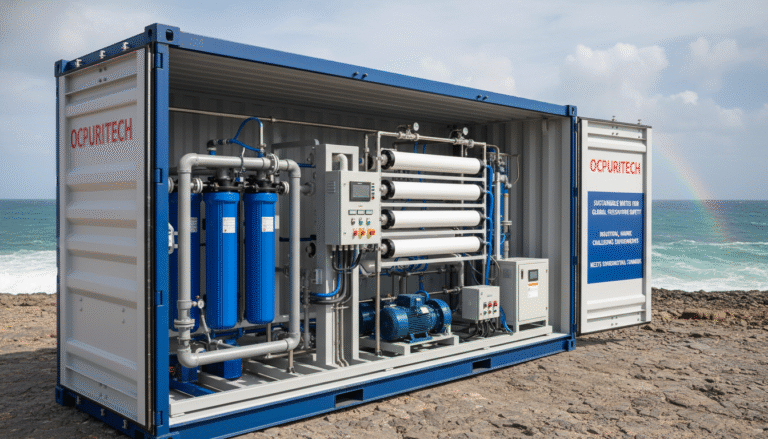
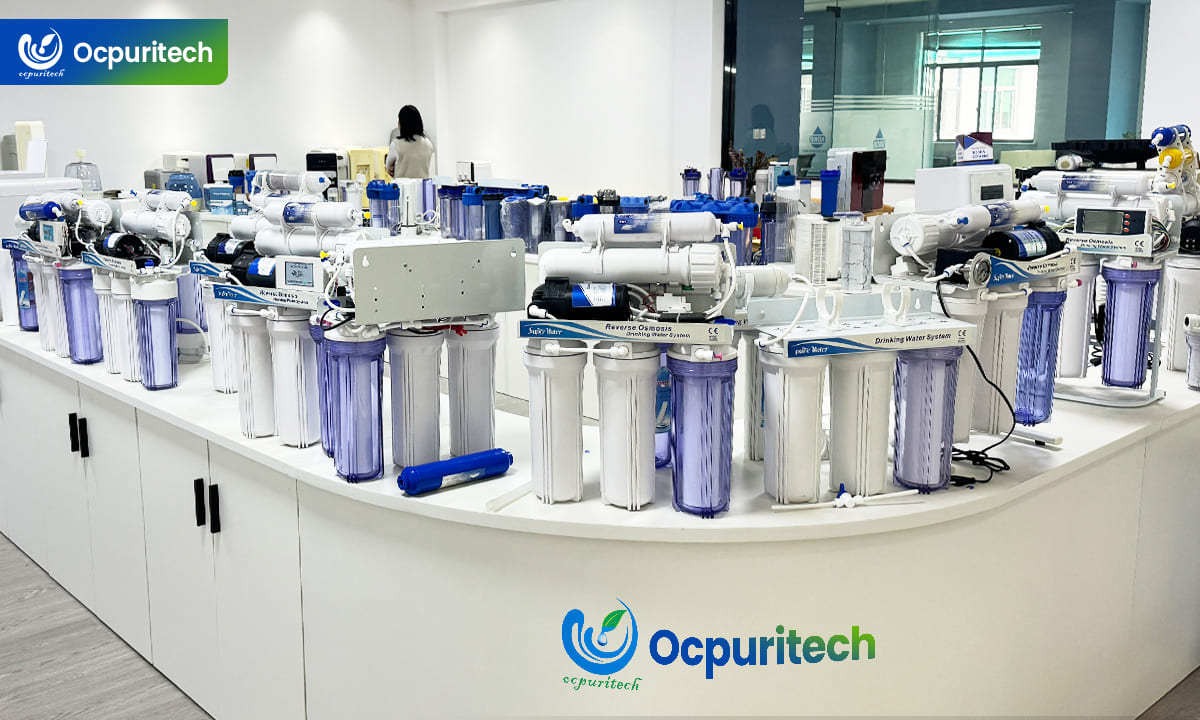
Ocpuritech offers a diverse portfolio of water treatment solutions tailored for various applications. From compact under-sink reverse osmosis drinking water system units ideal for residential kitchen use to robust whole-house systems that guarantee pure water throughout your entire home, we have a solution for every need. Our product line also includes specialized industrial water treatment plants and commercial reverse osmosis water purification systems, all engineered with precision and built for long-term performance and reliability.
8.3. Global Reach and Customer Trust: The Ocpuritech Story
With a global footprint, Ocpuritech has earned the trust of countless customers worldwide. Our success is built on a foundation of quality products, exceptional customer service, and a deep understanding of diverse water challenges across different regions. We pride ourselves on building lasting relationships, offering expert advice and support from initial consultation through installation and ongoing maintenance. This commitment has positioned Ocpuritech as a leading name in the global water treatment systems market.
8.4. Ocpuritech’s Commitment to Environmental Responsibility
Beyond providing pure water, Ocpuritech is deeply committed to environmental stewardship. We design our reverse osmosis water system products with energy efficiency and water conservation in mind, minimizing waste and maximizing sustainability. Our goal is to contribute to a healthier planet by offering solutions that reduce reliance on single-use plastics and optimize water resources for future generations.
9. Conclusion: Securing a Future of Clean Drinking Water
Ensuring access to clean, safe drinking water is a top priority for every household. The decision to invest in a reverse osmosis water system is a profound step towards safeguarding your family’s health and embracing a more sustainable lifestyle.
9.1. The Lasting Impact of a Quality Reverse Osmosis System
A quality reverse osmosis water system offers more than just filtered water; it delivers peace of mind. Knowing that every glass of water, every cooked meal, and every bath is free from harmful contaminants profoundly impacts daily life. From my professional standpoint, the long-term benefits in terms of health, cost savings, and environmental responsibility far outweigh the initial investment.
9.2. Embracing Technological Advancement for Health and Sustainability
As water quality challenges persist and evolve, embracing advanced technologies like reverse osmosis becomes increasingly important. By choosing a cutting-edge water treatment system from a reputable provider like Ocpuritech, you are not only securing pure water for today but also investing in a healthier, more sustainable future for yourself and your loved ones.
FAQs about Reverse Osmosis Water Systems for Home Use
Q1: What is a reverse osmosis water system?
A reverse osmosis water system is a home water purification technology that uses a semi-permeable membrane to remove dissolved contaminants, including heavy metals, bacteria, and chemicals, producing highly purified drinking water.
Q2: What are the different types of reverse osmosis water systems for home use?
Under-sink RO systems fit beneath a kitchen sink, providing purified water through a dedicated faucet, while whole-house RO systems treat all incoming water for the entire home, and countertop RO units offer portable, installation-free purification ideal for renters or travelers.
Q3: What is water quality assessment and why is it important before choosing an RO system?
A water quality assessment involves testing your tap water for specific contaminants like lead, chlorine, or hardness. This helps identify the impurities present, guiding you in selecting an RO system tailored to effectively target your local water issues.
Q4: How to properly install a reverse osmosis water system at home?
To install an under-sink RO system, first locate a suitable space beneath your sink, connect to the cold water supply, install the filters and RO membrane modules, attach the dedicated faucet, and test for leaks. Professional installation is recommended for whole-house systems to ensure proper plumbing and pressure management.
Q5: How to maintain and replace filters in a reverse osmosis water system?
Regular maintenance of an RO system includes replacing sediment and carbon pre-filters every 6 to 12 months, changing the RO membrane every 2 to 3 years, and cleaning or replacing post-filters as needed to maintain water purity and system performance.
Q6: How do smart monitoring features enhance modern reverse osmosis water systems?
Modern RO systems often include smart monitoring features like digital filter life indicators, leak detection sensors, and remote alerts via Wi-Fi, allowing homeowners to track system status and schedule maintenance proactively, ensuring continual clean water supply.
Q7: What is the difference between whole-house and under-sink reverse osmosis water systems?
Whole-house RO systems provide purified water throughout all faucets and appliances, offering comprehensive contaminant protection, whereas under-sink RO systems only purify water at a single point of use, making whole-house systems suitable for broader applications despite higher costs and installation complexity.
Q8: How does reverse osmosis technology remove contaminants from water?
RO technology removes impurities by forcing water through a semi-permeable membrane under pressure, filtering out dissolved solids, heavy metals, microorganisms, and chemicals. Pre-filters remove sediments and chlorine, while post-filters polish taste and odor, yielding highly purified water.
Q9: Why are reverse osmosis water systems economically and environmentally beneficial compared to bottled water?
Investing in an RO system reduces bottled water use, cutting plastic waste and saving up to $1000 annually. Environmentally, energy-efficient designs like those studied by Purdue University minimize water and energy consumption, making RO systems both eco-friendly and economical.