Ensuring safe drinking water at home is a global challenge, with profound implications on health and well-being. Despite advances, many households worldwide still struggle with access to clean water. According to recent reports by the World Health Organization (WHO) and UNICEF, in 2024, approximately 2.1 billion people lacked safely managed drinking water, with millions relying on untreated surface sources such as rivers and lakes. This gap not only threatens public health but also stalls socio-economic development, especially in vulnerable regions.
In this context, effective water treatment for house has become critical. Modern home water purification technologies offer practical solutions to mitigate contamination risks and improve water quality for daily consumption. Drawing on the expertise of leading manufacturers like Ocpuritech—a company with over 14 years of experience in developing high-quality water purification systems—and real-world examples, this article delves into how residential water treatment enhances drinking safety, the technologies behind these solutions, and why adopting them is more important than ever.
Understanding Water Treatment Technologies for Home Use
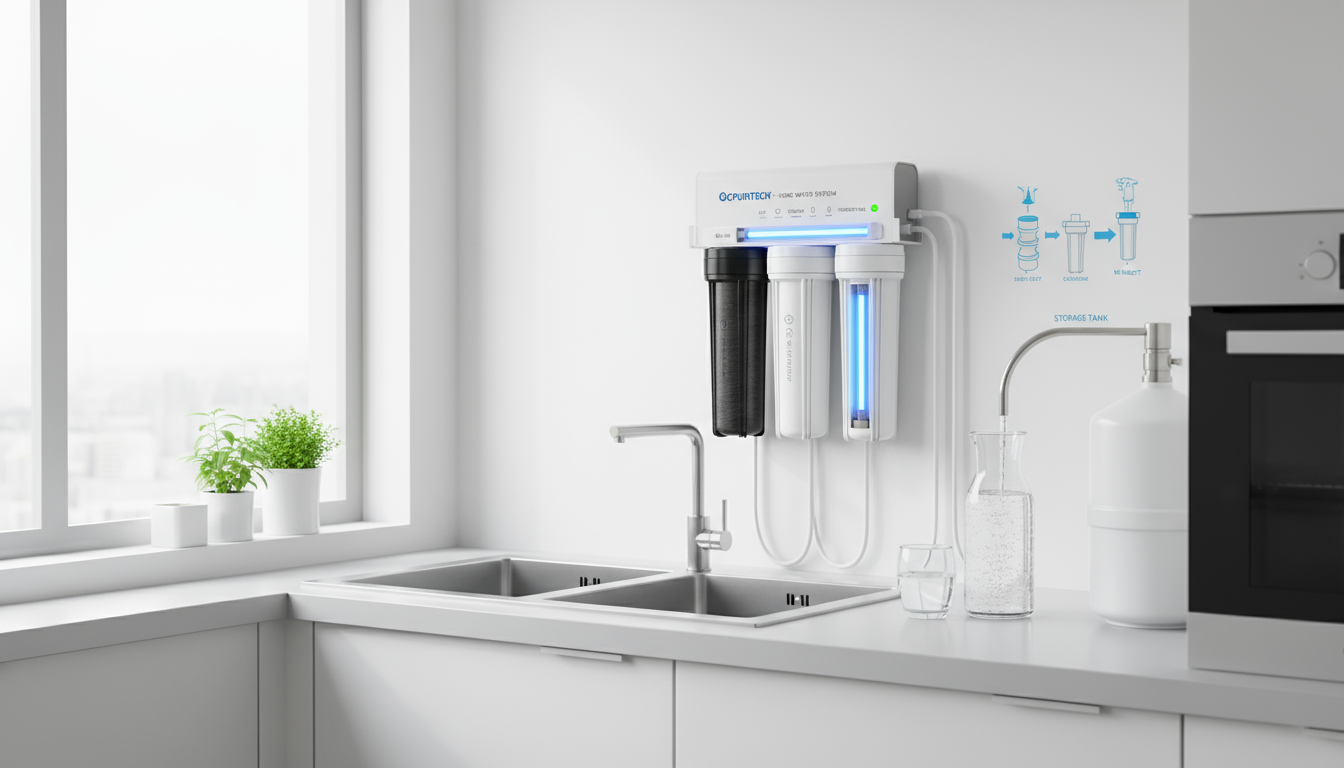
Home water treatment involves several advanced technologies designed to remove physical, chemical, and biological contaminants. These systems adapt well to diverse water sources, ensuring consistent water safety in households worldwide.
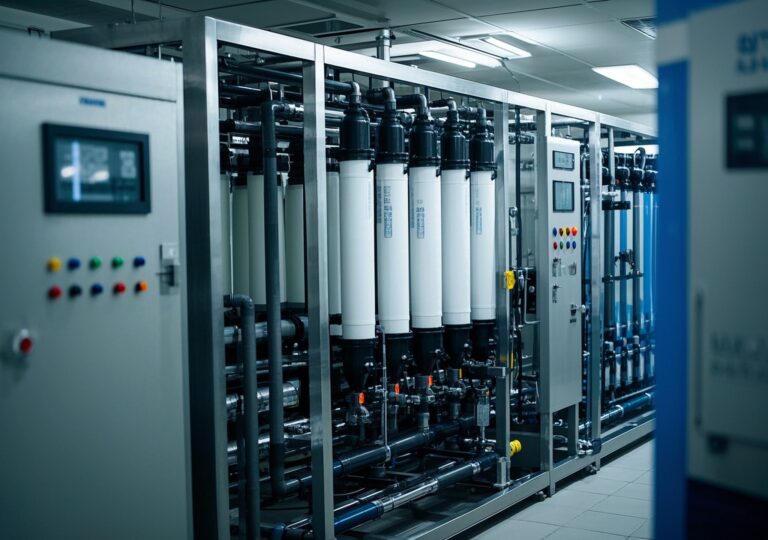
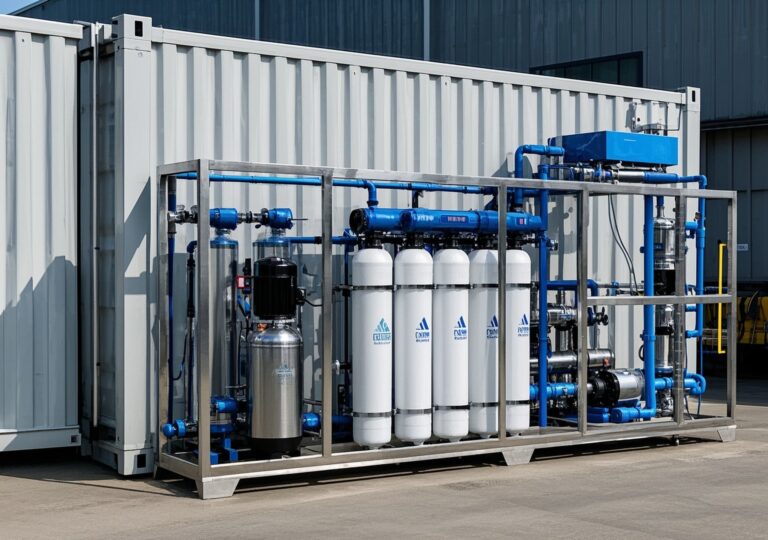
- Reverse Osmosis (RO) — RO systems push water through semipermeable membranes to eliminate impurities such as heavy metals, salts, and microorganisms. This technology is especially effective in areas where groundwater or surface water has high dissolved solids.
- Ultrafiltration (UF) — UF uses membranes with larger pore sizes than RO, filtering out bacteria and suspended solids but retaining beneficial minerals. It’s a great option for municipal water with limited chemical contamination.
- Carbon Filtration — Activated carbon filters adsorb chlorine, bad tastes, odors, and some organic compounds, enhancing palatability and safety.
- UV Disinfection — Ultraviolet light sterilizes pathogens without adding chemicals, ideal as a final barrier step in a multi-stage treatment setup.
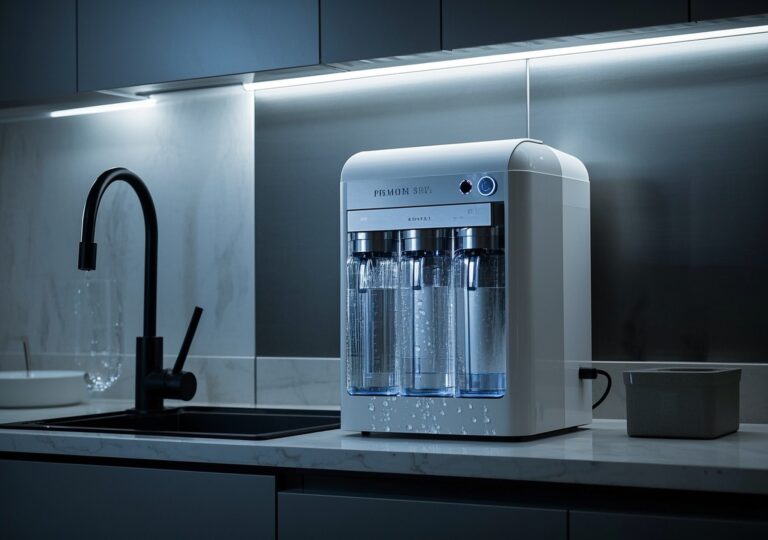
Ocpuritech’s household water purification systems expertly integrate these technologies, ensuring cost-effective and reliable water quality management for daily consumption. Their solutions accommodate different water qualities by combining pre-treatment steps such as sand filtration and carbon softening with RO and UF modules for comprehensive purification.

Water Quality Challenges and Market Needs: A Global Perspective
Water quality challenges often stem from regional and environmental factors that affect source water safety. Globally, reliance on surface water remains high in areas like Sub-Saharan Africa, where 58% of 159 million individuals collecting water from surface sources reside. These waters are frequently contaminated by pathogens, pollutants, and sediments, posing severe health risks.
In urban and rural households alike, untreated water consumption results in waterborne diseases, productivity losses, and economic strain. Residential water treatment systems have emerged as essential tools to combat these challenges, enabling local populations to safeguard their drinking water without depending solely on centralized infrastructure.
My experience managing water treatment projects in diverse environments—including Southeast Asia and Africa—confirms the rising demand for adaptable home purification solutions. In several communities, introducing household RO and UF systems reduced contamination incidents by over 60% within the first year, directly improving public health outcomes and reducing healthcare costs.
How Residential Water Treatment Improves Drinking Safety
Implementing water treatment for house significantly elevates drinking water safety through multiple mechanisms:
- Removal of Microbial Contaminants: Treatment systems eliminate bacteria, viruses, and protozoa that cause diseases like cholera and giardiasis. This is achieved via membrane filtration and UV sterilization.
- Reduction of Chemical Pollutants: Heavy metals, pesticides, and chlorine byproducts are removed or reduced, lowering long-term health risks such as cancer and neurological problems.
- Enhancement of Water Taste and Odor: Carbon filters improve water palatability, encouraging adequate hydration and reducing reliance on bottled water.
- Consistent Quality Assurance: Combined systems with real-time monitoring provide ongoing assessment to maintain water safety at home.
In my decade-long consulting role in residential water projects, I observed that families using integrated RO and UV systems reported marked reductions in water-related illness. One specific case involved a rural community where deployment of Ocpuritech’s modular household purifiers decreased reported gastrointestinal complaints by 70% over 18 months.

These systems not only protect health but also promote environmental sustainability by reducing dependency on disposable plastic bottles. This aligns with Ocpuritech’s mission to provide clean, pure water while taking responsibility to protect the environment.
Key Considerations When Selecting a Home Water Treatment System
Choosing the right water treatment for house depends on various factors. From water source type to household size and budget, the following considerations are essential:
- Water Source Quality: Testing for contaminants guides the selection of a proper purification technology. For example, high dissolved solids need RO, whereas moderate microbial contamination may be handled by UF and UV.
- Maintenance and Operational Costs: Systems should be affordable and easy to maintain, considering filter replacements and energy consumption.
- Capacity and Flow Rate: Ensure the system can meet daily water requirements without compromising performance.
- Certification and Compliance: Verify systems comply with international drinking water standards to guarantee safety and efficiency.
From my consulting experience, engaging with trusted suppliers, such as Ocpuritech, greatly simplifies this process. Their comprehensive product range and technical support assist clients in tailoring solutions to specific household needs, backed by professional engineering and quality manufacturing.
Conclusion: Securing Safe Drinking Water Starts at Home
With the growing challenges of water contamination globally, implementing effective water treatment for house systems is imperative for safeguarding health and enhancing quality of life. The integration of modern filtration and disinfection technologies offers reliable protection against a wide range of contaminants.
Manufacturers like Ocpuritech, with extensive expertise and a commitment to sustainability, provide scalable and cost-effective solutions that empower households around the world. If you prioritize the safety of your drinking water and seek to minimize environmental impact, investing in a robust home purification system is a proactive step well worth taking.
For professional advice and customized solutions, connecting with experienced providers ensures that your water treatment setup aligns perfectly with your needs and local conditions.
References:
| Source | Content Summary |
|---|---|
| World Health Organization (WHO) & UNICEF | Report on global water access highlighting 2.1 billion people lacking safely managed drinking water, emphasizing reliance on unimproved surface sources |
According to the WHO/UNICEF Joint Monitoring Programme’s research in 2024, millions worldwide still lack access to safe drinking water sources, underscoring the importance of home water treatment solutions.