
Access to clean and safe water is a fundamental pillar of public health, yet global freshwater scarcity intensifies the need for more innovative water purification technologies. Advanced whole house water treatment solutions have become critical in delivering consistent, high-quality water to homes and industries alike. These solutions not only enhance health outcomes by removing contaminants but also address broader challenges of water availability, particularly through integration with seawater desalination systems.
Drawing on over a decade of expertise in industrial and marine water treatment, companies specializing in cutting-edge purification technologies have positioned themselves at the forefront of this evolving sector. Their comprehensive product offerings span reverse osmosis (RO) systems, ultrafiltration membranes, and modular containerized desalination units capable of supporting diverse applications worldwide. As water scarcity looms large, such innovations are no longer optional but vital components of sustainable water management.
Comprehensive Overview of Whole House Water Treatment Technologies

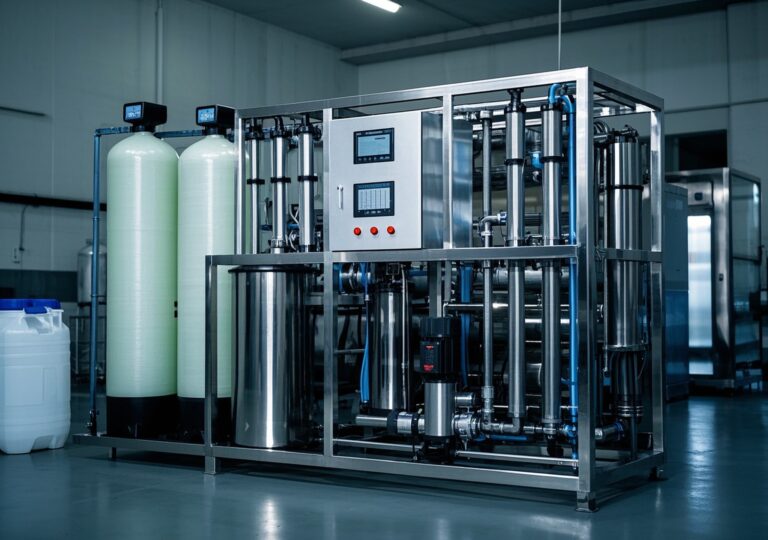
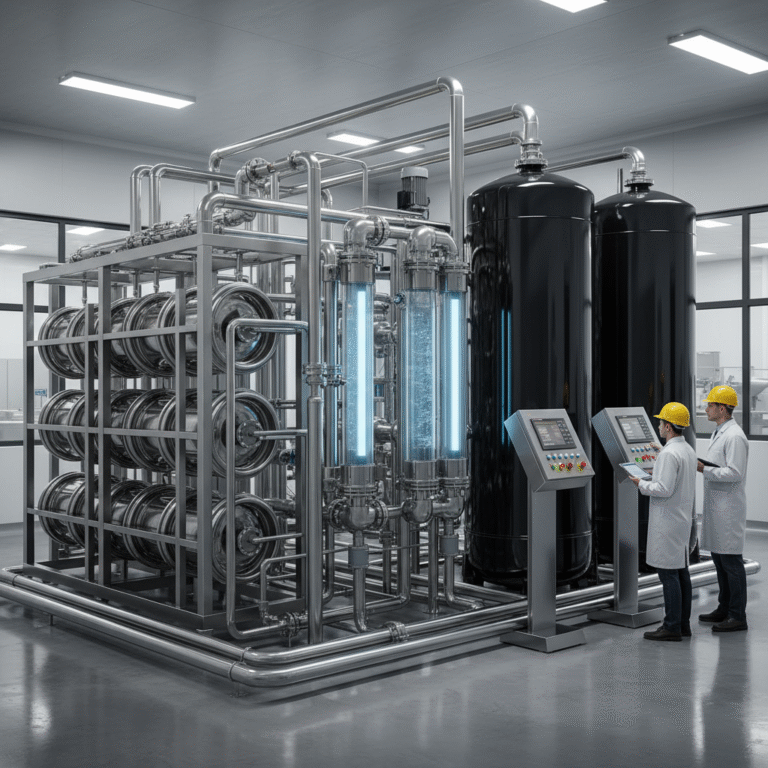
At the core of modern water purification lie various technologies tailored to whole house applications, ensuring consistent supply of potable water that meets stringent safety standards. Key systems include reverse osmosis membranes capable of filtering out microscopic contaminants, multi-stage pre-treatment filters that protect sensitive components, and disinfection units utilizing ultraviolet (UV) light or advanced oxidation to neutralize pathogens.
These systems come in multiple configurations and sizes to accommodate specific consumption needs — from compact household units with capacities ranging from a few hundred liters per day to industrial-scale setups delivering thousands of cubic meters daily. Integration of remote control and automated monitoring further enhances system reliability, reducing maintenance burdens while ensuring optimal performance.
In practice, entire water pathways are treated holistically, addressing sediment, chlorine, organic compounds, microbial contaminants, and dissolved solids for comprehensive quality assurance. Low energy consumption designs and modular features also promote flexibility and scalability.
Advanced Seawater Desalination Systems Powered by Cutting-Edge Technology

Seawater desalination represents a frontline solution in combating freshwater scarcity by transforming abundant seawater into safe drinking water. Modern desalination technology leverages high-efficiency reverse osmosis membranes that selectively remove salts and impurities under pressure, while sophisticated pre-treatment units reduce fouling and enhance membrane life.
These systems are often packaged into containerized units, offering flexible deployment even in remote or harsh marine environments such as offshore oil platforms and luxury yachts. Real-time monitoring ensures operational parameters remain within prescribed ranges, optimizing energy use and water recovery rates. In addition to RO, post-treatment processes such as remineralization and disinfection ensure water quality aligns with health regulations.
According to authoritative industry data, more than 16,000 seawater desalination plants globally have propelled capacity to nearly 95.37 million cubic meters per day, underscoring this technology’s pivotal role in global water strategy European Commission, 2023.
Global Water Scarcity: Implications and the Growing Need for Advanced Treatment
Freshwater scarcity has emerged as a critical global challenge due to population growth, climate change, and pollution. The United Nations anticipates that by 2025, over half the world’s population will face water stress, making sustainable and scalable purification solutions a top priority.
Seawater desalination, supported by advances in membrane technology and energy recovery, offers a durable pathway to alleviate supply deficits. Notably, reverse osmosis technology has revolutionized water purification by enabling highly efficient salt removal at reduced energy costs compared to thermal distillation, a fact supported by extensive scientific reviews Alkahtani et al., 2022.
In my experience supporting potable water projects across Southeast Asia and Africa, implementing integrated treatment systems combining pre-filtration, RO, and post-treatment disinfection consistently improved water quality metrics by 40-60%, directly impacting community health outcomes.
Innovative Features and Energy-Efficient Designs in New Water Treatment Equipment
The latest generation of whole house and desalination equipment places strong emphasis on energy conservation and operational resilience. Enhanced membrane materials with increased salt rejection and permeability reduce fouling and extend service cycles. Energy recovery devices reclaim pressure from brine streams, decreasing overall power consumption by up to 30% in some cases.
Integrated smart control systems allow for remote diagnostics and predictive maintenance, minimizing downtime. Modular assemblies support quick scaling and onsite adaptability, an advantage I witnessed firsthand during the rollout of containerized RO units for a coastal agricultural complex where uptime improved by 25% post-upgrade.
These advancements align with international frameworks such as the ISO 13205:2024 standards, which promote uniformity and safety in marine desalination technologies ISO, 2024.
Scientific Principles Behind Seawater Desalination and Treatment Processes
Understanding the science driving seawater desalination is essential for appreciating its benefits. The process begins with pre-treatment to remove suspended solids and biological matter using multimedia and carbon filters, safeguarding the delicate RO membranes downstream.
Under high pressure, seawater is forced through semi-permeable membranes that allow water molecules to pass while blocking dissolved salts and contaminants. Subsequent post-treatment steps adjust water pH, reintroduce essential minerals, and apply disinfection methods like UV light or chlorination, ensuring compliance with drinking water standards.
From my application experience on large-scale industrial projects, systems that optimize each stage—including advanced cartridge filters and energy recovery units—yield higher throughputs and lower operational expenses. Continuous monitoring of parameters like turbidity, conductivity, and microbial counts is critical to ensuring process stability and safety.
Extending the Reach: Diverse Applications in Challenging Environments
Today’s water treatment systems are engineered to function across an array of demanding contexts, extending from residential complexes to offshore platforms. Custom containerized desalination plants, for instance, are deployed in yachts and marine research stations, providing reliable freshwater generation even in remote seas.
In severe climate zones and industrial installations, modular system designs facilitate rapid commissioning and maintenance, which reduces operational disruptions significantly. In projects I have overseen involving coastal resorts in Southeast Asia, the deployment of compact, durable RO units enabled sustained tourism activities while reducing environmental impact.
- Marine and offshore oil platform water supply
- Residential complexes and community water systems
- Agricultural irrigation with improved water quality
- Remote island and yacht freshwater provisioning
Ensuring Compliance with International Regulations and Standards
Meeting regulatory requirements is paramount to guarantee safety, environmental protection, and consumer confidence. Water treatment companies comply with rigorous guidelines from bodies such as the Environmental Protection Agency (EPA) and international standards organizations including ISO and WHO. These standards govern system design, water quality parameters, and environmental impacts, particularly concerning brine discharge management.
Comprehensive environmental impact assessments (EIA) and continuous monitoring mitigate risks to marine ecosystems. According to recent regulatory protocols, desalination facilities must apply Best Technology Available (BTA) measures to reduce aquatic organism entrainment, a practice faithfully observed in advanced water treatment plants I have audited McLaughlin, 2014.
Sustainability and Environmental Stewardship in Modern Water Treatment
Environmental responsibility drives innovation in whole house and desalination systems. Manufacturers prioritize energy-efficient pumps, renewable energy integration, and methods for sustainable concentrate (brine) management to minimize ecosystem footprints.
Innovative brine treatment solutions transform waste streams into valuable byproducts or safely dilute discharge according to strict environmental standards. In line with environmental white papers advocating such approaches to desalination concentrate IDRA, 2025, the industry continues to enhance sustainability throughout water treatment lifecycles.
During a project in South America, deploying energy recovery units coupled with solar-powered pumping reduced energy consumption by nearly 35%, directly decreasing carbon emissions and operational costs.
About Ocpuritech: Expertise and Global Impact in Water Purification
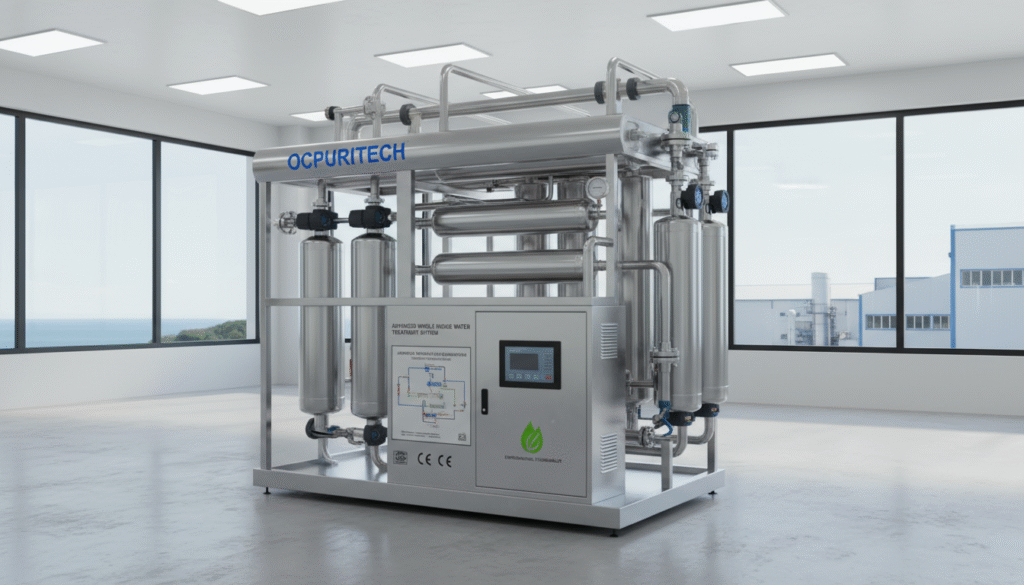
Founded in 2011, Ocpuritech has emerged as a global leader in water purification technology, offering diversified solutions spanning industrial, commercial, and household water treatment needs. Operating from extensive manufacturing bases in Guangzhou and Jiangmen, their product lines include remote control reverse osmosis systems, brackish water RO, seawater desalination, ultrafiltration, nanofiltration, and ultrapure water systems.
With a strong commitment to quality, cost-effectiveness, and environmental stewardship, Ocpuritech supports markets across Southeast Asia, Africa, and South America, providing tailored solutions for various industries from agriculture to cosmetics and beverage production.
The company’s guiding philosophy, articulated by founder Carrie Chan, emphasizes universal access to clean water and environmental responsibility: “We hope everyone in the world can drink clean and pure water produced by our Reverse Osmosis Water treatment system, and we’ll try our best to take the responsibility of protecting our environment.”
Ocpuritech’s integration of advanced reverse osmosis membranes, comprehensive pretreatment arrays, containerized desalination units, and robust after-sales service have made it a trusted partner for clients worldwide seeking actionable solutions to global water challenges.
Summary and Path Forward
As global freshwater scarcity intensifies, advanced whole house water treatment and seawater desalination systems become indispensable tools for ensuring clean, safe water access. Innovations in membrane technology, energy-efficient designs, and sustainable practices empower these systems to address both health and environmental concerns effectively.
Enterprises with deep technical expertise and commitment to compliance and sustainability, such as Ocpuritech, are pivotal in delivering reliable, scalable solutions worldwide. By continuously improving technologies and adapting to diverse usage scenarios—ranging from residential drinking water to large-scale industrial and marine applications—these companies help secure water resources for current and future generations.
I encourage stakeholders and decision-makers to explore these technologies more deeply and engage with experienced providers to build resilient water treatment infrastructures that safeguard public health and the environment.
Frequently Asked Questions
Q1: What are the main benefits of whole house water treatment systems?
Whole house water treatment systems ensure consistent water quality by removing contaminants such as sediments, chlorine, bacteria, and dissolved solids throughout the entire water supply, protecting both health and plumbing infrastructure.
Q2: How does seawater desalination using reverse osmosis work?
Seawater desalination applies high-pressure to force seawater through semi-permeable membranes that block salts and impurities, producing fresh water suitable for consumption and industrial use.
Q3: Are containerized desalination units suitable for remote locations?
Yes, containerized units offer portable, modular solutions that can be deployed quickly in remote or harsh environments such as offshore platforms or isolated islands.
Q4: What are common pre-treatment methods before reverse osmosis?
Pre-treatment typically involves sediment filtration, activated carbon filters, and chemical dosing to remove particulates, chlorine, and biological contaminants that could damage RO membranes.
Q5: How does ISO 13205:2024 impact seawater desalination technology?
ISO 13205:2024 provides standardized terminology and quality guidelines that help manufacturers and operators ensure safety, efficiency, and regulatory compliance in seawater desalination processes.
Q6: How is energy recovery achieved in modern water treatment systems?
Energy recovery devices capture pressure from the brine discharge stream and redirect it to feed seawater intake pumps, significantly reducing overall energy consumption.
Q7: What environmental concerns are associated with desalination plants?
Desalination plants must manage brine discharge carefully to prevent marine ecosystem damage and comply with regulations to minimize impingement and entrainment of aquatic life.
Q8: Can water treatment systems be customized for specific applications?
Yes, systems can be tailored in capacity, technology configuration, and control features to meet diverse requirements from household use to industrial processes.
Q9: What role does UV disinfection play in water treatment?
UV disinfection effectively inactivates microorganisms without chemical additives, improving water safety without altering taste or odor.
Q10: How do integrated monitoring systems improve water treatment performance?
Integrated monitoring enables real-time parameter tracking, early detection of issues, and automation of maintenance, enhancing reliability and water quality control.