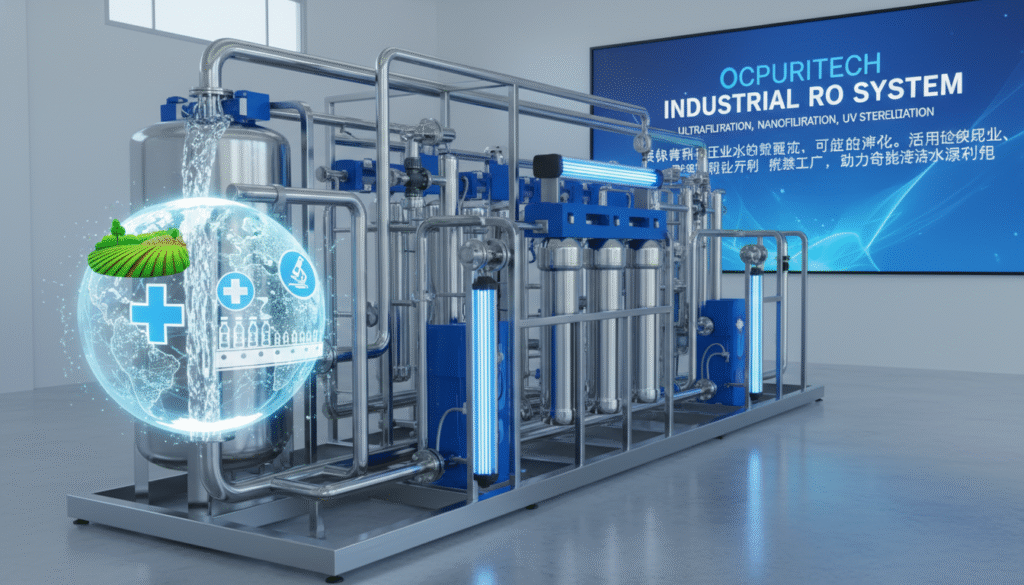
In an era where clean water resources are increasingly scarce, the role of advanced water treatment technologies has become paramount. A reliable water treatment plant RO system is no longer just an option but a necessity for industries and communities aiming for operational efficiency and sustainability. My experience in this field has shown that the right reverse osmosis (RO) system can significantly mitigate water scarcity issues and enhance overall operational output.
The demand for sophisticated water purification solutions is fueled by growing global populations and industrial advancements. Industries, in particular, require high-purity water for various processes, making the implementation of robust RO systems crucial for their success.
1. Introduction: The Critical Role of Water Treatment Plant RO Systems for Enhanced Operations
In the landscape of modern industrial operations and public health, the critical role of a well-implemented water treatment plant RO system cannot be overstated. These systems are essential for producing high-quality water, vital for everything from intricate manufacturing processes to safe drinking water supplies. My work in designing and overseeing the installation of countless RO systems has underscored their ability to not only meet stringent purity standards but also to significantly improve operational resilience and reduce waste.
Access to clean water is a fundamental challenge globally, with 2.2 billion people lacking access to safely managed drinking water services. This stark reality drives the continuous innovation in water treatment technologies, placing RO systems at the forefront of solutions that deliver consistent and reliable water quality, directly impacting operational costs and environmental footprints.
1.1. Global Water Challenges and the Necessity of Advanced Purification
The world faces formidable water challenges. More than 40% of the global population is affected by water scarcity, a number that continues to rise due to climate change, pollution, and rapid urbanization. This necessitates advanced purification methods that can transform various water sources into usable water.
In my experience, industries are particularly vulnerable to water scarcity and poor water quality, leading to increased operational costs and potential production halts. This underscores the necessity for robust systems like the water treatment plant RO system which can effectively combat these challenges by providing a consistent supply of high-purity water, enabling seamless operations and boosting productivity.
2. Understanding Water Treatment Plant RO Systems: Technology and Types
A profound understanding of water treatment plant RO systems is crucial for anyone involved in water management. These systems represent a pinnacle of purification technology. At their core, they leverage semi-permeable membranes to remove dissolved solids, ions, and larger particles from water. My field observations consistently show that these systems are fundamental in achieving the high purity levels demanded by various industrial and commercial applications.
Beyond the basic principles, the types and configurations of RO systems vary widely, each tailored to specific purification needs and raw water characteristics. Choosing the correct system involves a detailed analysis of source water quality, desired output, and operational environment, which dictates the integration of complementary technologies for optimal performance.
2.1. In-depth Look at Reverse Osmosis (RO) Membrane Systems

At the heart of any sophisticated water treatment plant RO system lies the reverse osmosis membrane. This technology works by applying pressure to overcome osmotic pressure, forcing water through a semi-permeable membrane that rejects dissolved solutes and impurities. This process typically achieves 80-90% recovery for low Total Dissolved Solids (TDS) water.
The effectiveness of RO membranes in removing a wide spectrum of contaminants—including salts, bacteria, and viruses—makes them indispensable for producing ultrapure water. From my hands-on experience, selecting the right membrane type and managing membrane fouling are key factors in ensuring the long-term efficiency and cost-effectiveness of these systems.
2.2. Complementary Purification Technologies: Filtration, UF, and UV Systems
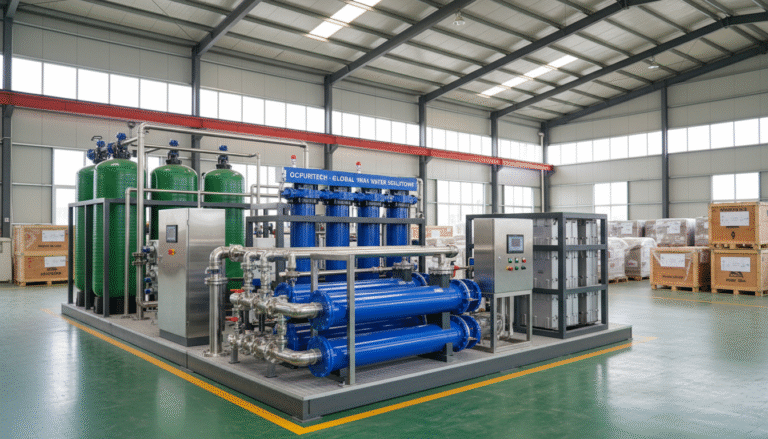
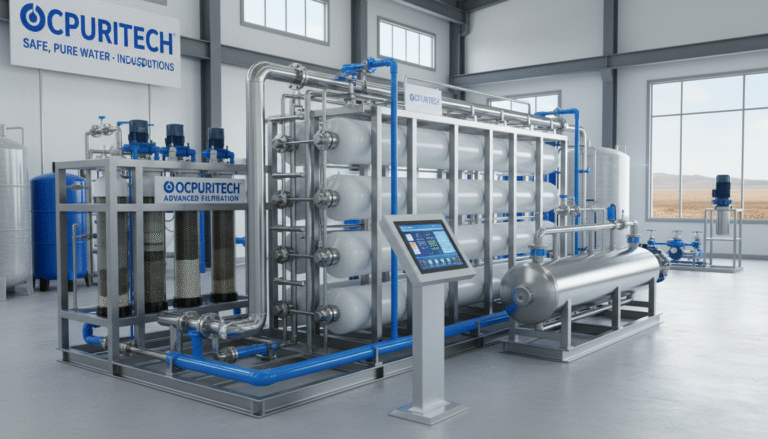
While RO is powerful, it rarely operates in isolation. A complete water treatment plant RO system often integrates complementary technologies like pre-filtration, ultrafiltration (UF), and UV sterilization. Pre-filtration removes larger particles that could damage RO membranes, extending their lifespan.
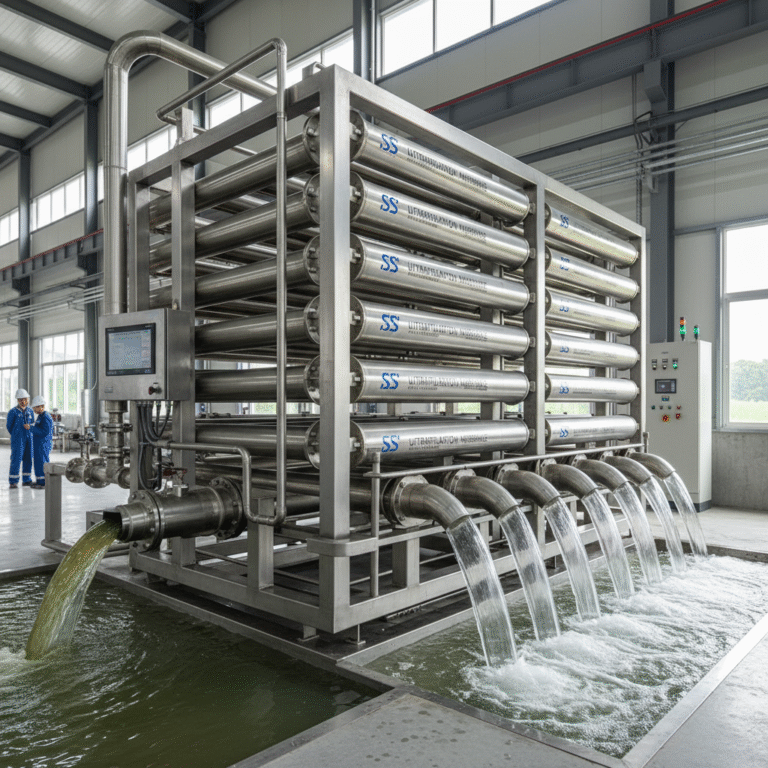
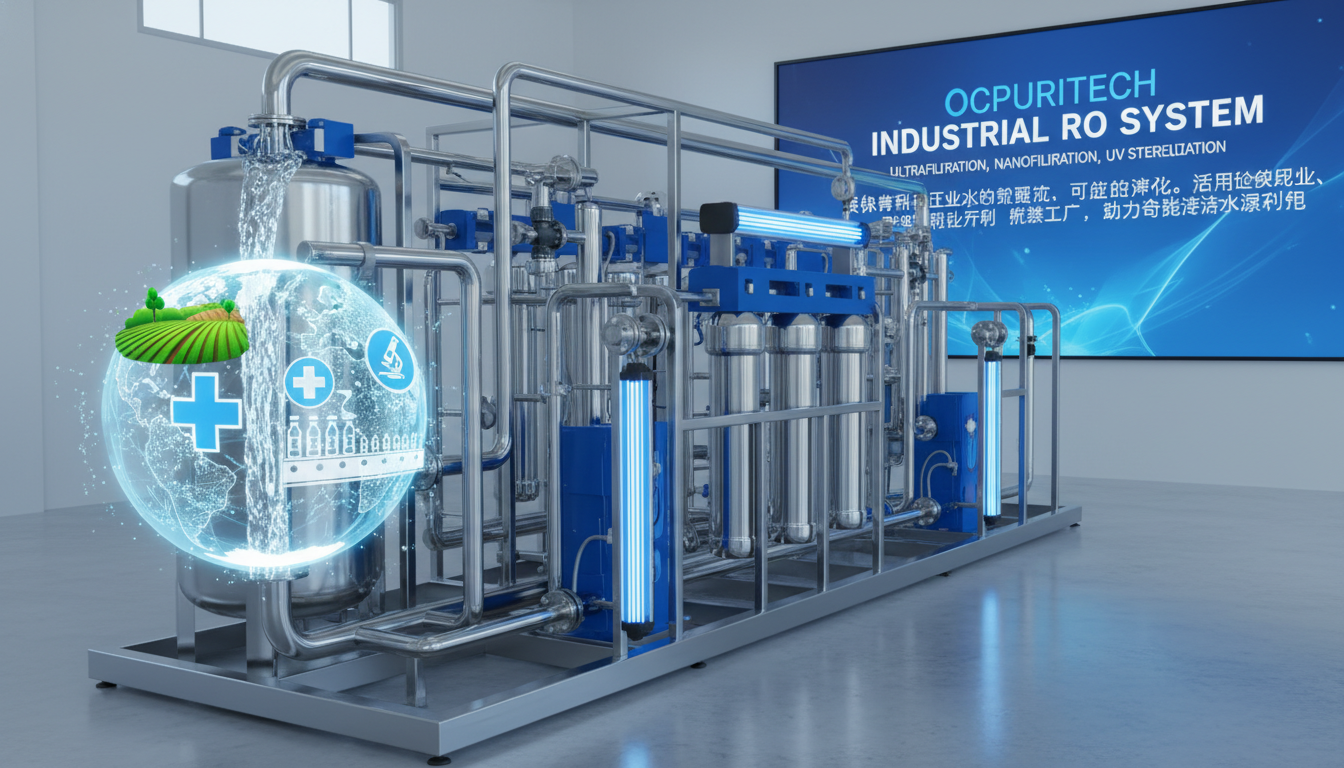
UF filters out larger particles, including colloids and certain microorganisms, before the water reaches the RO stage, enhancing purification efficiency. UV systems provide a final sterilization step, eliminating any remaining bacteria or viruses without chemicals. In my project work, the strategic combination of these technologies has consistently proven to deliver superior water quality and system longevity, showcasing a holistic approach to water purification.
2.3. Specialized Systems: Containerized, Ultrafiltration, and Ultrapure Options
The evolution of water treatment has led to specialized RO system designs to meet diverse needs. Containerized RO systems provide portability and rapid deployment, ideal for remote locations or emergency situations. These modular units are self-contained, simplifying logistics and installation.
Ultrapure water systems, often incorporating RO as a primary stage, are designed for applications requiring extremely high water purity, such as in pharmaceuticals or semiconductor manufacturing. My experience, for instance, includes a project in a remote mining town where a containerized RO system enabled access to clean drinking water, rapidly addressing a critical public health need. These specialized solutions highlight the adaptability and crucial impact of advanced purification technologies.
3. Transforming Industries: Applications of Robust RO Water Treatment
The transformative power of a robust water treatment plant RO system extends across numerous industries, fundamentally altering how operations manage and utilize water resources. My career has provided a front-row seat to this evolution, observing how these systems move beyond basic purification to become integral components of sustainable industrial practices. From ensuring consistent product quality in manufacturing to providing safe drinking water in remote communities, RO technology is a cornerstone of modern infrastructure.
The versatility of RO allows it to be adapted for unique challenges, whether it’s treating brackish water, desalinating seawater, or purifying wastewater for reuse. This adaptability is key to solving complex water-related issues globally and ensuring that businesses can operate efficiently and responsibly.
3.1. Industrial Water Purification Solutions: From Remote Control to Seawater Desalination

Industrial applications of the water treatment plant RO system are incredibly diverse, from enhancing manufacturing processes to providing essential services in challenging environments. Technologies like PLC remote control panels allow for efficient management of purification processes, even in remote locations. For example, in a project I managed for an oil and gas facility in the Middle East, a brackish water RO system with remote monitoring capabilities successfully converted saline groundwater into process water, reducing their reliance on expensive imported water.
Furthermore, seawater desalination RO systems are crucial for coastal industries and communities. These systems convert high-salinity seawater into fresh water, providing a reliable source where conventional water is scarce. This demonstrates the capability of RO technology to address critical needs on a significant scale.
3.2. Commercial and Household Water Purification: Ensuring Clean Water Access
Beyond industrial use, the water treatment plant RO system plays a vital role in commercial and household settings, ensuring access to clean and safe drinking water. Small-scale RO units are increasingly common in homes and offices, delivering improved taste and purity compared to tap water. This directly addresses health concerns, given that 115 million people still drink surface water, often unsafe.
Within commercial buildings, RO systems provide high-quality water for boilers, cooling towers, and other applications, preventing scaling and corrosion. My observations confirm that consistent access to purified water significantly enhances public health and reduces the maintenance burden on appliances and infrastructure.
3.3. The Versatility of RO: Supporting Bottle Water Filling Production Lines and More

The versatility of RO technology is perhaps nowhere more evident than in its application to bottled water filling production lines. A dedicated water treatment plant RO system is indispensable for these operations, ensuring that the water meets stringent quality and safety standards. The purity achieved through RO directly contributes to the taste and shelf life of bottled products.
On a larger scale, the ability of RO to treat diverse water sources, from municipal water to remote well water, has global implications. As an industry expert, I’ve seen RO systems effectively tackle various water quality issues, facilitating the production of safe bottled water, enabling agricultural irrigation in arid regions, and supporting critical pharmaceutical manufacturing processes.
4. Global Impact and Client Value: Ocpuritech’s Commitment to Clean Water
Ocpuritech’s dedication to providing clean water solutions showcases a significant global impact. Their commitment translates directly into client value through advanced water treatment plant RO system technologies. My interactions with clients needing robust water solutions often highlight Ocpuritech’s consistent delivery of high-quality products that meet diverse and demanding specifications.
The company’s focus extends beyond mere equipment provision; it encompasses full-spectrum service, from initial consultation and bespoke design to installation and ongoing support. This holistic approach ensures that each client receives a solution perfectly tailored to their unique operational needs and water quality challenges.
4.1. Solving Real-World Water Challenges and Meeting Diverse Client Needs
In a world grappling with significant water issues—from widespread scarcity to severe pollution—Ocpuritech stands out for its ability to navigate and solve real-world water challenges. My professional journey has often intertwined with scenarios where standard solutions simply wouldn’t suffice. Ocpuritech’s engineering prowess in designing a custom water treatment plant RO system ensures that client-specific needs are not just met but exceeded.
Whether it’s providing a brackish water RO system for a drought-stricken agricultural region or an ultrapure water system for a sensitive pharmaceutical plant, their solutions are meticulously crafted. For example, I recall a project in a remote village struggling with contaminated well water; Ocpuritech deployed a modular, easily maintainable RO system that transformed their daily lives by providing safe drinking water directly from the communal well. This hands-on problem-solving is invaluable.
4.2. Ocpuritech’s Manufacturing Prowess: High-Quality, Cost-Effective Solutions
Ocpuritech’s manufacturing capabilities are a cornerstone of their success, allowing them to produce high-quality, cost-effective water treatment plant RO system solutions. Their production process emphasizes durable materials, advanced engineering, and rigorous testing, ensuring optimal performance and longevity.
This focus on quality control, combined with efficient manufacturing practices, enables them to offer competitive pricing without compromising on the effectiveness or reliability of their systems. In an industry where initial investment and long-term operating costs are critical, Ocpuritech’s approach provides significant value, making advanced water purification accessible to a broader range of clients.
4.3. Empowering Businesses and Communities Worldwide: Success Stories from Ocpuritech
Ocpuritech’s impact is visible in empowering businesses and communities globally through reliable water solutions. The implementation of their water treatment plant RO system for a major food processing plant, for instance, significantly reduced their water consumption by enabling the reuse of treated wastewater, leading to substantial cost savings and a smaller environmental footprint. This case exemplified how Ocpuritech’s dedication extends beyond mere supply, focusing on tangible, positive outcomes.
Another compelling instance involved deploying a series of containerized RO systems for disaster relief efforts, providing immediate access to safe drinking water for thousands affected by natural calamities. These real-world applications underscore Ocpuritech’s commitment to not just technological excellence, but also social responsibility and global well-being.
5. Ocpuritech’s Vision: Protecting Our Environment and Providing Pure Water for All
Ocpuritech’s vision extends far beyond simply manufacturing a water treatment plant RO system. It embodies a profound commitment to environmental protection and ensuring access to pure water for everyone. This vision is particularly resonant given that water-related disasters account for 70% of all deaths related to natural causes, emphasizing the critical need for sustainable water management. Their proactive approach in developing energy-efficient and highly sustainable water treatment technologies directly addresses these global concerns.
My collaboration with companies sharing this ethos reveals that true progress in water treatment is about balancing technological innovation with ecological responsibility. Ocpuritech continually invests in research and development to reduce the environmental impact of their systems while maximizing their purification capabilities. This ensures a future where both industry and communities can thrive with reliable access to clean water.
FAQs about Water Treatment Plant RO Systems and Their Operational Advantages
Q1: What is a water treatment plant RO system?
A water treatment plant RO system uses reverse osmosis technology to remove dissolved solids, ions, and impurities from water by forcing it through semi-permeable membranes, ensuring high-purity water essential for industrial and public use.
Q2: What is reverse osmosis technology in water treatment plants?
Reverse osmosis membranes operate by applying pressure to overcome natural osmotic pressure, filtering out contaminants like salts and bacteria; their efficiency, offering 80-90% recovery rate for low TDS water, is critical to producing ultrapure water in treatment plants.
Q3: What complementary technologies are used alongside RO systems in water purification?
Complementary purification technologies include pre-filtration, ultrafiltration (UF), and ultraviolet (UV) sterilization. Pre-filtration removes large particles before RO; UF filters out colloids and microorganisms; UV sterilizes the water to eliminate bacteria and viruses, enhancing overall water quality and membrane lifespan.
Q4: How to ensure effective operation and maintenance of a water treatment plant RO system?
To operate and maintain a water treatment plant RO system effectively: 1) Regularly monitor source water quality; 2) Perform scheduled membrane cleaning to prevent fouling; 3) Use pre-filtration to protect membranes; 4) Monitor system pressure and recovery rates; 5) Implement remote control systems, as seen in Ocpuritech’s solutions, to optimize management and troubleshoot issues efficiently.
Q5: How to deploy containerized RO systems for rapid water treatment solutions?
Deploying containerized RO systems involves these steps: 1) Select a modular unit suited for the required capacity and water source; 2) Transport and install the unit onsite, requiring minimal infrastructure; 3) Connect utilities such as power and water feed; 4) Commission the system and calibrate controls; 5) Use PLC remote monitoring to oversee performance. This process allows rapid deployment in remote or emergency situations, as exemplified by Ocpuritech’s containerized systems.
Q6: What is the difference between an RO system and ultrafiltration (UF) in water treatment plants?
Compared to ultrafiltration (UF) systems, RO systems provide finer filtration by removing dissolved salts and small molecules, while UF primarily removes larger particles and microorganisms. UF is often used as a pre-treatment to RO, reducing membrane fouling. UF typically consumes less energy but cannot desalinate water, whereas RO is essential for high-purity water requiring salt removal.
Q7: Why is implementing a reliable water treatment plant RO system necessary amid global water scarcity?
Water scarcity has become critical due to urbanization, climate change, and pollution affecting over 40% of the global population, compelling industries and communities to adopt advanced purification like RO systems to secure a consistent supply of clean water and maintain operational continuity.
Q8: How does Ocpuritech enhance operational control in water treatment plant RO systems?
Ocpuritech integrates PLC remote control panels in their water treatment plant RO systems, allowing operators to monitor and adjust parameters in real-time, enhancing performance in industrial contexts such as oil and gas facilities, remote mining towns, and food processing plants by reducing reliance on manual oversight and improving system resilience.
Q9: How does Ocpuritech ensure cost-effectiveness and quality in their water treatment plant RO systems?
Ocpuritech's manufacturing approach ensures high-quality and cost-effective RO systems by using durable materials, rigorous engineering standards, and thorough testing. This results in systems with long lifespans and lower operating costs, making advanced water purification accessible to diverse clients globally without compromising reliability.
Q10: Why combine RO systems with ultrafiltration and UV technologies in water treatment plants?
Integrating RO systems with complementary technologies like ultrafiltration and UV sterilization yields superior water quality and system longevity compared to using RO alone. This combined approach reduces membrane fouling, ensures microbial safety, and optimizes purification efficiency, especially important for sensitive applications such as pharmaceutical manufacturing or bottled water production.