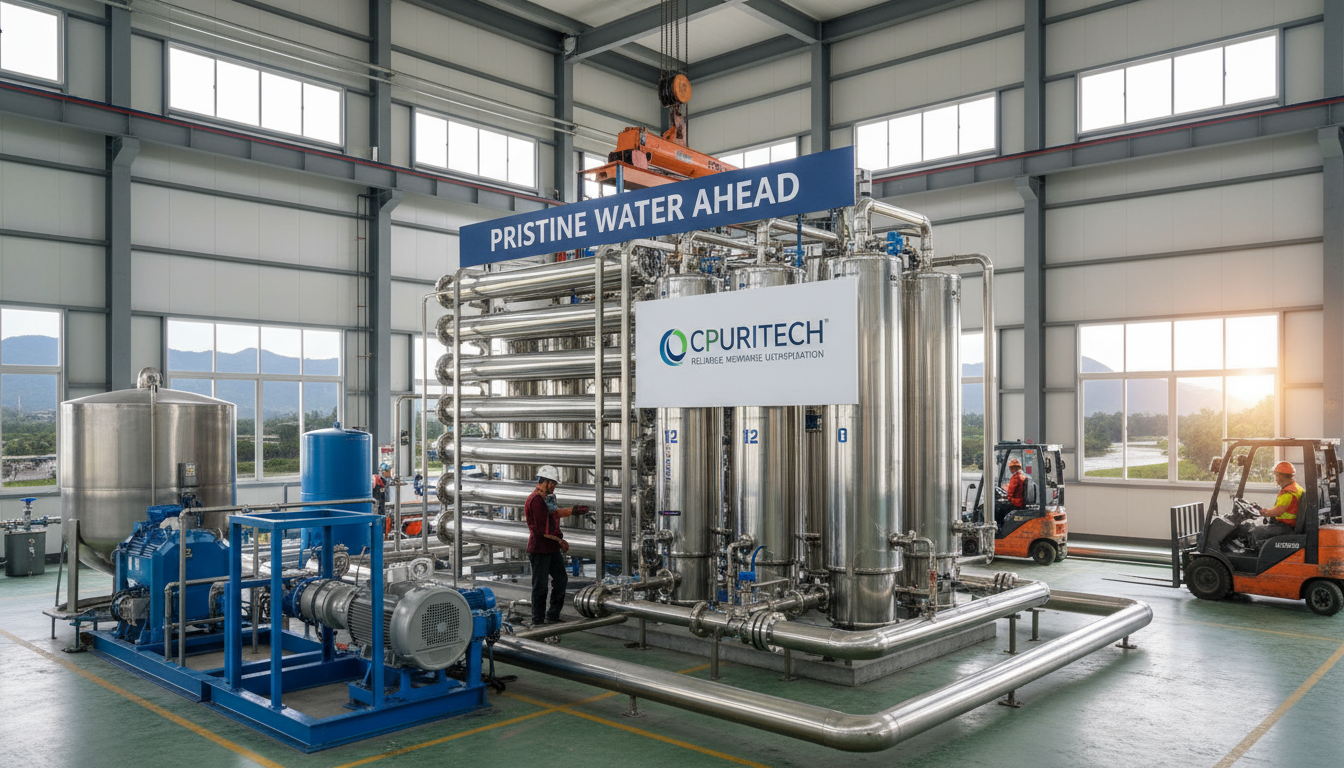
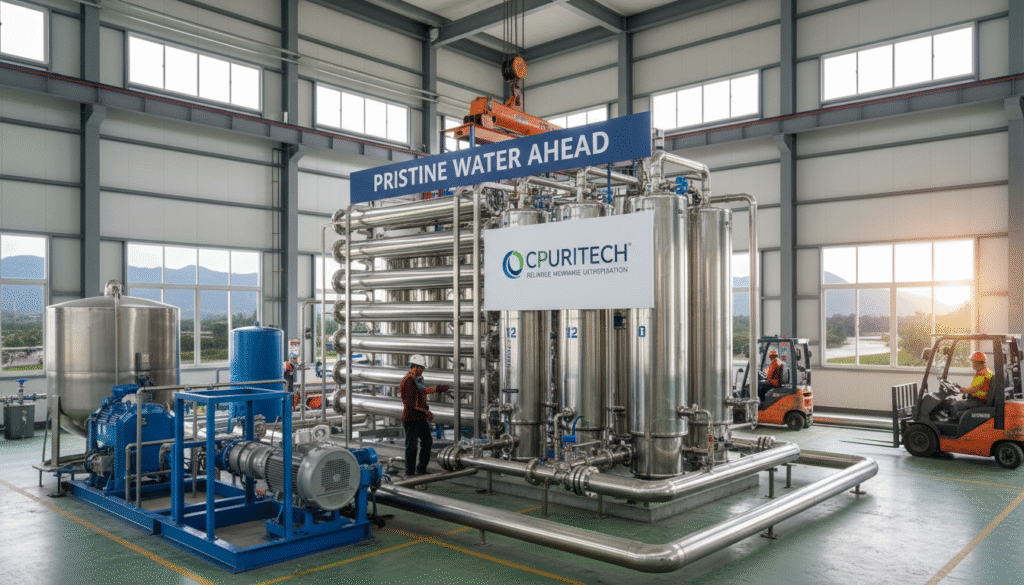
Overview of Industrial Ultrafiltration Systems

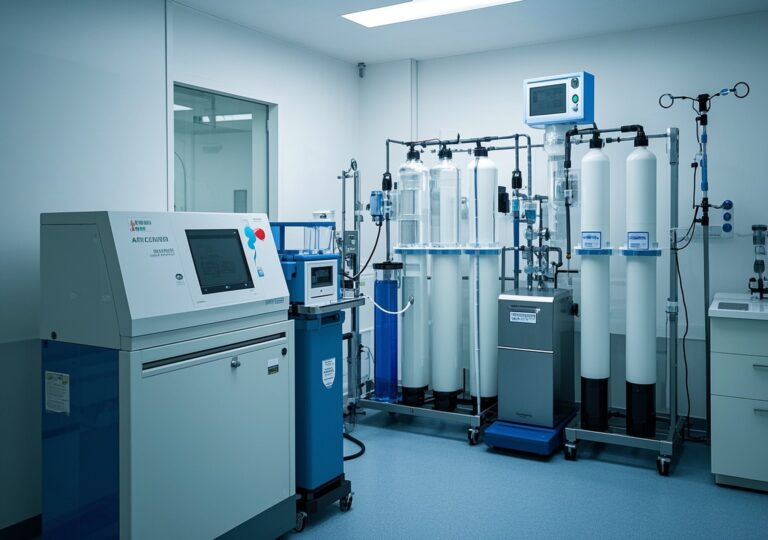
Industrial water treatment has increasingly shifted towards advanced filtration technologies to meet the stringent demands for water purity across diverse sectors. A reliable membrane ultrafiltration system serves as a cornerstone technology, widely adopted due to its effectiveness in removing particulates, colloids, pathogens, and macromolecules from water streams without chemical additives.
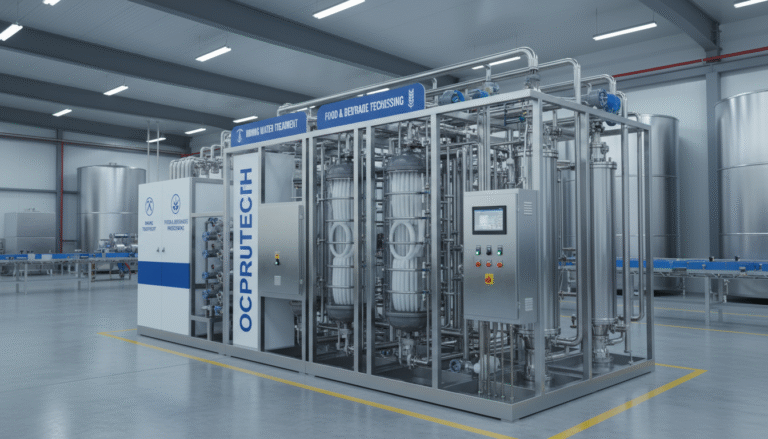
This technology excels in applications spanning mining, food and beverage processing, pharmaceuticals, cosmetics manufacturing, laboratories, ultrapure water production, boiler feedwater preparation, well and municipal water treatment, river and groundwater purification, among others. Because industrial applications require tailored water quality levels, ultrafiltration systems are designed to integrate with various pretreatment and post-treatment setups, addressing specific usage requisites and regulatory standards.
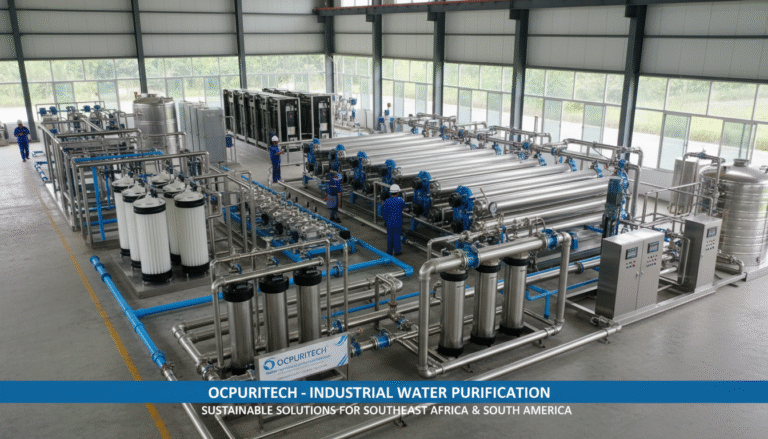
Ocpuritech, a leading manufacturer in this field since 2011, employs ultrafiltration as part of their comprehensive industrial water purification portfolio. With strategically located factories in Guangzhou and Jiangmen, Ocpuritech ensures globally competitive and customizable membrane filtration solutions that support industries from agriculture to consumer bottled water production.
Technical Principles and Core Components of Membrane Ultrafiltration

At the heart of a reliable membrane ultrafiltration system lies the membrane separation process, which operates by filtering water through semi-permeable membranes that retain particles typically larger than 0.01 microns. Unlike traditional filtration methods, ultrafiltration does not rely on chemical coagulation, reducing secondary pollution risks and enabling energy-efficient operation.
Key components include:
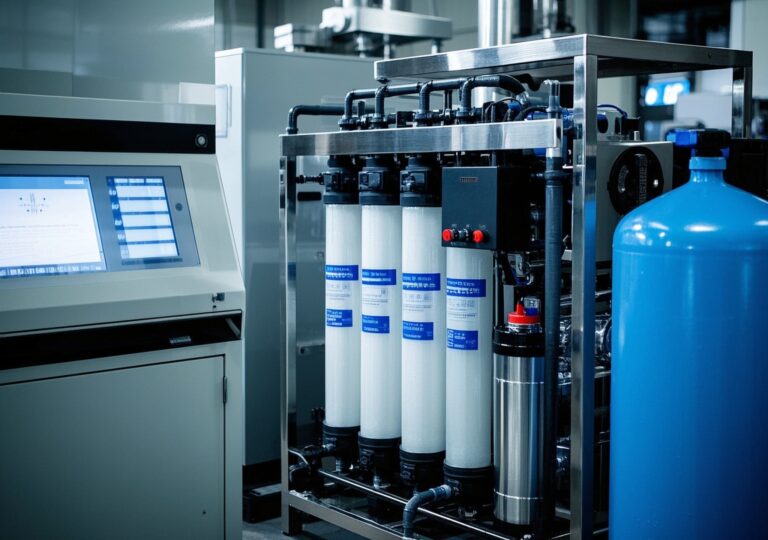
- Hollow fiber or tubular polymer membranes providing robust mechanical strength and chemical resistance.
- Automated control systems for real-time monitoring and regulation, ensuring consistent water quality and system protection against fouling.
- Pretreatment modules such as sand filters, activated carbon filters, and softeners to reduce membrane load and extend lifespan.
The membranes are carefully engineered using advanced polymer materials that maintain separation performance while resisting fouling caused by organic matter and scaling minerals. Recent technological advancements have introduced electrically conductive membranes enhancing salt and contaminant removal efficiency, an innovation pioneered in the academic realm and now moving towards industrial deployment[4].
In my experience leading a refinery water management project, the integration of fully automated ultrafiltration controls reduced manual intervention and downtime by over 40%, streamlining operations and improving effluent water quality to meet the strict emission standards consistently.
Pricing Breakdown and Investment Analysis
Understanding the investment structure of a reliable membrane ultrafiltration system is essential for industrial operators seeking optimal cost-performance balance. The total cost often includes:
- Base system expense covering membrane modules, pressure vessels, and automation hardware.
- Additional pretreatment and post-treatment equipment adapted to site-specific water conditions.
- Installation, commissioning, and training charges to ensure operational readiness.
- Operational expenditures including membrane replacements, energy consumption, and routine maintenance.
While initial capital investment can appear significant compared to conventional filtration, the extended membrane lifespan, lower chemical usage, and energy efficiency often result in a favorable total cost of ownership over a 5- to 10-year horizon. For example, in a pharmaceutical manufacturing plant I consulted for, adopting ultrafiltration systems reduced water treatment costs by an estimated 25% annually, primarily due to less downtime and decreased cleaning chemical usage.
Performance Specifications and Quality Assurance

Reliable membrane ultrafiltration systems must adhere to stringent performance metrics to guarantee consistent water quality and operational durability. Key parameters generally include:
| Specification | Typical Values | Notes |
|---|---|---|
| Membrane Pore Size | 0.01 – 0.1 micron | Ensures removal of bacteria, viruses, and suspended solids. |
| Operating Pressure | 1 – 6 bar | Optimized for energy-efficient filtration cycles. |
| Flux Rate | 50 – 150 LMH (liters per square meter per hour) | Varies with feed water quality and membrane type. |
| Recovery Rate | 75% – 85% | Maximizes water reuse while protecting membranes. |
| Material Quality | PVDF, PES, or Polypropylene | Corrosion and fouling resistant polymers. |
Industry leaders such as Ocpuritech ensure quality and durability by implementing rigorous testing protocols and sourcing premium membrane materials. Their products also comply with international water quality standards relevant to pharmaceutical, food & beverage, and semiconductor industries, where ultrapure water is essential for manufacturing integrity[5].
Market Demand and Application Scenarios
Diverse industrial sectors present varied water treatment challenges that a reliable membrane ultrafiltration system can expertly address. The system’s adaptability to different feed waters ranging from groundwater with high mineral content, river water laden with suspended solids, to municipal wastewater, makes it an indispensable tool for industry players worldwide.
The semiconductor sector, for instance, mandates ultrapure water for wafer rinsing and photolithography, demanding membranes that guarantee near-complete microbial and particulate rejection[6]. The food and beverage industry requires filtration solutions that preserve taste and comply with strict health guidelines. The mining and chemical industries benefit from ultrafiltration by extracting suspended solids effectively to protect downstream equipment and comply with environmental emission norms.
In Southeast Asia and parts of Africa, where surface water quality may fluctuate seasonally with increased turbidity and organic loads, adopting ultrafiltration ensures robust operational stability. My own work on a cosmetics manufacturing plant in South America highlighted how ultrafiltration implementation improved raw water quality consistency, reducing batch failures and production downtime by approximately 15%.
Real-World Case Studies Highlighting System Benefits
Drawing from my 14 years of experience in water purification projects, here are notable cases demonstrating the value of ultrafiltration:
- Food Processing Plant in Southeast Asia: Installation of a membrane ultrafiltration system with integrated pretreatment reduced suspended solids by 98%, extended downstream reverse osmosis membrane life by nearly 3 years, and lowered chemical cleaning cycles by 35%.
- Pharmaceutical Water Treatment in Europe: The adoption of polymer membranes with strict quality control ensured compliance with WHO and USP standards for purified water, resulting in zero batch rejections due to water quality in a 12-month period.
- Municipal Water Recycling Facility: Implementation of ultrafiltration as a key step in water reuse reduced suspended solids and microorganisms, enabling reuse water quality to meet environmental discharge requirements and reduce freshwater consumption by 45%.
These examples underscore how ultrafiltration integrates technical reliability with economic benefits, validating its role as a core technology for sustainable industrial water management.
Customization Options and Support Services
Customization is pivotal for maximizing ultrafiltration system performance across diverse project scopes. Typical customization facets for a reliable membrane ultrafiltration system include:
- Tailored pretreatment configurations (e.g., sand filtration, carbon adsorption, water softening) based on feed water analysis.
- Post-treatment options such as UV sterilization or advanced oxidation processes to meet final water quality targets.
- Intelligent automation for remote monitoring, fault diagnostics, and integration into broader industrial process controls.
- Modular design facilitating capacity expansion and ease of maintenance.
Manufacturers like Ocpuritech offer comprehensive after-sales support including installation supervision, operator training, preventive maintenance schedules, and spare parts supply. This holistic service approach ensures system longevity and delivers peace of mind to industrial clients managing critical water infrastructure.
Manufacturer Profile and Competitive Advantages
Established in 2011, Guangzhou Aomi Water Purification System Manufacture Co., Ltd. (operating as Ocpuritech) has cultivated 14 years of expertise in the water purification domain. With dual factories exceeding 10,000 square meters, they combine advanced manufacturing capabilities with rigorous quality control to serve global markets in Southeast Asia, Africa, and South America.
Ocpuritech’s product portfolio encompasses ultrafiltration, reverse osmosis, nanofiltration, and ultrapure water systems, with proven efficacy in sectors ranging from bottled water production to agricultural water recycling. Their philosophy, championed by owner Mrs. Carrie Chan, emphasizes enabling universal access to clean and pure water while upholding environmental stewardship.
A strong network of authorized distributors and technical consultants guarantees responsive customer service and tailored solutions, making Ocpuritech a trusted partner for industrial water treatment projects worldwide.
Summary and Investment Recommendations
A reliable membrane ultrafiltration system stands as a technologically mature and economically sound investment for industries demanding consistent, high-quality water treatment. Its advantages include chemical-free surface water purification, operational flexibility, scalability, and compliance with stringent regulatory frameworks.
For decision-makers, prioritizing suppliers with proven track records, like Ocpuritech, and focusing on system compatibility with feed water characteristics will optimize return on investment. Looking ahead, integrating ultrafiltration as a fundamental barrier technology combined with digital monitoring paves the way for smarter, more sustainable industrial water management solutions.
References
- Pei et al., 2025. Membrane filtration technologies for sustainable industrial water treatment.
- LBL Research Center, 2025. New Membrane Technology Could Expand Access to Water.
- MECO, Water Quality Standards Guide. Water Quality Standards Guide.
- Aquatech Trade, Industrial Water Guide, 2025. Industrial Water Treatment: Essential Guide.