Just Reviewed: RO Dialysis Water Treatment Systems in Cosmetical Processes
In cosmetical manufacturing, ensuring water purity is paramount. Contaminants can compromise product safety, formulation consistency, and regulatory compliance. Among various solutions, RO dialysis water treatment systems have become indispensable. This article delves into the technical and operational facets of these systems, offering an expert perspective informed by both authoritative market data and practical experience.
1. Product Overview: Types, Functions, and Industry Applications
RO dialysis water treatment systems primarily focus on producing ultra-pure water by removing dissolved solids, bacteria, endotoxins, and other impurities. While originally designed for medical dialysis, these systems have found broader applications across multiple industries:
- Cosmetical Industry: Producing formulations with exacting purity standards, avoiding skin irritants and contaminants.
- Pharmaceuticals: Ensuring compliance with stringent water quality guidelines.
- Food and Beverage: Enhancing taste, extending shelf life, and maintaining safety.
- Laboratory and Research: Providing consistent ultra-pure water for experiments.
- Industrial Water Treatment: Treating boiler feed water, municipal water, groundwater, and river water for reuse.
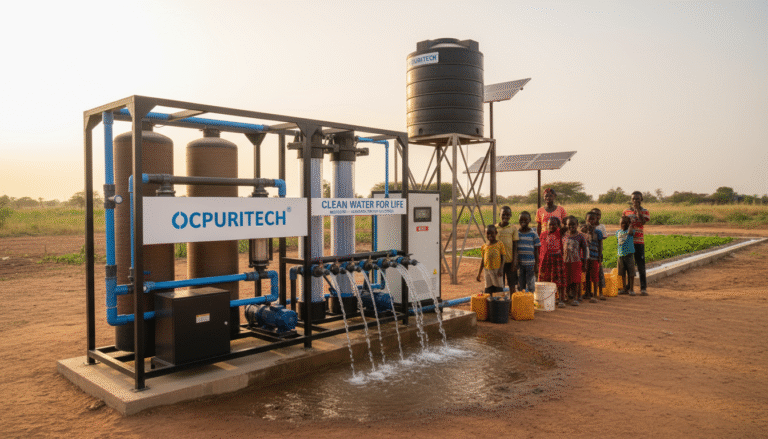
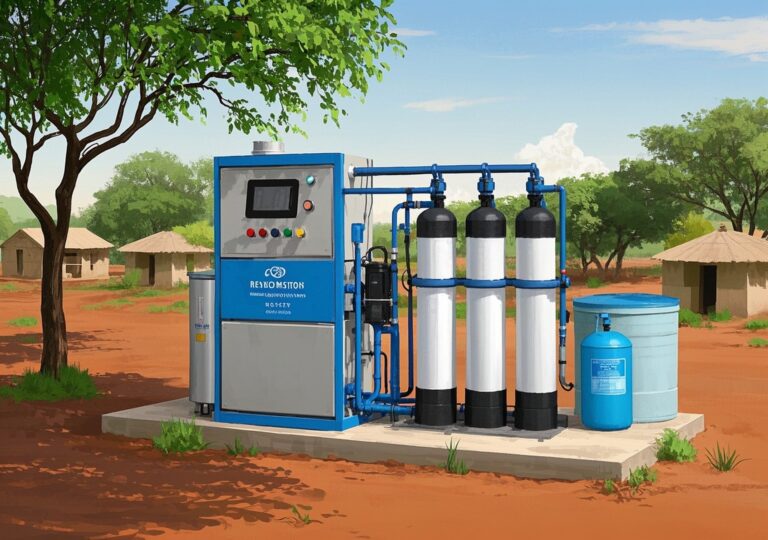
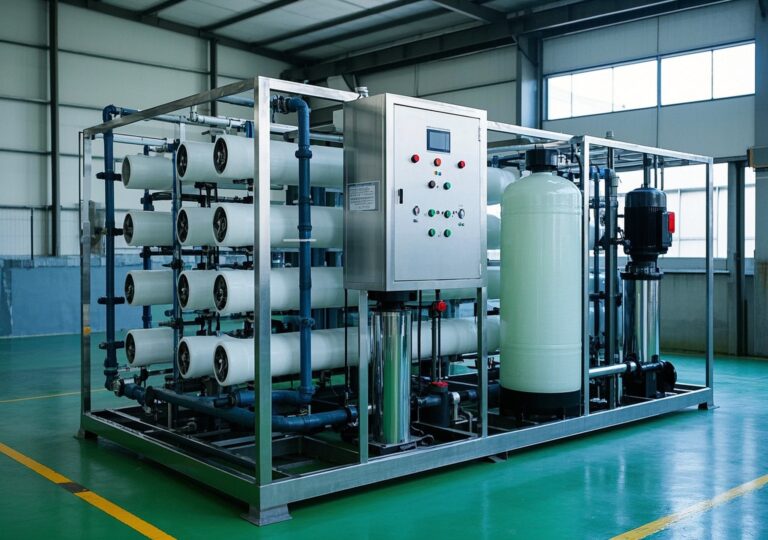
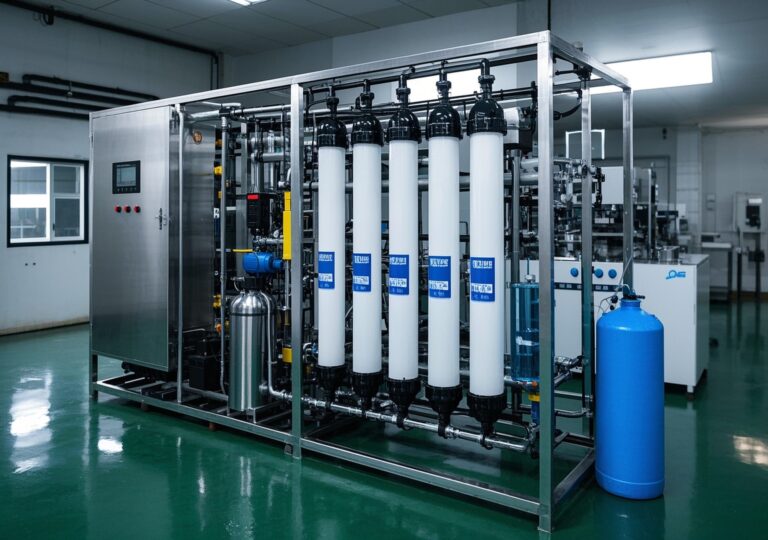
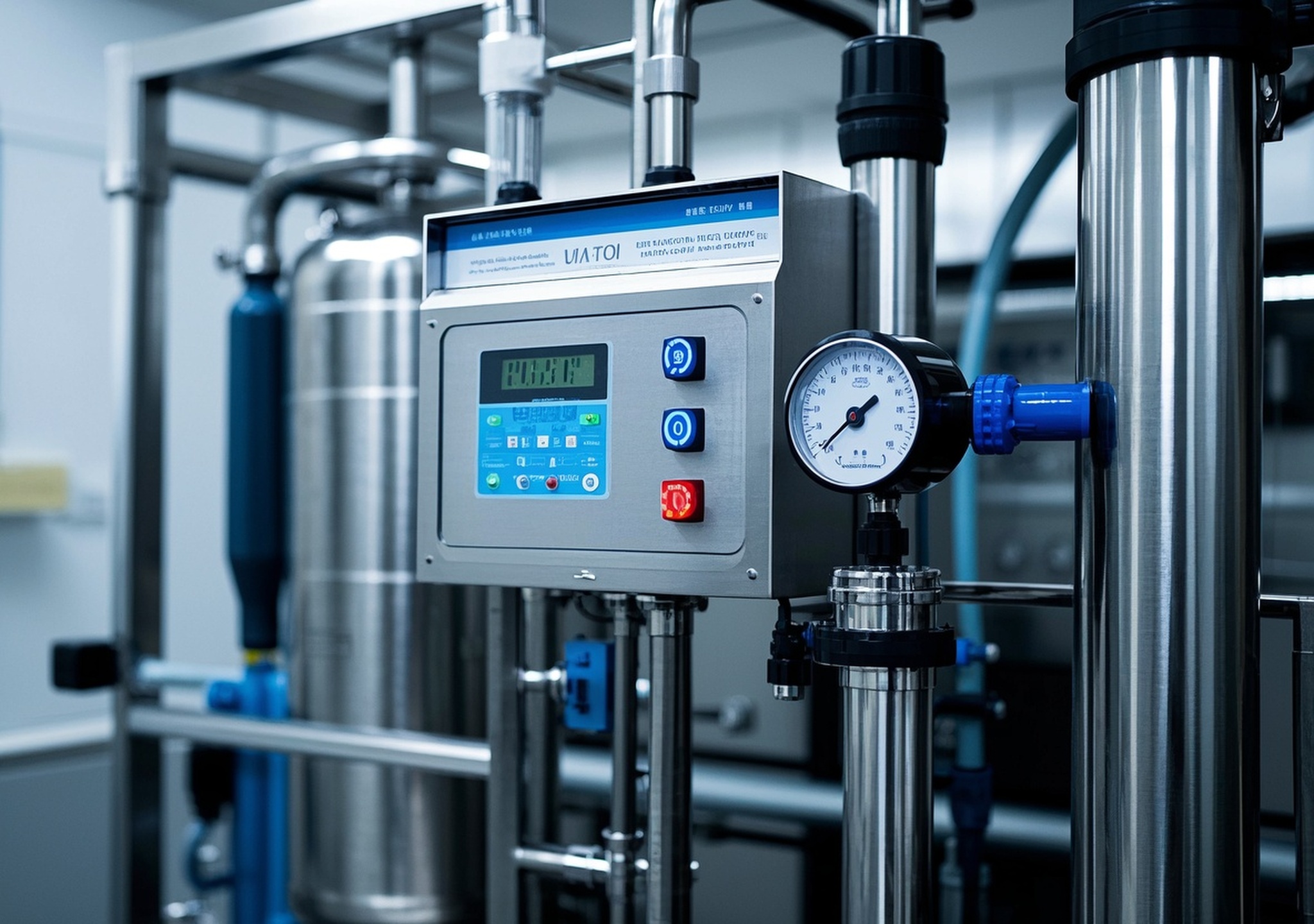
The systems usually consist of pre-treatment modules (to remove particles and chlorine), reverse osmosis membranes, and post-treatment polishing stages, tailored to the source water type—such as well water, city water, or recycled sources.
2. Technical Principles and Key Components
The core of these treatment systems is reverse osmosis (RO) membrane technology. RO employs semi-permeable membranes allowing water molecules to pass while blocking impurities and dissolved salts. Key technical highlights include:
- Membrane Separation: Multi-stage membranes reduce total dissolved solids (TDS) to meet ultrapure standards needed for dialysate and cosmetic formulations.
- Automated Control Systems: Advanced PLC-based automation monitors feed water quality, pressure, flow rates, and system integrity, allowing real-time adjustments and fault detection.
- Pre-treatment Modules: These include multimedia filters, activated carbon filters (for organic and chlorine removal), and water softeners which protect membranes and extend lifespan.
- Post-treatment: UV sterilization and ultrafiltration may be added for further microbial control.
- Sanitization Features: CIP (Clean-In-Place) and SIP (Steam-In-Place) ensure hygiene compliance critical for cosmetical water use.
This combination ensures water purity levels surpassing pharmacopeia standards, vital for sensitive skin products.
3. Price Breakdown and Investment Considerations
Understanding the financial investment behind an RO dialysis water treatment system requires unpacking several cost elements:
| Cost Component | Description | Investment Insight |
|---|---|---|
| Base System | RO membrane modules, pre-filters, pumps, control panels. | Represents majority of upfront cost; modular design allows scalability. |
| Additional Modules | Post-treatment components (UV, ultrafiltration), CIP systems. | Optional but recommended for highly pure cosmetical water; adds 10-20% to base cost. |
| Installation & Commissioning | Site preparation, plumbing, electrical work, system validation. | Typically 10-15% of equipment price; proficiency reduces downtime. |
| Operation & Maintenance | Membrane replacements, filter cartridges, sanitization consumables. | Recurrent cost; membrane life spans 3-5 years, affecting ROI. |
| Monitoring & Control Software | Automation systems, data logging, remote monitoring capabilities. | Enhances operational efficiency and compliance tracking. |
Investors should consider total cost of ownership rather than just capital expenditure. A well-maintained system can reduce product rejects and regulatory risks, delivering long-term business value.
4. Performance Specifications and Quality Assurance
Typical performance indicators for cosmetic industry applications include:
- TDS reduction: >95% removal, achieving water with TDS below 10 ppm
- Endotoxin levels: below 0.25 EU/mL, critical for skin-safety
- Bacterial count: <1 CFU/mL through integrated sterilization
- Flow rate: scalable from 100 to 5,000 L/hr for batch or continuous production
- Recovery ratio: 50-75%, improving water usage efficiency
Material selection prioritizes FDA-compliant and corrosion-resistant components such as stainless steel and advanced polymers, ensuring system durability and chemical compatibility.
Quality control follows ISO 9001 and GMP guidelines. Routine validation, pressure testing, and microbiological assays are integral, confirming compliance with cosmetical water standards.
5. Market and Application Scenario Analysis
The demand for RO dialysis water treatment systems is escalating globally, fueled by regulatory tightening and heightened consumer awareness of product safety.
Specifically, in regions with hard tap water or groundwater contaminated with heavy metals and organics, these systems provide a reliable purification method adaptable to local conditions.
Based on authoritative industry reports, the global dialysis water treatment market is poised for robust growth over the next decade, with hospitals and clinics representing a large share but cosmetic manufacturing emerging as a fast-adapting secondary market. Simultaneously, industrial water treatment sectors heavily rely on RO systems for process water recycling and effluent management.
Market trends emphasize energy-efficient designs and smart automation, which reduce operational costs and enable predictive maintenance strategies.
6. Case Studies: Practical Insights from Industry Deployments
Drawing from my professional experience in deploying water treatment solutions for cosmetic companies, I have observed the following successful implementations:
- Case 1: Large-Scale Cosmetics Manufacturer in Southern Europe
A full-fledged RO dialysis water system was integrated to replace traditional distillation units. The system consistently delivered water with TDS <5 ppm and bacterial counts near zero. This upgrade reduced water consumption by 30% and cut energy costs by 25%, while enhancing product shelf stability. The company reported a 10% sales increase attributed partly to improved product quality. - Case 2: Boutique Natural Skincare Brand
Implementing a compact RO system allowed the brand to produce high-purity water onsite, avoiding dependency on bottled water. This move improved process control for sensitive serums, ensuring endotoxin levels below detectable limits. The upfront investment paid back within 18 months due to reduced outsourcing costs and minimized formulation failures. - Case 3: Contract Manufacturing Organization (CMO)
The CMO serving multiple cosmetic clients installed a modular, automated RO dialysis water system. Real-time monitoring data enabled compliance with diverse client specifications and traceability for audits. Downtime was reduced by 40% owing to predictive maintenance features, directly benefiting client satisfaction and retention.
7. Customized Solutions and Service Support
Customization is key in addressing varying water quality challenges and production scales. Solutions often include:
- Tailored Pre-treatment: Depending on source water contaminants (e.g., iron removal, softening).
- Post-treatment Adjustments: Adding remineralization steps for cosmetic product compatibility, if required.
- Automation Integration: Linking with plant-wide monitoring platforms for centralized control.
- Installation Support: Professional site assessment, commissioning, and training.
- Maintenance & After-Sales: Scheduled inspections, remote diagnostics, and emergency services.
This customer-centric approach ensures sustained performance and regulatory adherence over the system lifecycle.
8. Manufacturer Profile and Competitive Edge
While avoiding specific brand names, it’s worth noting that leading manufacturers focus on:
- Advanced membrane technology development to optimize permeability and durability.
- Conformance to international certifications (ISO, CE) ensuring quality and safety.
- Strong R&D investments for novel applications like combining RO with advanced oxidation processes.
- Global service networks providing localized support tailored to client needs.
Their extensive track record in healthcare and industrial water treatment bolsters their credibility in the cosmetical sector as well.
9. Conclusion and Investment Recommendations
In conclusion, RO dialysis water treatment systems offer cosmetical manufacturers a reliable, scalable, and efficient solution to meet rising water purity demands. Combining proven membrane separation technology with smart automation delivers consistent quality and reduces long-term operational risks.
For companies evaluating investments, key strategies include:
- Conducting thorough water source analyses to tailor system design.
- Investing in automation for proactive maintenance and quality assurance.
- Prioritizing modular, expandable systems to accommodate future growth.
- Incorporating service agreements ensuring ongoing compliance and system uptime.
Such an integrative approach maximizes return on investment while safeguarding product integrity and consumer trust.
References:
Based on authoritative market research:
- Dialysis Water Treatment Market Report 2025 (Global Edition) by Cognitive Market Research
- Industrial Water Treatment Market Size, Share & Trends Analysis Report, 2025-2033 by Grand View Research
These sources confirm the growing adoption and technological advancements in RO water treatment systems across medical and industrial domains, underpinning their expanding relevance in cosmetical applications.