Introduction
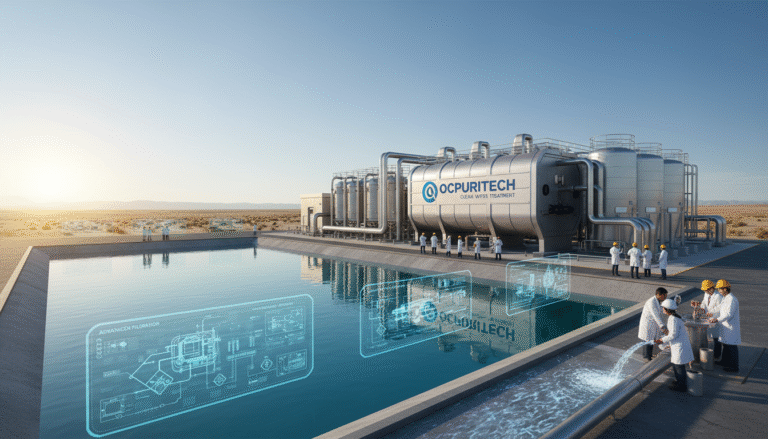
Access to safe, clean water is essential for health, industrial productivity, and environmental sustainability worldwide. Among evolving water treatment technologies, reverse osmosis water treatment systems have emerged as a critical solution for ensuring high purity and consistent water quality. This article delves into the scientific principles behind these systems, highlights their key features, and presents insights into their widespread applications, demonstrating why they constitute a vital component in modern water purification strategies.
Drawing from extensive industry experience and market research, this comprehensive overview provides a deep dive into the methodology and benefits of reverse osmosis systems, aligned with global trends towards water sustainability and safety.
Application Background and Market Demand Analysis
Regions around the globe face growing challenges related to water quality degradation, driven by factors such as urban expansion, industrial discharges, and climate change. Contaminants including heavy metals, microorganisms, and chemical pollutants threaten public health and agricultural productivity.
Consumers and businesses increasingly demand reliable water purification systems that ensure safety, palatability, and environmental compliance. Heightened awareness of waterborne diseases and environmental regulations are shaping water treatment needs, with a sharp focus on technologies capable of delivering consistent, high-quality output while minimizing waste and operational complexity.
Technical Principles of Reverse Osmosis Water Treatment Systems
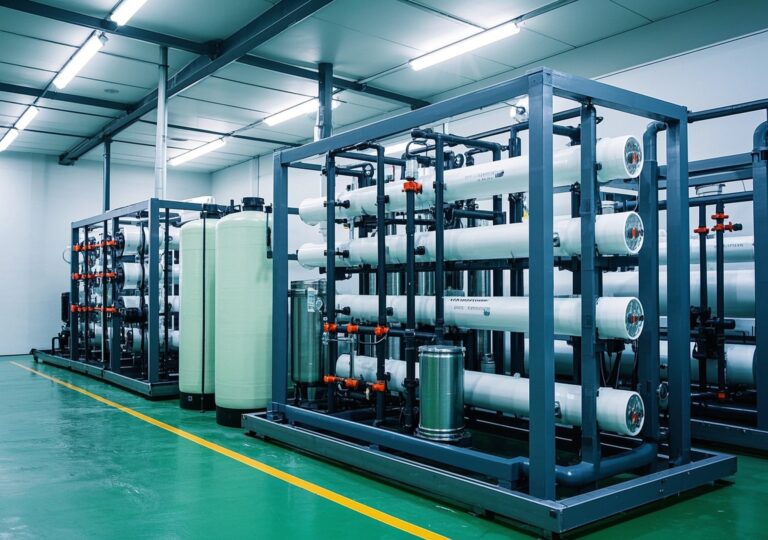
At its core, reverse osmosis employs a semi-permeable membrane that separates impurities from water by applying pressure greater than osmotic pressure. This process drives water molecules through the membrane while blocking dissolved solids, microorganisms, and other contaminants.
Key components include:
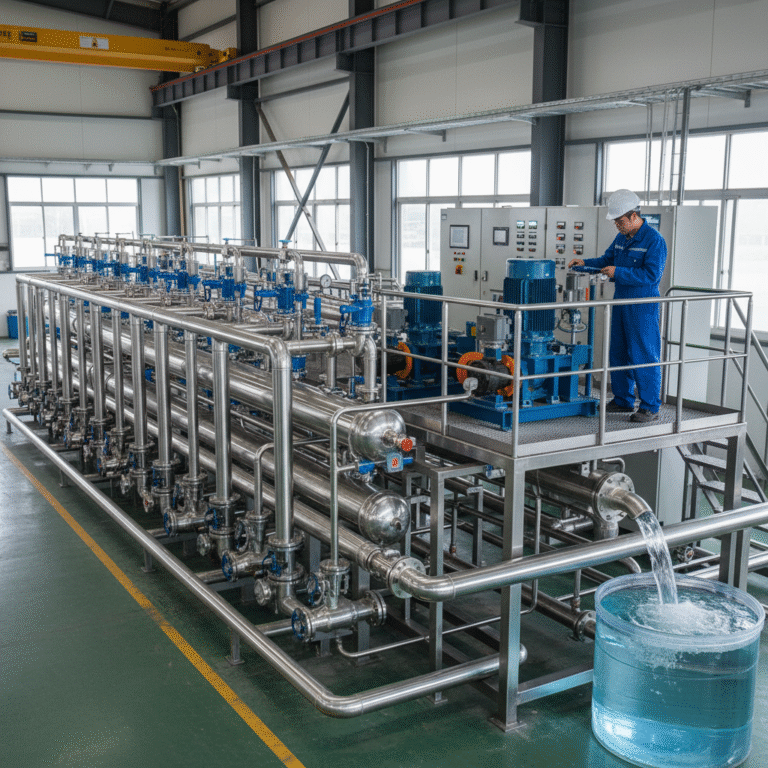
- High-pressure pump: Generates the necessary pressure to overcome osmotic forces.
- Membrane modules: Specialized membranes with pore sizes typically between 0.0001 and 0.001 microns, effectively filtering out dissolved salts, bacteria, and viruses.
- Pre-treatment system: Removes larger particulates to protect membrane integrity.
- Control and monitoring unit: Enables real-time adjustments and diagnostics to maintain optimal system performance.
This combined assembly ensures removal rates exceeding 99% for total dissolved solids (TDS), offering water that meets stringent quality standards for various uses.
Company and Product Overview
Leading enterprises in water treatment have dedicated decades to refining reverse osmosis technology, investing heavily in research and custom engineering solutions tailored to regional water characteristics. Their commitment to innovation manifests in advanced membrane formulations, energy-efficient pumps, and smart control interfaces designed to maximize system lifetime and reduce operational costs.
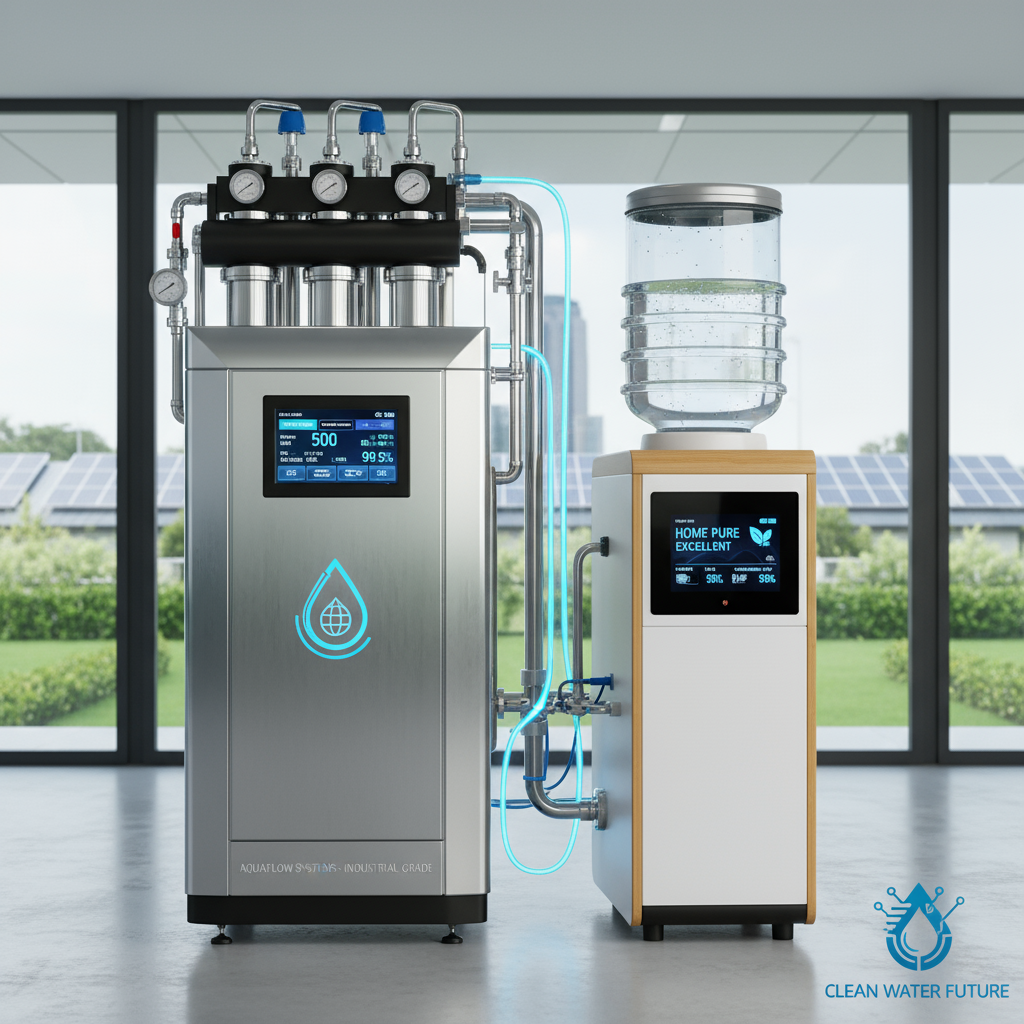
Moreover, flexible modular designs allow seamless scaling, from small-scale residential units to large industrial installations. Regional customization takes into account specific pollutant profiles and regulatory frameworks, enhancing efficacy and compliance.
Product Features and Advantages
Modern reverse osmosis systems offer several compelling benefits:
- High Purification Efficacy: Removes a broad spectrum of contaminants — including heavy metals, nitrates, and microbial pathogens — ensuring safe drinking water and process water.
- Sustainability Design: Incorporates low-energy pumps and automated flushing cycles to extend membrane life and reduce water waste, supporting zero liquid discharge goals.
- Smart Monitoring: Real-time sensors track flow rate, pressure, and water quality, facilitating proactive maintenance and minimizing downtime.
- Compact and Scalable: Space-efficient modules fit diverse installation sites, with the ability to expand capacity as demand grows.
From a health and safety perspective, these systems reliably eliminate contaminants linked to chronic illnesses and acute infections. Environmentally, they help reduce reliance on bottled water and curtail industrial wastewater pollution. Economically, clients report significant savings via lower chemical use and reduced regulatory penalties.
Multisector Application Case Studies
Here are illustrative examples showcasing broad applicability:
- Foodservice Industry: A chain of restaurants implemented reverse osmosis units for their kitchen water supply, leading to a 40% decrease in equipment scaling and a noticeable improvement in beverage taste, translating into higher customer satisfaction.
- Manufacturing Facilities: In a textile plant, installing a high-efficiency reversal osmosis system reduced total dissolved solids by over 95%, enhancing dye quality and reducing material rejection rates by 12% within the first year of operation.
- Healthcare Settings: Hospitals adopted these systems to produce ultrapure water for dialysis machines, consistently meeting ISO water purity standards and reducing maintenance-related downtime by 30%.
Each case reflects a tailored implementation strategy, underscoring the flexibility and effectiveness of reverse osmosis technology across diverse operational contexts.
Installation and Maintenance Guidance
Successful deployment hinges on meticulous installation and ongoing care. Best practices include:
- Pre-installation Assessment: Water quality testing to determine required pre-treatment and correct system sizing.
- Professional Installation: Ensures pressure vessels and membranes are correctly mounted, and piping is leak-proof.
- Regular Maintenance: Routine membrane cleaning, filter replacement, and system flushing to sustain performance.
- Local Support: Engagement with trained technicians for rapid response and tailored troubleshooting.
Clients benefit from comprehensive service agreements that include calibration, consumable supply, and software updates, minimizing operational interruptions and extending equipment life.
Competitive Comparison and After-Sales Assurance
When compared to other filtration methods such as activated carbon or UV sterilization, reverse osmosis excels in removing dissolved salts and microscopic contaminants. Its versatility allows complementing other technologies within integrated treatment systems.
Key competitive advantages include:
- Superior contaminant rejection rates
- Modular designs enabling easy expansion
- Energy-efficient operation compared to thermal distillation
Certifications from international bodies attest to product reliability and safety. Warranty coverage typically spans 1-3 years, backed by responsive technical support and customer training programs, reinforcing client confidence.
User Testimonials and Success Narratives
Feedback from end-users consistently highlights system robustness and tangible benefits:
“Since adopting the reverse osmosis system, water-related complaints have dropped significantly. Our production efficiency has improved while meeting all regulatory water quality standards.” — Industrial facility manager
“The compact design and smart alerts have empowered our maintenance team, leading to fewer breakdowns and better cost control.” — Hospital technical director
Such success stories reinforce the technology’s strong value proposition across varied sectors.
Conclusion and Call to Action
In an era defined by increasing water scarcity and pollution challenges, high-efficiency reverse osmosis water treatment systems play a pivotal role in safeguarding public health and promoting sustainable industrial practices. Their proven performance, adaptability, and eco-friendly design make them a prudent investment for organizations and households striving for water safety and quality.
For stakeholders looking to enhance water purification infrastructure, exploring reverse osmosis solutions aligned with specific water quality challenges and operational needs is a forward-thinking step. Engaging with water treatment professionals to assess and tailor system configurations can unlock substantial benefits and secure long-term resource sustainability.
References
- Grand View Research – Water and Wastewater Treatment Equipment Market Analysis, 2030
- Research and Markets – Industrial Wastewater Treatment Equipment Market Size and Forecast, 2024-2029