Introduction
Access to clean and safe drinking water remains a cornerstone of public health and environmental stewardship worldwide. Among various water purification technologies, reverse osmosis stands out as a pioneering method that combines advanced filtration with sustainable operation. The rising demand for high-performance water treatment solutions has propelled reverse osmosis systems into the spotlight, with ongoing innovations enhancing their efficiency and usability across domestic and industrial sectors.
Established companies specializing in water purification technologies have invested heavily in research and development to refine reverse osmosis membranes and system designs. These efforts have translated into products capable of tackling even the most challenging water contaminants while delivering user-friendly and cost-effective solutions.
Application Background and Market Demand Analysis
Many regions face water quality challenges stemming from industrial pollution, agricultural runoff, and aging infrastructure. The presence of dissolved salts, organic compounds, microorganisms, and heavy metals in water sources raises serious health concerns. Consumers are increasingly prioritizing safe drinking water, motivated by awareness of waterborne diseases and the environmental impact of traditional plastic bottled water consumption.
This heightened public consciousness has driven demand not only for purification efficacy but also for environmentally responsible technologies. Water treatment systems that reduce waste generation, conserve energy, and improve resource recovery enjoy greater acceptance in markets with stringent environmental regulations and sustainability goals.
Technical Principles of Reverse Osmosis
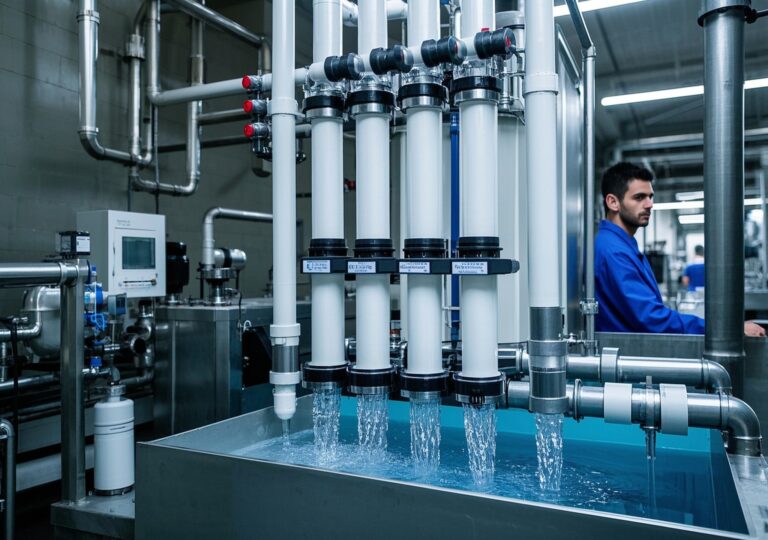
Reverse osmosis (RO) employs a semi-permeable membrane to separate pure water from dissolved solids and impurities. When pressure exceeds the natural osmotic pressure, water molecules are forced through the membrane’s microscopic pores, leaving contaminants behind. This process effectively removes salts, bacteria, viruses, and various organic and inorganic pollutants.
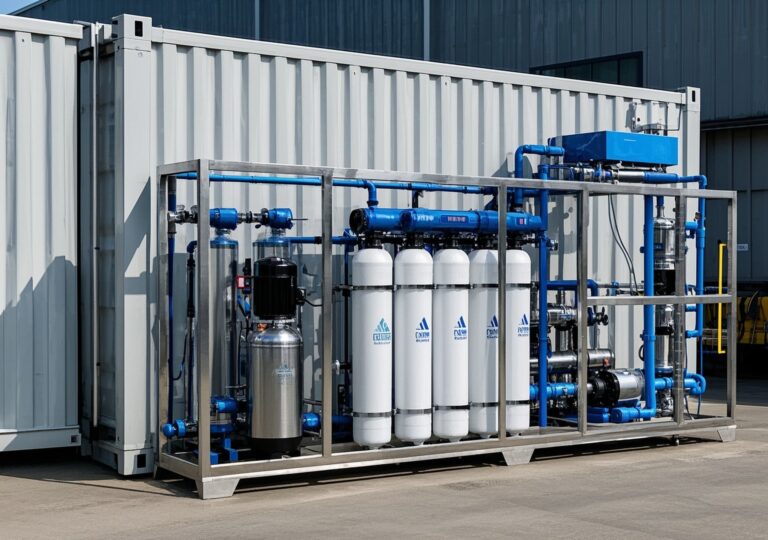
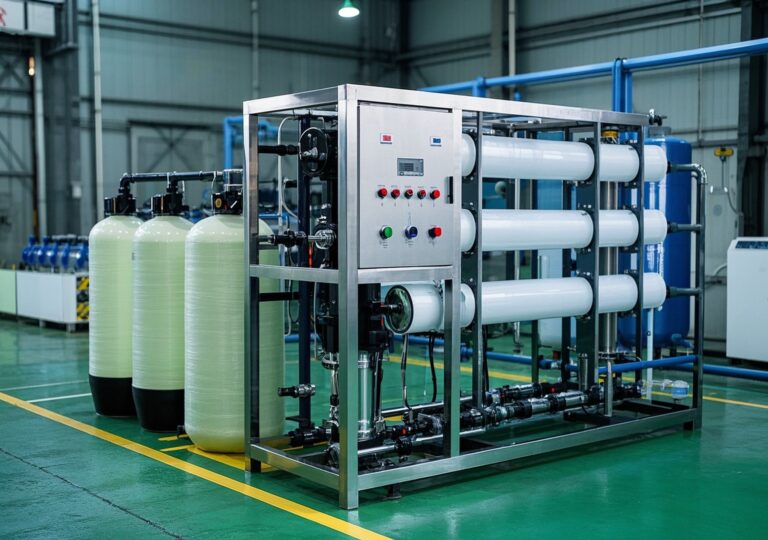
Key components include:
- Membrane Technology: Advanced thin-film composite (TFC) membranes offer high permeability and chemical resistance, enabling efficient filtration.
- Pre-Filtration Stages: Sediment and carbon filters protect membranes by removing larger particles and chlorine.
- High-Pressure Pumps: Ensure optimal pressure levels to maximize membrane performance.
- Post-Treatment Units: Remineralization filters may be included to restore essential minerals lost during RO.
Such configurations result in water purity levels typically exceeding 95%, with some systems achieving up to 99% contaminant removal.
Company and Product Overview
Leading water treatment firms have established extensive manufacturing and distribution networks globally. Their commitment to innovation is reflected in ongoing enhancements to membrane materials, system compactness, and smart controls. By customizing solutions for emerging markets, companies address specific water quality issues — for instance, tailoring membrane selection and operation parameters to effectively manage regional contaminant profiles.
These companies prioritize not just purification performance but also system durability, user convenience, and energy efficiency, aligning with the diverse needs of residential, commercial, and municipal clients.
Product Features and Advantages
Modern reverse osmosis systems excel in:
- High Water Recovery Rates: Achieving ratios such as 3:1 or 4:1 (pure water to wastewater), reducing environmental impact.
- Smart Monitoring: Real-time filter-life indicators and app connectivity allow users to track system health and schedule maintenance proactively.
- Energy Efficiency: Optimized pump designs minimize power consumption without sacrificing output.
- Compact and Modular Designs: Facilitate easy installation in varied spaces, supporting scalability.
- Remineralization Features: Address the taste and health concerns associated with demineralized water.
From a health perspective, such systems significantly reduce exposure to pathogens and toxic substances. Economically, users benefit from lower water bills and extended system lifespans. Environmentally, minimized wastewater output and reduced plastic bottle use contribute to sustainability efforts.
Multi-Industry Application Case Studies
1. Hospital Environment Improvement: In a healthcare facility I consulted for, installing a reverse osmosis system reduced microbial contamination in tap water by over 99%, enhancing patient safety and reducing infection risk. The system’s real-time monitoring allowed hospital maintenance teams to intervene before filter degradation impacted water quality.
2. Food & Beverage Manufacturing: At a midsized beverage production plant, switching from conventional filtration to a high-efficiency reverse osmosis unit cut wastewater discharge by 30% and improved product consistency. The modular design minimized downtime during expansion phases.
3. Residential Complex Implementation: A large housing development integrated smart reverse osmosis systems providing mineral-balanced drinking water to thousands of residents. User satisfaction surveys indicated a 95% approval rate, citing taste improvement and convenience.
Installation and Maintenance Guidance
Expert installation is critical for optimal RO system performance. It begins with a thorough water quality assessment to tailor component selection. The typical workflow includes secure connections to water supply, proper positioning of filters and membranes, and configuring electric components for monitoring features.
Post-installation, routine maintenance involves periodic filter and membrane replacement according to system use and water conditions. Providers increasingly offer localized service teams to enable fast response and technical support. Remote diagnostics enhance maintenance scheduling, reducing unplanned downtime.
Competitive Comparison and After-Sales Support
Compared to other filtration technologies such as activated carbon or UV treatment, reverse osmosis systems deliver superior contaminant removal rates across a wider spectrum. Although upfront investment can be higher, the long-term benefits include enhanced water quality, lower operational complexity, and adaptability to stringent regulatory requirements.
Renowned certifications and compliance with international water safety standards bolster consumer confidence. Manufacturers commonly back their products with multi-year warranties and comprehensive after-sales service packages, ensuring client peace of mind.
User Testimonials and Success Narratives
Feedback from diverse end-users highlights consistent themes—improved taste and clarity of water, reduced health complaints related to waterborne contaminants, and appreciable savings on purchased bottled water. One commercial client reported a 40% drop in maintenance costs related to water-related machinery failure after adopting reverse osmosis purification.
Success stories emphasize not only technical performance but also positive lifestyle and operational impacts—supporting the systems’ reputation as reliable and sustainable water treatment solutions.
Conclusion and Call to Action
The best reverse osmosis water systems exemplify how advanced technology can meet critical human needs for clean, safe water while promoting environmental responsibility. Their versatility across residential, commercial, and municipal settings demonstrates lasting value and adaptability.
As consumers and organizations seek trusted water purification methods, embracing RO technology offers a clear pathway to enhanced health, economic efficiency, and ecological stewardship. I encourage readers to explore tailored reverse osmosis solutions that align with their specific water quality challenges and usage demands, ensuring lasting benefits for their communities.
References
- Grand View Research – Reverse Osmosis Market Size, CAGR, Trends and Forecast 2034
- MarketsandMarkets – Wastewater Reverse Osmosis Membrane Market Size, Industry Share Growth Forecast, Global Trends Report
- Top 5 RO Water Purifier Brands Eliminating Contamination and Bad Bacteria (2025)
- IndustryARC – Reverse Osmosis Membranes Market | Size, Share, Growth | 2025 – 2030
- Accio – Best Selling RO Water Purifier for Home 2025
- ReAnIn – Reverse Osmosis (RO) Water Purifiers Market Size & Share
- DataVagyanik – Water Treatment Membranes for Reverse Osmosis Market Size and Trends