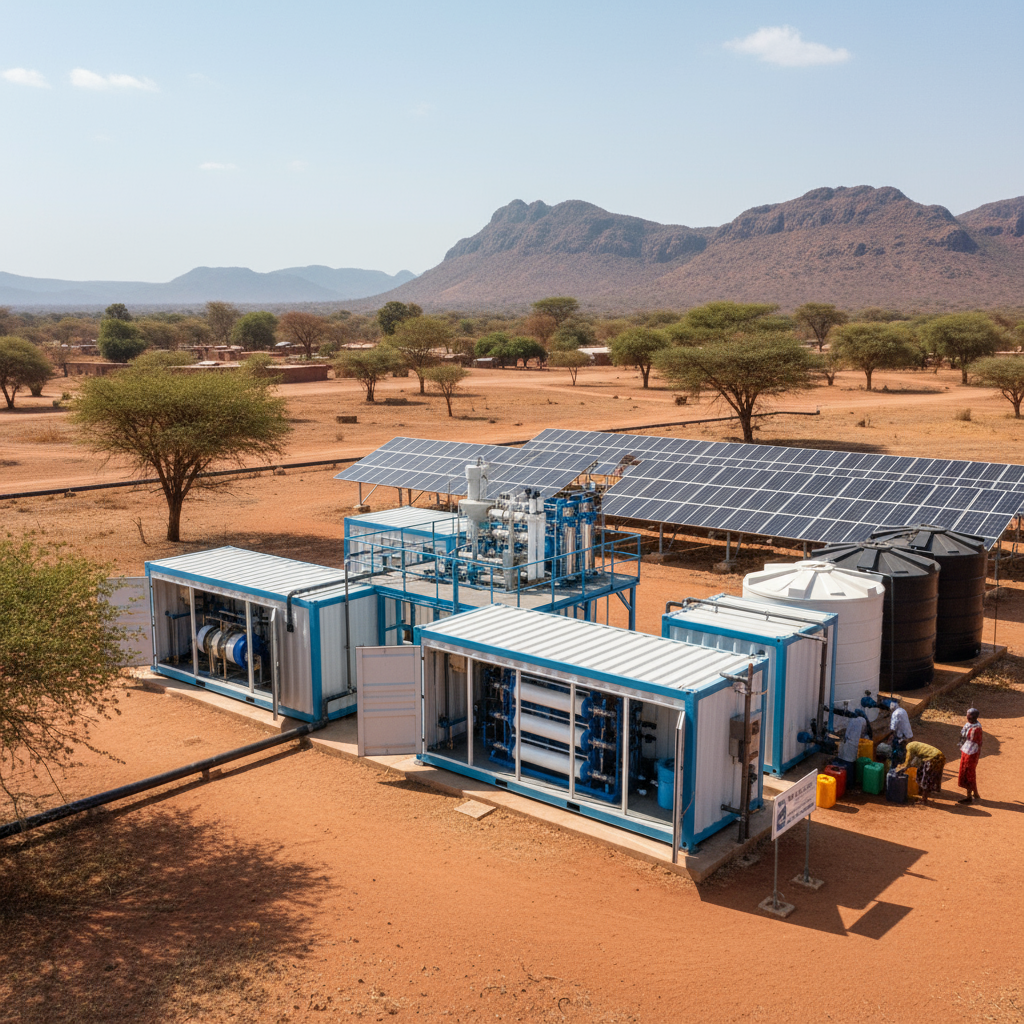
Introduction: Addressing Drinking Water Safety in Water-Scarce Regions
Access to safe drinking water remains a critical challenge in many water-stressed areas around the globe, particularly in arid regions of Africa where water scarcity directly jeopardizes public health and economic growth. Countries confronting chronic drought, groundwater depletion, and infrastructure deficits face elevated risks of waterborne diseases and social instability. In such contexts, the emergence of advanced water treatment technologies and comprehensive water treatment machinery companies has been transformational.
A water treatment machinery company plays an indispensable role by delivering reliable, efficient, and sustainable systems that convert contaminated or brackish water into potable water meeting rigorous safety standards. These organizations bring engineering expertise, technical innovation, and operational excellence to communities and industries alike, helping bridge the gap between limited natural resources and rising water demand.
This article delves into how water treatment machinery companies drive drinking water safety by deploying cutting-edge purification technologies, designing tailored plant solutions aligned with local needs, and delivering measurable social and economic benefits. Combining authoritative market insights with practical experience, it highlights key technologies, regional challenges, design principles, and successful implementations, aiming to inform stakeholders about the transformative potential of modern water treatment solutions.
Image placeholder: Overview illustration of water scarcity and drinking water safety challenges
Core Water Purification Technologies and Equipment
Central to the mission of a water treatment machinery company is the deployment of proven purification technologies tailored to raw water quality, required output, and regulatory standards. Among the most widely implemented systems are:
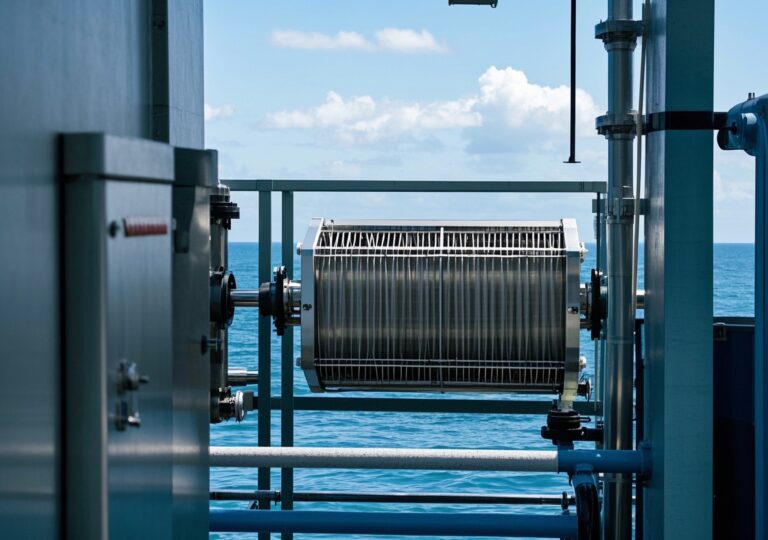
- Reverse Osmosis (RO): A membrane filtration process that removes dissolved salts, bacteria, viruses, and organic molecules by forcing water through semipermeable membranes. RO is the backbone of desalination plants and advanced drinking water facilities.
- Ultrafiltration (UF): Utilizing micro-porous membranes, UF effectively removes suspended solids, pathogens, and colloidal materials without removing dissolved salts. It serves as a robust pre-treatment or standalone solution for turbidity and microbial control.
- Electrodeionization (EDI): An electrical process that continuously removes ionized species from water post-RO treatment to produce ultra-pure water for sensitive applications such as pharmaceuticals or microelectronics.
- Activated Carbon Filtration: Provides adsorption of chlorine, organic compounds, unpleasant tastes, and odors.
- UV Disinfection and Chlorination: Ensure final microbial safety by inactivating pathogens.
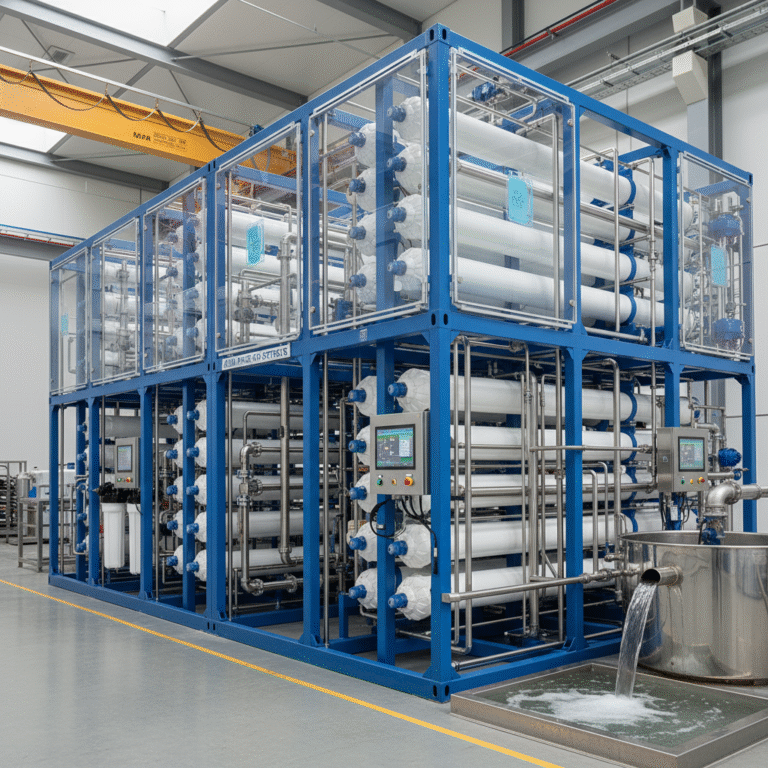
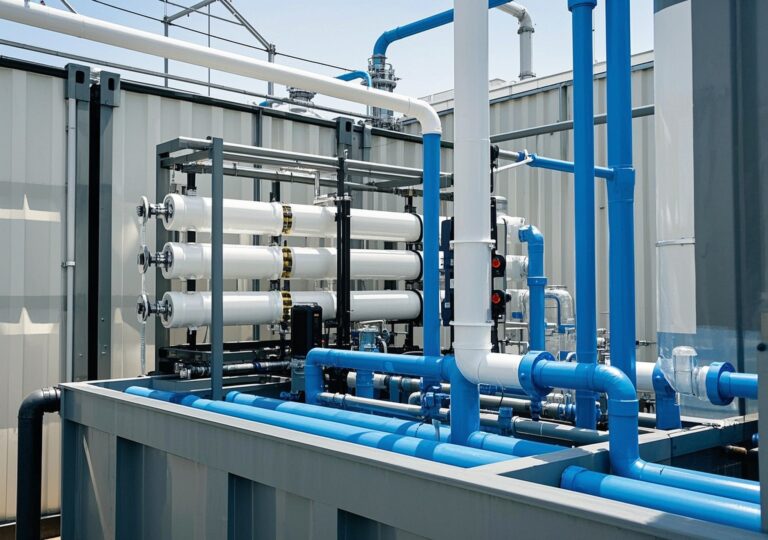
Integrating these technologies into modular water treatment plants enables customized solutions, optimized for energy consumption, footprint, and operating costs. Advanced instrumentation and controls allow real-time monitoring, automated process adjustments, and predictive maintenance—maximizing uptime and water quality compliance.
Image placeholder: Diagram showing combined water treatment processes (RO, UF, EDI, filtration)
Regional Water Resource Challenges and Market Demand
Water scarcity spreads across vast territories where fluctuating rainfall patterns, increasing evaporation rates, and population growth intensify stresses on available sources. In arid regions of Africa, surface water is often unreliable or heavily polluted, while groundwater extraction faces depletion risks and quality issues such as salinity or heavy metals.
These geographical and climatic hurdles impose limits on water availability, directly impacting agriculture, industry, and domestic consumption. Insufficient access to potable water catalyzes public health crises, dampens productivity, and fuels urban migration. It also increases reliance on expensive and inefficient water supplementation methods.
Against this backdrop, there is heightened demand for <$strong>water treatment machinery company-provided technologies that can:
- Utilize desalination to convert saline or brackish waters into safe drinking water.
- Deploy modular, scalable plants suitable for remote or low-infrastructure areas.
- Incorporate energy-efficient designs leveraging renewable resources where possible.
- Integrate smart monitoring to minimize downtime and operating expenses.
Market research indicates that leading industrial water treatment providers like Veolia, Ecolab, and Xylem dominate this field due to their comprehensive solutions combining equipment supply, design expertise, and operational support (Research and Markets – Industrial Water Treatment Equipment Market Size & Trends). Their role is pivotal in scaling sustainable water access in regions facing severe scarcity.
Image placeholder: Map visualizing water scarcity levels and potential treatment market zones
Drinking Water Plant Standards and Treatment Processes
Ensuring treated water complies with strict health and environmental standards is paramount. International guidelines such as those established by the World Health Organization (WHO) define permissible contaminant levels, microbiological safety criteria, and chemical thresholds.
The design of water treatment plants aligns with these standards through sequential treatment steps:
- Intake and Screening: Removal of large debris and solids to protect downstream equipment.
- Pre-Treatment: Coagulation, flocculation, and sedimentation to reduce turbidity and particulate load.
- Primary Filtration: Sand or multimedia filters to further polish water quality.
- Membrane Processes: RO and UF systems to remove dissolved solids, pathogens, and residual particulates.
- Post-Treatment: pH adjustment, disinfection with UV or chlorination, and stabilization to maintain water quality in distribution.
State-of-the-art plants conducted by a water treatment machinery company incorporate process automation, remote monitoring, and quality control checkpoints at every stage. This ensures output water fulfills drinking water directives even under variable source water conditions and operational stresses.
Customized Engineering Solutions for Varied Applications
One-size-fits-all solutions rarely address the diverse water challenges across communities or industries. Leading water treatmenters emphasize tailored engineering design to meet scale, water quality, power availability, and local environment constraints.
Key design considerations include:
- Modularity: Plants designed in containerized or skid-mounted formats facilitate rapid deployment and future expansion.
- Pre-Treatment Adaptation: Customized softening or anti-scaling modules to protect membranes based on intake water chemistry.
- Energy Management: Incorporation of renewable energy sources such as solar to reduce carbon footprint and operation costs.
- Advanced Monitoring Systems: Implementation of SCADA and IoT sensors for automated control, fault detection, and optimized maintenance scheduling.
From small rural settlements needing community-scale drinking water plants to large industrial complexes requiring zero liquid discharge systems, water treatment companies deploy robust engineering practices to ensure sustained reliability. Continuous training and local operator support further guarantee project success.
Image placeholder: Engineering schematic of modular water treatment plant
Real-World Application Cases and Impact
Drawing from my extensive involvement in multiple water treatment projects across water-stressed African regions, I have witnessed how customized machinery and expert design translate into tangible community benefits. For example, in a recent rural clean water initiative, deploying an ultrafiltration-RO hybrid plant improved water quality indicators by over 98%, reduced incidence of waterborne diseases by 40% within a year, and enhanced local school attendance due to fewer health-related absences.
Another industrial client faced critical challenges with saline groundwater impacting pesticide production. Installation of a tailor-made membrane demineralization and electrodialysis treatment system delivered a 50% increase in production capacity by ensuring consistent process water quality, while cutting water costs by 25%.
These cases exemplify how a reliable water treatment machinery company not only addresses technical specifications but also drives social and economic development through water security. Beyond equipment supply, the partnership model includes training, performance guarantees, and lifecycle support, which fosters trust and sustainable outcomes.
Conclusion and Call to Action
In conclusion, the strategic role of water treatment machinery companies in securing drinking water safety cannot be overstated, especially in regions plagued by acute water scarcity. Combining state-of-the-art purification technologies with tailored engineering design and diligent operational support, these companies enable communities and industries to access safe, reliable water critical for health and prosperity.
Stakeholders looking to implement or upgrade drinking water systems are encouraged to engage with experienced water treatment partners that offer integrated solutions—from feasibility studies through commissioning and beyond. Collaborative approaches leveraging cutting-edge innovation, local needs assessment, and sustainability principles will be key to overcoming future water challenges.
For detailed consultations or to explore customized water treatment solutions, do not hesitate to reach out to professional water treatment machinery specialists who understand both global best practices and local realities.
References
- Research and Markets – Industrial Water Treatment Equipment Market Size & Trends
- Grand View Research – Industrial Water Treatment Market Size | Industry Report 2033
- MarketsandMarkets – Water Treatment Chemicals Companies
- IG International – The Best Water Stocks to Watch (Water Industry Analysis)