The modern industrial landscape demands innovative and reliable water purification solutions capable of addressing stringent quality requirements. A water reverse osmosis system stands at the forefront of these technologies, offering unparalleled performance in removing dissolved solids, contaminants, and microorganisms from water sources. This article delves into the comprehensive features, technical workings, industry applications, and economic considerations of commercial and industrial reverse osmosis (RO) water treatment units, illustrating how they play a pivotal role in advancing business success in competitive markets.
Introduction: Understanding Reverse Osmosis in Industrial Water Treatment
Reverse osmosis is a membrane filtration technique that forces water through a semi-permeable membrane, eliminating impurities such as salts, organic molecules, and bacteria. Originally developed for seawater desalination, commercial and industrial water reverse osmosis systems have rapidly expanded their applications across various sectors including food and beverage, pharmaceuticals, textiles, hospitality, and manufacturing.
The importance of these systems lies in their ability to consistently deliver high-quality purified water, which is essential for product quality, regulatory compliance, equipment longevity, and environmental sustainability. As strict water usage regulations evolve and industries emphasize operational efficiency and eco-friendly practices, the adoption of advanced RO solutions becomes a strategic imperative.
Equipment Overview and Core Performance Advantages
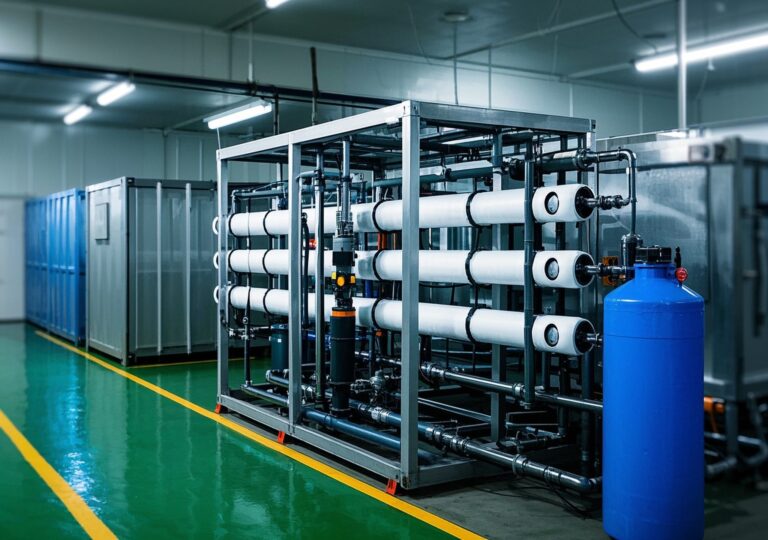
Industrial reverse osmosis water treatment equipment is engineered to handle high volumes ranging from tens of thousands to several hundred thousand gallons per day, addressing diverse commercial and industrial water demands. Key performance advantages include:
- High Purification Efficiency: Removal rates exceeding 99% for dissolved salts and up to 99.9% for bacteria and viruses.
- Energy Efficiency: Optimized hydraulic design and energy recovery devices reduce operational costs.
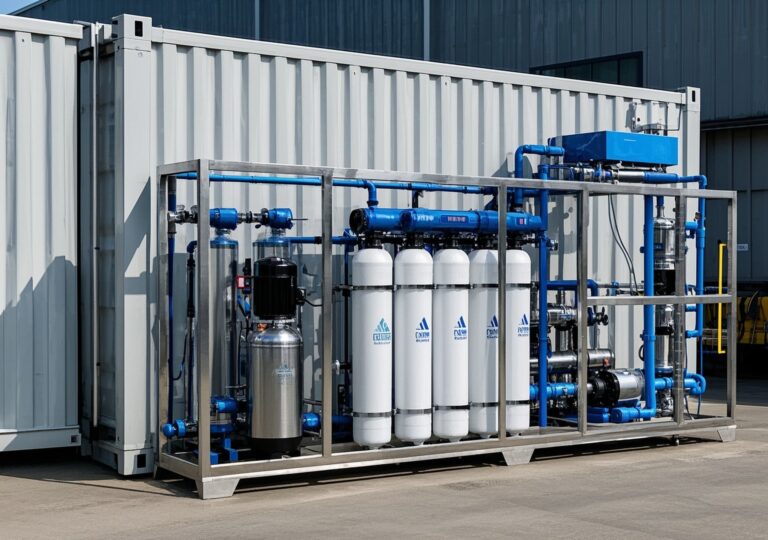
- Scalability & Modular Design: Facilitates customization for specific flow rates, water qualities, and site constraints.
- Durability: Use of corrosion-resistant materials and advanced membrane technology ensuring long service life.
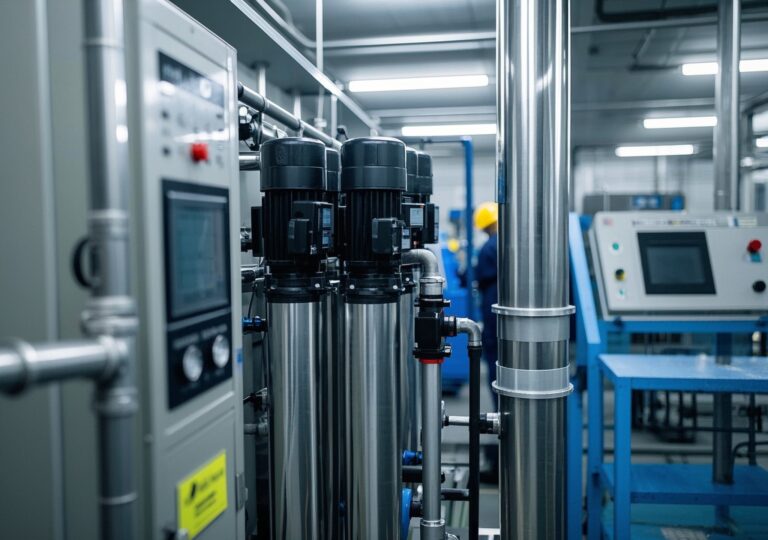
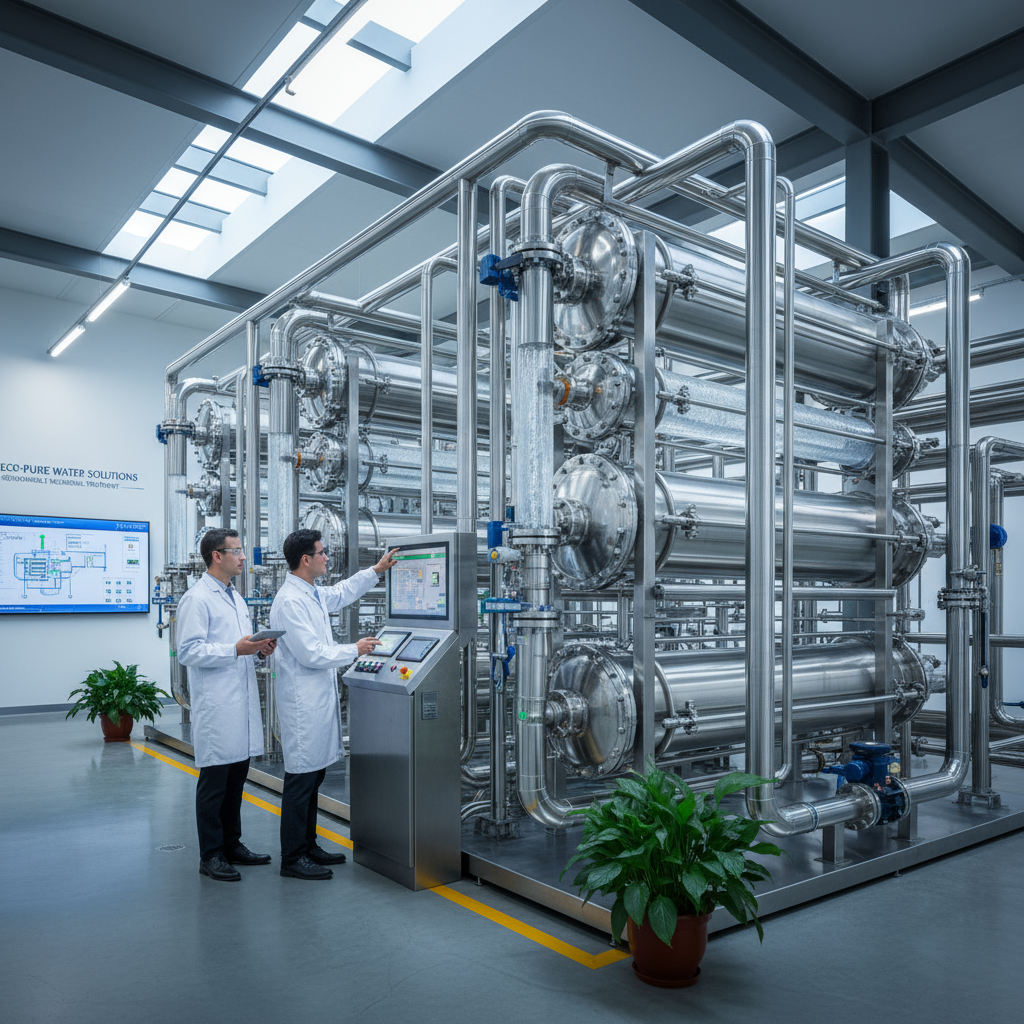
- Automation & Monitoring: Integrated control systems for real-time parameters monitoring enhancing reliability and ease of operation.
According to Research and Markets (“Reverse Osmosis (RO) Systems – Global Strategic Business Report”), the global market is projected to accelerate from USD 21.1 billion in 2025 to USD 56.6 billion by 2034, driven by increasing demand for clean water solutions across industrial sectors.
Process Flow of a Water Reverse Osmosis System
The operational workflow of an advanced industrial reverse osmosis system follows a multi-stage process to ensure maximum water purity and system protection:
| Stage | Description | Key Elements |
|---|---|---|
| 1. Pre-treatment | Removal of suspended solids, chlorine, and hardness to protect RO membranes. | Multimedia filters, activated carbon filters, water softeners |
| 2. High-pressure Pumping | Pressurizes feed water to required operating pressure (often 150-600 psi). | High-pressure centrifugal or positive displacement pumps |
| 3. Reverse Osmosis Membrane Filtration | Water forced through membranes; salts, organics, and microorganisms are separated. | Thin-film composite membranes arranged in pressure vessels |
| 4. Post-treatment | Stabilizes water quality, pH adjustment, disinfection, and polishing. | Mixed bed deionizers, UV sterilizers, chemical dosing |
A flowchart depicting the above steps helps visualize the treatment sequence and the protective role of each subcomponent in optimizing membrane lifespan and water quality.
Key Components Explained
Understanding individual elements is crucial for appreciating the system’s robustness and tailorability:
- Multimedia Filters: Utilize layers of sand, gravel, and anthracite to remove suspended solids and turbidity. These filters extend membrane life by protecting against fouling.
- Activated Carbon Filters: Eliminate chlorine and organic chemicals that degrade membrane integrity. High adsorptive capacity carbons ensure removal of taste and odor compounds.
- Water Softeners: Soften hard water by exchanging calcium and magnesium ions with sodium, preventing scaling on membrane surfaces.
- High-pressure Pumps: Engineered for stable hydraulic output, these pumps maintain necessary pressure for effective membrane function with minimal energy consumption.
- Membrane Elements: Typically thin-film composite membranes offering superior salt rejection and chemical resistance. Configured in arrays to reach designed flow and recovery rates.
Membrane Technology and Maintenance Recommendations
The membrane is the heart of any water reverse osmosis system. Several membrane types exist, each optimized for certain feed water qualities and operational conditions:
- Standard Thin-Film Composite (TFC) Membranes: Robust salt rejection, effective against organic and microbial contaminants. Ideal for municipal and surface water feed.
- High-Rejection Membranes: Designed for challenging water with high total dissolved solids (TDS), providing rejection rates above 99.8%.
- Low-Pressure Membranes: Suitable for brackish water, enabling energy savings with reduced feed pressure requirements.
Maintenance best practices include routine cleaning with alkaline and acidic chemicals to remove scaling and fouling, monitoring of differential pressures, and periodic membrane replacement typically every 3-5 years depending on feed water quality and system conditions.
Implementing a preventive maintenance plan not only extends membrane life but also ensures consistent product water quality, directly impacting process stability.
Post-Treatment Technologies to Guarantee Water Quality
Following RO filtration, several water polishing steps may be incorporated based on application needs:
- Mixed Bed Deionization (MBDI): Removes residual ionic impurities by ion-exchange resins, achieving ultra-pure water quality for sensitive industrial processes.
- Electrodeionization (EDI): Provides continuous ion removal without chemical regenerants, making it an environmentally preferred option.
- UV Sterilization: Employs ultraviolet light to deactivate pathogenic microorganisms that may have bypassed membranes or re-contaminated product water.
These treatments elevate water quality to meet stringent standards in pharmaceutical, electronics, and food-grade water applications.
Typical Industry Applications and Usage Scenarios
Over my consulting career, I have observed the transformative impact of RO systems in multiple sectors:
- Food & Beverage: A bottling facility adopted an advanced RO system to reduce mineral content and contaminants, improving taste consistency and extending equipment lifespan. Water recovery rates reached 75%, reducing raw water costs by 20%.
- Pharmaceuticals: In a sterile manufacturing plant, coupling RO with mixed bed deionization ensured ultrapure water critical for formulations, helping achieve regulatory compliance with zero batch rejections over 12 months.
- Textile Industry: Installation of a water softening RO system curtailed membrane scaling, enabling dye process consistency and lowering chemical usage by 15%.
- Hospitality Sector: Hotels upgraded their water systems with compact RO units, improving guest water safety and reducing maintenance visits by 30%.
These cases highlight how optimized water reverse osmosis systems elevate operational excellence and regulatory conformity across varied industrial demands.
Factors Influencing Pricing and Investment Decisions
Investment in industrial RO systems requires careful evaluation of several cost components:
| Cost Factor | Impact | Considerations |
|---|---|---|
| Component Quality | Directly affects system durability and maintenance frequency | Premium membranes, stainless steel frames versus cheaper materials |
| Customization Level | Higher customization increases upfront cost but improves process alignment | Tailored flow rates, feed water conditioning, automation features |
| Operational Expenses | Energy and chemical use drive ongoing costs | Energy recovery devices and efficient pumps mitigate expenses |
| Financing and Support Options | Can influence cash flow and total cost of ownership | Leasing, service contracts, and warranties |
From my experience advising manufacturing clients, selecting mid-tier membrane technology paired with standard automation often strikes an effective balance between performance and cost, achieving ROI within 2.5 years.
Installation Processes and After-Sales Support Framework
Successful deployment begins with thorough site assessment and clear preparation guidelines, including appropriate utilities availability, space allocation, and water quality testing. Professional installation ensures compliance with safety and process standards, with systematic commissioning to verify system integrity.
After-sales services are equally critical. Leading suppliers offer operational training, remote or on-site troubleshooting, regular maintenance visits, and readily available spare parts. These services minimize downtime risks and optimize system lifespan.
Maintenance Protocols and Troubleshooting Tips
Regular maintenance is the backbone of reliable RO system performance. Recommended practices include:
- Daily monitoring of feed and permeate water quality parameters
- Monthly checks on pressure differentials across membranes
- Scheduled cleaning cycles using manufacturer-recommended chemicals
- Replacement of pre-filters every 6-12 months depending on water conditions
Common issues such as membrane fouling, scaling, or pump malfunctions can often be diagnosed by parameter anomalies and visual inspections. Having a stocked inventory of critical spare parts, such as membranes, filters, and pump seals, expedites repairs and reduces operational interruptions.
Manufacturers and Market Positioning
Top-tier manufacturers of commercial and industrial RO equipment have robust production capabilities and adhere to international quality and environmental standards such as ISO and NSF certifications. These manufacturers support large-scale deployments globally, often accompanying product offerings with customized engineering services and digital monitoring platforms.
Their strategic focus on continuous innovation aligns with industry trends toward energy efficiency, membrane longevity, and sustainability—qualities increasingly valued in B2B procurement decisions.
Conclusion: Unlocking Business Value Through Advanced Reverse Osmosis Systems
Choosing the right water reverse osmosis system translates into consistent high-quality water supply, regulatory compliance, reduced environmental footprints, and long-term cost savings. By leveraging cutting-edge membrane technologies, comprehensive pre- and post-treatment solutions, and expert service support, industries can elevate operational performance and market competitiveness.
As global demand for purified water escalates, embracing these reliable and scalable RO systems becomes an essential strategy for forward-thinking businesses seeking sustained success.
For companies aiming to optimize their water treatment infrastructure, a tailored consultation to assess specific water quality challenges and operational needs is highly advisable. Investment in modern RO technology is not merely a compliance necessity but a catalyst for enhanced productivity and sustainable growth.
Sources:
- Research and Markets – Reverse Osmosis (RO) Systems – Global Strategic Business Report, May 2025
- Data Insights Market – Industrial Reverse Osmosis Water Filtration System Trends and Forecast 2025-2034
- Grand View Research – Commercial Reverse Osmosis Water Filtration System Market Overview, July 2025