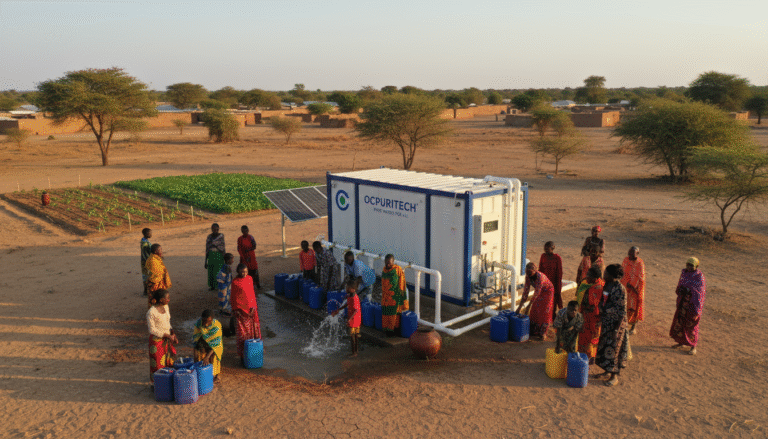
In many remote and water-stressed regions around the globe, access to safe drinking water remains a pressing challenge that directly impacts public health, economic growth, and social stability. With increasing population pressures and climate variability, efficient water management has never been more critical. RO water treatment equipment offers a transformative solution for these remote areas by cutting operational costs, optimizing resource usage, and ensuring reliable access to clean water. This article delves into the role that advanced water treatment technologies play in addressing water scarcity and quality concerns, particularly looking at applications in underserved regions.
Globally, water scarcity affects billions, notably in parts of Sub-Saharan Africa where drought and limited renewable freshwater resources exacerbate the problem. According to recent data from the United Nations World Water Development Report (2023), countries such as Kenya are experiencing water stress levels of approximately 33%, withdrawing over 25% of their renewable freshwater supplies. This level of water extraction is unsustainable and leads to critical shortages with severe social and economic consequences.
“Kenya currently faces a water stress level of 33% and has been considered water-stressed since 2010, withdrawing more than 25% of its renewable freshwater resources.”
– United Nations World Water Development Report 2023
Moreover, inadequate access to safely managed drinking water services significantly elevates health risks. Reports from WHO and UNICEF highlight that unsafe drinking water is a major driver of diarrheal diseases, particularly affecting children under five, leading to high mortality rates in rural and urban disadvantaged communities.
Advanced Water Treatment Technologies: Types and Functionalities
The evolution of water treatment equipment has led to sophisticated systems capable of delivering high-quality potable water even in challenging environments. Core technologies include reverse osmosis (RO), ultrafiltration (UF), and electro-deionization (EDI), each targeting specific contaminants while offering operational advantages tailored to diverse water qualities.
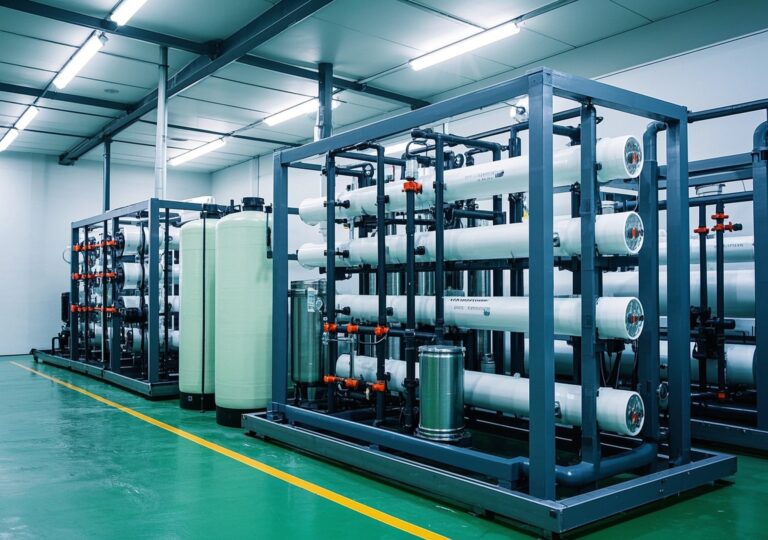
Reverse osmosis systems, for instance, provide robust removal of Total Dissolved Solids (TDS), heavy metals such as arsenic, fluoride, and microbiological contaminants. These systems employ semipermeable membranes that filter out over 95% of undesirable substances, making them ideal for treating brackish or high-salinity water commonly found in arid regions.
Ultrafiltration complements RO by efficiently removing suspended solids, colloids, and bacteria, serving as a critical pre-treatment step that extends membrane life. Electro-deionization further polishes water by removing ionic species without chemical regenerants, enabling energy-efficient purification in modular configurations.
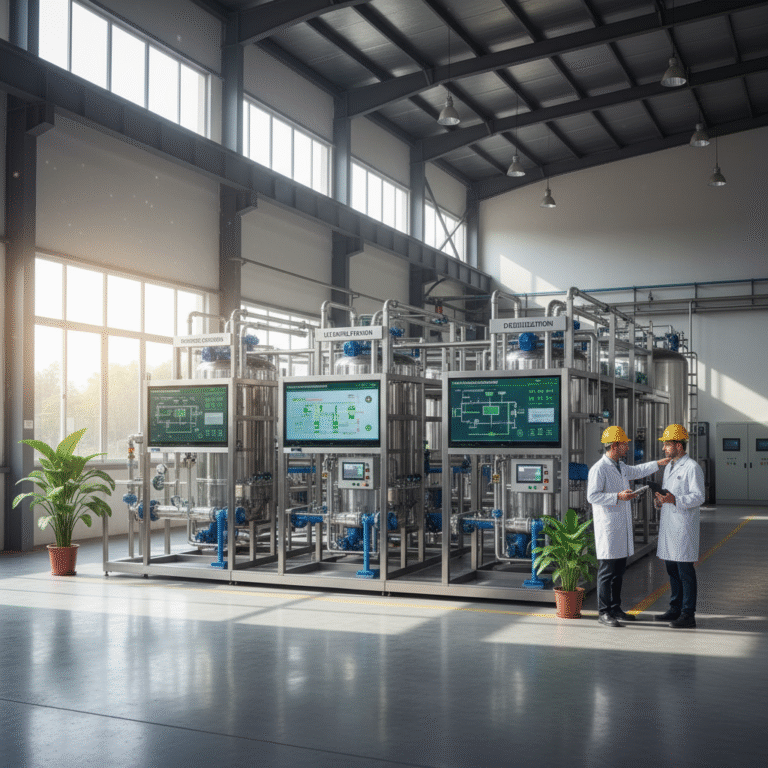
Integrating sensor-based smart controls and remote monitoring enables operators to optimize performance dynamically, reduce energy consumption, and schedule maintenance proactively. Such automation is particularly advantageous in remote installations where onsite technical expertise may be limited.
Regional Water Resource Challenges and Market Needs
Regions suffering from persistent water scarcity often experience harsh climatic conditions, including prolonged dry spells and limited surface water availability. These constraints directly affect domestic water access, agriculture, and industrial development, curtailing economic opportunities and undermining community wellbeing.
For example, in East African countries like Kenya, rainfall variability paired with overexploitation of groundwater sources heightens vulnerability. Communities reliant on contaminated or saline water sources face health hazards and incur costs associated with illness and livestock losses.
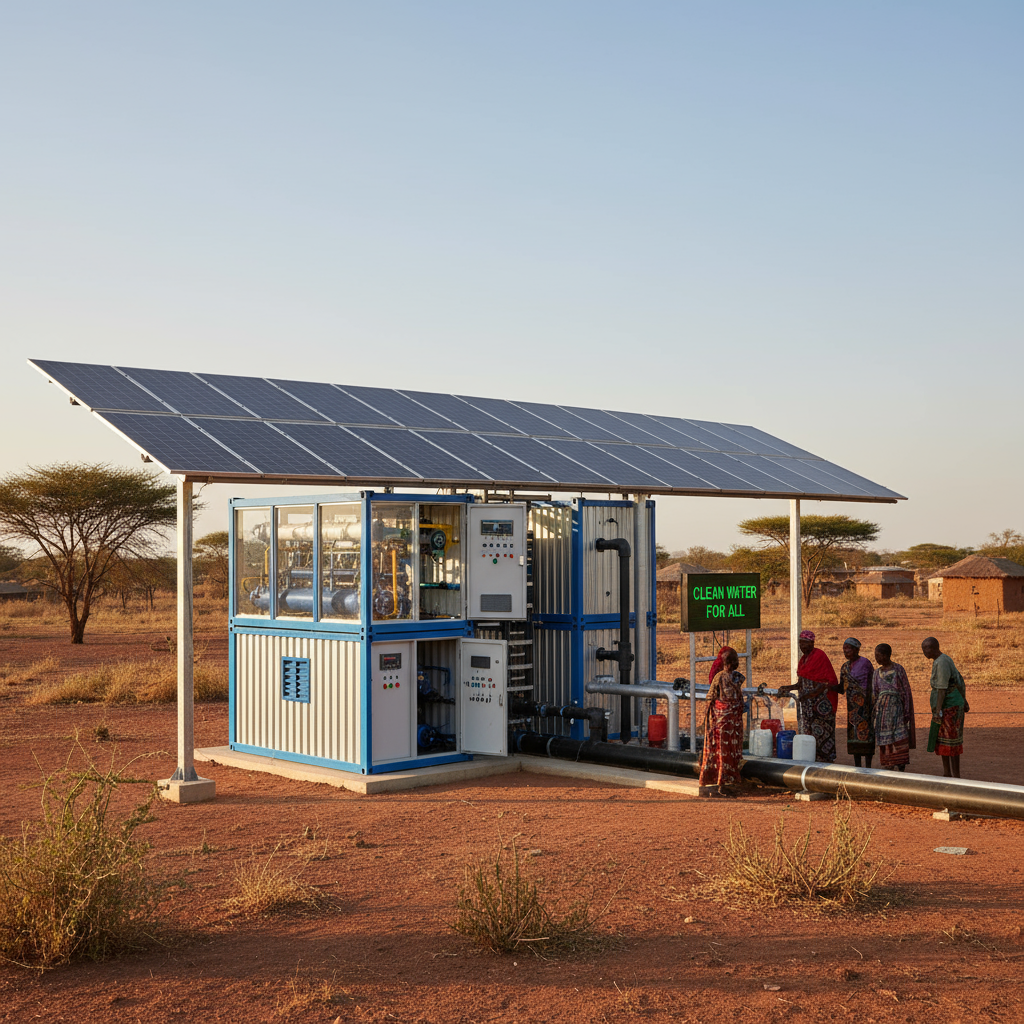
Smart water treatment equipment addresses these challenges by offering tailored solutions for different water qualities and user needs. Their modular nature allows deployment both at community-scale drinking water plants and dispersed household systems, where traditional infrastructure is unfeasible or prohibitively expensive.
From an economic perspective, the decreasing costs of membrane materials and advances in energy-efficient pumps make these systems increasingly viable. Their capacity to reduce waterborne disease burden and improve productivity further boosts their market appeal.
Drinking Water Plant Standards and Process Flow
Compliance with international and local drinking water standards ensures that treated water is safe and acceptable for consumption. The World Health Organization’s Guidelines for Drinking-water Quality specify thresholds for key indicators such as Total Dissolved Solids (TDS), turbidity, arsenic, fluoride, and microbial contaminants.
| Parameter | WHO Guideline Value | Common Technology Effectiveness |
|---|---|---|
| Total Dissolved Solids (TDS) | 500 mg/L (Desirable) | RO removes 90-99% |
| Turbidity | < 1 NTU | Ultrafiltration reduces to below 0.1 NTU |
| Arsenic | 10 µg/L | RO removes up to 98% |
| Fluoride | 1.5 mg/L | RO removes 85-95% |
| E. coli | Absent in 100 mL | UF and RO ensures no viable bacteria |
The process flow typically begins with pre-treatment stages such as screening and sediment filtration, followed by ultrafiltration to remove particulates and microorganisms. Reverse osmosis then addresses dissolved chemicals and salts. For optimized operations, continuous monitoring of water quality parameters is essential, especially when serving vulnerable populations.
Tailored Water Treatment Engineering Design Solutions
Designing water treatment plants for remote or resource-limited areas requires customization to local water chemistry, demand, and infrastructure constraints. I have overseen projects where integrating softening units before RO membranes significantly extended membrane life in regions with hard groundwater.
Moreover, modular systems equipped with IoT-enabled sensors allow remote operators to track performance indicators like flow rate, pressure differentials, and turbidity in real-time. This approach minimizes downtime and operational costs. In a remote rural installation I consulted on in northern Kenya, automated alerts enabled timely maintenance, reducing system outages by 40% over a year.
Advanced control systems can also facilitate automatic chemical dosing and backwash cycles for ultrafiltration membranes, further improving water quality stability and service reliability.
Practical Application Cases and Benefit Showcase
In one notable project serving a community of approximately 15,000 residents in semi-arid Kenya, the deployment of intelligent RO-based water treatment reduced operational costs by an estimated 30% compared to conventional setups. The system achieved consistent compliance with WHO drinking water standards, markedly improving local health outcomes and school attendance rates.
Another case involved a mining operation requiring high-quality process water in a remote area with brackish groundwater. Customized electrodialysis units combined with RO and advanced monitoring decreased water procurement costs by 25%, while increasing treatment capacity by 20%, delivering significant ROI within two years.
“Deployment of smart water treatment equipment in remote sites has proven not only a sustainable solution but also an economic catalyst by reducing downtime and achieving higher water quality consistency.”
These cases underscore the essential role of smart water treatment equipment in enhancing resilience and promoting economic development in water-challenged regions.
Conclusion and Call to Action
The imperative to provide safe, affordable, and sustainable drinking water in remote and water-scarce areas has never been more urgent. Smart water treatment equipment offers a viable pathway to reduce costs, improve water quality, and support community health and economic growth.
Stakeholders—from governments to NGOs and private investors—should collaborate closely to leverage the latest technologies and best practice designs. By integrating data-driven operation and tailored engineering solutions, water treatment projects can achieve high returns on investment and lasting social benefits.
For communities and organizations interested in exploring customized water treatment solutions, consultancy services are available to assess specific water challenges, design scalable systems, and provide ongoing performance support. Investing in smart water treatment today safeguards tomorrow’s health and prosperity.
Contact our experts to begin transforming water treatment strategies in your region.
References
- United Nations World Water Development Report 2023: Partnerships and Cooperation for Water
- World Health Organization (WHO) Guidelines for Drinking-water Quality
- WHO/UNICEF Joint Monitoring Programme for Water Supply, Sanitation and Hygiene Reports
- ResearchGate: “How does virtual water influence the water stress pattern in Africa?” Musse, 2021