Savvy Choices: Invest in Advanced Water Treatment Machinery for Better Yields
In today’s competitive industrial and commercial landscapes, selecting the right water treatment machinery is essential for achieving operational efficiency, regulatory compliance, and superior water quality. This article delves into the core technologies underlying modern water treatment systems, presents a spectrum of equipment capacities, and explores real-world applications. Our goal is to empower decision makers with technical insight and practical guidance to optimize their investments while meeting diverse water purification demands.
Key Technologies Behind Advanced Water Treatment Systems
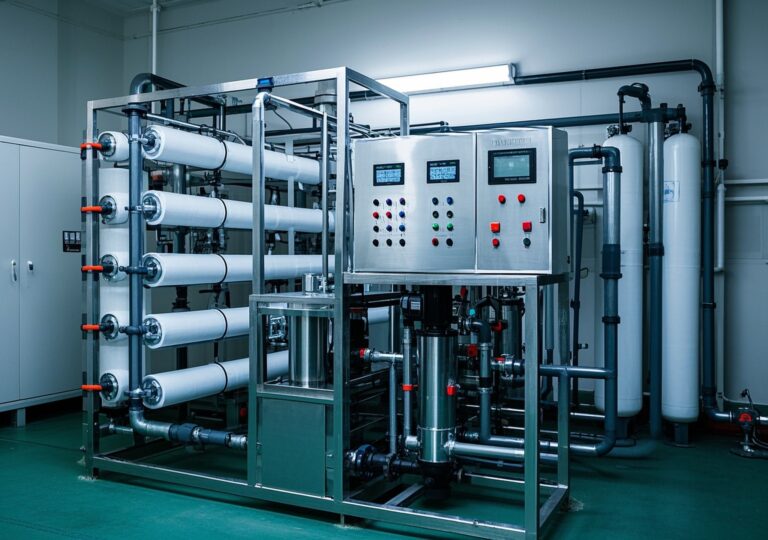
1. Reverse Osmosis (RO) Membrane Systems
RO technology remains foundational in industrial and commercial water purification. These systems employ semipermeable membranes to remove dissolved salts, organic contaminants, and microorganisms, achieving high water purity.
- Technical Parameters: Membrane pore sizes typically range from 0.0001 to 0.001 microns, with flux rates depending on feed water quality, commonly between 10–30 gallons per square foot per day.
- Production Capacities: Available in multiple scales, including:
- Small-scale units (5–50 m³/day) suitable for commercial facilities like hotels and hospitals.
- Medium-scale systems (50–500 m³/day) ideal for manufacturing plants and agriculture.
- Large-scale plants (500–5000+ m³/day) used in municipal or seawater desalination contexts.
- Industry Applications: RO systems efficiently serve food and beverage processing, pharmaceutical water preparation, and power plant cooling water circuits.
- Performance Advantages: High rejection rates (up to 99%) for total dissolved solids (TDS), low energy consumption compared to thermal desalination, and modular design for easy capacity scaling.
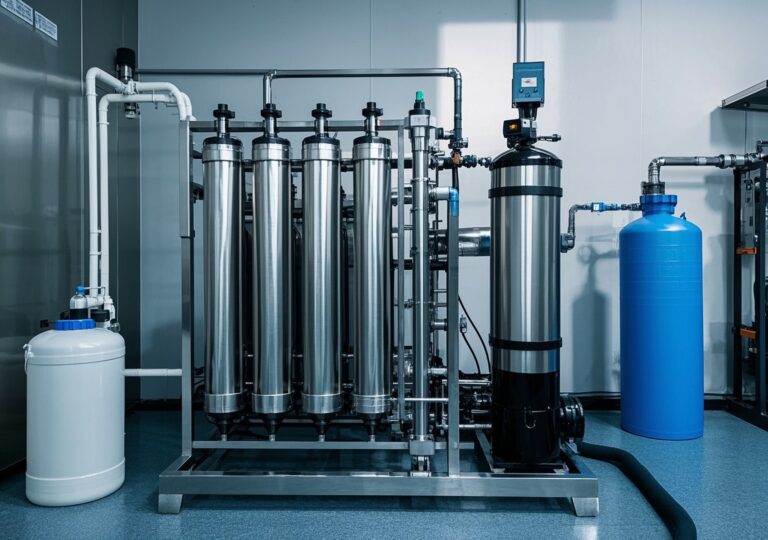
2. Filtration and Water Softening Systems
Filtration units remove suspended particulates and organic matter, protecting downstream membranes and equipment. Water softeners reduce water hardness by exchanging calcium and magnesium ions with sodium, preventing scaling.
- Technical Parameters: Filtration ranges from multimedia filters with pore sizes of 10–50 microns to ultrafiltration units down to 0.01 microns.
- Capacity Ranges: Configurations include portable filtrations systems producing a few cubic meters per day to large modular softeners handling thousands of cubic meters.
- Typical Uses: Pre-treatment in industrial washing, boiler feedwater treatment, and commercial water supply.
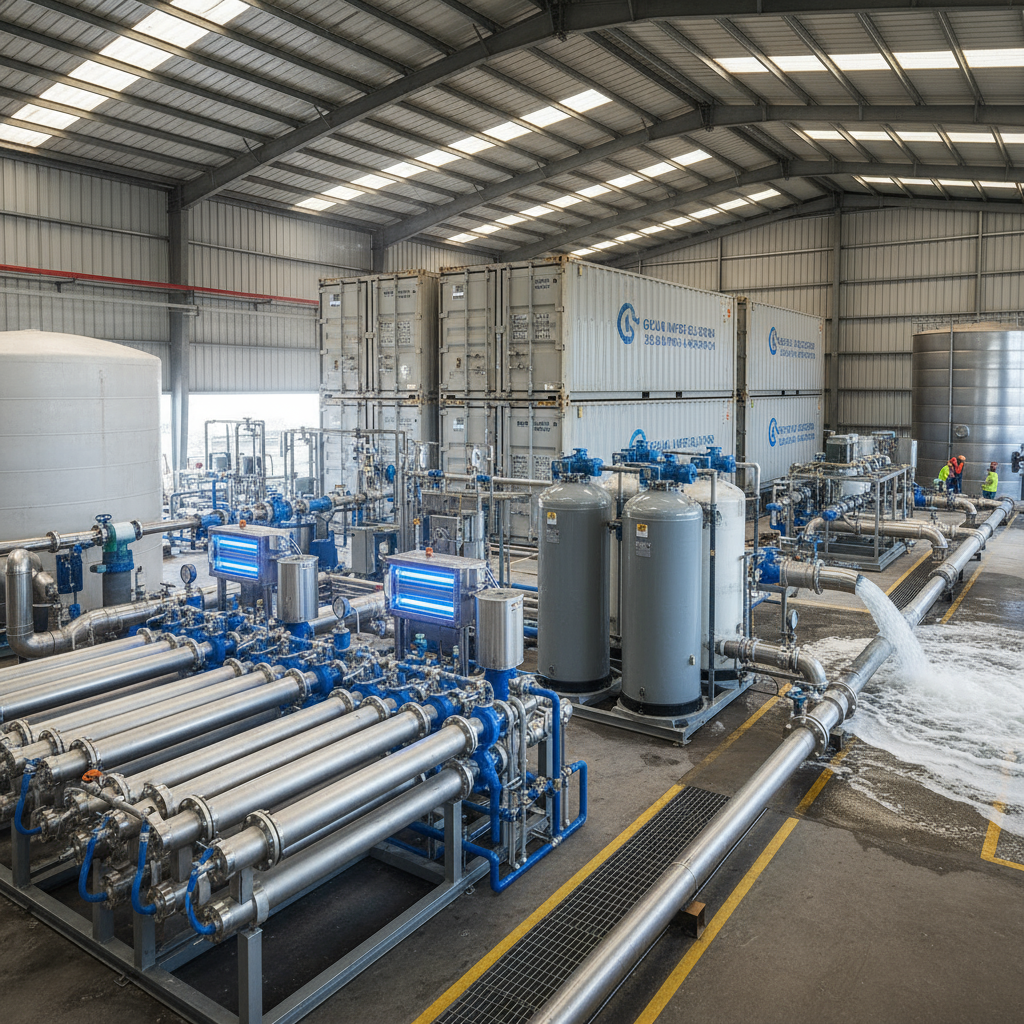
3. Containerized Water Treatment Machinery
These are self-contained systems installed in standard shipping containers for rapid deployment and transport flexibility.
- Technical Scope: Integrated solutions combining pre-filtration, RO membranes, UV sterilization, and chemical dosing.
- Capacity Variants: Small units (~5 m³/day) for emergency and remote use; medium units (20–100 m³/day) for mid-size community water supply; large units (>100 m³/day) for industrial site operations.
- Applications: Disaster relief water purification, remote mining or construction camps, mobile municipal water supply, and military deployments.
4. Cleaning and Sterilization Systems (e.g., UV Disinfection)
Ultraviolet (UV) disinfection is a chemical-free method for inactivating bacteria, viruses, and protozoa in water.
- Specifications: Typical UV doses for effective sterilization range from 30 to 50 mJ/cm².
- System Sizes: Compact UV units for point-of-entry treatment up to industrial-scale reactors handling thousands of cubic meters per day.
- Industries Served: Food processing, pharmaceutical manufacturing, and municipal potable water treatment.
Manufacturer Expertise and Quality Assurance
Reliable water treatment machinery manufacturers bring decades of sector-specific experience. Their product lines reflect rigorous research and development, evidenced by compliance with international standards like NSF/ANSI and ISO 9001 certification. Cutting-edge facilities employ advanced materials and programmable controls to ensure repeatability, robustness, and long service life. Such manufacturers often provide customized engineering solutions, installation supervision, and after-sales technical support, which are critical for minimizing downtime and maximizing return on investment.
Versatile Applications Across Industries
Advanced water treatment systems have broad applicability, including:
- Seawater Desalination: Large-scale RO plants enable tapping into abundant ocean water, transforming saline feed into reliable freshwater. This application is crucial in arid regions and island communities where freshwater scarcity is urgent.
- Portable Drinking Water Purification: Containerized units equipped with multi-stage filtration and UV sterilization ensure microbiologically safe water in campsites, remote healthcare centers, or disaster zones.
- Special Environment Supply: Specialized machines enable closed-loop water management for shipping vessels, offshore platforms, and even space missions, where recycling and ultra-pure water are vital for operational continuity.
Insights From Industry Experience
In my engagements with wastewater reuse projects for agro-industrial clients, deploying robust RO membrane systems resulted in a 40% reduction in freshwater intake and a 25% decrease in overall water costs within two years.
Another example is the installation of containerized water treatment machinery at a remote mining site, where modular design allowed rapid scaling from 15 m³/day to 50 m³/day as workforce and operational demands grew, significantly reducing logistical water transport expenses.
Based on continuous monitoring, integrating UV sterilization post-filtration enhanced microbial control reliability from 85% to over 99.9%, crucial for pharmaceutical-grade water production.
Conclusion
Investing wisely in advanced water treatment machinery tailored to specific industry needs not only secures regulatory compliance but also drives operational efficiencies and sustainable water management. With a thorough understanding of core technologies, capacity options, and trusted manufacturer support, businesses can confidently select systems that optimize yields and future-proof their water resources.
References
- According to studies reviewed on Water Technology and Industrial Water Treatment Equipment reviews, modern RO and filtration technologies deliver exceptionally high performance and adaptable configurations suited for diverse scales and applications.
- Insights from Commercial Water Purification Systems market analyses highlight increasing demand for containerized modular units in emergency and remote location water supply scenarios.