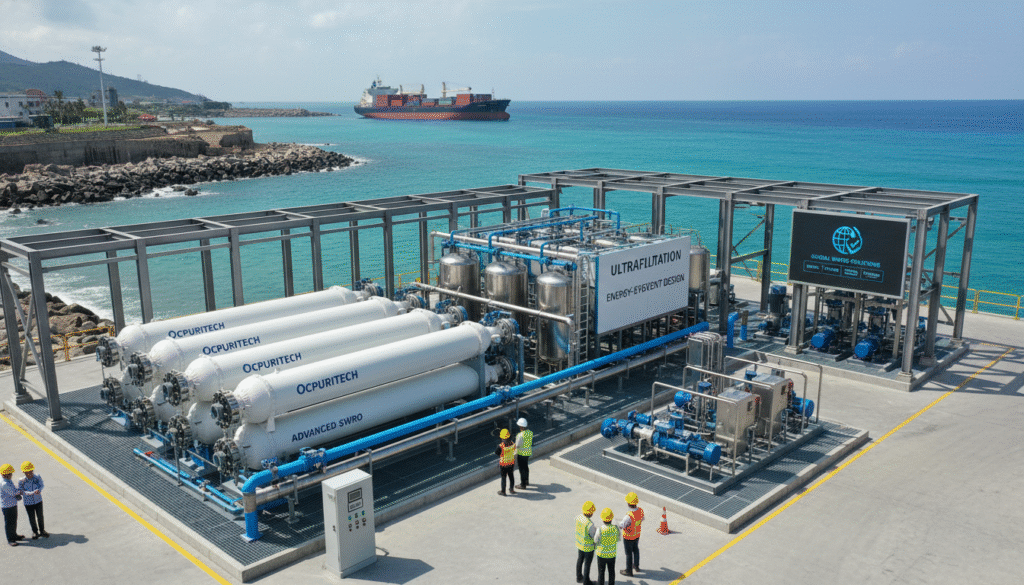
The journey towards a sustainable future is inextricably linked to our ability to manage and provide clean water. As a veteran in the field of water treatment plant solutions, I have witnessed firsthand the profound impact that advanced technologies can have on communities worldwide. From mitigating the effects of escalating water scarcity to empowering coastal regions with reliable access to potable water, the evolution of water treatment systems is not just a technological marvel but a societal imperative. This article delves into how **next-gen water treatment plant** solutions are laying the groundwork for resilient, thriving communities.
1. Introduction to Advanced Water Treatment Technologies
The landscape of water treatment is continuously evolving, driven by global challenges and the urgent need for efficient, sustainable solutions. Modern water treatment plants are no longer just about basic purification; they embody sophisticated engineering designed to tackle complex contaminants and resource limitations. This introduction sets the stage for understanding the pivotal role these advanced systems play in securing our most precious resource.
1.1 The Global Water Crisis and the Role of Water Treatment
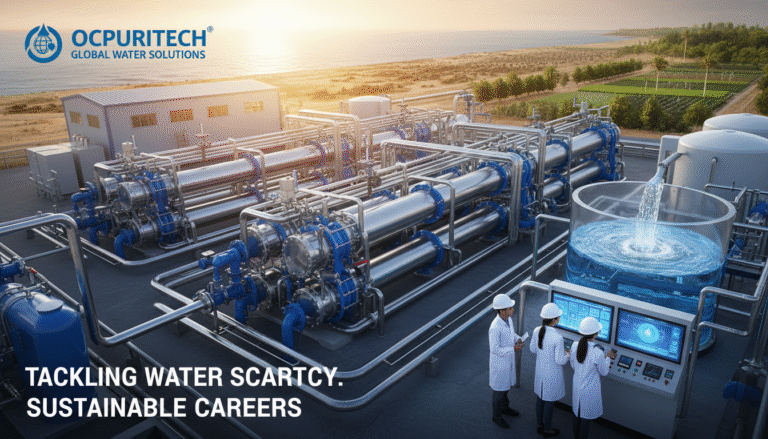
The global water crisis is a stark reality, with billions lacking access to safe drinking water. According to projections, by 2050, at least one in four people is likely to live in a country affected by chronic or recurrent shortages of fresh water. This alarming trend underscores the critical importance of effective water treatment systems. My experience in numerous projects, particularly in arid regions, highlights how innovative water treatment solutions can transform barren landscapes into fertile grounds, providing both sustenance and economic opportunities. These systems reclaim and purify water sources that were once deemed unusable, turning a challenge into an opportunity.
1.2 Industry Background and the Expertise in Water Treatment
With over two decades in the water purification industry, I’ve seen the shift from conventional methods to highly efficient, environmentally sound practices. The industry’s evolution has been propelled by a relentless pursuit of better quality, lower operational costs, and minimal environmental impact. Our expertise at Ocpuritech is rooted in this ongoing innovation, designing and deploying reliable water treatment plants that meet the most stringent quality standards and address diverse operational requirements.
2. Overview of Next-Generation Water Treatment Equipment
Next-generation water treatment equipment is characterized by enhanced efficiency, reduced footprint, and increasingly sophisticated capabilities. These advancements are crucial for addressing complex contaminants and ensuring the production of high-quality potable water. Understanding the core technologies and supporting systems is key to appreciating their transformative potential.

2.1 Key Technologies: Reverse Osmosis, Ultrafiltration, and Nanofiltration
At the heart of many advanced water treatment systems are membrane technologies. Reverse osmosis water treatment is paramount for removing dissolved solids, salts, and even some pathogens, producing exceptionally clean water. Ultrafiltration and nanofiltration typically serve as sophisticated pretreatment or standalone processes, effective in removing suspended solids, bacteria, and larger organic molecules. These technologies are often combined in a multi-barrier approach to ensure comprehensive purification.
2.2 Pretreatment Systems: Sand Filters, Carbon Filters, and Softeners
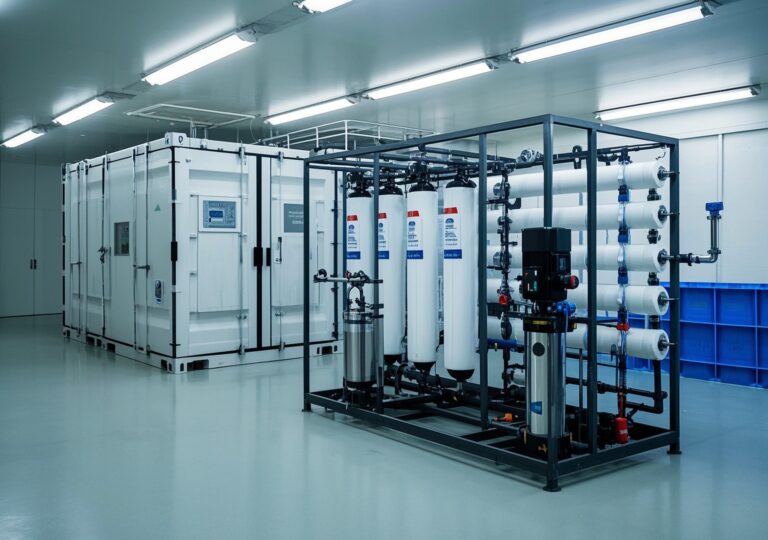
The longevity and efficiency of membrane systems heavily rely on robust pretreatment systems. These include sand filters for removing larger particles, activated carbon filters for adsorbing chlorine and organic compounds, and water softeners to prevent scaling from hard water. In one instance, a municipality struggling with frequent membrane fouling saw a 40% reduction in replacement costs after upgrading their pretreatment with advanced multimedia filtration and efficient chemical dosing.
2.3 Specialized Systems: Containerized Units and Sterilization Processes
For rapid deployment and mobility, containerized water treatment systems offer a complete water treatment unit within a standard shipping container. These are ideal for emergency relief, construction sites, or remote communities. Post-treatment sterilization processes, such as uv light water treatment or chlorination, ensure microbial safety before water enters the distribution network. The combination of these advanced components creates resilient and adaptable water treatment solutions.
3. Specialized Application: Seawater Desalination Systems
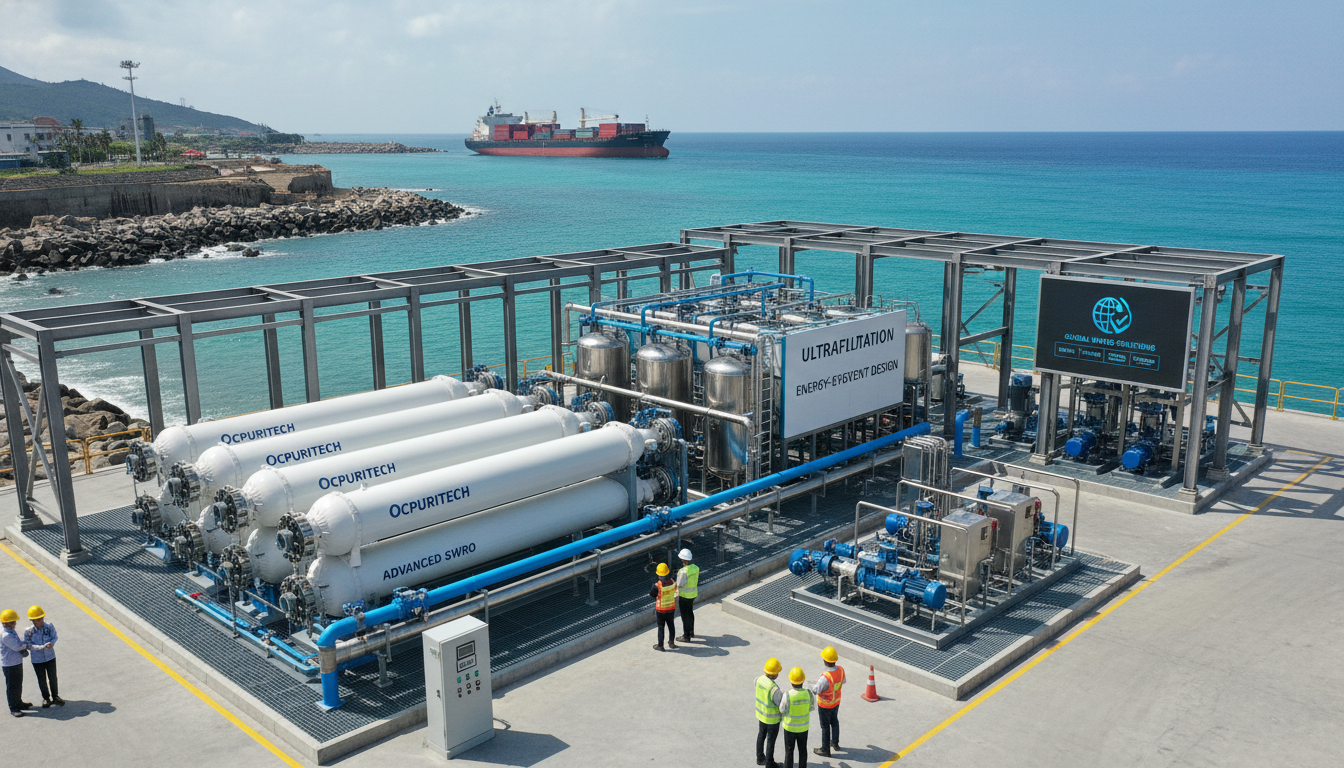
Seawater desalination represents a pinnacle of water treatment technology, transforming the planet’s vast ocean resources into potable water. This application is particularly critical for coastal and island communities facing severe water scarcity. My own observation over the years shows that as freshwater sources dwindle, seawater desalination plants are becoming indispensable infrastructure.

3.1 Critical Performance Parameters and Operational Advantages
The performance of seawater reverse osmosis (SWRO) systems is measured by key parameters like recovery rate, specific energy consumption, and permeate quality. Modern SWRO water treatment plants boast significantly improved energy efficiency, with reductions up to 82% in some batch designs compared to traditional methods. This translates to lower operational costs and a smaller carbon footprint, making desalination a more viable option than ever before. Key advantages include consistent water quality regardless of source water variations and the ability to operate independently of rainfall cycles.
3.2 Addressing Water Scarcity with Desalination Technology
For many nations, desalination is not just an alternative; it’s a lifeline. Countries in the Middle East and North Africa, for example, heavily rely on desalination for domestic and industrial water supplies. In my work with a remote island community, the implementation of a compact seawater desalination plant transformed their dependence on expensive, intermittent water shipments into self-sufficiency, drastically improving quality of life and supporting local economic development.
4. Global Water Resources and the Strategic Importance of Desalination
Understanding the global distribution and availability of freshwater is crucial for appreciating the strategic role of desalination. While 70% of the Earth is covered by seawater, only a tiny fraction is readily accessible freshwater, underscoring the necessity of converting abundant seawater into a usable resource.
4.1 Current Challenges: Freshwater Scarcity and Increasing Demand
The twin pressures of population growth and climate change exacerbate freshwater scarcity. Industries, agriculture, and urban centers worldwide are competing for dwindling reserves. Regions like California, which experienced severe droughts, are increasingly turning to seawater desalination as a reliable, drought-proof source of potable water. This strategic shift reflects a broader recognition of oceans as a critical, albeit energy-intensive, freshwater reserve.
4.2 Future Trends in Desalination Technology and Water Management
The future of desalination lies in further innovation for energy efficiency and sustainable brine management. Research indicates that ongoing advancements, particularly in areas like batch reverse osmosis desalination, will continue to drive down the energy consumption and costs associated with converting seawater to drinking water. My prediction is that hybrid systems combining various technologies and renewable energy sources will become standard, creating even more robust and environmentally friendly water treatment plants.
5. Innovations in Next-Generation Water Treatment Plants
The innovations in water treatment plant design are continuously reshaping the industry, leading to systems that are not only more effective but also more sustainable. These advancements focus on maximizing output while minimizing environmental impact and operational expenditure.

5.1 Enhanced Performance and Energy Efficiency
A major drive in the water treatment sector is the relentless pursuit of energy efficiency. Technologies like energy recovery devices (ERDs) in reverse osmosis water treatment systems have dramatically reduced power consumption, making desalination more economically viable. For instance, high-pressure pumps integrated with ERDs can recover up to 98% of the hydraulic energy from the brine stream, which significantly lowers the overall operating costs of a seawater desalination plant. This efficiency is critical for sustainability.
5.2 Unique Design Features and Technological Advancements
Modern water treatment systems also feature innovative design elements such as modular construction for easy expansion, smart monitoring and control systems (SCADA) for optimized performance, and self-cleaning mechanisms. These advancements ensure reliability, reduce manual intervention, and prolong equipment lifespan. My firm frequently incorporates these features, providing tailored water treatment solutions that are robust and adaptable.
6. In-depth Analysis of Desalination Processes
A clearer understanding of how desalination works, from the initial seawater intake to the final purified output, reveals the intricate engineering involved in converting a seemingly unusable source into a valuable resource.
6.1 Pre-treatment Stages for Seawater Desalination
Effective pre-treatment is paramount for the success of seawater desalination plants. It involves several stages to remove suspended solids, algae, and other particles that could damage or foul the delicate RO membranes. This typically includes screening, coagulation, flocculation, sedimentation, and various forms of filtration (e.g., multimedia filters, cartridge filters). Without proper pre-treatment, membrane lifespan and efficiency would be severely compromised, leading to increased maintenance and operational costs.
6.2 The Core Mechanism of Reverse Osmosis and Membrane Technology
The heart of most modern seawater desalination systems is the reverse osmosis (RO) membrane. In this process, high pressure is used to force seawater through semi-permeable membranes, which allow water molecules to pass while rejecting salts and other impurities. The effectiveness of membrane technology is incredible; it can remove over 99% of dissolved salts, producing highly pure water. My experience shows that proper membrane selection and configuration are crucial for optimizing performance and minimizing energy consumption in large-scale deployments.
6.3 Post-treatment and Water Quality Optimization
After the reverse osmosis treatment, permeate water is typically very pure but may lack essential minerals. Post-treatment processes involve remineralization to achieve desired taste and health properties, and disinfection (often using uv water treatment or chlorine) to ensure microbial safety in the distribution network. Proper water quality optimization ensures that the final product not only meets regulatory standards but also consumer preferences, making the treated water both safe and palatable.
7. Expanding Application Scenarios for Water Treatment Solutions
The versatility of modern water treatment solutions extends far beyond municipal supply, adapting to unique and demanding environments across various industries. This expansion ensures that clean water is accessible wherever it’s needed, even in the most challenging conditions.
7.1 Adaptability for Marine Environments: Yachts and Offshore Platforms

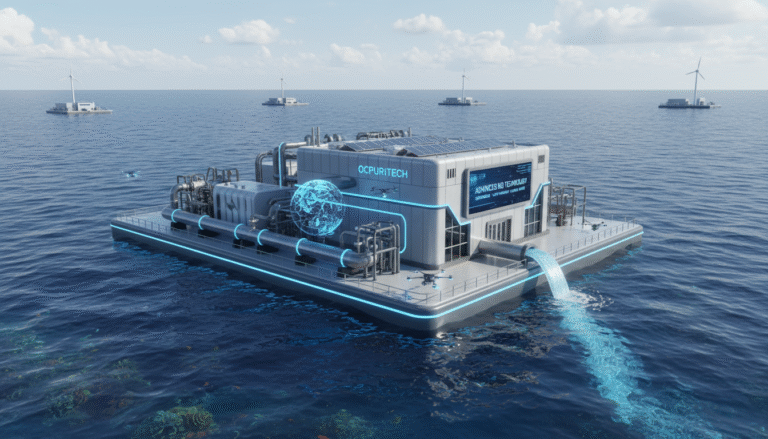
For marine applications, compact and robust seawater watermaker systems are indispensable. Yachts, cruise ships, and offshore drilling platforms require continuous access to fresh water for crew, operations, and sanitation. These specialized water treatment plants are designed to withstand harsh marine conditions, often incorporating energy-efficient designs and minimal footprints. I’ve been involved in projects deploying offshore seawater treatment modules that provide critical freshwater supplies, allowing for extended voyages and self-sufficient operations.
7.2 Custom Solutions for Challenging Industrial and Remote Settings
Beyond marine uses, water treatment systems are customized for diverse industrial applications, including power generation, mining, and manufacturing, where specific water quality is crucial. In remote areas lacking infrastructure, containerized water treatment plants quickly provide potable water, supporting humanitarian aid and economic development. These custom water treatment solutions are engineered to address unique challenges, from high salinity well water treatment to purifying process water for reuse, demonstrating the adaptability of modern technology.
8. Regulatory Compliance and Quality Assurance in Water Treatment
Ensuring the safety and reliability of water treatment plant output is paramount, necessitating strict adherence to regulatory standards and robust quality assurance protocols. This commitment safeguards public health and maintains industry credibility.
8.1 Adherence to International Maritime and Environmental Regulations
For seawater desalination plants, especially those operating in marine environments, compliance with international regulations such as ISO standards for seawater reverse osmosis desalination is crucial. These standards cover everything from water quality parameters to environmental impact mitigation, particularly concerning brine discharge management. Ensuring compliance protects marine ecosystems and upholds operational integrity. My team consistently conducts rigorous testing and design reviews to meet these stringent requirements.
8.2 Certification and Quality Control for Product Safety and Water Reliability

High-quality water treatment equipment is essential for producing safe, reliable water. This involves not only meeting strict manufacturing standards but also obtaining certifications from relevant bodies for components and complete water treatment systems. At Ocpuritech, every system undergoes comprehensive testing and quality control checks, including monitoring of TDS (Total Dissolved Solids) and microbial analysis, before deployment. This meticulous approach ensures that the treated water is consistently potable and safe for its intended use, solidifying trust in our water treatment solutions.
9. Sustainable Practices in Water Treatment Technology
Sustainability is no longer a buzzword; it’s a foundational principle guiding the development and operation of modern water treatment plants. Integrating eco-friendly practices minimizes environmental impact and conserves resources for future generations.
9.1 Energy Conservation and Emission Reduction Strategies
One of the most significant advancements in sustainable water treatment is the focus on energy conservation. Modern designs of water treatment plants utilize advanced energy recovery devices, variable frequency drives (VFDs), and optimized pump efficiencies to drastically cut power consumption. This not only reduces operating costs but also lowers carbon emissions, contributing to climate change mitigation. My projects often emphasize the use of high-efficiency components to meet stringent energy benchmarks.
9.2 Environmentally Friendly Brine Management and Renewable Energy Integration
Managing the concentrated brine byproduct from seawater desalination is critical for environmental sustainability. Innovations include advanced diffusers for controlled dilution, co-locating with industrial processes for beneficial uses, and zero liquid discharge (ZLD) technologies. Furthermore, integrating renewable energy sources like solar and wind power directly into water treatment systems substantially reduces reliance on fossil fuels, making the entire process greener and more sustainable. This holistic approach ensures that fresh water production doesn’t come at the expense of ecological balance.
10. Ocpuritech: A Leader in Water Purification Solutions
As an industry leader, Ocpuritech is at the forefront of providing comprehensive and cutting-edge water purification solutions. Our dedication to innovation, quality, and customer satisfaction sets us apart in the global market.
10.1 Manufacturing Capabilities and Diverse Product Portfolio
Ocpuritech boasts state-of-the-art manufacturing facilities capable of producing a wide array of water treatment systems, from compact residential units to large-scale industrial seawater desalination plants. Our product portfolio includes specialized seawater reverse osmosis systems, well water treatment systems, UV water treatment systems, and advanced industrial water treatment solutions. This diversity allows us to address virtually any water quality challenge across various sectors.
10.2 Customization Services and Global Support Network
Understanding that each client has unique requirements, Ocpuritech offers extensive customization services. We work closely with our clients to design and engineer water treatment solutions that perfectly match their specific needs, whether it’s for a remote community, an offshore platform, or a municipal water treatment plant. Our global support network ensures timely installation, maintenance, and technical assistance, guaranteeing optimal performance and seamless operation of our water treatment equipment.
10.3 Ocpuritech’s Commitment to Clean Water
At Ocpuritech, our mission extends beyond selling equipment; it’s about providing lasting positive impacts. We are committed to fostering environmental stewardship and ensuring access to clean, safe water for everyone. This dedication drives our continuous research and development efforts, pushing the boundaries of water treatment technology to create innovative and sustainable solutions that contribute to healthier communities worldwide.
11. Conclusion: Driving Innovation for a Sustainable Water Future
The transformative power of next-generation water treatment plant solutions is undeniable. From tackling the pressing issue of water scarcity to delivering clean potable water in the most challenging environments, these advancements are pivotal for global sustainability. As I look back at the progress made and forward to the innovations on the horizon, the future of water treatment appears brighter than ever, underpinned by continuous technological evolution and a shared commitment to environmental responsibility.
11.1 Reaffirming Leadership in Technology and Environmental Protection
Our journey has reinforced Ocpuritech’s role as a leader in advancing water treatment technology. We are not just participants in this industry; we are integral to shaping its future, consistently pushing for solutions that are both technologically superior and environmentally sound. Our commitment goes beyond profit, aiming for a legacy of providing clean water and protecting our planet. The continuous development of more efficient water treatment systems, like those for seawater desalination, exemplifies this dedication.
11.2 Invitation for Partnership and Further Engagement
The challenges of water management are complex, but the solutions are within reach through collaboration and innovation. We invite you to explore Ocpuritech’s advanced water treatment solutions and discuss how our expertise can benefit your community or project. Together, we can continue to transform water resources and build a more sustainable future for all.
Next-Gen Water Treatment Plant Solutions: FAQs
Q1: What is a water treatment plant and its main purpose?
A water treatment plant is a facility that processes raw water to remove contaminants and produce safe, potable water. Advanced plants utilize technologies like reverse osmosis and ultrafiltration to treat complex water sources efficiently and sustainably.
Q2: What is seawater desalination in water treatment?
Seawater desalination is a process that removes salts and impurities from seawater to produce fresh drinking water. This technology is crucial for coastal areas facing freshwater scarcity, relying primarily on reverse osmosis membranes to purify seawater effectively.
Q3: What are reverse osmosis, ultrafiltration, and nanofiltration in water treatment?
Reverse osmosis is a membrane process where pressure forces water through semi-permeable membranes, removing dissolved salts and contaminants. Ultrafiltration and nanofiltration serve as pretreatment steps, targeting suspended solids and organic molecules, enhancing overall purification efficiency.
Q4: How to operate a seawater desalination plant effectively?
To operate an effective seawater desalination plant, first implement robust pre-treatment to remove solids and algae using screens and filters. Then, apply reverse osmosis membranes under high pressure for desalination. Post-treatment includes remineralization and disinfection using UV light or chlorination to optimize water quality.
Q5: How to deploy containerized water treatment systems for remote locations?
Implementing containerized water treatment systems involves selecting compact units tailored to the target water source, ensuring proper installation with pretreatment components, and integrating sterilization modules like UV systems. Regular maintenance and monitoring via SCADA systems optimize performance and reliability.
Q6: How to maximize energy efficiency in reverse osmosis water treatment plants?
Operating next-gen reverse osmosis systems efficiently requires monitoring energy recovery devices to maximize hydraulic energy reuse, adjusting variable frequency drives for pump efficiency, and scheduling cleaning-in-place (CIP) procedures to minimize membrane fouling and extend lifespan.
Q7: Why is desalination technology increasingly vital for addressing water scarcity?
Water scarcity drives the adoption of desalination technologies because traditional freshwater sources are depleting due to population growth and climate change. Desalination offers a reliable, climate-independent water supply, especially for arid and coastal regions, supporting economic and social development.
Q8: What is the difference between seawater reverse osmosis and ultrafiltration in water treatment?
The difference between seawater reverse osmosis (SWRO) and ultrafiltration lies in their function and target contaminants: SWRO removes dissolved salts and small molecules by forcing water through dense membranes under high pressure, whereas ultrafiltration filters out larger particles, bacteria, and suspended solids at lower pressure, often as pretreatment to protect RO membranes.
Q9: Why are pretreatment systems important for maintaining membrane performance in water treatment?
Pretreatment systems like sand filters, carbon filters, and water softeners protect membrane technologies by removing particulate matter, chlorine, organic compounds, and hardness ions. Upgrading pretreatment reduces membrane fouling and replacement costs, enhancing plant longevity and performance, as evidenced by Ocpuritech’s industrial pretreatment solutions.
Q10: How does Ocpuritech enhance water treatment plants for better sustainability and compliance?
Ocpuritech integrates smart monitoring systems, modular design, and energy recovery technologies into their water treatment plants to enhance performance and sustainability. Their continuous innovation ensures compliance with international standards and adapts to diverse applications, from industrial to marine environments.