
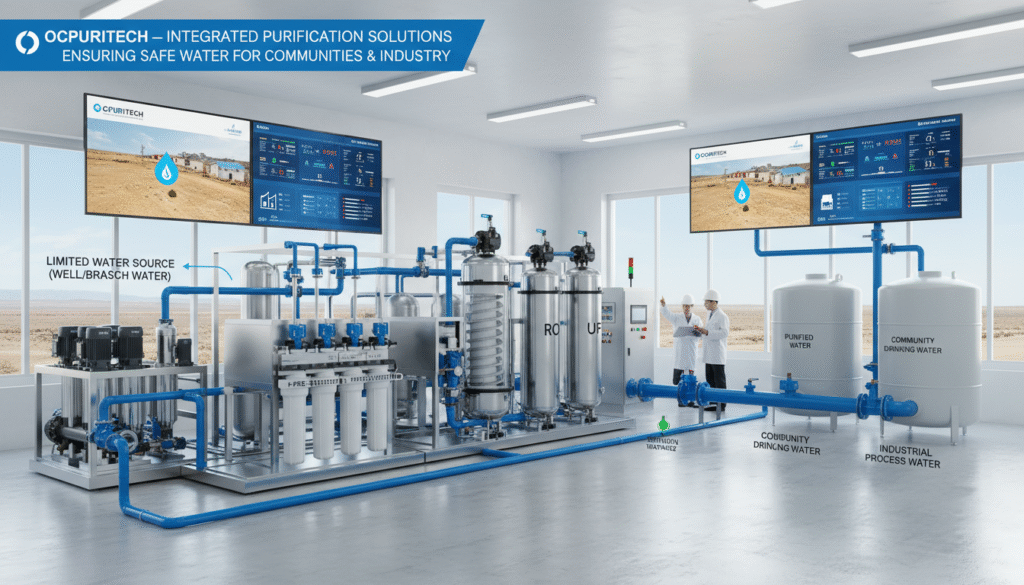
Access to safe drinking water remains a crucial challenge in many parts of the world, particularly in regions experiencing growing water scarcity and contamination. The rising demand for clean water driven by population growth, urbanization, and environmental stress highlights the importance of effective purification technologies. In this context, explaining reverse osmosis and purification of water offers a gateway to understanding how advanced water treatment systems can provide reliable solutions for safe consumption.
Over the last decade, technologies such as reverse osmosis (RO) have emerged as critical components for producing drinking water that meets stringent global standards. According to the World Health Organization (2022), ensuring drinking water quality involves maintaining contaminant levels well below harm thresholds. This is particularly relevant given the presence of harmful substances—including dissolved salts, microbial pathogens, and emerging pollutants—that traditional filtration methods may not fully eliminate.
Throughout my 14 years of involvement in the water purification industry, including participation in industrial-scale projects across Southeast Asia and Africa, I have witnessed firsthand how reverse osmosis technology can transform water quality. In one project serving a rural community with brackish groundwater, the installation of a remote-controlled RO system improved water purity to meet WHO guidelines, substantially reducing incidences of waterborne diseases. This practical success underscores how understanding and effectively implementing RO systems can bolster public health and foster socio-economic development.
What is Reverse Osmosis and How Does It Work?

Reverse osmosis is a membrane filtration process that removes dissolved solids, particles, and impurities from water by applying pressure to force water through a semi-permeable membrane. Unlike conventional filtration that captures larger particles, RO membranes can filter out contaminants as small as 0.2 nanometers, including dissolved salts, heavy metals, and some organic molecules.
The principle is based on driving water molecules from a higher solute concentration to a lower solute concentration across the membrane by force — effectively reversing the natural osmotic process. This technology is widely used for desalination, wastewater treatment, and producing ultrapure water for industrial or medical applications.
It is important to note that while RO is highly effective, it requires higher energy input compared to other membrane methods such as ultrafiltration, which targets larger suspended solids but not dissolved ions. Selecting appropriate pre-treatment steps like sediment filtration, softening, and activated carbon treatment is essential to protect RO membranes and prolong system life.
In my observation, the integration of reverse osmosis within a comprehensive water purification system can address a broad range of water quality issues. For example, during a seawater desalination plant design in coastal Africa, coupling RO membranes with ultrafiltration and deionization stages ensured compliance with local and international quality standards, including removal of traces of PFAS and microbial contaminants.
This approach aligns with updated regulatory frameworks such as the U.S. EPA’s National Primary Drinking Water Regulations and the upcoming European Union PFAS monitoring requirements set for 2026, ensuring water safety from multiple contamination angles.
The Purification Process: From Raw Water to Safe Drinking Supply

Water purification entails multiple treatment stages designed to meet established drinking water standards and safeguard public health. Typically, a robust purification process involves:
- Pre-treatment—removing suspended solids, chlorine, organic matter using sand filters, carbon filters, and softeners.
- Membrane filtration—applying technologies like ultrafiltration, nanofiltration, and reverse osmosis to eliminate dissolved ions, pathogens, and micropollutants.
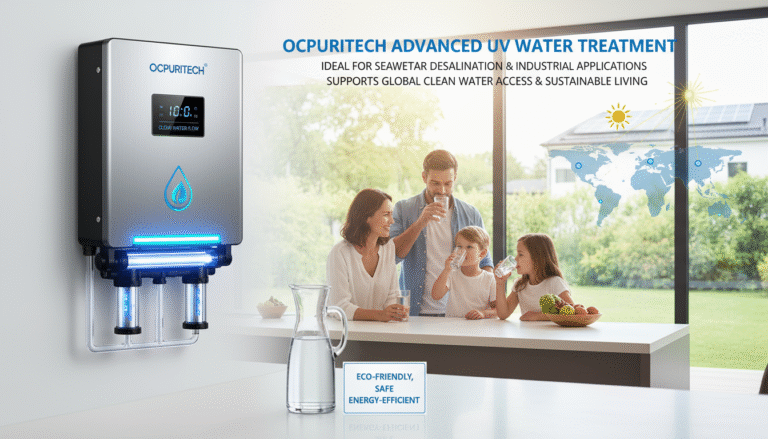
- Post-treatment—disinfection with UV or chemical agents, pH adjustment, and ensuring mineral balance.
- Monitoring and control—integrating sensors and automation to maintain consistent water quality and system performance.
Within the framework of WHO’s Guidelines for Drinking-Water Quality (2022), water treatment plants must adhere to prescribed maximum contaminant levels to prevent waterborne diseases and chemical hazards. This is especially crucial in regions facing environmental challenges aggravated by climate change, where UN Sustainable Development Goals emphasize sustainable water management.
From my project experience managing urban water supply upgrades in Southeast Asia, incorporating real-time quality monitoring has significantly improved response to contamination risks and reduced downtime. This level of control is key not only for human consumption but also for industrial applications where water quality impacts production integrity.
Meeting Regional Water Challenges with Tailored Solutions

Water scarcity and quality issues vary significantly by region, demanding tailored solutions. In arid or semi-arid zones, such as parts of Africa, groundwater salinity and contamination from industrial runoff present serious obstacles to securing safe drinking water. These challenges intensify under the impact of climate variability and expanding populations.
Adopting reverse osmosis technology within customized water purification systems addresses these issues by:
- Removing high levels of dissolved salts and heavy metals unsuitable for consumption.
- Eliminating microbiological pathogens to reduce outbreaks of diseases like cholera and typhoid.
- Providing modular setups adaptable to communities with varying water volumes and quality.
- Facilitating integration with renewable energy to minimize operational costs and carbon footprint.
During a project in East Africa, a remote rural village equipped with a brackish water RO system saw its water quality parameters consistently conform to WHO standards, improving community health and productivity. This experience is aligned with global observations that over 2 billion people suffer from water stress, reinforcing the critical role advanced purification technologies play in sustainable development Council on Foreign Relations (2023).
Local authorities and water providers must therefore prioritize water purification technologies like reverse osmosis to comply with upcoming regulations and to safeguard public health under changing environmental conditions.
Designing Customized Water Purification Plants for Diverse Needs

Effective water purification installations must be engineered with design flexibility to address the particular water challenges and usage demands of targeted communities or industries. Key design considerations include:
- Capacity planning based on population size and water consumption rates.
- Layers of pre-treatment to reduce fouling risks on RO membranes and extend lifespan.
- Incorporation of automation and remote monitoring to optimize operation and reduce manual intervention.
- Adherence to regional drinking water standards and integration of disinfection modules.
- Inclusion of energy-efficient components and renewable energy options when feasible.
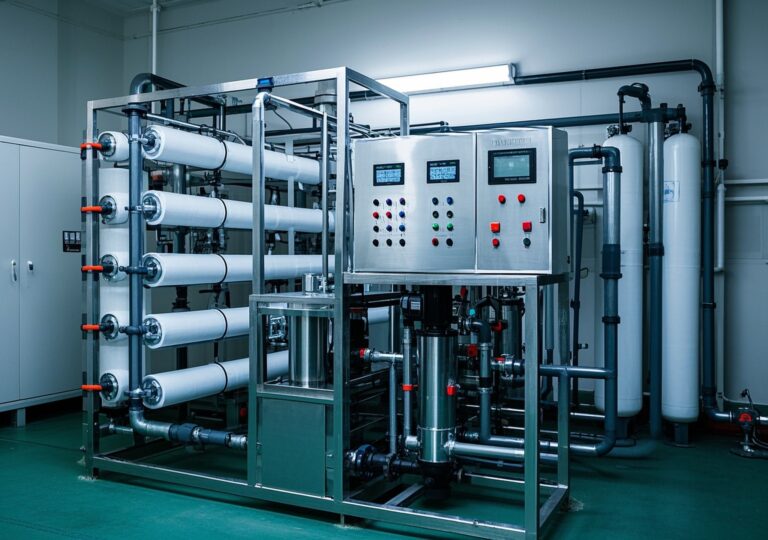
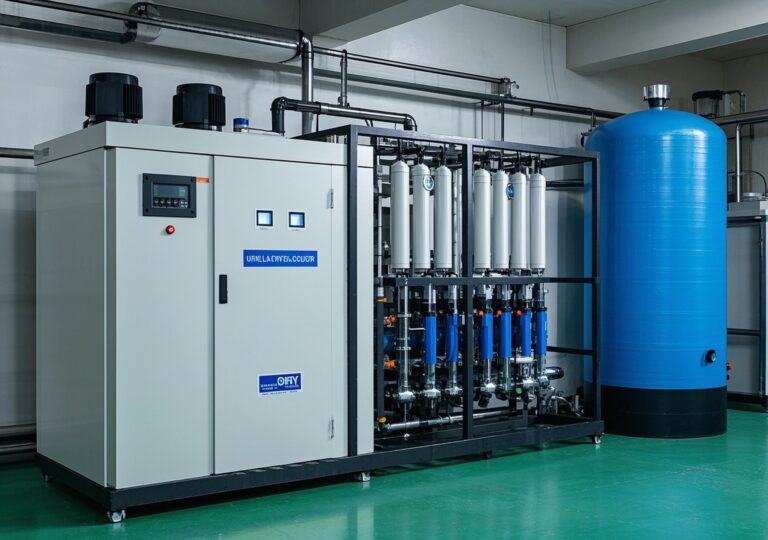
In my role leading installation projects, I worked with factories producing beverages and pharmaceuticals, requiring ultrapure water. We devised a multi-stage system including ultrafiltration to remove particulates, RO for dissolved solids extraction, and electrodeionization (EDI) to polish the water further. This system not only met but exceeded regulatory standards, resulting in improved product quality and process reliability.
Such bespoke systems reflect the value proposition offered by water purification specialists like Ocpuritech, which leverage extensive expertise and standardized manufacturing capabilities from their factories in Guangzhou and Jiangmen to deliver high-quality, cost-effective solutions worldwide.
Practical Case Studies Demonstrating Impact and Efficiency
To illustrate the transformative potential of reverse osmosis and advanced purification, consider the following real-world examples:
- In a Southeast Asian bottled water facility, the transition to a multi-stage purification system featuring reverse osmosis reduced total dissolved solids (TDS) from over 1000 mg/L to less than 10 mg/L, improving bottling product safety and taste while streamlining operational costs.
- A community water supply project in rural Africa incorporated a brackish water RO system paired with solar energy, providing over 10,000 liters per day of potable water. The system’s deployment halved the local incidence of diarrhea and other waterborne diseases within six months.
- A pharmaceutical manufacturing plant integrated reverse osmosis and electrodeionization processes, ensuring ultrapure water compliance essential for injection formulations. This upgrade led to a 15% increase in production efficiency and reduced downtime caused by water-related contamination issues.
These case studies emphasize the role of tailored water purification systems in delivering health, economic, and operational benefits. They also highlight the importance of end-to-end project execution from design through commissioning, a commitment reflected in Ocpuritech’s comprehensive product portfolio and global service support.
Incorporating user training and continuous technical support further ensures that investments in water purification technology yield sustainable outcomes aligned with the highest drinking water quality standards.
Conclusion and Call to Action
Understanding how to explain reverse osmosis and purification of water is more than an academic pursuit—it is essential for addressing one of the world’s most compelling challenges. Advanced purification technologies like RO stand at the forefront of efforts to combat water scarcity, pollution, and public health risks by providing safe, clean, and reliable drinking water.
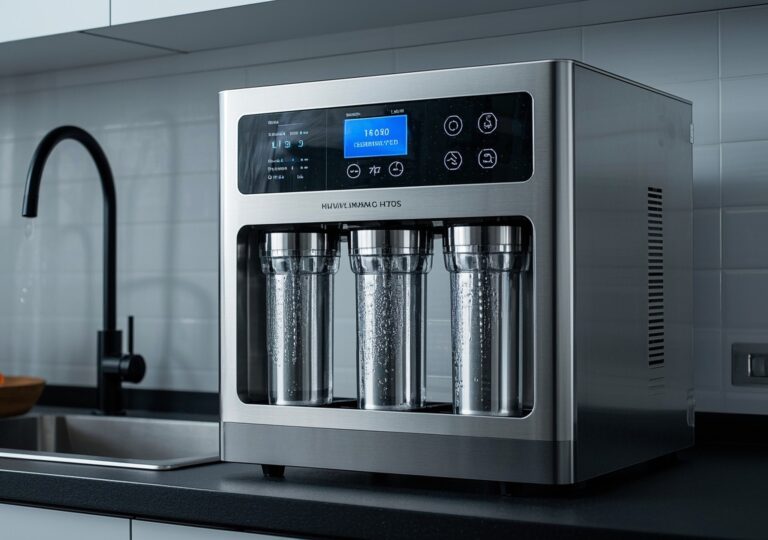
Whether you are a government agency, water utility, or industrial user, investing in tailored water treatment solutions supported by expert partners offers a pathway to compliance with evolving regulations and sustainable water stewardship. Brands like Ocpuritech exemplify dedication to quality, innovation, and environmental responsibility through their comprehensive offerings from industrial-scale systems to household purification units.
I encourage stakeholders to engage in professional consultations to evaluate water quality challenges and design appropriate treatment systems. This proactive approach ensures that communities and industries alike can thrive with access to clean water, fostering health, productivity, and ecological balance worldwide.
FAQ
Q1: What contaminants can reverse osmosis remove from water?
Reverse osmosis effectively removes dissolved salts, heavy metals, bacteria, viruses, and many organic compounds, providing highly purified water.
Q2: How energy-intensive is reverse osmosis compared to other water treatment methods?
RO requires higher energy input due to the pressure needed to force water through membranes but offers superior removal of dissolved solids compared to ultrafiltration or conventional filtration.
Q3: Can reverse osmosis systems address waterborne diseases?
Yes, RO membranes remove many pathogens, making treated water safer and reducing the risk of diseases like cholera and typhoid.
Q4: What pre-treatment steps are necessary before reverse osmosis?
Pre-treatment typically includes sediment filtration, activated carbon, softening, and chlorination removal to protect membranes from fouling and damage.
Q5: Are RO systems suitable for large-scale industrial water purification?
Absolutely. RO is widely used in industrial applications such as pharmaceutical production, food and beverage manufacturing, and desalination plants.
Q6: How often do RO membranes need replacement?
Membrane lifespan varies but usually ranges from 2 to 5 years, depending on feed water quality and maintenance.
Q7: Do RO systems remove beneficial minerals from water?
RO removes most minerals, so remineralization may be required to improve water taste and meet nutritional standards.
Q8: How does climate change impact the need for advanced water purification?
Climate change increases water scarcity and contamination risks, making advanced purification technologies like RO essential for reliable safe water access.
Q9: Can reverse osmosis systems be powered by renewable energy?
Yes, combining solar or wind power with RO systems can reduce operational costs and environmental impact.
Q10: Are there regulations governing water quality for RO-treated water?
Yes, treated water must comply with national standards such as the EPA’s regulations in the US or WHO guidelines internationally.