Vibrant Trends in Water Tech: Best Ultrafiltration System for Saltwater
1. Introduction: Ultrafiltration’s Growing Role in Industrial and Marine Water Treatment
In the face of escalating freshwater scarcity worldwide, ultrafiltration technologies have emerged as indispensable tools in water treatment, particularly for challenging feedwaters like seawater. Ultrafiltration (UF) systems serve as a vital pre-treatment and purification stage, ensuring the removal of suspended solids, bacteria, and pathogens without relying on chemicals. Companies specializing in advanced ultrafiltration solutions increasingly hold a critical position within industrial water management and marine applications, especially for seawater desalination projects. With rapid advances in membrane materials and system design, these technologies provide reliable, energy-efficient, and cost-effective solutions that address both large-scale municipal demands and specialized off-grid maritime needs.
2. Product Overview: Key Types and Technical Principles of Ultrafiltration Systems
At their core, ultrafiltration systems use semipermeable membranes to filter out particles ranging from 0.01 to 0.1 microns. The primary types of ultrafiltration membranes include polymeric membranes—dominating approximately 65% of the market due to their robustness and affordability—and hollow fiber membranes, favored for their high surface area and operational flexibility.
Common ultrafiltration system configurations encompass standalone UF modules, fully integrated containerized plants, and hybrid setups combining ultrafiltration with reverse osmosis (RO) and UV sterilization. System capacities range dramatically from small-scale units (under 1,000 gallons per day) tailored for marine vessels to industrial-scale modules capable of treating millions of gallons daily for coastal desalination plants.
Technological variations include cross-flow membrane modules that reduce fouling through turbulence, and automated cleaning-in-place (CIP) systems that significantly enhance membrane longevity. Together, these designs allow seamless scaling and adaptation to diverse environmental and operational conditions.
3. Ultrafiltration Systems in Seawater Desalination: Performance and Advantages
Ultrafiltration plays a crucial role in the pre-treatment phase of seawater desalination, protecting sensitive reverse osmosis membranes from fouling and improving overall plant reliability. The best ultrafiltration system for saltwater treatment typically exhibits high rejection rates of suspended solids (>99%), bacteria, and colloidal matter, enabling downstream processes to maintain stable flux and salt rejection.
Beyond filtration efficiency, these systems offer operational advantages such as low energy consumption, minimal chemical use, and compact footprint. Automated monitoring combined with Internet of Things (IoT) integration enables predictive maintenance and real-time performance optimization, boosting uptime and reducing life-cycle costs.
4. Global Water Stress and the Strategic Importance of Seawater Ultrafiltration
Globally, approximately 2.2 billion people lack access to safely managed drinking water, driven by population growth, climate change, and industrialization. Conventional freshwater sources are dwindling, making seawater desalination indispensable for securing future water supplies. Ultrafiltration technology’s environmental friendliness and operational reliability directly address key challenges in large-scale desalination.
Forecasts from Grand View Research highlight the ultrafiltration market growing at a 5.2% compound annual growth rate, propelled by increasing water-treatment needs and stricter water quality regulations. In particular, ultrafiltration adoption in municipal and industrial sectors is expanding rapidly, underscoring its vital role in sustainable water infrastructure development.
5. Innovation Highlights: Next-Generation Ultrafiltration Systems
Recent technological advances have elevated the performance benchmarks for ultrafiltration units treating saltwater. Innovations include:
- Novel membrane polymers with enhanced chemical resistance and antifouling properties, extending membrane lifespan by over 30%
- Modular containerized ultrafiltration plants equipped with automated CIP systems and IoT-based remote monitoring
- Energy recovery solutions that reduce specific energy consumption by up to 20%
- Compact design enhancements enabling system deployment in constrained marine environments such as offshore platforms
These innovations have enabled deployment in harsher environments with minimal downtime, crucial for continuous seawater treatment applications.
6. Technical Principles of Ultrafiltration in Seawater Desalination
Seawater desalination commonly follows a multi-stage process where ultrafiltration precedes reverse osmosis and post-treatment. Key technical stages include:
- Pre-treatment: Ultrafiltration membranes remove suspended solids, macromolecules, and microorganisms, considerably lowering turbidity and silt density index (SDI) values to <2.0, which is optimal for downstream RO protection.
- Reverse Osmosis: High-pressure pumps force filtered water through RO membranes that reject dissolved salts and small organics.
- Post-treatment: Treated water undergoes disinfection and remineralization to ensure safety and palatability.
Core membrane technology leverages the principle of size exclusion, with membrane pores smaller than bacteria and particles yet larger than dissolved salts, enabling ultrafiltration to act as an effective barrier while maintaining reasonable flux rates.
7. Expanding Application Scenarios: From Yachts to Offshore Platforms
Ultrafiltration’s adaptability makes it suitable for a wide array of saltwater treatment scenarios beyond traditional plants:
- Luxury Yachts and Cruise Ships: Compact ultrafiltration modules ensure onboard potable water generation from seawater with minimal maintenance demands.
- Offshore Oil and Gas Platforms: Robust systems withstand harsh marine conditions and provide reliable water treatment for crew and operational demands.
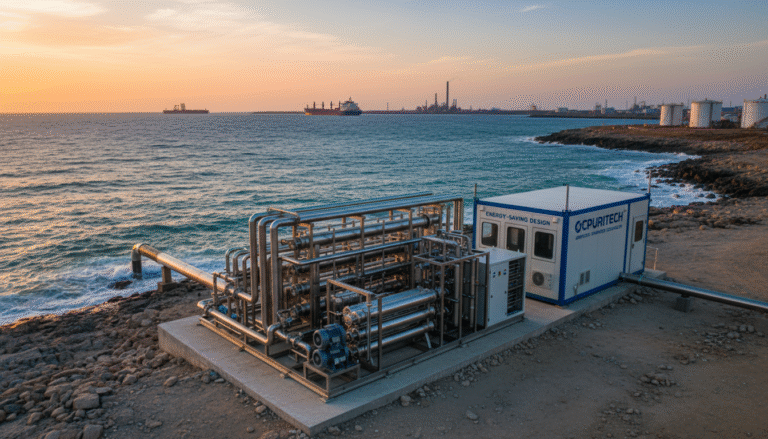
- Remote Coastal Communities: Containerized ultrafiltration plants serve off-grid regions, delivering safe drinking water with streamlined installation and low energy requirements.
Customization for size, power supply, and automated control enhances field deployment flexibility, extending ultrafiltration system reach to even the most challenging environments.
8. Compliance with Marine and Environmental Standards
Leading ultrafiltration systems for seawater comply with stringent international standards, including marine certifications and drinking water quality regulations. Manufacturers implement comprehensive quality management systems ensuring:
- Validation against standards such as NSF/ANSI 61 for drinking water safety
- Adherence to IMO (International Maritime Organization) guidelines for onboard system installation
- Environmental safeguards minimizing brine discharge impacts and energy consumption
This compliance framework guarantees system reliability, safety, and acceptance worldwide, reinforcing user confidence in their water treatment solutions.
9. Sustainability and Environmental Responsibility
Addressing sustainability is pivotal for ultrafiltration systems in seawater applications. Measures include:
- Enhanced membrane fouling resistance reducing chemical cleaning frequency and wastewater generation
- Recovery and treatment of concentrated brine streams through eco-friendly methods to mitigate marine ecosystem disruption
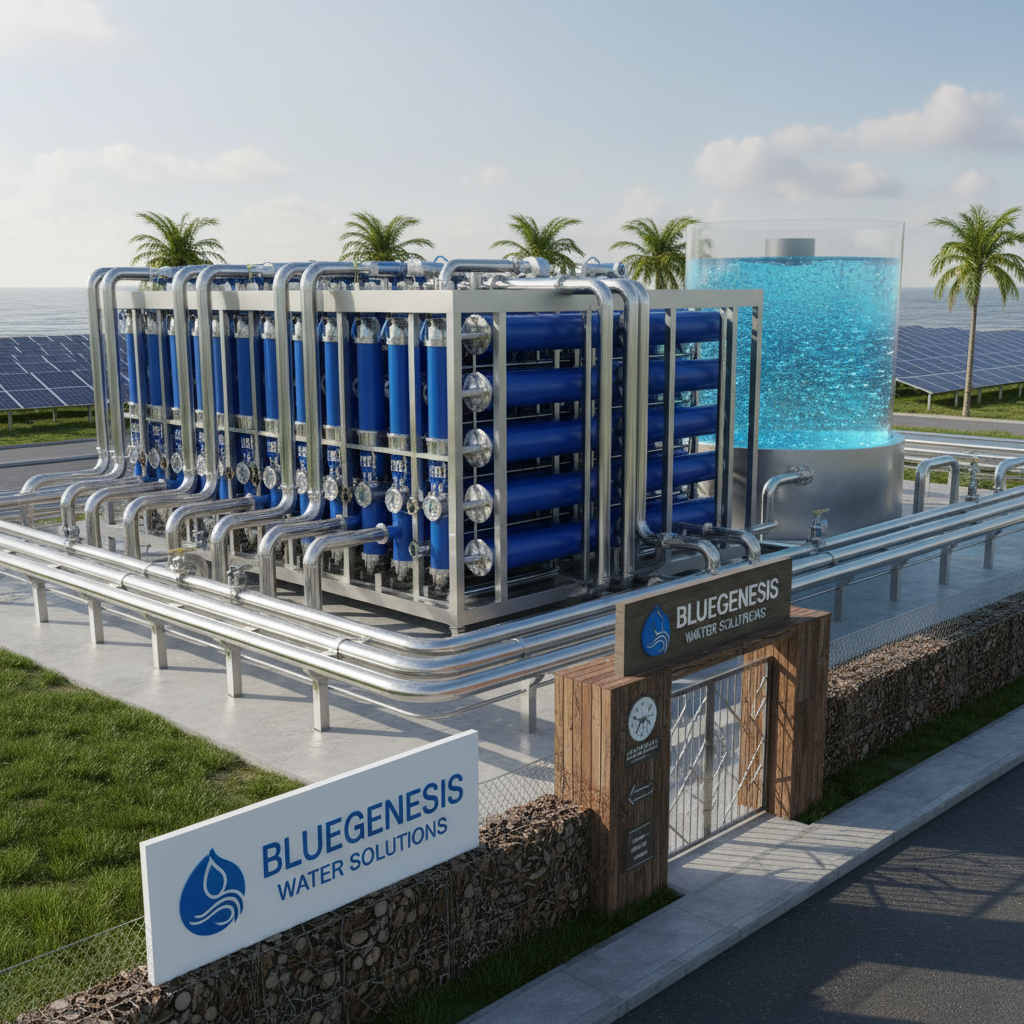
- Integration with renewable energy sources such as solar or wind to reduce carbon footprint in off-grid deployments
These strategies aide clients in meeting environmental targets alongside operational goals, making ultrafiltration a cornerstone of green desalination technology.
10. Company Capabilities and After-Sales Service
Manufacturers specializing in ultrafiltration for seawater provide extensive support that extends beyond product delivery. Key strengths include:
- Comprehensive product portfolios spanning from micro to large-scale desalination units
- Custom engineering services to tailor systems for specific application demands
- Global service networks offering installation supervision, training, and rapid technical support
- Lifecycle management programs optimizing performance and minimizing downtime
Such a robust support system ensures operational continuity and maximizes return on investment for clients worldwide.
11. Conclusion: Leading With Innovation for a Sustainable Water Future
As global freshwater challenges mount, the role of ultrafiltration technology in seawater desalination becomes ever more crucial. The best ultrafiltration system combines cutting-edge membrane science, intelligent automation, and sustainable design to deliver high-purity water reliably and economically. Drawing from market data, technological advances, and real-world projects, it is clear that ultrafiltration stands at the forefront of water treatment innovation. I have witnessed firsthand how tailored ultrafiltration solutions transformed seawater treatment plants, enhancing capacity while reducing operational complexity and cost.
Stakeholders in water infrastructure development are encouraged to deepen their understanding of ultrafiltration benefits and explore collaborations that foster innovation and environmental stewardship. Together, we can harness these vibrant trends in water tech to ensure access to clean, safe water for generations to come.
References
- Grand View Research – Ultrafiltration Market Size & Share | Industry Report, 2030