Access to safe drinking water remains a pressing challenge across many African regions, where water scarcity and contamination impact millions. In this context, understanding what is RO water treatment and how it can contribute to improved water access is crucial for public health and economic development. Reverse Osmosis (RO) technology has become a transformative solution in purifying water from diverse sources, including brackish, seawater, and contaminated supplies.
Many African communities, both rural and urban, struggle with limited and unsafe drinking water. Factors like climate variability, pollution, and inadequate infrastructure exacerbate this scarcity. According to a World Bank study, investing $1 in water and sanitation infrastructure can yield returns between $3 and $34 through enhanced productivity, reduced healthcare costs, and improved quality of life. Such data underscores the ripple effect that water treatment technologies can have on society.
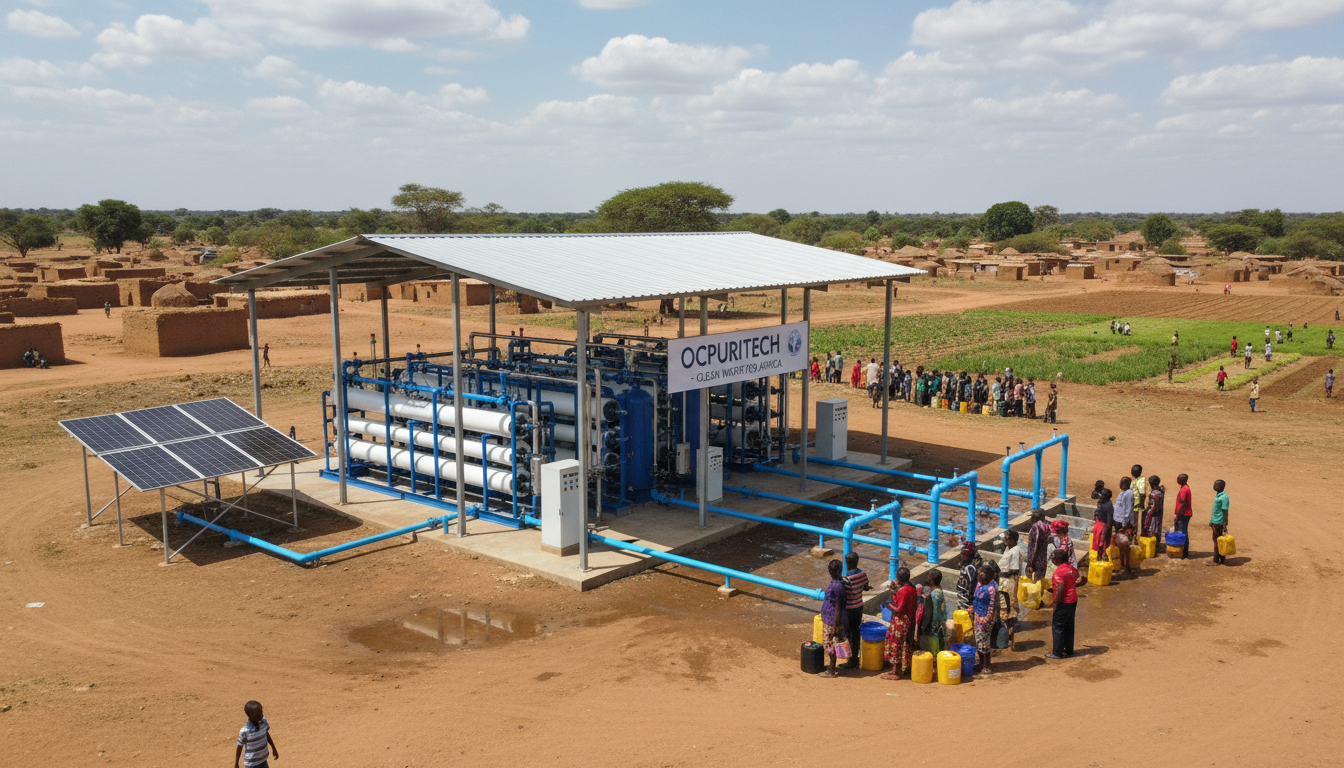
Having worked closely with water projects in East Africa, I have witnessed firsthand how implementing RO water treatment plants in remote areas not only boosts water quality but also catalyzes local economic activity. For example, in a project outside Nairobi, Kenya, the installation of a brackish water RO system enabled a community to access consistent potable water that met international standards, dramatically reducing waterborne diseases in just months.
Investing in water infrastructure in developing countries generates substantial economic and health benefits per World Bank research; every dollar spent can return up to $34, primarily through lower healthcare costs and increased productivity.
Understanding What is RO Water Treatment: Technology and Benefits
At its core, RO water treatment uses a semi-permeable membrane to remove dissolved impurities, salts, bacteria, and other contaminants from water. This process involves forcing water through the membrane under pressure, allowing only pure water molecules to pass through while leaving behind harmful substances. RO is highly effective in tackling both chemical and microbial pollution.
There are various RO systems tailored to different water sources and scales:
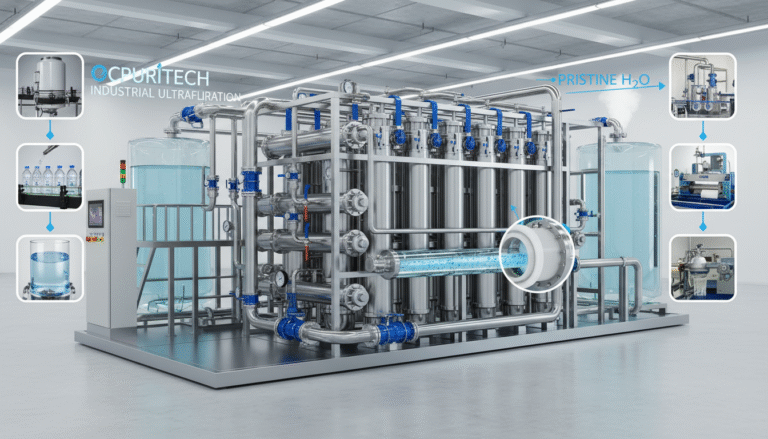
- Remote Control RO Systems for automated industrial water purification ensuring high efficiency and minimal human intervention.
- Brackish Water RO Systems designed to treat groundwater with moderate salinity common in semi-arid African regions.
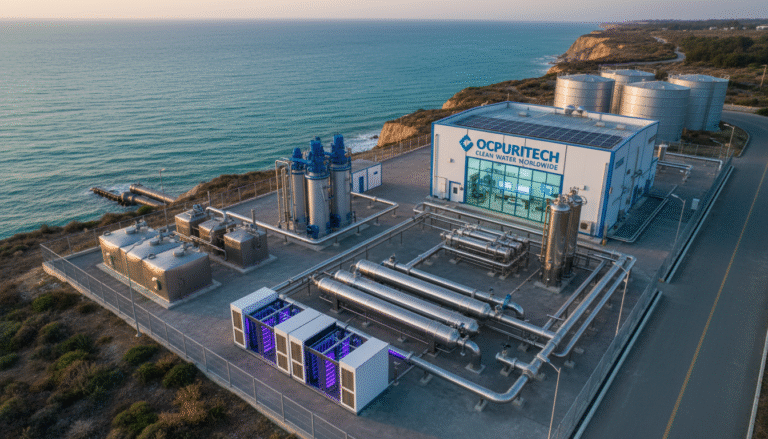
- Seawater Desalination Systems that enable coastal communities to convert seawater into potable water.
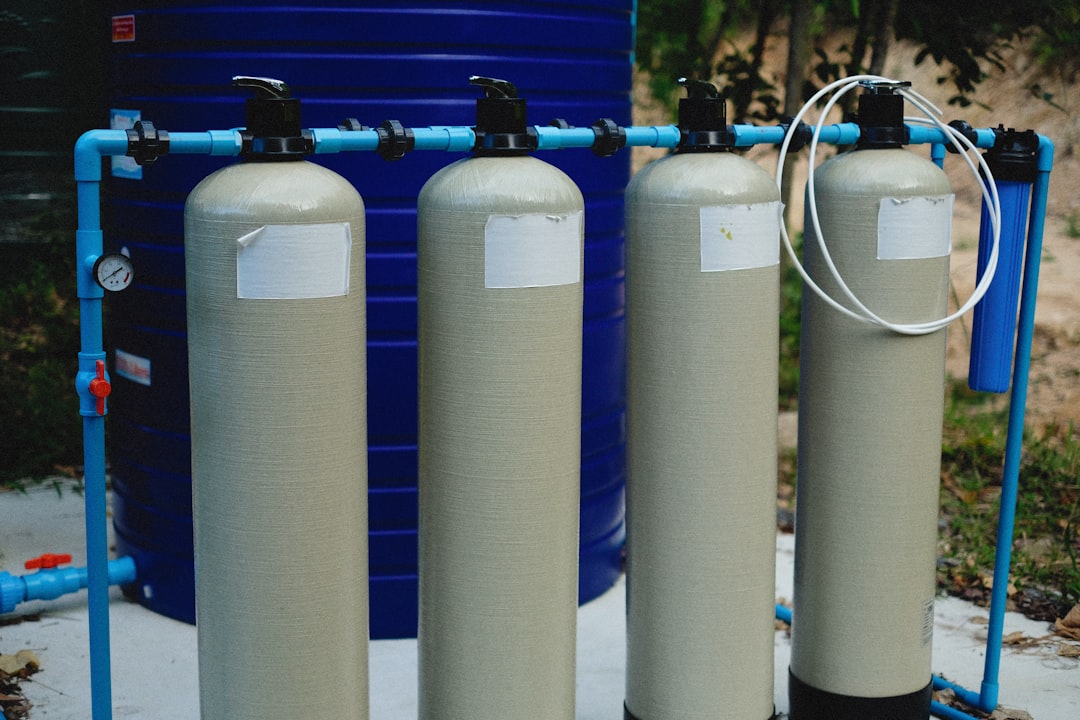
- Pre-treatment units like Sand Filters, Carbon Filters, and Softener systems to protect RO membranes from fouling.
The advantages of RO water treatment include:
- High removal rates of total dissolved solids (TDS), arsenic, fluoride, and pathogens
- Scalability from household filters to large municipal plants
- Minimal chemical usage compared to conventional water treatment methods
- Production of consistently safe and great-tasting water
From my experience supporting beverage factories and hospitals in West Africa, integrating an RO system has consistently yielded improved water quality, meeting strict health standards. These benefits extend beyond potable water to sectors like agriculture and manufacturing, where purified water reduces maintenance and improves product quality.
Regional Water Resource Challenges and Market Demand in Africa
Africa’s water resource landscape is shaped by diverse geographic and climatic factors. Large swaths of land suffer from aridity, variable rainfall, and salinization of groundwater. Coastal regions face the additional challenge of seawater intrusion, which elevates salt content in aquifers, limiting safe water availability. Such conditions create an urgent need for adaptable water treatment solutions.
Many rural and peri-urban populations rely on untreated surface or shallow groundwater sources, which are prone to contamination with microbial pathogens, industrial pollutants, and agricultural runoff. This exposure leads to high incidences of waterborne diseases, negatively impacting health and economic productivity.
A key question is: what are the specific water quality challenges that justify RO adoption in African settings? Key drivers include:
- Excessive levels of total dissolved solids (TDS) and salinity exceeding WHO guidelines
- Presence of arsenic and fluoride above safe limits in groundwater
- Microbial contamination causing high risk of diarrheal diseases
- Growing industrial and agricultural demand for high quality process water
In my consulting work in Tanzania, we addressed these concerns by designing brackish water RO systems combined with ultrafiltration pretreatment. This improved local drinking water standards significantly while also providing water suitable for small-scale irrigation and dairy farming.
Drinking Water Plant Standards and Process Flow with RO Systems
Ensuring water safety means meeting local and international drinking water standards. The World Health Organization (WHO) Guidelines for Drinking-water Quality set benchmarks for parameters such as turbidity, microbial content, arsenic, fluoride, and total dissolved solids. RO water treatment plays a central role in achieving these benchmarks, especially where raw water sources fail to comply.
A typical RO-based drinking water treatment plant includes several stages:
- Pre-treatment: Sand filtration, activated carbon filtration, and water softening to reduce particulates and protect membranes.
- Reverse Osmosis: High-pressure membrane filtration removing dissolved salts, heavy metals, and microorganisms.
- Post-treatment: pH adjustment and disinfection (e.g., UV sterilization) to ensure biological safety and water palatability.
- Monitoring & Automation: Sensors track water quality parameters in real-time, enabling quick corrective action if needed.
In one urban water project I supported in Nigeria, the combination of ultrafiltration pretreatment and RO membranes allowed for consistent production of water with TDS below 50 mg/L and zero E. coli detection—far surpassing local regulatory requirements. Such process control is essential for public health assurance and consumer confidence.
Customized Solutions and Engineering Design for Local Conditions
RO water treatment is not one-size-fits-all. Community size, water source, and operational capacity all influence the design. Custom engineering solutions are critical to maximize efficiency and sustainability.
Key design considerations include:
- Pre-treatment system selection based on raw water quality (e.g., sand filter for turbidity, carbon filter for organics)
- Membrane configuration and recovery rates optimized for feedwater salinity and demand
- Integration of softeners or antiscalants to extend membrane lifespan
- Automated control and remote monitoring to reduce downtime and maintenance needs
- Modular designs that allow phased expansion as demand grows
I recall a project where we downsized an RO plant’s footprint for a rural Kenyan village by incorporating automated remote control systems. This minimized the need for local technical expertise and ensured consistent water quality. Our approach leveraged Ocpuritech’s standardized factory products, providing cost-effective, reliable turnkey solutions adapted for challenging environments.
Real-World Application Cases and Benefits in African Communities
The true measure of RO water treatment’s impact lies in its tangible benefits. From my direct involvement across several African projects, the outcomes are clear:
- Significant reductions in incidence of waterborne infections within months of implementation
- Increased school attendance as children no longer suffer frequent illnesses
- Local employment through plant operation and maintenance roles
- Economic uplift via improved worker productivity and reduced medical expenses, aligning with World Bank findings
One standout example is a community-scale seawater desalination plant on the Kenyan coast. Despite harsh saline conditions, the RO system supplied consistent potable water for over 1,000 residents. This project not only met all WHO standards but also improved community resilience against drought cycles.
Supporting such projects requires commitment to quality and adaptability. Our organization, Ocpuritech, has empowered numerous customers in Africa by delivering high-quality RO equipment and comprehensive after-sales support from our factories in Guangzhou and Jiangmen. Our vision is for everyone worldwide to enjoy clean, pure water produced by reliable reverse osmosis systems, reducing environmental impact simultaneously.
Conclusion: Empowering Africa’s Water Future with RO Technology
In summary, understanding what is RO water treatment reveals its critical role in addressing Africa’s water challenges. By combining cutting-edge membrane technology with tailored engineering and robust process control, RO systems enable access to safe drinking water, protect public health, and boost socio-economic development.
For stakeholders interested in enhancing water infrastructure, collaboration with experienced water treatment solution providers is key. Leveraging trusted technologies like RO, along with ongoing monitoring and local capacity building, ensures long-term success.
We encourage governments, NGOs, and private enterprises to explore customized RO-enabled water treatment solutions. By doing so, they contribute not only to healthier communities but also to Africa’s sustainable development goals.
To learn more about tailored RO water systems and how they can fit your project needs, expert consultation and technical support are readily available from experienced providers. Together, we can make clean water a reality for all.