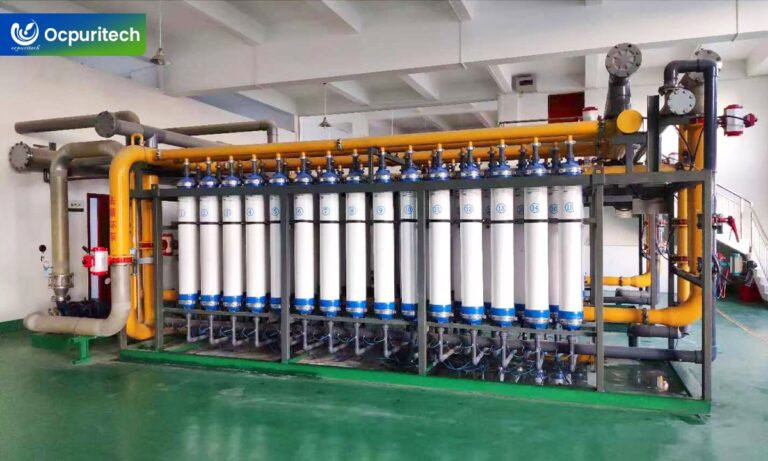
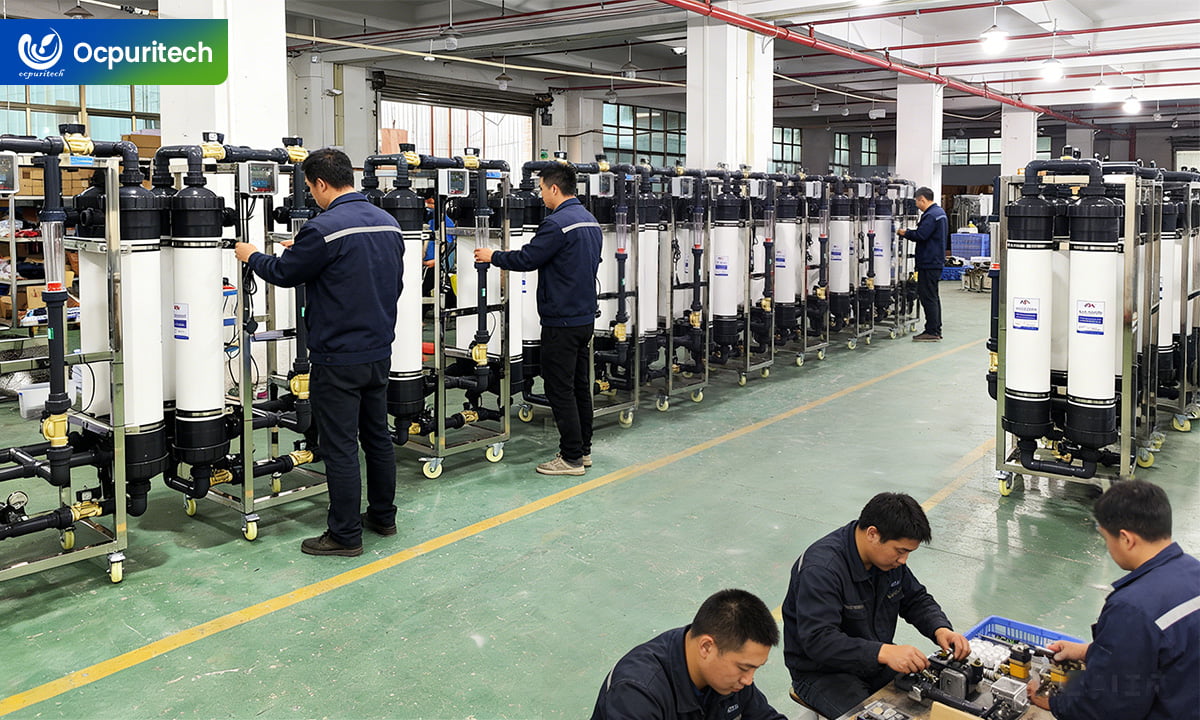
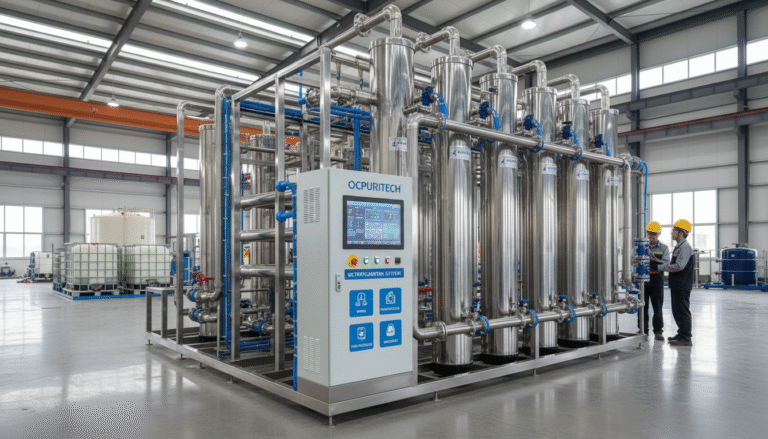
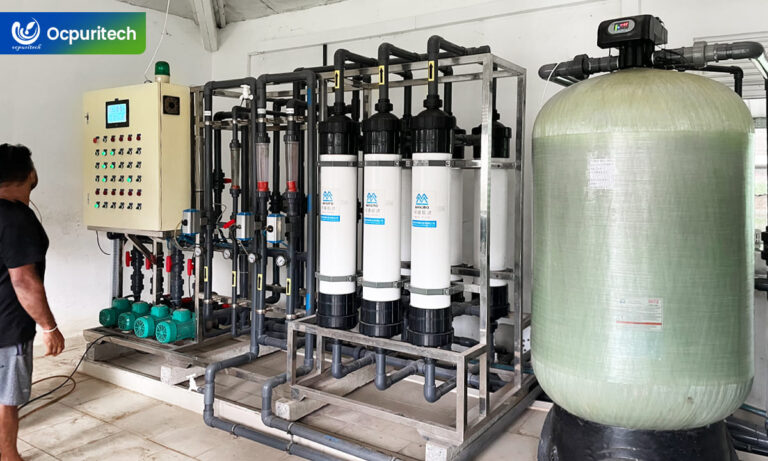
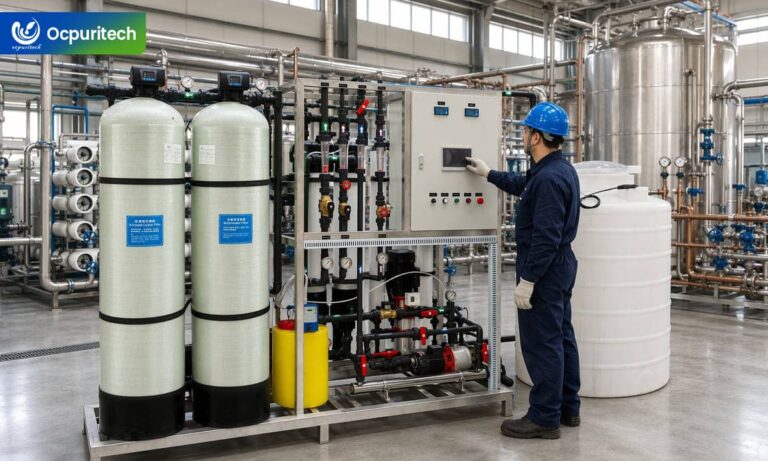
The demand for clean water is ever-increasing, making advanced water treatment technologies more critical than ever. Among these, the ultrafiltration water system stands out as a highly effective solution for removing suspended solids, bacteria, and viruses. Whether you are looking to understand how ultrafiltration membranes improve water quality or searching for industrial water treatment solutions, understanding ultrafiltration technology will better meet your water treatment needs.
However, simply installing a system is not enough; optimizing its performance is key to ensuring long-term efficiency and cost-effectiveness. This article will delve into practical strategies and insights for enhancing your ultrafiltration drinking water system, drawing on real-world examples and expert knowledge. We will explore what ultrafiltration is, how it works, and its advantages compared to other filtration technologies. Additionally, we will dive deeper into the types of ultrafiltration membranes, the substances they can remove, and the scenarios where they are most effective, as well as tips on how to maintain your ultrafiltration system.
1. Introduction to Ultrafiltration Technology
Ultrafiltration (UF) technology represents a significant leap forward in water purification, offering a robust barrier against contaminants larger than its precisely engineered pores. Its growing adoption across various sectors underscores its reliability and efficiency. This introduction sets the stage for a deeper dive into optimizing these crucial systems.
1.1. The Critical Role of Ultrafiltration in Water Treatment
UF plays a vital role in producing high-quality water, acting as a pretreatment for reverse osmosis or as a standalone purification process for drinking water. It effectively removes suspended solids, bacteria, viruses, and other macromolecular organic matter without requiring chemical additives, making it an environmentally friendly option.
1.2. Article Scope: Understanding UF Performance and Optimization
This article aims to provide a comprehensive guide to understanding and optimizing your ultrafiltration water system. We’ll explore its fundamental principles, compare it to other filtration methods, detail its operational mechanics, and offer practical strategies for maintenance and performance enhancement.
2. Understanding Ultrafiltration: Definition and Fundamental Principles
To effectively optimize an ultrafiltration water system, a foundational understanding of what it is and how it functions is essential. This section will clarify its definition and shed light on the key characteristics of its membranes.
2.1. What is Ultrafiltration (UF)?
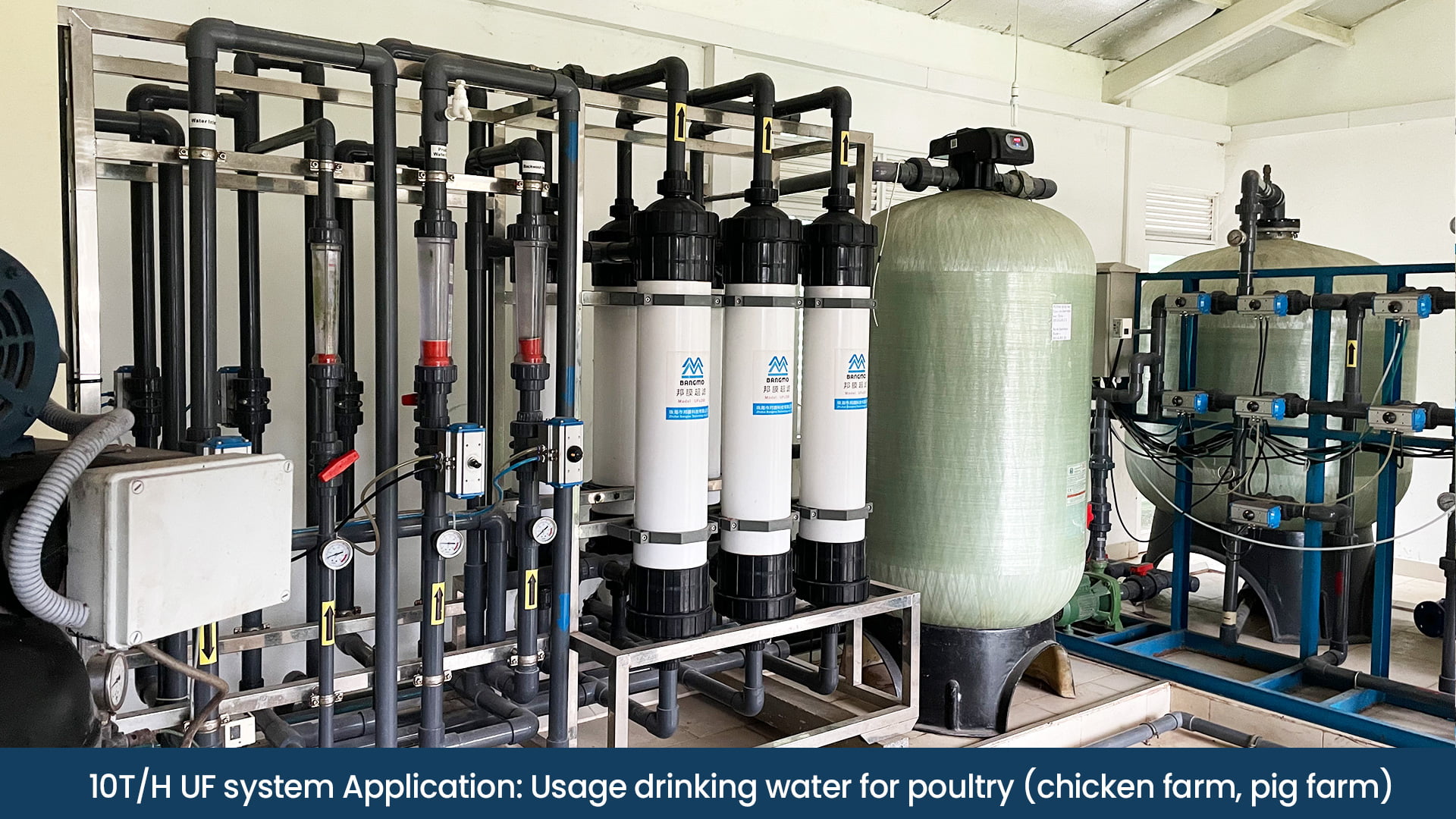
Ultrafiltration is a pressure-driven membrane separation process that utilizes a semi-permeable ultrafiltration membrane to remove suspended particles, colloids, bacteria, and viruses from water. Unlike reverse osmosis, it doesn’t remove dissolved salts, making it ideal for applications where mineral retention is desired but microbial purity is paramount.
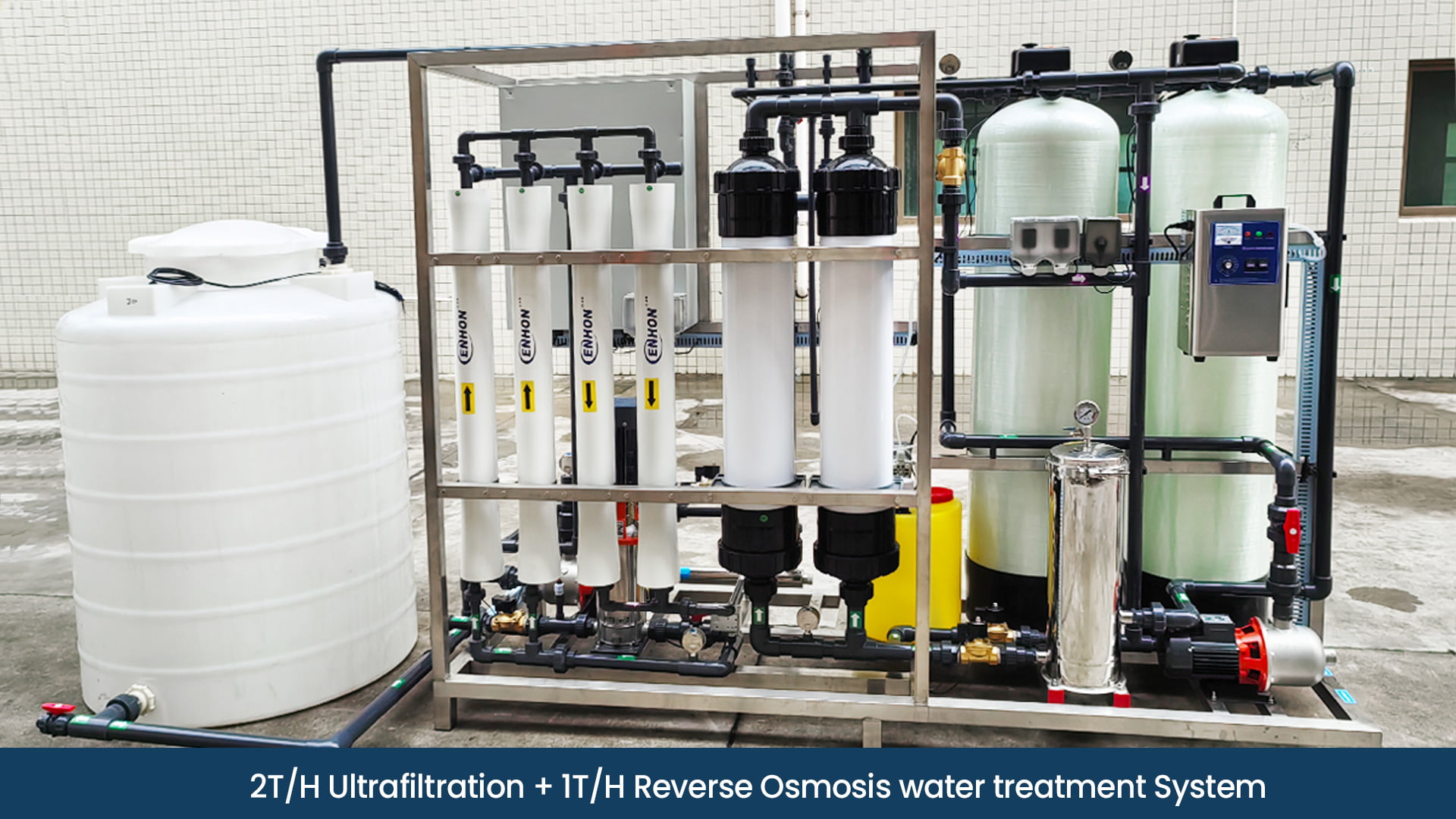
Moreover, when higher water quality is required, ultrafiltration can serve as an ideal pretreatment step for reverse osmosis systems. The ultrafiltration system removes particles that could clog reverse osmosis membranes, thereby extending the lifespan of the reverse osmosis system. UF membranes are also highly versatile, suitable for various water treatment applications, including surface water, seawater, industrial wastewater, and municipal wastewater.
2.2. Key Membrane Characteristics and Materials
UF membranes typically have pore sizes ranging from 0.01 to 0.1 microns, allowing water and dissolved minerals to pass through while retaining larger contaminants.
The hollow fiber filtration process utilizes hollow fiber membranes as the filter media. Driven by a pressure differential between the inside and outside of the fiber, it separates substances based on their physical diameter to achieve purification, separation, and concentration.
- ▪ High porosity with uniform pore size distribution for precise filtration
- ▪ Excellent chemical resistance, high hydrophilicity, and anti-aging properties for an extended service life
- ▪ Low operating pressure requirements (optimally positioned between Microfiltration and Nanofiltration)
- ▪ Lower energy consumption than Nanofiltration (NF) and Reverse Osmosis (RO) systems
- ▪ Consistent output over long-term operation without frequent maintenance
- ▪ Ideal for food, beverage, and pharmaceutical separation processes.
3. Ultrafiltration Compared to Other Filtration Technologies
Understanding where ultrafiltration water system stands in the spectrum of membrane filtration technologies is crucial for its strategic application. This comparison highlights its unique advantages and optimal placement within a comprehensive water treatment scheme.
3.1. Differentiating UF from Microfiltration, Nanofiltration, and Reverse Osmosis
UF operates at a finer filtration level than microfiltration (MF), targeting smaller particles, but generally coarser than nanofiltration (NF) and reverse osmosis (RO). UF membrane pore size typically ranges from 0.01 to 0.1 micron, effectively filtering out sediment, rust, bacteria, and most viruses.
On the other hand, RO membranes have an incredibly small pore size of 0.0001 microns, which allows them to remove almost all impurities, including bacteria, viruses, heavy metals, organic compounds, and pesticide residues. This makes RO technology highly effective for producing pure water, free from almost all minerals.
In contrast, UF, with its larger pore size, retains most of the beneficial minerals in water, such as calcium and magnesium, providing clean water while preserving its essential mineral content.
Technical Comparison: MF vs. UF vs. RO
| Parameter |
Microfiltration (MF) |
Ultrafiltration (UF) |
Reverse Osmosis (RO) |
| Pore Size |
1 – 100 μm |
0.01 – 0.1 μm |
0.0001 μm |
| Separation Principle |
Physical Sieving |
Physical Sieving (Size exclusion) |
Solution-Diffusion / Osmotic |
| Target Contaminants |
Silt, algae, large bacteria, TSS |
Viruses, colloids, macromolecules |
Dissolved salts, ions, heavy metals |
| Operating Pressure |
Very Low (< 15 psi) |
Low (10 – 100 psi) |
High (100 – 1000+ psi) |
| Salt Rejection Rate |
0% |
Negligible (0% – 5%) |
Very High (95% – 99.8%) |
| Recovery Rate |
Very High (> 95%) |
High (85% – 95%) |
Lower (50\ – 75%) |
| Energy Cost |
Lowest |
Low |
Highest |
| Module Configuration |
/ |
Hollow Fiber |
Spiral Wound |
3.2. Strategic Placement of UF in Water Treatment Systems
Due to its capabilities, UF is often strategically placed as a pretreatment step before NF or RO to reduce the fouling load on these more sensitive membranes, extending their lifespan and reducing operating costs. It’s also widely used as a primary treatment for ultrafiltration drinking water system and industrial processes.
Additionally, UF technology offers a high water recovery rate, typically exceeding 90%, and is easy to clean and backwash, making it resistant to clogging and ensuring a longer service life. This makes it an ideal choice for enhancing the performance and durability of downstream filtration systems. It’s also widely used as a primary treatment for ultrafiltration drinking water systems and industrial processes.
4. The Mechanics of Ultrafiltration: How it Works
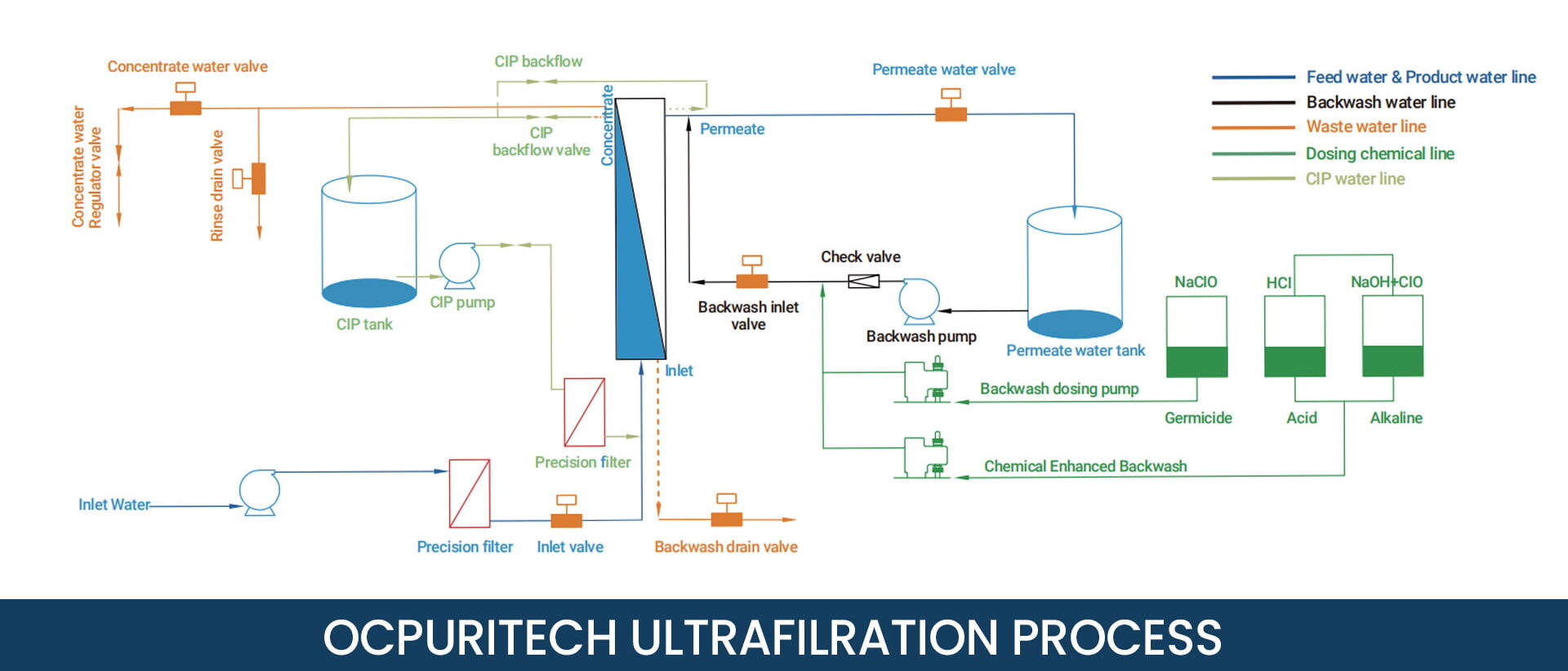
Understanding the operational mechanics of an ultrafiltration water system is crucial for troubleshooting and optimizing its performance. This involves recognizing the forces at play and how operational parameters influence filtration efficiency.
4.1. Driving Forces and Rejection Mechanisms
Ultrafiltration (UF) is a pressure-driven membrane filtration process widely used in water treatment. Under moderate pressure, water is forced across a semi-permeable membrane with pores typically ranging from 0.01 to 0.1 microns. As a result, its primary rejection mechanism is size exclusion: particles larger than the membrane pores are physically blocked, while water molecules and smaller dissolved substances pass through. This highly efficient process thus removes suspended solids and microorganisms effectively, producing clean, high-quality permeate. Consequently, understanding this working principle is essential to recognizing the superior performance of ultrafiltration in water treatment applications.
4.2. Operational Parameters and Flow Dynamics
Key operational parameters include transmembrane pressure (TMP), flux (permeate flow rate), and cross-flow velocity. Maintaining optimal TMP prevents excessive fouling, while adequate cross-flow helps scour the membrane surface, reducing cake layer formation. These dynamics directly impact the efficiency and longevity of the UF water treatment system.
5. Common Ultrafiltration Membrane Configurations

The physical configuration of an ultrafiltration water system significantly influences its application and operational characteristics. Different designs are suited for various feed water qualities and treatment goals.
5.1. Overview of Submerged vs. Pressurized Systems
Submerged UF systems typically involve membranes placed directly in the feed water tank, using suction to draw permeate through the membrane. Pressurized systems, conversely, house membranes in pressure vessels, with feed water pumped under pressure. Each has distinct advantages depending on space, energy consumption, and pretreatment requirements.
5.2. Hollow Fiber and Spiral Wound Membranes: Design and Application
Hollow fiber membranes are self-supporting, allowing for high packing density and efficient backwashing, commonly used in drinking water and wastewater treatment. Spiral wound membranes, while offering high surface area, are typically more sensitive to fouling and are often used downstream of effective pretreatment in a UF water treatment system.
5.3. Tubular and Plate-and-Frame Modules: Specialized Uses
Tubular membranes are robust and can handle highly viscous or high-solids feeds due to their large flow channels, making them suitable for industrial wastewater. Plate-and-frame modules are versatile but less common for large-scale water treatment, often found in smaller, specialized applications requiring easy access for cleaning.
6. Advantages and Limitations of Ultrafiltration
While a powerful tool in water treatment, an ultrafiltration water system comes with both significant benefits and certain constraints that must be considered for optimal deployment.
6.1. Core Benefits of Implementing UF Systems
Ultrafiltration offers numerous key advantages in water treatment, making it a widely preferred solution for both municipal and industrial applications. Beyond delivering high-quality permeate suitable for drinking water or further purification processes, UF systems ensure consistent performance with minimal chemical consumption and a compact footprint.
In particular, hollow fiber UF membranes act as a reliable physical barrier against suspended solids and pathogens. They effectively remove bacteria and viruses, providing robust protection against harmful microorganisms while consistently producing low-turbidity, low-SDI effluent.
6.2. Recognizing the Constraints and Challenges of UF
Limitations include susceptibility to membrane fouling, which requires regular cleaning, and inability to remove dissolved solids, salts, or very small organic molecules. These factors impact operating costs and the need for appropriate pretreatment or post-treatment.
7. What Ultrafiltration Removes: Target Contaminants
Understanding precisely what an ultrafiltration water system can and cannot remove is fundamental to its appropriate application and ensuring water quality compliance.
7.1. Key Substances Effectively Removed by UF
Ultrafiltration is highly effective at removing a wide range of contaminants from water.
- Organic Matter: ① Natural Organic Matter (NOM): UF membranes can remove large fractions of NOM, particularly humic and fulvic acids, proteins, and polysaccharides. ② Biopolymers: These are effectively removed by UF membranes. ③ Particulate Organic Matter: UF excels at removing larger colloidal and suspended organic materials.
- Microorganisms: Bacteria (e.g., E. coli), viruses(e.g., rotavirus), protozoa (like Cryptosporidium), and other pathogens.
- Particulate Matter: Suspended solids, silt, rust, sediments, and colloids.
- Turbidity: Cloudiness in water caused by suspended particles.
In addition, UF effectively removes high‑molecular‑weight organic compounds, making it an excellent choice for drinking water treatment applications.
7.2. Contaminants Not Typically Removed by UF
It is important to note that while ultrafiltration (UF) is highly effective at removing many contaminants, it does not remove dissolved salts, heavy metals, industrial chemicals, ions smaller than the membrane pore size, or low‑molecular‑weight organic contaminants. Therefore, for the removal of these substances, further treatment processes such as nanofiltration, reverse osmosis, activated carbon filtration, or ion exchange are typically required.
8. Maintenance and Operational Best Practices for UF Systems

Effective maintenance is the cornerstone of a high-performing ultrafiltration water system. Neglecting routine care can lead to reduced efficiency, increased energy consumption, and premature membrane failure.
8.1. Pretreatment Maintenance: Protecting Membranes from Severe Foulants
Effective pretreatment is critical for protecting ultrafiltration membranes. Specifically, removing oils and viscous organic matter upstream prevents premature membrane wear. Consequently, this stabilizes maintenance cycles and maximizes the overall service life of the UF modules.
8.2. Routine Cleaning Strategies: Backwashing and Chemical Cleaning
Regular backwashing is critical to dislodge accumulated foulants from the ultrafiltration membrane surface, restoring flux. Chemical cleaning, performed periodically (e.g., weekly or monthly depending on fouling), uses specialized chemicals to remove more stubborn organic, inorganic, or biological fouling, crucial for the longevity of the UF water treatment system.
8.3. Monitoring Key Performance Indicators for Optimal Operation
Continuous monitoring of parameters like transmembrane pressure (TMP), permeate flux, and water quality (turbidity, SDI) is essential. A sudden increase in TMP or decrease in flux indicates fouling, signaling a need for cleaning. I’ve found that maintaining a detailed log of these KPIs helps predict maintenance needs and avoid unplanned downtime.
9. Applications and Commercial Implementation of UF Systems
The versatility of the ultrafiltration water system makes it a valuable asset across numerous industries and municipal services, highlighting its broad utility in various water treatment scenarios.
9.1. Diverse Industrial and Municipal Applications
UF systems are extensively used in municipality for potable water treatment, industrial process water purification (e.g., electronics, food & beverage), and wastewater reuse. Their ability to deliver high-quality effluent makes them indispensable for compliance with stringent regulatory standards. In one project, installing a UF water treatment system significantly reduced the turbidity of municipal wastewater to meet discharge limits, turning a costly problem into a sustainable solution.
9.2. Guidance for Selecting and Deploying UF Solutions
Selecting the right UF system involves assessing feed water characteristics, desired permeate quality, flow rates, and available space. A thorough pilot study or expert consultation is often recommended to determine the optimal ultrafiltration membrane type and system design for specific applications, ensuring cost-effective and efficient deployment.
10. Conclusion and Next Steps for Water Treatment Optimization
Optimizing an ultrafiltration water system is an ongoing process that yields significant returns in water quality, operational efficiency, and cost savings.
10.1. Summarizing the Value of Ultrafiltration
Ultrafiltration systems offer a reliable and robust solution for water purification, delivering high-quality water free from suspended solids, bacteria, and viruses, which is crucial for public health and industrial processes.
10.2. Ocpuritech: Your Partner in Advanced Water Treatment Solutions
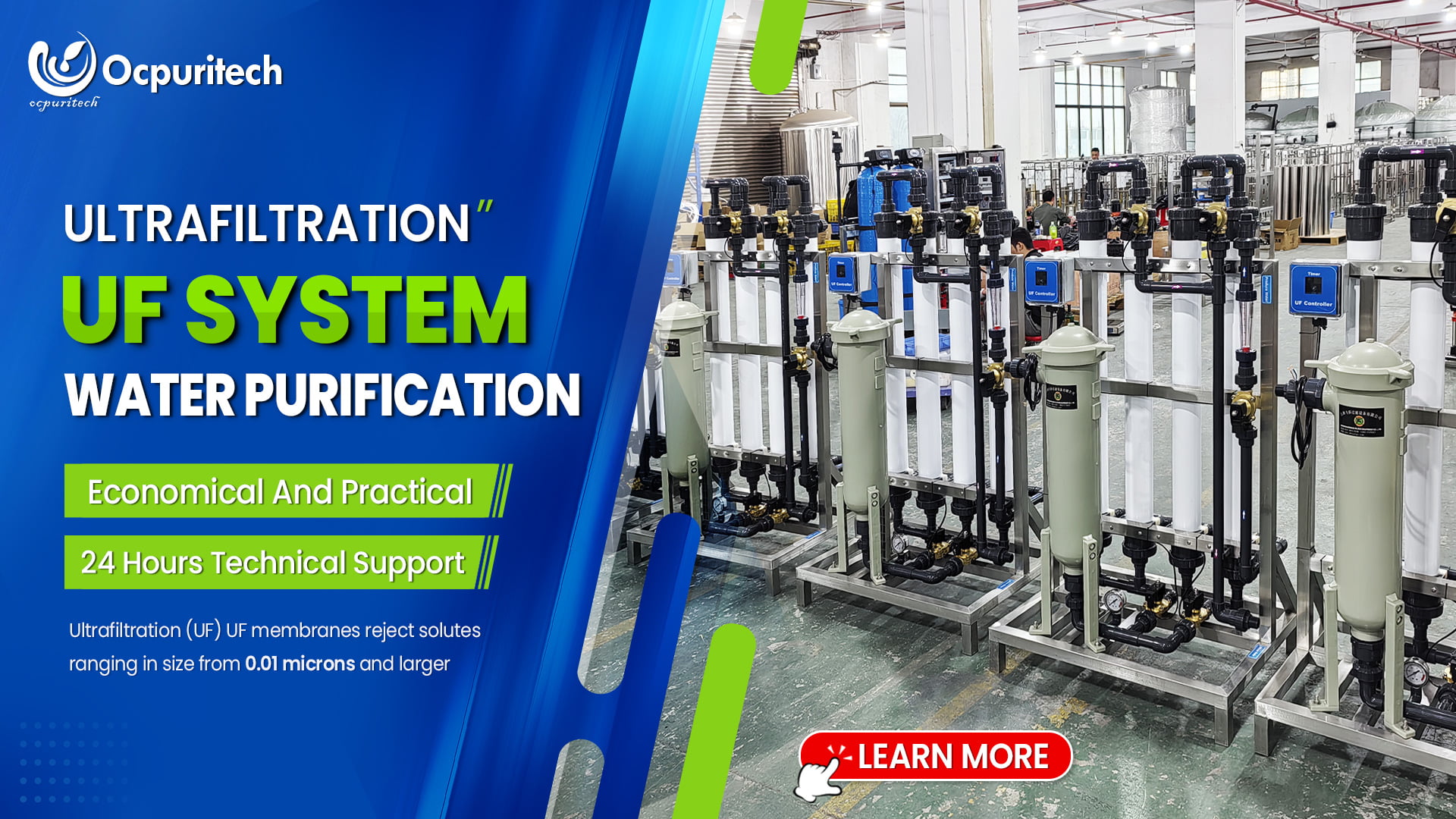
For those looking to implement or optimize an ultrafiltration water system, Ocpuritech offers advanced, customizable solutions and expert support to meet diverse water treatment needs and challenges. Contact Us!
Frequently Asked Questions About Optimizing Ultrafiltration Water Systems
Q1: What is an ultrafiltration water system?
Ultrafiltration (UF) is a pressure-driven membrane filtration process that removes particles, bacteria, viruses, and macromolecules from water, using membranes with pore sizes between 0.01 and 0.1 microns. It allows dissolved salts to pass through while providing microbial purification.
Q2: What materials are commonly used in ultrafiltration membranes?
Ultrafiltration membranes are made from polymeric materials such as polysulfone (PS), polyethersulfone (PES), and polyvinylidene fluoride (PVDF). These materials provide chemical resistance, mechanical strength, and precise pore structures for effective filtration.
Q3: What defines an ultrafiltration drinking water system?
An ultrafiltration drinking water system is specialized for potable water purification. It removes suspended solids, bacteria, viruses, protozoa, and organic macromolecules without chemicals, ensuring safe and clean drinking water through a compact and efficient membrane-based process.
Q4: How to perform maintenance and cleaning on an ultrafiltration water system?
To maintain optimal UF system performance, regularly perform backwashing to remove surface foulants and schedule periodic chemical cleaning to eliminate embedded contaminants. Monitor transmembrane pressure and permeate flux to determine cleaning intervals and prevent membrane damage.
Q5: How to optimize operational parameters in a UF water treatment system?
Optimizing an ultrafiltration water system involves adjusting operational parameters like transmembrane pressure and cross-flow velocity. Increasing cross-flow reduces membrane fouling by scouring the surface, while maintaining optimal pressure prevents excessive deposition of particles.
Q6: How to select and deploy the right ultrafiltration system for my application?
Selecting a UF system requires assessing feed water quality, desired permeate purity, flow rates, and available space. Conducting pilot tests or consulting experts like Ocpuritech helps determine the best membrane type and system configuration for specific needs.
Q7: What is the difference between ultrafiltration and reverse osmosis in water treatment?
Ultrafiltration is effective in removing suspended solids and microorganisms but does not remove dissolved salts or low-molecular-weight organics. Nanofiltration and reverse osmosis are better suited for removing these smaller contaminants, offering higher rejection levels but at increased cost and pressure requirements.
Q8: What are the key differences between ultrafiltration and nanofiltration membranes?
Ultrafiltration membranes primarily remove particles larger than 0.01 microns, including bacteria and viruses, through size exclusion. Reverse osmosis membranes filter at the molecular level, removing dissolved ions and salts, thus offering more comprehensive purification but requiring higher pressure and energy.
Q9: Why does membrane fouling occur in ultrafiltration systems and how to address it?
Ultrafiltration fouling occurs from particle deposition and biofilm formation on membranes, leading to reduced permeate flow. Ocpuritech recommends routine backwash with clean water and periodic chemical cleaning using citric acid or alkaline solutions to restore membrane performance and prolong lifespan.
Q10: Why combine ultrafiltration with reverse osmosis in water treatment?
Integrating UF as pretreatment before reverse osmosis reduces fouling load on RO membranes, extending their lifespan and lowering operational costs. UF efficiently removes larger contaminants, while RO further purifies water by removing dissolved salts and smaller molecules, making their combination ideal for high-quality needs.