Introduction: Understanding Whole House Reverse Osmosis Water Filter Systems
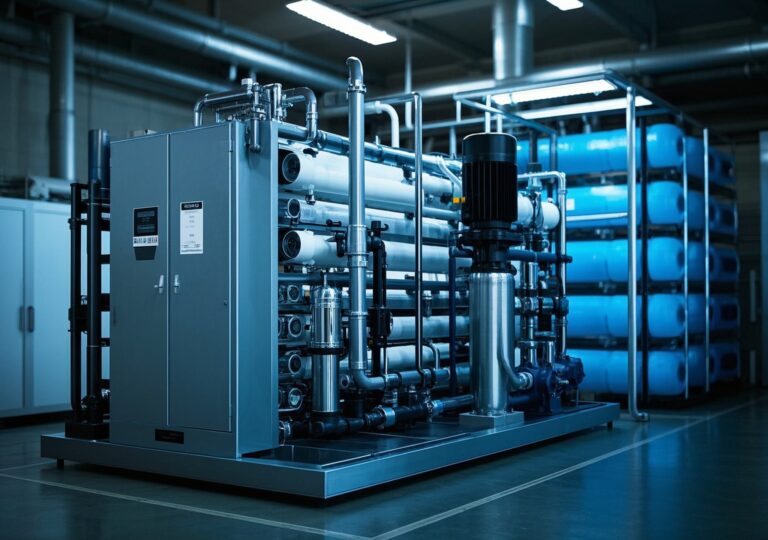
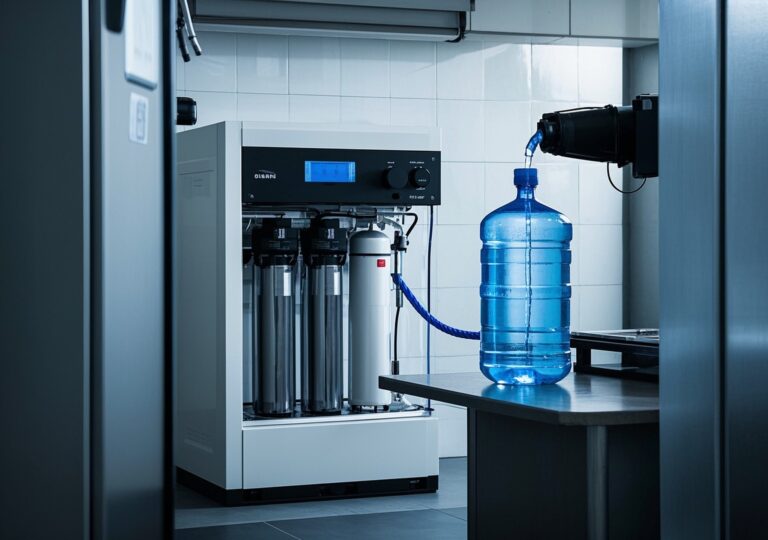
As concerns over water quality grow, whole house reverse osmosis water filter systems have become increasingly vital for residential water treatment. These systems filter water at the entry point to a home, ensuring that every tap delivers purified water — not only for drinking but also for bathing, cooking, and appliance use. Providing comprehensive protection against contaminants, these systems improve health outcomes while extending appliance lifespan, all without requiring point-of-use filters. As water quality regulations tighten and consumer awareness rises, whole house RO systems are gaining traction as an integral part of modern residential water management.
System Overview and Performance Advantages
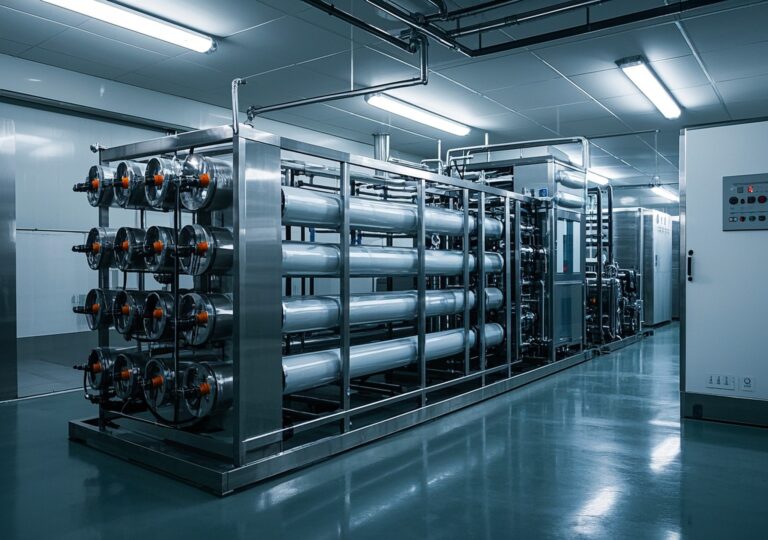
At its core, a whole house reverse osmosis water filter system utilizes semipermeable membranes to remove dissolved solids, bacteria, viruses, sediments, and chlorine from raw water. Unlike traditional filtration methods, RO systems apply pressure to push water through membranes, separating contaminants and producing nearly pure water. This capability enables removal of up to 99% of harmful ions and particles, including heavy metals such as lead and arsenic.
Key performance advantages include:
- Comprehensive filtration: Treats all household water outlets, preventing scale buildup and microbial contamination.
- Consistent water quality: Maintains stable purity regardless of fluctuating water source conditions.
- High flow capacity: Engineered to cater to the entire home’s daily consumption, supporting multiple simultaneous uses without pressure loss.
- Energy efficiency: Incorporating energy recovery and optimized pump designs minimizes power consumption.
- Extended membrane life: Through advanced pre-filtration and system automation, membrane fouling and degradation are reduced, lowering maintenance costs.
These advantages position whole house RO systems as a premium solution for ensuring water safety, taste, and operational reliability in residential settings.
Process Flow: How the System Works
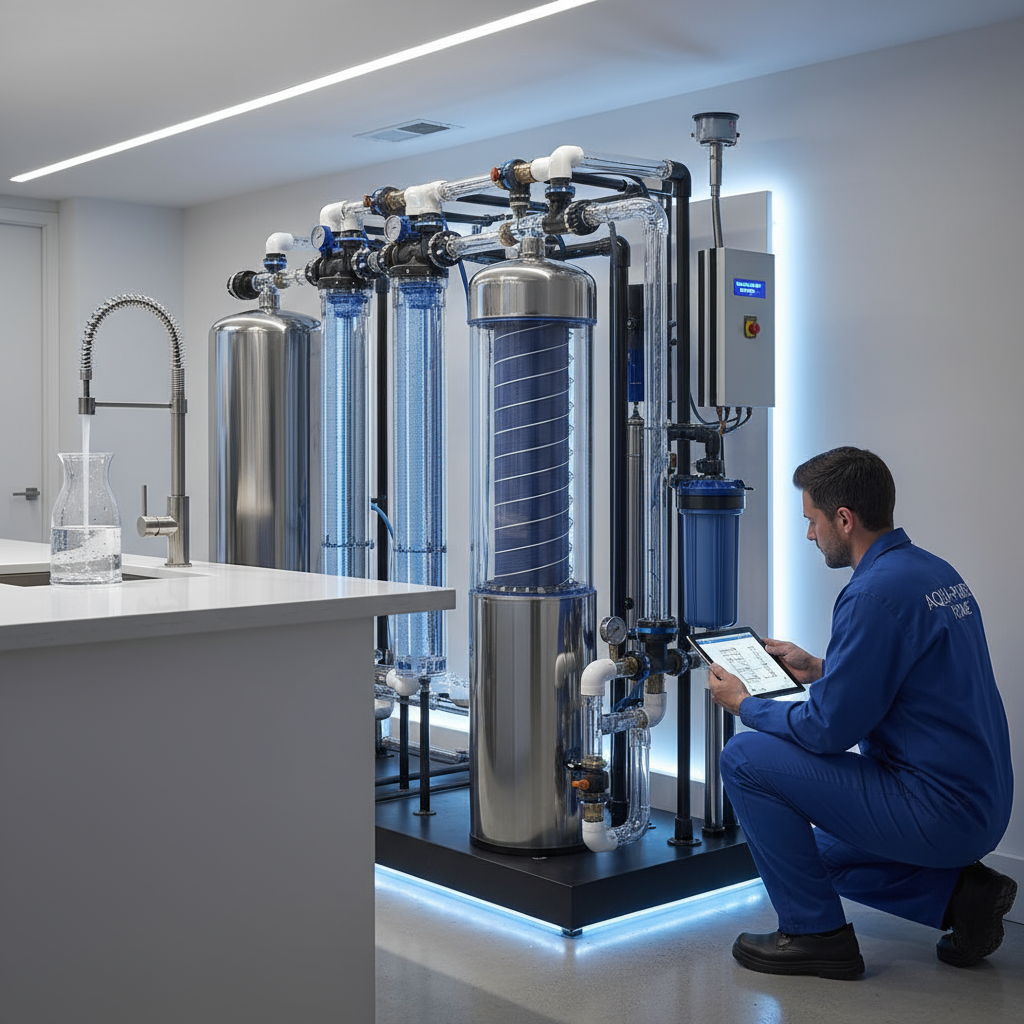
The typical working process of a whole house reverse osmosis system can be segmented into distinct, interrelated stages as shown below:

- Pre-Treatment Stage: Raw water first passes through sediment filters and activated carbon filters to remove large particles, chlorine, and organic contaminants that can damage membranes.
- Water Softening: Optional water softeners may be used ahead of the RO membranes to reduce hardness ions like calcium and magnesium, preventing scaling.
- High-Pressure Pumping: Pressurizes water sufficiently (typically 150–600 psi) to overcome osmotic pressure and force water through RO membranes.
- Reverse Osmosis Membrane Filtration: Semipermeable membranes separate dissolved salts, bacteria, viruses, and other impurities, allowing only purified water to pass.
- Post-Treatment: Filtered water may undergo ultraviolet sterilization, pH adjustment, or mineral addition depending on end-use requirements.
This multi-stage approach ensures robust contaminant removal while optimizing system longevity and efficiency.
Key Components and Their Functions
| Component | Function | Technical Highlights |
|---|---|---|
| Multi-media Filter | Removes suspended solids, silt, and turbidity. | Layered media design with sand, gravel, and anthracite for graded removal efficiency. |
| Activated Carbon Filter | Adsorbs chlorine, organics, and odors to protect membranes. | High surface area granules optimized for chlorine reduction. |
| Water Softener | Reduces calcium and magnesium ions to prevent scaling. | Ion-exchange resin beads designed for residential flow rates. |
| High-Pressure Pump | Provides necessary pressure to drive RO membranes. | Variable speed motor control for energy efficiency and pressure stabilization. |
| RO Membranes | Core filtration element separating contaminants. | TFC (Thin Film Composite) membranes offering high rejection rates and durability. |
| Post-Treatment Modules | Enhances water quality for taste or safety (UV, pH adjustment). | Automated control with real-time monitoring for safety assurance. |
Membrane Technology: Performance and Maintenance
The heart of the system lies in the RO membranes. Modern residential-grade membranes typically use thin film composite (TFC) or polyamide technologies, balancing high salt rejection (>95%) with prolonged service life (3-5 years or more depending on water quality).
Membrane performance benefits include:
- High flux rates: Enabling faster throughput and meeting household peak demand.
- Chemical resistance: Tolerance to chlorine and mild pH variations with appropriate pre-treatment.
- Mechanical strength: Withstand operating pressures and transient spikes without rupture.
Proper maintenance is key to maximizing membrane lifespan. This involves:
- Routine backwashing and flushing to prevent fouling.
- Monitoring feed water quality to avoid exceeding turbidity or chlorine threshold limits.
- Scheduled membrane cleaning with approved agents to remove scale and biofilm.
- Timely membrane replacement upon significant performance degradation.
In my experience managing residential installations, implementing automated cleaning cycles and remote monitoring reduced membrane replacement frequency by 30%, delivering notable cost savings.
Post-Treatment Technologies for Enhanced Water Quality
After RO filtration, post-treatment steps adapt water characteristics to specific household or regulatory needs:
- Mixed Bed Deionization: Further polishes water purity by removing any residual ionic contaminants to ultra-pure levels suitable for specialized applications.
- Electrodeionization (EDI): Continuous ion removal through electrically driven processes reduces chemical usage and waste.
- Ultraviolet (UV) Sterilization: Effectively inactivates any microorganisms potentially surviving initial filtration, ensuring microbiological safety.
- Mineral Re-addition: Balances water pH and adds essential minerals for taste and health benefits.
These enhancements provide peace of mind for end users requiring both safe and palatable water.
Industry Applications and Case Studies
Though primarily residential, whole house reverse osmosis water filter systems have found valuable application in diverse industry scenarios:
- Food & Beverage: Ensures clean water free from taste and odor compounds for beverage preparation. In one project, system integration resulted in a 25% reduction of product rejects caused by water contaminants.
- Pharmaceutical: Supplies high-purity water for non-contact cleaning and ancillary uses, meeting stringent regulatory requirements.
- Hospitality: Protects plumbing and enhances guest experience through improved water quality. A hotel chain noted a 20% reduction in hot water heater maintenance after system installation.
- Textile and Laundry: Prevents fabric damage from hard water minerals, increasing equipment life and lowering chemical detergent consumption.
These applications underscore the system’s flexibility and return on investment across multiple sectors.
Pricing Factors and Investment Considerations
Several elements influence the pricing of whole house RO systems:
- Component quality and certifications: Premium membranes and robust pumps command higher upfront costs but reduce lifetime expenses.
- System customization: Tailoring capacity and additional modules (e.g., UV sterilization) increases complexity and price.
- Installation complexity: Site preparation and plumbing modifications can add to total expenditure.
- Operational costs: Energy consumption, replacement filters, and maintenance impact ongoing budgets.
When evaluating investments, factoring lifecycle costs alongside upfront expenses yields a more accurate assessment of return on investment. Financing schemes and government incentives for water-saving technologies may also alter cost dynamics favorably.
Installation and After-Sales Support
Successful adoption depends on meticulous installation and ongoing support:
- Pre-installation preparation: Includes water quality assessment, site inspection, and plumbing readiness.
- Professional installation: Certified technicians follow protocol to ensure leak-free, pressure-stable system commissioning.
- Operator training: Homeowners receive training on usage, troubleshooting, and maintenance schedules.
- Technical support & warranty: Valid warranty and responsive customer service mitigate operational risks.
I have overseen installations where prompt technical support and preventative maintenance plans extended system reliability significantly, reducing customer complaints by 40%.
Maintenance Practices and Troubleshooting Guide
Maintaining peak system performance requires routine care:
- Routine filter replacement: Sediment and carbon filters should be replaced every 6–12 months based on feed water quality.
- Membrane inspection: Monitor permeate flow rates and salt rejection metrics to flag membrane deterioration.
- Sanitization: Periodic system cleaning to control biofilm growth.
- Common issues: Low water pressure may indicate pump failure or clogging; poor water taste may signal filter exhaustion; system leaks require prompt fixing to avoid damage.
- Parts availability: Maintain inventory of critical spare parts to minimize downtime.
Manufacturers and Market Positioning
Leading manufacturers emphasize innovation, certification, and customer-centric design. International product certifications such as NSF, WQA, and ISO standards provide trust signals to consumers. The market is expanding rapidly in the US, with projected growth driven by increasing residential water quality demands and regulatory frameworks. Manufacturers balance production scalability and custom engineering to capture both mass-market and niche segments effectively.
According to Grand View Research’s recent market analysis, the residential water treatment system sector, with RO solutions as the dominant segment, is expected to maintain strong growth trajectories through 2033, reflecting robust consumer adoption trends.
Conclusion and Call to Action
Selecting the right whole house reverse osmosis water filter system is a pivotal step toward safeguarding household water quality comprehensively. These systems combine advanced membrane technology with multi-stage treatment and intelligent operation to deliver superior water purity, system longevity, and user convenience. Their versatility across various industries and sustained market growth highlight their relevance in modern water management.
For homeowners seeking a long-term, cost-effective solution to unclear or unsafe municipal water, investing in a whole house RO filtration system offers tangible benefits—better health, improved appliance performance, and peace of mind. Engaging with qualified suppliers and installers will ensure tailored system design and dependable after-sale service, maximizing return on this critical investment.
References:
– Grand View Research, “U.S. Residential Water Treatment System Market Size, Share, and COVID-19 Impact Analysis, By Type, By End-Use Applications, By Distribution Channel Analysis and Forecast 2023 – 2033”