Xenial Strategies: treatment for well water Paves the Way for Future Desalination
Access to safe and clean drinking water is a cornerstone of public health and sustainable development. Among many water sources, private wells remain vital for millions worldwide. However, ensuring the potability of well water requires sophisticated treatment for well water approaches that not only safeguard health but also inform advances in large-scale desalination technologies. This article offers an in-depth examination of well water treatment methods, highlighting cutting-edge practices and their implications for future desalination innovations.
1. Introduction: Industry Context and Expertise
Water treatment has evolved dramatically over recent decades, shaped by growing environmental challenges and technological leaps. Specialized water treatment equipment manufacturers operate at the nexus of industrial, municipal, and remote water supply needs, providing solutions that range from point-of-use residential filters to complex modular desalination plants. Within this landscape, expertise in well water treatment has become a critical enabler of downstream desalination technologies, particularly as global freshwater scarcity intensifies.
Years of experience in designing robust filtration and disinfection systems for private wells have equipped some companies with unique know-how. They specialize in integrating multi-stage treatment components—from sediment removal to membrane filtration—within compact and scalable units. Such integration enhances water quality reliability, laying groundwork principles that resonate in cutting-edge seawater desalination units.
2. Product Overview: Core Technologies and Variants
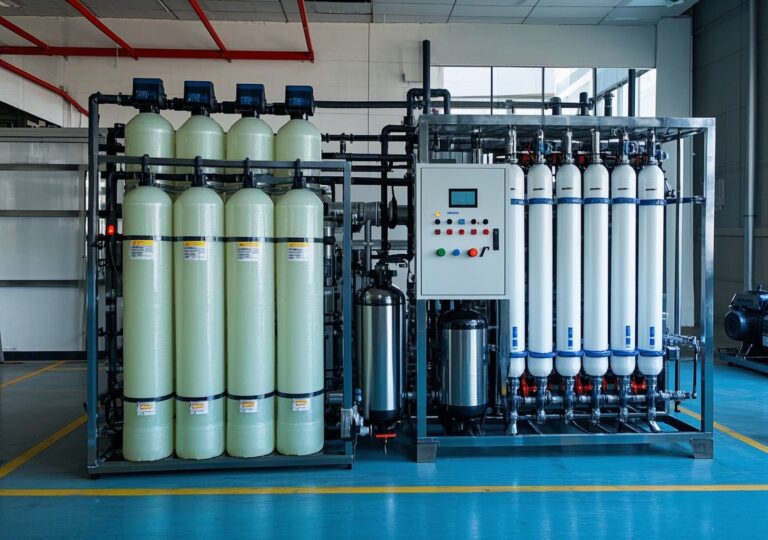
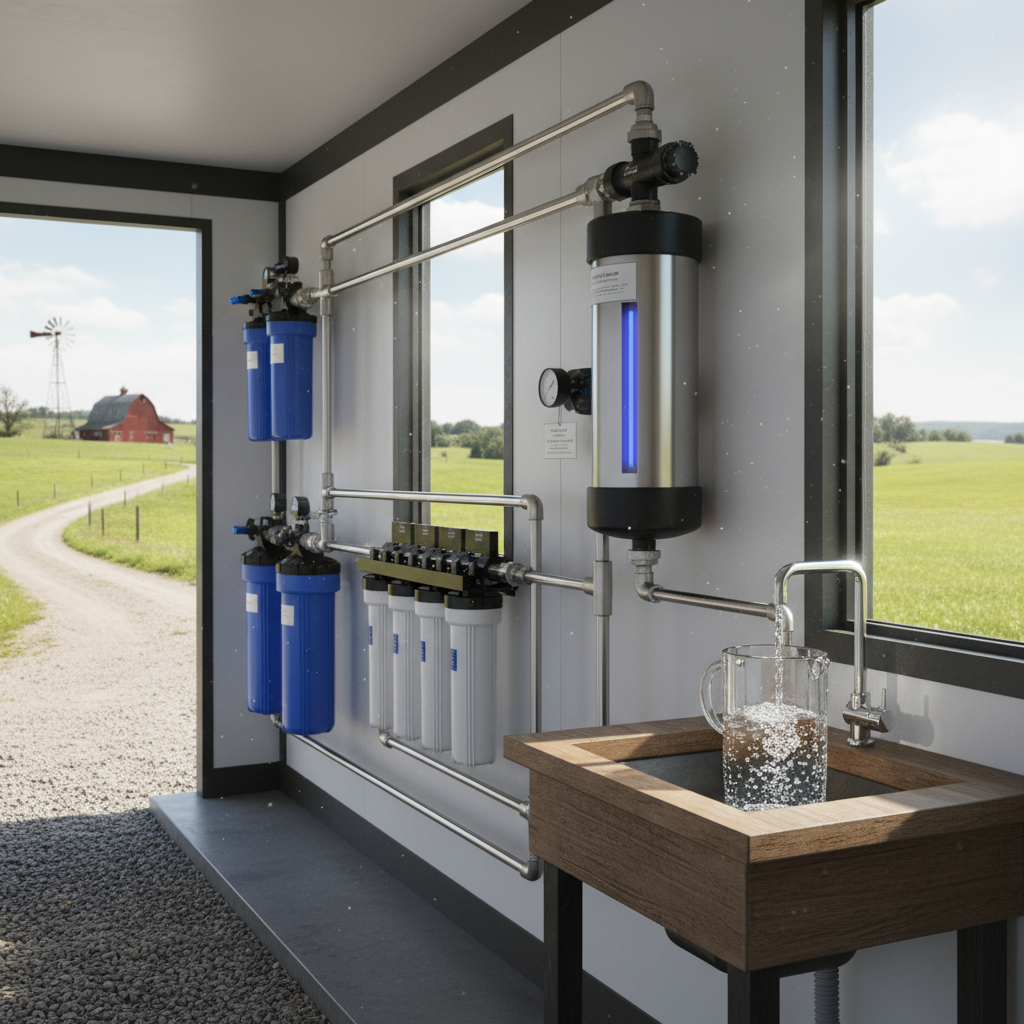
Modern treatment for well water systems typically include the following principal components:
- Sediment Filters: These are essential for removing particulate matter like sand, rust, and silt. Deep-bed filters use media such as anthracite, silica sand, or garnet to trap sediments effectively, protecting downstream components.
- Activated Carbon Filters: Leveraging high-surface-area carbon materials derived from coconut shells or hardwood, these filters adsorb chlorine, pesticides, herbicides, and organic contaminants. Notably, some activated carbons reduce emerging pollutants like PFAS.
- Membrane Filtration:
- Reverse Osmosis (RO): The cornerstone of advanced purification, RO employs semi-permeable membranes under pressure to remove bacteria, viruses, heavy metals (lead, arsenic, fluoride), and dissolved salts. RO modules often pair with pre-filters and carbon units to maximize efficacy and membrane lifespan.
- Disinfection Systems: Including chlorination (regular and shock), ultraviolet (UV) light, and ozonation, these methods target microbial pathogens to ensure biological safety.
- Distillation Units: A thermal process that vaporizes water, leaving behind contaminants; useful where dissolved solids are exceptionally high, though less effective against certain volatile organics.
- Ion Exchange and Water Softeners: Used primarily for hardness removal by replacing calcium and magnesium ions with sodium or potassium. Some systems also target radium, nitrate, or chromium.
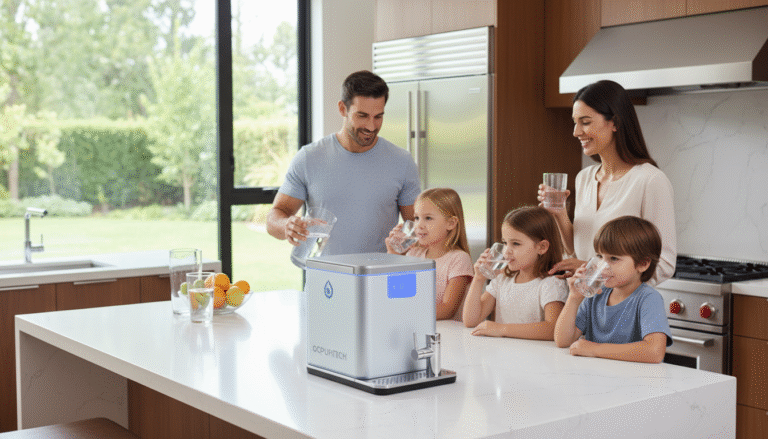
These components are available in both Point-of-Use (POU) models—compact units designed for kitchen taps—and Point-of-Entry (POE) systems, which treat all household water. System selection is carefully matched to local water analysis data to address specific contaminants effectively.
3. Focus on Seawater Desalination Systems
Well water treatment strategies serve as a microcosm of the larger, more complex challenges in seawater desalination. Techniques like membrane filtration, especially RO, are foundational to both domains. Desalination units capitalize on multi-stage filtration, pre-treatment to remove suspended solids, and intensive disinfection steps to produce potable water.
Modern desalination equipment benefits from enhanced membrane durability, optimized pressure vessels, and energy recovery devices that significantly reduce operational costs. These features emerge from incremental innovations initially pioneered in small-scale well water treatment systems. For example, the precise control of feed water turbidity and consistent pre-filtration to protect membranes are lessons directly transferable from one application to another.
4. Global Water Scarcity and the Strategic Role of Desalination
Worldwide, freshwater scarcity challenges over 2 billion people. Climate change exacerbates droughts and depletes aquifers, intensifying reliance on alternative sources. Seawater accounts for 97% of Earth’s water, positioning desalination as a strategic technology to supplement municipal supply.
Advancements in well water treatment have provided a platform for understanding complex contaminant profiles, scaling robust membrane applications, and deploying modular, energy-efficient systems. These experiences fast-track knowledge shared with the desalination field, driving innovations that make large-scale deployments more viable and affordable.
5. Innovations and Performance Enhancements
Recent technological breakthroughs include:
- High-Flux Membranes: New membrane materials with improved permeability reduce energy consumption by up to 20% compared to standard models.
- Automated Monitoring: Real-time sensors track water quality parameters, enabling proactive maintenance and minimizing downtime.
- Hybrid Disinfection: Combining UV and ozone ensures broader spectrum pathogen inactivation while reducing chemical use.
- Compact Modular Design: Facilitates rapid installation and scalability in constrained environments, allowing flexible capacity adjustments from small wells to industrial plants.
In one of my projects servicing rural water supplies in the Southeast United States, upgrading the treatment system from a basic sediment and chlorination setup to a multi-barrier membrane and UV system reduced total dissolved solids (TDS) by 85% and eliminated coliform bacteria, meeting stringent EPA and NSF standards. The community experienced a 40% reduction in waterborne illness reports within six months post-installation.
6. Scientific Principles Behind Treatment Processes
The treatment chain typically involves:
- Pre-Treatment: Removing suspended solids and iron/manganese using sediment filters and oxidation processes to protect delicate membranes.
- Membrane Filtration: RO membranes exclude particles larger than 0.0001 microns, effectively separating salts, microbes, and organics. Operational pressures vary—15 to 80 bar for desalination, lower for freshwater sources—with energy recovery helping efficiency.
- Post-Treatment: Adjusting pH balance, remineralizing to improve taste and corrosion control, and final disinfection ensure safe distribution.
Understanding these mechanisms underpins effective system design across well water and seawater contexts, demonstrating how the minutiae of well water treatment carry lessons for broader desalination applications.
7. Application Expansion: Beyond Residential Use
Beyond homes, treatment for well water techniques adapt to diversify use cases such as:
- Yachts and Recreational Vessels: Compact, energy-saving units produce drinking water offshore.
- Offshore Platforms: Integrated systems provide potable water in remote, harsh marine environments.
- Emergency and Disaster Relief: Portable treatment modules supply safe water in crisis zones.
Custom engineering enables these systems to meet environmental stressors like salinity fluctuations, biofouling, and variable water chemistry, securing consistent water quality under challenging conditions.
8. Compliance with Regulatory Standards and Quality Control
Adherence to international standards—such as EPA drinking water guidelines, NSF certification, and maritime safety regulations—is non-negotiable. Certified testing and robust quality management ensure that treatment systems deliver on promise.
During a recent assessment project for a coastal community, we audited a well water RO system’s compliance with NSF 58 standards. The evaluation guided essential upgrades that reduced lead concentrations below detection limits, aligning with EPA maximum contaminant levels (MCLs). Such regulatory alignment safeguards public trust and facilitates cross-border technology deployment.
9. Environmental Responsibility and Sustainable Practices
Water treatment technologies strive to balance performance and environmental footprint. Energy optimization—through variable frequency drives (VFDs), advanced pumps, and energy recovery devices—lowers carbon intensity.
Additionally, disposing of brine and concentrate waste is addressed via:
- Zero liquid discharge (ZLD) systems that reclaim nearly all feedwater.
- Brine concentration for beneficial reuse or safe disposal.
- Integration of renewable energy sources, such as solar photovoltaics, powering treatment units.
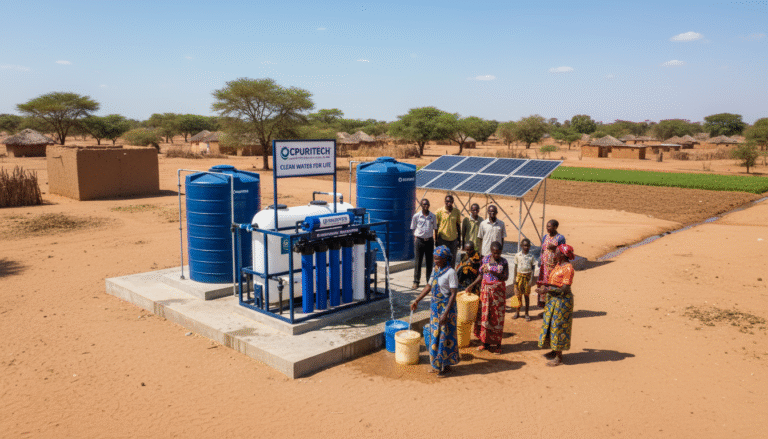
In a recent deployment I oversaw in an agricultural region, coupling solar-powered RO with brine evaporation ponds allowed sustainable irrigation water reuse, reducing freshwater withdrawals by 30% year-over-year.
10. Company Expertise and After-Sales Support
Leading manufacturers offer comprehensive portfolios encompassing residential to industrial solutions, backed by tailored engineering services. Post-installation support includes routine maintenance programs, remote diagnostics, and component replacement schedules that extend system longevity.
In my consultancy work, clients often highlight the importance of responsive service networks and transparent warranty policies as decisive factors when choosing suppliers. Such customer-centric practices enhance operational confidence and water security in critical applications.
11. Conclusion
The evolution of treatment for well water technologies embodies a microcosm of broader water purification challenges. By addressing physical, chemical, and biological contaminants with precision and innovation, these systems not only secure private water supplies but also fuel progress in large-scale seawater desalination.
Insights gleaned from well water treatment—ranging from advanced membrane integration to sustainable operation protocols—inform cutting-edge desalination plant designs that promise to alleviate global water scarcity realities. As the sector advances, continuous knowledge exchange between small-scale and large-scale applications will drive breakthroughs essential for future water resilience.
For stakeholders committed to environmental stewardship and community health, understanding and investing in effective treatment for well water solutions is both a practical imperative and a strategic opportunity. Exploring partnerships with experienced technology providers can unlock customized, efficient, and sustainable water treatment pathways, ensuring water security for generations to come.
References
- Centers for Disease Control and Prevention (CDC) – Guidelines for Treating Well Water
- U.S. Environmental Protection Agency (EPA) – Drinking Water Technologies
- NSF International – NSF Standards for Water Treatment Systems
- Alabama Cooperative Extension System – General Options for Treating Your Well Water
- Water Systems Council (WSC) – Water Treatment
- Environmental Working Group (EWG) – Tap Water Database | Water Filters
- World Health Organization (WHO) – Household Water Treatment and Safe Storage