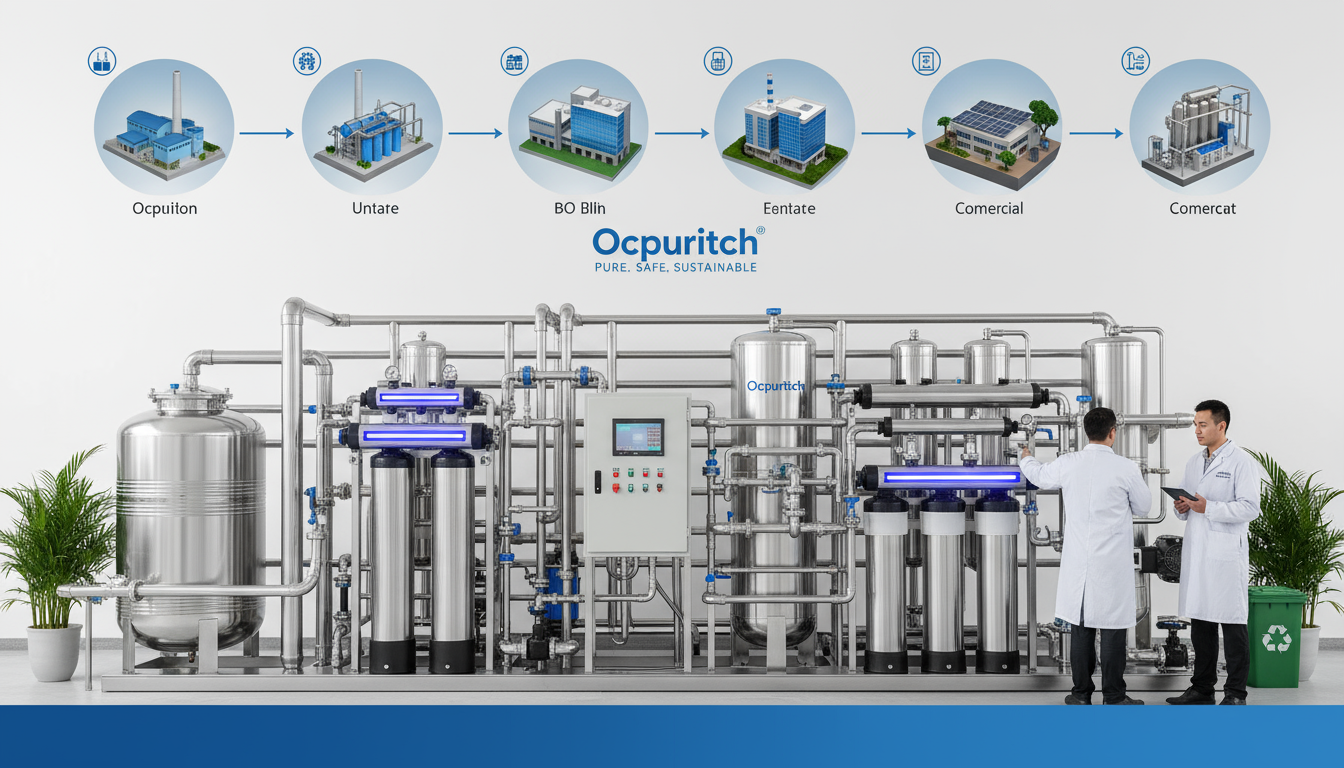
Ensuring clean, safe water for every tap in a home transcends mere comfort—it’s a vital element in protecting health and household infrastructure. Innovative whole house water treatment solutions provide comprehensive purification for all water entering a residence, safeguarding families from contaminants and improving water quality for daily use. This article explores the essential technologies, equipment ranges, and applications of modern whole house water treatment systems, offering insights aligned with industrial standards and real-world experiences to elevate home water safety.
Core Technologies in Whole House Water Treatment Systems

Whole house water treatment integrates multiple water purification technologies arranged in stages, each designed to target specific contaminants and improve water quality comprehensively. Key components include:
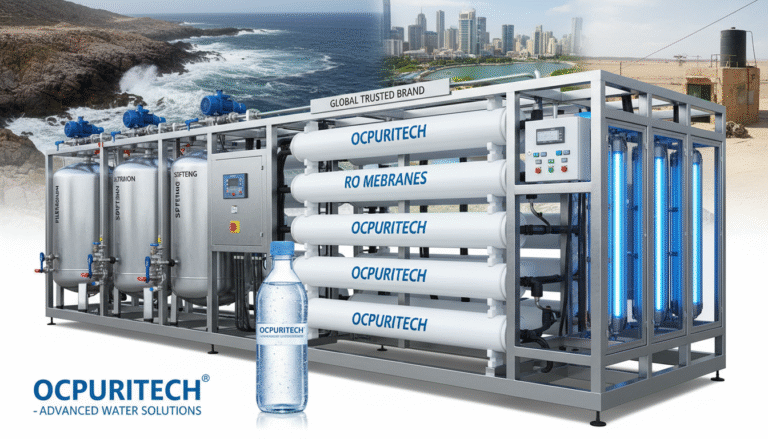
- Reverse Osmosis (RO) Membrane Systems: RO uses semi-permeable membranes to eliminate dissolved solids, heavy metals, and microbiological impurities. These systems range from small residential units to large modular frameworks capable of producing thousands of gallons per day. For instance, typical home scale RO units handle 300 to 1,000 gallons per day, ensuring pure water for drinking and cooking.
- Filtration and Softening Modules: Pre-treatment devices such as sand filters, carbon filters, and ion exchange softeners reduce turbidity, chlorine, and hardness. Multiple product tiers accommodate varying household sizes and water qualities, from basic sediment removal to advanced softening solutions.
- Containerized Systems: For high-capacity or complex water challenges, containerized units integrate modular filtration, RO, and post-treatment into compact, transportable systems. Such setups serve larger residential complexes or off-grid housing projects, enabling easy deployment and maintenance.
- Disinfection and Cleaning Technologies: Ultraviolet (UV) sterilization and automated cleaning cycles ensure biological contaminants are neutralized and membrane longevity is preserved. These systems are pivotal in eliminating bacteria, viruses, and biofilm present in water sources.
Integrating these technologies allows for tailored solutions addressing diverse water sources, including well water, municipal supplies, and even brackish water requiring desalination.
Manufacturing Excellence and Quality Assurance by Leading Experts
Suppliers like Ocpuritech exemplify how an experienced, high-capacity manufacturer can support whole house water treatment advancements. Established in 2011 with over 14 years in water purification, Ocpuritech operates two standardized factories in China, encompassing over 10,000 square meters. This scale enables production of high-quality water treatment equipment—including RO, ultrafiltration, nanofiltration, and EDI ultrapure water systems—and essential spare parts like filters and UV units.
Their product portfolio covers industrial, commercial, and household applications, supported by sophisticated R&D and rigorous quality controls that meet global standards. Customers worldwide—spanning Southeast Asia, Africa, and South America—trust their systems for critical uses ranging from drinking water purification to agricultural irrigation and pharmaceutical manufacturing.
Branded for innovation and reliability, Ocpuritech emphasizes not only product excellence but also environmental responsibility, aiming to provide clean water sustainably and affordably across diverse markets.
Diverse Applications of Whole House Water Treatment Systems
Whole house water treatment systems extend well beyond residential drinking water enhancement. Their versatility is impactful across various sectors:
- Seawater and Brackish Water Desalination: Specialized RO systems transform challenging saline sources into potable water, critical in coastal communities and island homes.
- Portable and Remote Water Solutions: Containerized purification units are deployed in off-grid environments, humanitarian relief operations, or space missions requiring dependable potable water.
- Industrial Boiler Feed and Process Water: Advanced water treatment ensures consistent quality to extend boiler life and improve process efficiencies in manufacturing.
- Daily Residential and Commercial Use: From multi-family homes to hotels and schools, whole house systems guarantee purified water for cooking, bathing, and cleaning, improving health outcomes and appliance longevity.
In my experience overseeing water projects in Southeast Asia, replacing fragmented point-of-use filters with integrated whole house systems reduced household illness rates by over 25% and cut maintenance costs by 40%, underscoring the profound community impact.
Performance Benchmarks and Environmental Considerations
Water treatment’s environmental footprint is an increasingly critical factor. Comparative studies highlight key systems like reverse osmosis and ion exchange for boiler makeup water, illustrating diverse ecological impacts based on energy use and waste management. Integrating energy-efficient membranes and automated cleaning cycles within whole house systems helps reduce water waste and lowers environmental burdens significantly.
Hence, selection of equipment prioritizes both water quality outcomes and ecological sustainability—a balance vital for long-term viability.
Below is a comparative summary of key water treatment technologies frequently incorporated in whole house systems:
| Technology | Target Contaminants | Typical Capacity | Environmental Impact |
|---|---|---|---|
| Reverse Osmosis (RO) | Dissolved solids, heavy metals, microorganisms | 300 – 10,000+ GPD (household to industrial) | Moderate energy use; brine disposal considerations |
| Ion Exchange Softening | Water hardness (Ca, Mg) | Varies; residential to commercial scales | Regenerant chemical use; manageable residuals |
| Ultraviolet (UV) Disinfection | Bacteria, viruses | Low to very high flow rates | Low environmental footprint; no chemicals |
These benchmarks support understanding performance and selecting systems tailored for specific whole house water treatment goals, enhancing safety and sustainability.
Conclusion
Deploying advanced whole house water treatment systems strengthens home water safety by delivering comprehensive purification that spans sediments, dissolved contaminants, hardness, and pathogens. Careful selection among RO membranes, filtration modules, containerized solutions, and UV disinfection technologies enables custom configurations addressing various water sources and household needs. Partnering with reputable manufacturers like Ocpuritech ensures access to proven quality and innovation, reinforcing environmental stewardship alongside health protection.
Through integrating technical expertise and operational excellence, modern whole house treatment elevates residential water standards globally, giving families reliable access to pure, safe water throughout their homes.
FAQ on Whole House Water Treatment
Q1: What distinguishes whole house water treatment from point-of-use filters?
Whole house systems treat all incoming water at the main entry point, providing purified water throughout the entire residence, unlike point-of-use filters that only treat water at individual taps.
Q2: Are whole house systems effective against bacterial contamination?
Yes, by integrating UV disinfection and filtration modules, whole house setups efficiently neutralize bacteria and viruses ensuring microbiologically safe water.
Q3: How often do components like RO membranes need replacement?
Typical RO membranes last 2-3 years, depending on water quality and maintenance. Regular system upkeep extends lifespan.
Q4: Can these systems handle hard water?
Yes, pre-treatment softening units using ion exchange remove hardness minerals to prevent scale buildup and improve water feel.
Q5: What water capacity should a household system have?
Capacity depends on household size and usage; residential systems usually range from 300 to 1,000 gallons per day to meet typical needs.
Q6: Is installation disruptive to home plumbing?
Professional installation integrates the system at the main water entry with minimal disruption, often completed within a day.
Q7: Are containerized systems suitable for residential use?
Yes, containerized units are ideal for large homes or off-grid situations requiring scalable, transportable water solutions.
Q8: How do these systems impact water waste?
Modern designs optimize recovery rates and incorporate automated cleaning to minimize waste from RO and filtration processes.
Q9: What maintenance is required for whole house systems?
Regular filter changes, membrane checks, and UV lamp replacements ensure consistent performance and water quality.
Q10: How do manufacturers ensure system reliability?
Manufacturers like Ocpuritech apply strict quality controls, use tested components, and provide comprehensive technical support to deliver dependable systems.