Introduction: Addressing the Global Need for Clean Water Through Advanced Treatment
Water is fundamental to life, yet billions worldwide still face the harsh reality of insufficient access to clean and safe drinking water. According to recent global assessments, over 2.2 billion people lack safely managed drinking water services, while water stress is alarmingly high in regions such as Central and Southern Asia and Northern Africa. This scarcity profoundly impacts health, economic development, and social stability. As an industry expert with over a decade of experience in water purification projects, I have witnessed firsthand how advanced water treatment technologies, particularly Reverse Osmosis (RO) systems, transform communities by delivering potable water that meets stringent international safety standards.
The growing demand for safe water, exacerbated by climate change and pollution, calls for robust, scalable, and efficient solutions. Implementing cutting-edge water treatment systems is not only vital for safeguarding public health but also critical for supporting agriculture, industry, and sustainable regional development. My work in diverse environments, including arid zones in Africa and industrial hubs in Southeast Asia, has reinforced that comprehensive water purification strategies powered by RO technology are a linchpin in achieving water security and resilience in water-stressed areas.
Understanding the RO System: Key Technology for Modern Water Treatment

At its core, a Reverse Osmosis (RO) system is a water purification technology that uses a semipermeable membrane to remove contaminants, microorganisms, dissolved salts, and other impurities from water. The process works by applying pressure to force water molecules through the membrane, effectively filtering out unwanted substances while allowing clean water to pass. This technology produces high-purity water suitable for drinking, industrial processes, and even boiler feed.
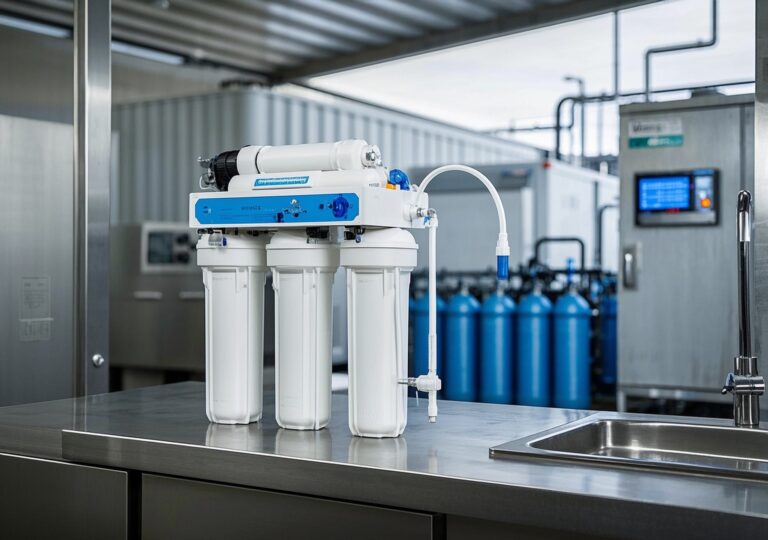
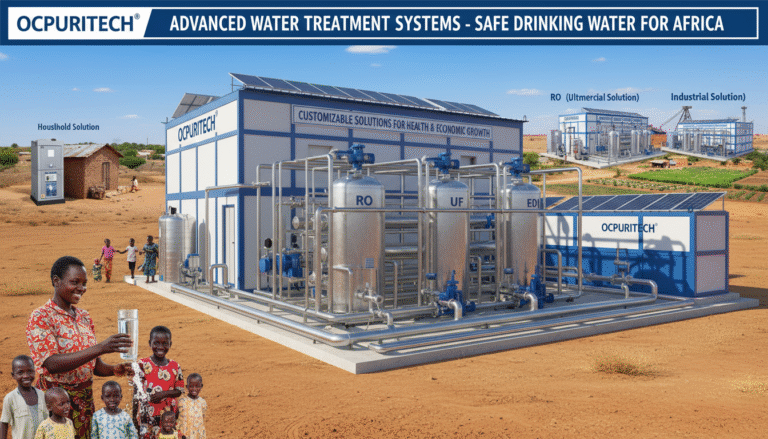
In industrial and commercial water treatment applications, RO systems often integrate with pretreatment methods like sand filtration, carbon filtration, and ultrafiltration to enhance efficiency and extend membrane lifespan. For example, ultrafiltration removes suspended solids and bacteria prior to RO, reducing membrane fouling and operational costs.
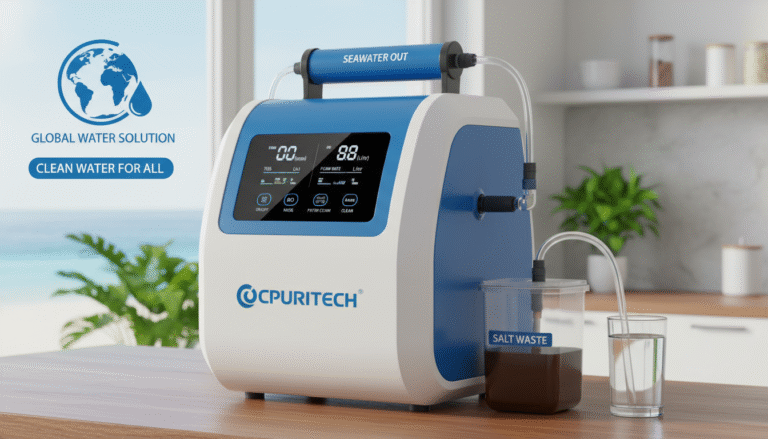
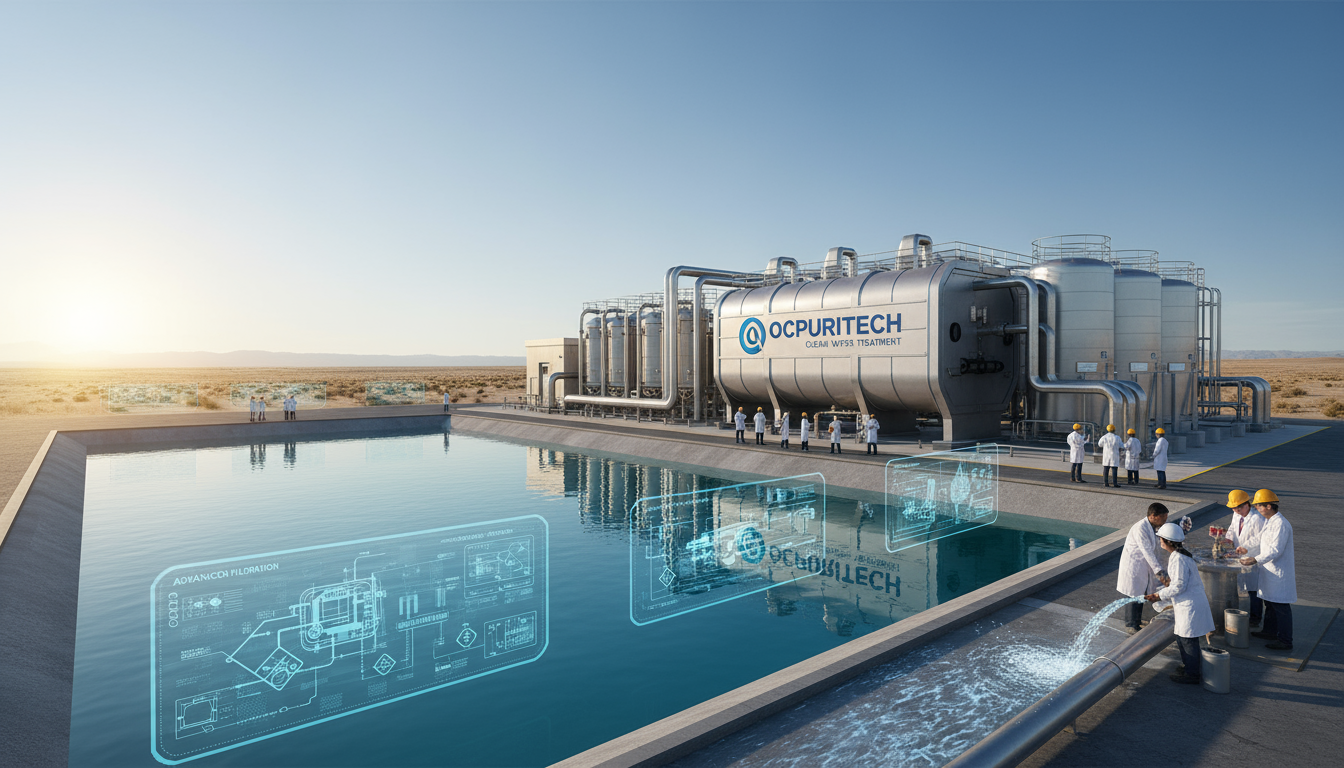
Ocpuritech, a leader in the water purification industry with over 14 years of expertise, specializes in various RO-based solutions including remote control reverse osmosis, brackish water systems, seawater desalination, and ultrapure water generation technologies such as Electrodeionization (EDI). These systems cater to a broad spectrum of applications — from municipal drinking water plants to pharmaceutical and food processing industries — emphasizing reliability and environmental responsibility.
Water Resource Challenges & Market Demand in Water-Scarce Regions

Regions such as Northern Africa, Central Asia, and parts of Sub-Saharan Africa face acute water shortages characterized by critical water stress levels exceeding 75% and sometimes over 100%. This scarcity undermines agricultural productivity, impairs industrial activities, and severely threatens public health. Climate change further compounds these challenges by reducing renewable freshwater availability and increasing pollution risks.
The increasing competition for limited water resources has heightened the need for sustainable water treatment solutions that maximize resource use efficiency. In my experience implementing RO water treatment plants in arid African countries, the tailoring of system design to local water quality and infrastructure constraints has been essential. RO systems provide a practical means to treat brackish groundwater and even seawater, enabling regions with limited freshwater reserves to produce clean water at scale.
The market demand reflects this urgency, encompassing governments, agriculture sectors, and private enterprises seeking robust purification systems that comply with safety regulations while being economically viable. The ability to adopt modular RO plants that can be remotely controlled and maintained has proven transformative, especially in off-grid or resource-limited settings.
Drinking Water Standards and Treatment Process to Ensure Safety
Ensuring potable water safety requires adherence to rigorous standards such as those advocated by the World Health Organization (WHO) and the United Nations Water guidelines. These frameworks define acceptable levels for microbial, chemical, and physical contaminants to protect public health. RO systems are particularly effective in meeting these standards by removing pathogens, heavy metals, nitrates, and dissolved salts that conventional treatment may not fully eliminate.
The typical RO water treatment flow includes several critical stages:
- Pretreatment – Sand filtration, carbon filtration, and ultrafiltration to reduce turbidity and organic matter.
- Water softening – To prevent membrane scaling and extend system life.
- Reverse osmosis – Core separation process to remove dissolved contaminants.
- Post-treatment – pH adjustment, disinfection (e.g., UV treatment) to ensure microbiological safety.
- Monitoring and control – Continuous quality checks and automation to maintain compliance with drinking water regulations.
In projects I’ve managed, implementing comprehensive Water Safety Plans that map the entire catchment-to-consumer water supply chain has been indispensable. It ensures that the RO system’s output consistently meets or exceeds guidelines such as those elaborated in the WHO Drinking-water quality guidelines.
Customized Engineering Solutions and Design Considerations

Addressing diverse community sizes and industrial needs demands a tailored approach to system design. From small-scale village water supplies to large urban treatment plants, engineering solutions must incorporate scalable pretreatment modules, energy-efficient RO membranes, and intelligent control systems.
In a recent project deploying RO technology for a rural municipality, personalized process simulations were conducted to optimize membrane area and pre-treatment capacity, which reduced operational costs by 18% and improved water recovery rates above 85%. Additionally, remote monitoring and early warning systems were integrated to minimize downtime and extend asset life.
Quality assurance measures include rigorous testing of feed water quality, continuous on-site monitoring of permeate purity, and annual maintenance protocols for membrane replacement. These measures ensure long-term system reliability and compliance with health standards. The involvement of expert consultation and professional installation teams significantly enhances project outcomes, based on my collaborative experiences in Southeast Asia water projects.
Real-World Applications and Socioeconomic Impact
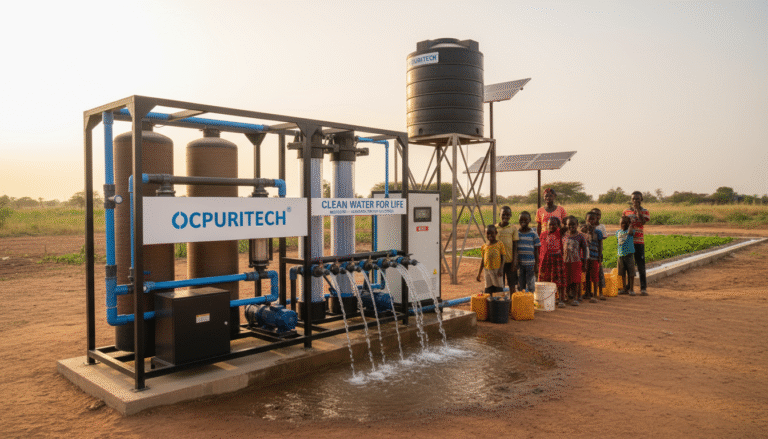
A compelling example from my fieldwork includes a water treatment facility in a water-stressed African region, where an RO-based system was commissioned to treat brackish groundwater. The project lifted local water access from under 40% to nearly 90% within 18 months, reducing waterborne diseases by an estimated 30%. Economic benefits manifested through improved agricultural yields and new micro-enterprises formed around water bottle production.
Such tangible outcomes underscore the vital role of RO water treatment systems in addressing global challenges, aligning with SDG Goal 6 ambitions that aim to ensure availability and sustainable management of water for all. The shift toward sustainable water purification technologies also mitigates the environmental footprint by reducing reliance on harmful chemical disinfectants and optimizing energy usage in desalination.
Conclusion: Partnering for a Future with Clean, Safe Water
Tackling the global clean water crisis requires a multifaceted approach integrating technology, policy, and community engagement. RO systems represent a proven and adaptable solution to meet the world’s increasing water demand while protecting human health and the environment. Through collaboration with experienced manufacturers like Ocpuritech, stakeholders can leverage decades of expertise and innovation to implement reliable RO water treatment facilities tailored to local needs.
I encourage water authorities, industrial partners, and development agencies to consult with water treatment experts early in the project lifecycle. Early technical assessment and customized design ensure optimal investment and sustainable impact. Together, we can make clean, pure water accessible to more people and help conserve our precious water resources for future generations.
Frequently Asked Questions (FAQ)
Q1: What is the primary function of an RO system in water treatment?
Reverse Osmosis systems remove dissolved salts, contaminants, and microbes from water to produce safe, potable water.
Q2: How does RO technology compare to other water purification methods?
RO offers higher contaminant removal rates, including dissolved solids and pathogens, compared to basic filtration or chemical treatments.
Q3: Can RO systems treat seawater effectively?
Yes, specialized seawater RO plants desalinate saltwater to provide fresh water, supporting coastal regions.
Q4: What levels of water stress make RO systems necessary?
Regions with high water stress exceeding 75% or critical shortages often need RO to utilize brackish or poor-quality sources.
Q5: What are the key components integrated with RO units?
Pretreatment filters, softeners, ultrafiltration, disinfection units, and automated monitoring enhance RO performance.
Q6: How does RO water meet international drinking standards?
RO membranes effectively reduce contaminants below WHO guideline limits, ensuring compliance with health-based targets.
Q7: Is RO technology energy-intensive?
While RO consumes energy, ongoing innovations in membrane efficiency and pressure recovery have substantially lowered energy requirements.
Q8: What maintenance is required for RO systems?
Regular membrane cleaning, filter replacement, and system monitoring are essential for maintaining optimal function.
Q9: Are there size options for RO water treatment systems?
RO plants are scalable from small community units to large industrial facilities, adaptable to varying water demands.
Q10: How can stakeholders ensure project success with RO installations?
Engaging professional engineering services, conducting thorough water quality assessments, and implementing Water Safety Plans are vital steps.